Tysons Woods offers a consistent monthly rate of $5,500 across all room types, which positions it competitively within Fairfax County and the broader Virginia market. In comparison to Fairfax County, Tysons Woods' private and semi-private rooms are slightly more expensive than the county averages; however, they provide a comparable option for those seeking quality care. Interestingly, while studio and one-bedroom units at Tysons Woods are higher than Fairfax averages, they remain competitive with state figures. Overall, these prices reflect not only the premium environment and services that Tysons Woods provides but also highlight its strategic positioning within a fluctuating local and state landscape for similar accommodations.
Floor plans
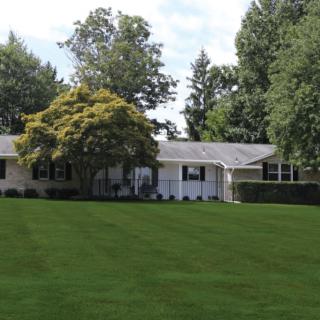
Tysons Woods
Fairfax County
Virginia
Private
$5,500
$5,449
$4,684
Semi-Private
$5,500
$5,598
$3,991
Studio
$5,500
$6,335
$4,436
1 Bedroom
$5,500
$4,884
$4,257
Memory care communities with a similar price nearby
Residents and families repeatedly describe attentive, personalized care with quick help when needed.
Many reviewers say the staff closely watches residents and responds quickly, including during illness, medication needs, and day-to-day assistance. Several also mention individualized approaches for changing conditions, including dementia and high-support moments, rather than a one-size-fits-all model. A recurring detail is that caregivers treat families like partners and communicate consistently, including during periods when visits were limited.
common12 reviews mention this
Cleanliness and upkeep stand out
Multiple reviews highlight consistently clean, well-kept home environments.
Reviewers repeatedly describe the community as very clean and well managed, with homes that feel cared for day to day. Cleanliness is also tied to how visitors felt during tours and after moving in, with comments about the facility looking bright, orderly, and maintained. Even when reviews are mixed overall, at least the tour impressions include cleanliness and upkeep.
common10 reviews mention this
Homemade food is a major draw
Residents and families frequently praise meals as homemade and well prepared.
Food comes up often, with reviewers describing meals as tasty, cooked on-site, and sometimes specifically “homemade.” Several also note dining satisfaction across the day, while others describe the community’s food in a more sensory way (like always smelling great). There is at least one unhappy review that calls the food terrible, but positive meal comments are much more common.
common7 reviews mention this
Small, family-like setting
Reviews frequently describe Tysons Woods as small and family-like rather than institutional.
Multiple reviewers emphasize the “home” setting and small scale, describing a family atmosphere with residents feeling treated like family. People also mention close relationships with staff and the owner’s involvement, and a comfort level that comes from knowing caregivers well. A few reviews use the setting to explain why residents preferred staying engaged and comfortable there.
caveat2 reviews mention this
Price feels high for some
Some reviewers flag the overall cost as high.
At least two reviewers explicitly call out the rate as high or mention an assessment cost issue. One review describes a poor experience after moving in, including concerns about charges and the owner’s handling of care decisions, which contributed to moving out quickly. These criticisms stand apart from other reviews that focus more on care and day-to-day comfort.
How we summarize
Counts show how many written reviews mention each theme; a review can touch several themes, and only frequently mentioned themes are displayed.
Features
Housing
8 resident community capacity
Types of Care
Assisted Living
Board and Care Home
Memory Care
Respite Care
Pets
Dogs allowed
Amenities
Activities off-site
Activities on-site
Bath tubs
Beautician on-site
Cable or satellite TV
Devotional services off-site
Devotional services on-site
Dining room
Fully furnished
Garden
Housekeeping services
Indoor common areas
Move-in coordination
Outdoor common areas
Outdoor space
Private
Private bathrooms
Respite or short term stays offered
Telephone
Wheelchair accessible showers
Wi-Fi/high-speed internet available
Transportation
Ronald Reagan Washington National (11 miles away)
Washington Dulles International (12 miles away)
Care Services
24-hour supervision
Activities of daily living assistance
Ambulatory care
Assistance with bathing
Assistance with dressing
Assistance with transfers
Coordination with health care providers
Diabetes diet
Diabetic care
High acuity care
Incontinence care
Meal preparation and service
Medication management
Special dietary restrictions
Transportation arrangement (medical)
Transportation to doctors appointments
Dining
Diabetes diet
Kosher
Meals provided
Special dietary restrictions
Vegetarian
Activities
Activities off-site
Activities on-site
Community-sponsored activities
Devotional activities offsite
Devotional activities on-site
Scheduled daily activities
Nearby Places of Interest
Restaurants
Phoenicia Resto & Lounge (0.4 miles)
Patsy's American (0.8 miles)
McDonald's (1 miles)
McDonald's (1.1 miles)
Greenhouse Bistro (1.2 miles)
Shake Shack (1.3 miles)
Earls Kitchen + Bar (1.4 miles)
Pharmacies
CVS Pharmacy (1 miles)
CVS Pharmacy (1.1 miles)
CVS Pharmacy (1.5 miles)
CVS Pharmacy (2.4 miles)
CVS Pharmacy (2.6 miles)
Walgreens (2.7 miles)
CVS Pharmacy (3.4 miles)
Cafes
Simply Social Coffee (1.2 miles)
Starbucks (1.3 miles)
Shotted Specialty Coffee (1.3 miles)
Panera Bread (1.4 miles)
Paris Baguette (1.5 miles)
Bluestone Lane Tysons Boro Café (1.6 miles)
Starbucks (1.8 miles)
Theaters
AMC Tysons Corner 16 (1.3 miles)
ShowPlace ICON at The Boro (1.6 miles)
Cinemark Fairfax Corner 14 and XD (7.3 miles)
Parks
Tysons Pimmit Park (1.4 miles)
Foxstone Park (1.7 miles)
Wolf Trap National Park for the Performing Arts (2.8 miles)
Daniels Run Park (4.5 miles)
Van Dyck Park (4.9 miles)
Fairfax Memorial (5.6 miles)
Chesapeake and Ohio Canal National Historic Park (6.1 miles)
Tysons Woods offers a consistent monthly rate of $5,500 across all room types, which positions it competitively within Fairfax County and the broader Virginia market. In comparison to Fairfax County, Tysons Woods' private and semi-private rooms are slightly more expensive than the county averages; however, they provide a comparable option for those seeking quality care. Interestingly, while studio and one-bedroom units at Tysons Woods are higher than Fairfax averages, they remain competitive with state figures. Overall, these prices reflect not only the premium environment and services that Tysons Woods provides but also highlight its strategic positioning within a fluctuating local and state landscape for similar accommodations.
Tysons Woods offers a range of specialized features that cater to the unique needs of residents with dementia and Alzheimer's disease, enhancing their quality of life and ensuring their safety. Assistance with dressing helps individuals maintain dignity and independence, while medication management ensures they receive the correct prescriptions at the right times, reducing anxiety around medication adherence. Meal preparation and service are tailored to meet dietary needs, promoting not just nutrition but also enjoyment during meals. Transportation arrangements for medical appointments alleviate stress for both residents and families, ensuring timely access to healthcare professionals. Coordination with healthcare providers fosters a comprehensive approach to health management, helping staff respond effectively to changing medical needs. Assistance with activities of daily living, including bathing and transfers, promotes physical well-being while maintaining personal comfort. The presence of 24-hour supervision provides peace of mind for families by ensuring that trained staff are always available to assist. Finally, incontinence care is handled compassionately and discreetly, allowing residents to feel supported without embarrassment or discomfort.
Dementia encompasses progressive neurological disorders that impair cognitive functions and can lead to paranoia due to cognitive decline and emotional changes. The article discusses the triggers of paranoia in dementia, caregiver strategies for managing it, and the importance of distinguishing between dementia-related paranoia and other psychiatric conditions.
Memory care activities are essential for improving the quality of life of seniors with cognitive impairments, as they stimulate cognitive function, promote well-being, and encourage social interaction through tailored strategies. These activities combine structured exercises with spontaneous tasks, sensory engagement, physical workouts, creative pursuits, and intergenerational interactions to enhance emotional connection and a sense of purpose.
Transitioning from assisted living to memory care is driven by an individual's cognitive decline and specific needs, requiring careful evaluation of indicators like increased confusion and wandering. The process involves consulting medical professionals, researching suitable communities, considering financial and legal aspects, and ensuring effective communication for personalized care plans.
Get PricingAsk A QuestionSchedule A TourContact Senior Advisor
By clicking submit, you agree to our Partner's Terms of Use. You
also consent to receive calls and texts, which may be autodialed, from our Partner. Your consent is not a condition to
using our Partner's service. Please visit our Partner's Privacy Policy for information about their privacy practices.


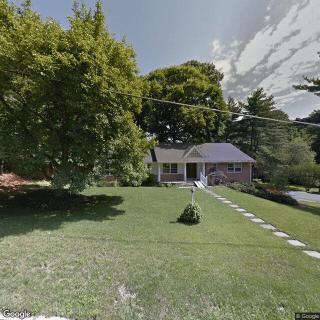
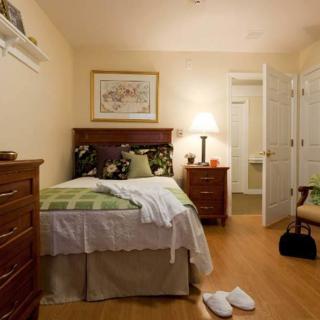
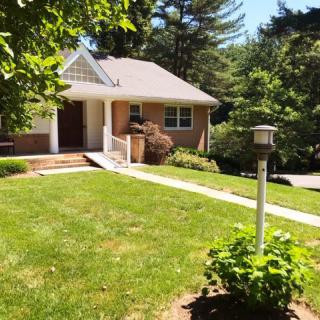
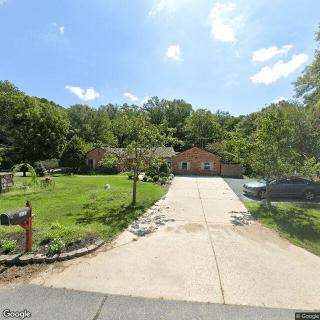
 8 resident community capacity
 Assisted Living
 Board and Care Home
 Memory Care
 Respite Care
 Dogs allowed
 Activities off-site
 Bath tubs
 Beautician on-site
 Cable or satellite TV
 Devotional services off-site
 Dining room
 Fully furnished
 Garden
 Housekeeping services
 Indoor common areas
 Move-in coordination
 Outdoor common areas
 Private
 Private bathrooms
 Telephone
 Wheelchair accessible showers
 Wi-Fi/high-speed internet available
 Ronald Reagan Washington National (11 miles away)
 24-hour supervision
 Ambulatory care
 Assistance with bathing
 Assistance with dressing
 Assistance with transfers
 Diabetes diet
 Diabetic care
 High acuity care
 Incontinence care
 Meal preparation and service
 Medication management
 Special dietary restrictions
 Transportation arrangement (medical)
 Transportation to doctors appointments
 Private furnished rooms with 24/7 supervision, meals, medication and diabetes care, plus on-site activities and transportation for appointments.


 Dementia, Paranoia, and Caregiver Guidance: Understanding the Connection
 Engaging Memory Care Activities That Enhance Quality of Life
 When to Transition from Assisted Living to Memory Care: Key Indicators, Steps, and Finding the Right Community