Renaissance of Annandale
Save
Information last verified:
7112 Braddock Rd, Annandale, VA 22003
For more information about senior living options: (844) 490-3973
Renaissance of Annandale presents a premium option for senior living, with monthly costs reflecting the quality of care and amenities offered. For a semi-private room, the cost is $7,499, which exceeds both the Fairfax County average of $5,598 and the broader Virginia state average of $3,991. Similarly, for a studio room, residents can expect to pay $8,499 - again higher than the local county rate of $6,335 and the state average of $4,436. These figures illustrate that while Renaissance of Annandale may command a higher price point compared to surrounding options, this investment likely corresponds with enhanced services and an enriched living environment designed to support residents' overall well-being.
| Floor plans | Renaissance of Annandale | Fairfax County | Virginia |
|---|---|---|---|
| Semi-Private | $7,499 | $5,598 | $3,991 |
| Studio | $8,499 | $6,335 | $4,436 |
Renaissance of Annandale is best suited for families seeking a memory-care-centered residence where dementia or Alzheimer’s needs drive programming, safety design, and daily caregiving. The community treats memory care as its core mission, and that clarity shows in a calm, dignified atmosphere, with first-floor bedrooms that minimize mobility risk and a layout engineered to reduce wandering without stripping residents of autonomy. The team consistently demonstrates professional warmth, and the dining and activity programs revolve around engagement, routine, and meaningful interaction rather than generic supervision. Families value the sense that staff see residents as whole people, not problems to be managed, and the experience across multiple accounts is one of steady, attentive care delivered with genuine commitment. In short, Renaissance stands out for households prioritizing memory-support with a culture of respect, safety, and sustained family involvement.
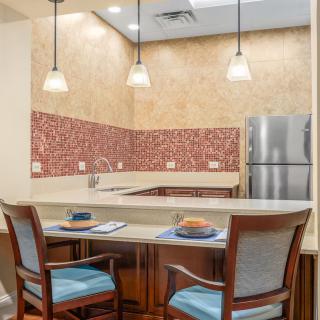
Those weighing alternatives should consider options if memory care is not the immediate priority, or if larger living spaces and broader independent-living features are essential. A number of reviewers note that rooms can feel compact and that common-area furnishings lean toward functional rather than plush, which matters to families seeking more generous private space or more luxurious interiors. The dining experience, while generally solid and supported by a dedicated food team, has not been universally praised in every review, signaling that cuisine expectations can vary. For families who want a broader spectrum of non-memory-care activities, a more expansive social calendar outside the memory-care framework, or a campus with additional housing options, other communities may align more closely with those needs. Renaissance excels where a memory-focused environment is the priority; alternatives may better suit those seeking broader independent-living amenities.
The strongest leverage points are the program’s memory-care advantages, which reliably offset the typical drawbacks. The environment is designed for safety and dignity: secure features subtly integrated into the décor, calming touches like lavender-scented spaces, and a courtyard that provides outdoor time within a secure perimeter. A high level of staff engagement defines the experience, the care team is described as compassionate, proactive, and consistently attentive to residents’ needs. Notable leaders, Jonathan Fitch in marketing and Jerome in direct resident care, emerge as credible, hands-on advocates who guide families through transitions with confidence. A dedicated dining team helps ensure meals are available promptly, while the activity roster, ranging from arts to weekly field trips, delivers ongoing stimulation that is crucial for memory-care residents. When faced with the inevitable imperfections of any senior-living setting, these core strengths keep care outcomes aligned with expectations.
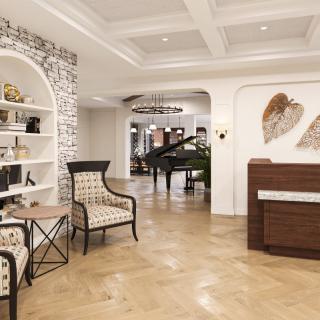
Care culture is the true differentiator at Renaissance. Families repeatedly highlight the generosity and steadiness of the nursing staff, with nurses like Hamasatu exemplifying deep compassion and willingness to go beyond the call of duty. The staff’s willingness to communicate, sharing updates, photos, and videos, gives families the reassurance needed for decision-making and ongoing involvement. The facility’s cleanliness, warm design, and practical layout reinforce confidence that the environment supports comfort and safety. Leadership appears accessible, and the care-team approach, coupled with a strong emphasis on family partnerships, helps families feel heard during difficult transitions. Across anecdotes, the tone is consistently that this is a place where professional expertise meets heartfelt caregiving, producing a sense of peace for families navigating dementia care.
Touring guidance and decision-making focus align with Renaissance’s strengths. Prospective families should probe the memory-care program’s specifics: staff-to-resident ratios across shifts, individualized care plans, and how re-engagement is sustained for residents with varying levels of cognitive ability. Inspect private rooms on the first floor for privacy features, safety mechanisms, and ease of supervision, then observe the dining experience and inquire about the dedicated dining staff and dietary accommodations. Interview current families about communication cadence, responsiveness, and how admissions were handled during transitions. Consider cultural or religious needs and how family events or worship services are accommodated, since these factors can meaningfully affect comfort and continuity of care. In short, Renaissance delivers best-in-class memory-care attention and family integration, making tours worthwhile for those who want a highly specialized, relationship-centered setting.
The verdict is practical and decisive: Renaissance of Annandale delivers a compelling memory-care-focused option for families prioritizing safety, dignity, and steady engagement. Its strongest advantages, staff dedication, a thoughtfully designed care environment, and robust family communication, translate into tangible peace of mind, especially for residents with memory challenges who respond well to structured routines and meaningful activity. The few drawbacks, compact private rooms and some variability in dining or furnishings, do not undermine the facility’s core value proposition when memory care is the central criterion. For clients whose needs center on broad independent-living features, expansive spaces, or non-memory-care options, alternatives may be a better fit. Yet for dementia care where a calm setting, proactive caregiving, and consistent family involvement matter most, Renaissance of Annandale stands out as a practical, high-confidence choice.
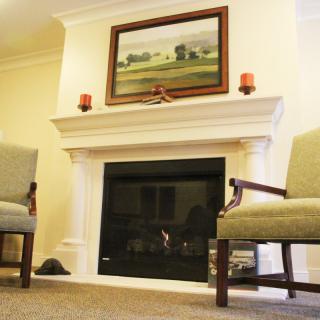
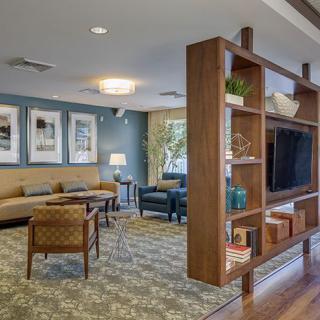
Renaissance of Annandale in Annandale, VA is a vibrant assisted living community that offers a range of amenities and care services to its residents. The community provides a safe and comfortable environment with indoor common areas where residents can socialize and engage in various activities.
For those who require diabetic care, the dedicated staff at Renaissance of Annandale is equipped to cater to their specific needs. The community also arranges devotional services off-site for individuals who wish to nourish their spiritual well-being.
Located in close proximity to various amenities, residents have easy access to four cafes, five parks, thirteen pharmacies, two physicians' offices, twenty restaurants, four transportation options, one place of worship, one theater, and three hospitals. This ensures that residents can conveniently meet their daily needs and enjoy recreational activities with ease.
At Renaissance of Annandale, seniors can embrace an active and fulfilling lifestyle while receiving the support they need. The community strives to create a warm and welcoming atmosphere where residents can thrive physically, emotionally, and socially.
Located in Annandale, Virginia, this neighborhood boasts a variety of amenities that cater to seniors looking for convenience and accessibility. With multiple pharmacies such as CVS and Walgreens within a short distance, accessing medication and healthcare services is easy. For dining options, there are several McDonald's locations nearby along with local restaurants like Marib Restaurant and Mike's American. Nearby parks like Lake Accotink Park offer opportunities for outdoor recreation and relaxation. For cultural activities, theaters like Regal Springfield Town Center provide entertainment options. The area also offers quick access to public transportation with metro stations like Vienna/Fairfax - GMU Metro Station and Franconia-Springfield Metro Station within reach. Overall, this part of Annandale provides a mix of essential services, entertainment options, and transportation accessibility that could cater to the needs of seniors looking for a comfortable living environment.
Renaissance of Annandale presents a premium option for senior living, with monthly costs reflecting the quality of care and amenities offered. For a semi-private room, the cost is $7,499, which exceeds both the Fairfax County average of $5,598 and the broader Virginia state average of $3,991. Similarly, for a studio room, residents can expect to pay $8,499 - again higher than the local county rate of $6,335 and the state average of $4,436. These figures illustrate that while Renaissance of Annandale may command a higher price point compared to surrounding options, this investment likely corresponds with enhanced services and an enriched living environment designed to support residents' overall well-being.
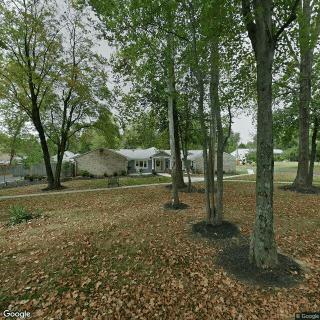
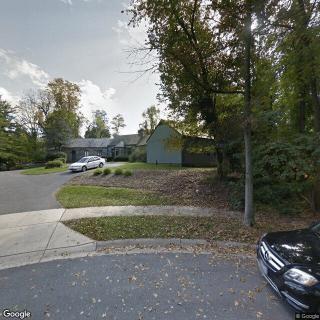
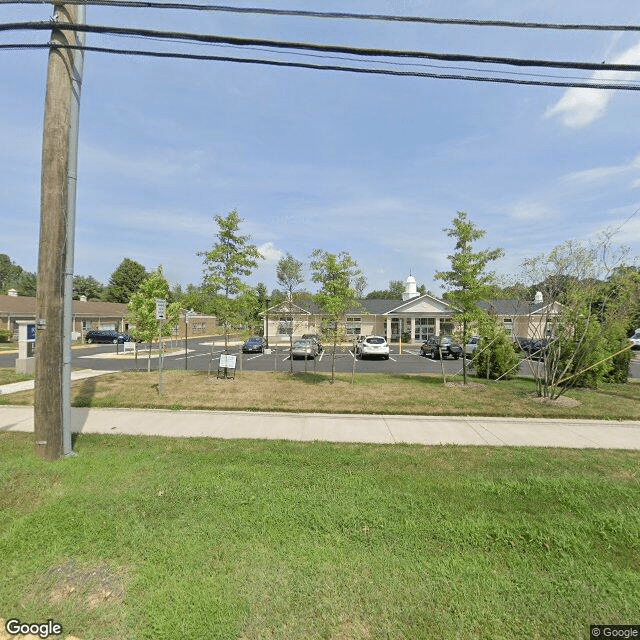
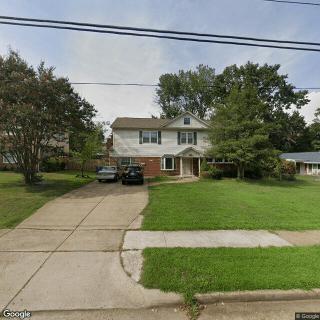
Renaissance of Annandale is located at 7112 Braddock Rd, Annandale, VA 22003 in Fairfax County, Virginia
Yes, Renaissance of Annandale provides memory care services for residents with mild or advanced stages of dementia or Alzheimer's disease.
When Dementia Sparks Anger and Aggression: Understanding the Connection and Ways to Cope

Dementia leads to cognitive impairment and can cause emotional and behavioral changes, including aggression that arises from frustration, confusion, or fear. Effective coping strategies for caregivers include understanding dementia's nature, recognizing triggers, using empathetic communication, and employing non-pharmacological interventions like music and art therapy.
Dementia Behaviors: In-Depth Understanding and Effective Coping Strategies
Dementia causes cognitive decline and challenging behaviors that caregivers must manage, necessitating an understanding of the neurological basis of these issues. Effective strategies and self-care for caregivers can enhance support for those with dementia and improve their daily lives.
5 Early Indicators of Dementia and What You Can Do
The content outlines five key early indicators of dementia, including significant memory loss and confusion about time and place, while emphasizing the need for professional evaluation and emotional support for both individuals showing symptoms and their caregivers. It encourages family members to monitor these signs closely and use online quizzes for initial awareness.