
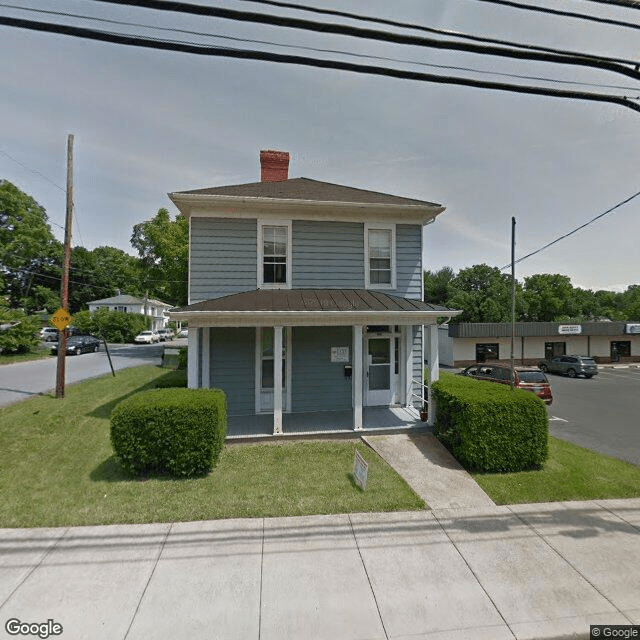
1023 North Augusta Street, Staunton, VA 24401
To contact a resident: (540) 213-7770
For more information about senior living options: (866) 208-4318
Care Advantage of Staunton, VA Costs & Pricing
Care Advantage of Staunton, VA offers competitive pricing for its private room accommodations at $4,500 per month. This cost is notably lower than the average rate in Staunton city, which stands at $6,360, providing a significant financial advantage for families seeking quality care in a community setting. When compared to the broader state average of $4,684 in Virginia, Care Advantage remains attractively priced, making it a compelling option for those looking for reliable care solutions without compromising on quality. Overall, these cost comparisons highlight Care Advantage's commitment to accessible and affordable care in the region.
| Floor plans | Care Advantage of Staunton, VA | Staunton city | Virginia |
|---|---|---|---|
| Private | $4,500 | $6,360 | $4,684 |
Senior living communities with a similar price nearby
-
from +$850 / mo

Regency at Augusta
$5,350 to $6,250 / month6.6 miles away -
from -$305 / mo
Brookdale Harrisonburg
$4,195 to $5,870 / month22.4 miles away -
from -$705 / mo

English Meadows
$3,795 to $4,995 / month21.3 miles away -
from +$300 / mo

Bellaire at Stone Port
$4,800 to $7,000 / month22.8 miles away -
from +$185 / mo

The Retreat at Fishersville
$4,685 to $6,700 / month0.0 miles away
Overall Review of Care Advantage of Staunton, VA
Pros
 Care Advantage has been absolutely wonderful.
- Their team is professional, compassionate, and truly dedicated to providing quality care.
- The staff at CareAdvantage are very pleasant and friendly.
- Care Advantage takes really good care of its clients, with aides who feel like family.
- The office staff are very helpful, encouraging, and responsive to questions.
- Scheduling with Care Advantage is easy and flexible.
Cons
 Management will put you in very dangerous situations and have no regard for your safety.
- Staff does not get any information on clients before going into the home.
- The nurse dismisses any concerns for the patients.
- Management also will show no remorse if a patient passes away.
- They definitely need to highly consider a career change.
Review
Care Advantage of Staunton, VA is best suited for families seeking reliable, in-home personal care delivered with warmth and a clearly human touch. The caregivers are repeatedly described as friendly and like family, and clients receive attentive, hands-on support that keeps daily routines intact in the familiar surroundings of home. Scheduling is consistently praised as smooth and flexible, while office staff are noted for accessibility and practical help. For families prioritizing a home-based model where the interpersonal dimension of care matters as much as the mechanics of service, this provider offers a dependable, reassuring option backed by a caregiving staff that shows up consistently and with genuine concern.
At the same time, certain families will want to consider alternatives, especially those with demanding safety or clinical oversight needs. Several reviewers flag significant management concerns, including reports of dangerous situations and a lack of background information provided to staff entering homes. Concerns about a nurse dismissing patient worries and management showing little remorse after a adverse outcomes are highlighted as troubling patterns. These points matter because they reflect governance and safety practices that can affect risk tolerance. If governance, risk management, and transparent communication are non-negotiable, it may be prudent to explore other agencies with stronger track records in incident management and client safety.
The strongest positives, professionalism, compassion, and a truly dedicated care team, do offset some risk by creating a consistently positive on-the-ground experience. When aides are described as caring “like family,” and when clients feel well-supported day in and day out, the practical benefits are tangible: reduced caregiver turnover, stable routines, and a sense of relief for families knowing someone who treats their loved one with respect is present in the home. The office staff’s responsiveness and the ease of scheduling reinforce continuity of care, reinforcing trust between families and caregivers. These elements can significantly improve quality of life for clients who value dependable, personable assistance.
Yet the main safety-related criticisms cannot be dismissed. The absence of thorough client-background sharing with entering staff, coupled with reports of a nurse dismissing concerns, creates genuine risk that important medical or behavioral cues may be overlooked. Management’s perceived lack of remorse in serious incidents fuels unease and undermines confidence in the overall safety framework. For families weighing options, these dynamics translate into a clear trade-off: the human warmth and reliability of frontline care versus the clarity, promptness, and accountability of leadership. The decision hinges on one’s tolerance for potential gaps in risk oversight.
To move from impression to informed choice, prospective clients should push for concrete assurances. Ask how caregiver assignments are matched to client needs, what onboarding information is provided to staff, and who oversees patient safety protocols on a daily basis. Inquire about escalation paths for concerns, incident reporting history, and whether a designated supervisor is readily reachable during a shift. Request recent examples of proactive problem resolution and a written outline of emergency procedures, medication handling, and care plans. A tour with current clients or family members can reveal how well the bedside experience aligns with the promised standards when management and frontline teams interact in real time.
In the end, Care Advantage of Staunton stands out for families who prize compassionate, consistent in-home care delivered by a team that feels like an extended family. The very strengths, rapport with clients, flexible scheduling, and a supportive office culture, make day-to-day living easier and more dignified. However, the caveats around safety governance and management responsiveness insist on careful due diligence. If risk management and transparent leadership are non-negotiable, consider alternatives that demonstrate stronger, more visible accountability. For families willing to foreground warmth and reliability while negotiating the unknowns in oversight, this provider remains a viable, often superior option worth pursuing with targeted questions and protections in place.
 Shenandoah Valley Regional (13 miles away)







 Comprehensive Insights into Palliative Home Care: What It Is and What to Expect
 Skilled Nursing Facilities vs. Nursing Homes: Making Sense of the Differences
 A Detailed Examination of Nursing Home Costs Across the U.S.