Commonwealth Senior Living at Churchland House Costs & Pricing
Commonwealth Senior Living at Churchland House offers competitive pricing for its residents while maintaining a high standard of care and comfort. For a studio room, the monthly cost is $4,050, which is higher than the average in Portsmouth city at $3,267 but lower than the Virginia state average of $4,436. The semi-private rooms are priced similarly at $4,050, again exceeding Portsmouth's average of $3,643 but remaining below the state average of $3,991. For those seeking more space with a one-bedroom option, the cost rises to $5,190, significantly surpassing both local and state averages - $3,986 in Portsmouth and $4,257 in Virginia. These rates reflect not only the quality of amenities and services provided at Churchland House but also position it as a premium choice for seniors seeking supportive living arrangements in a welcoming environment.
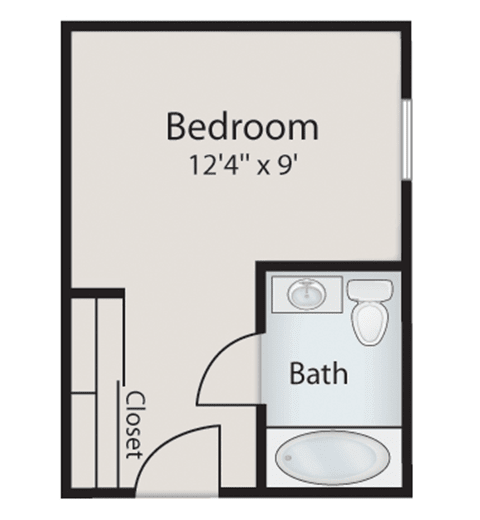
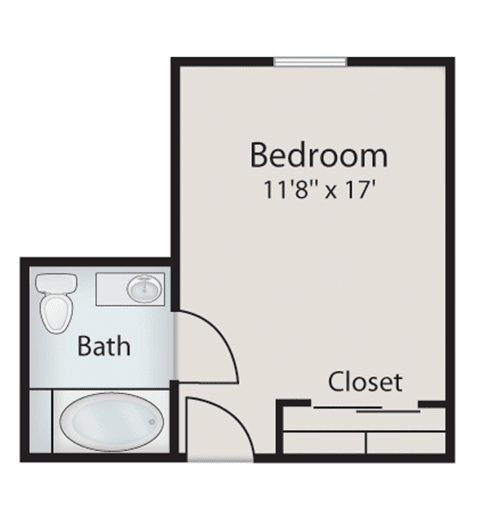
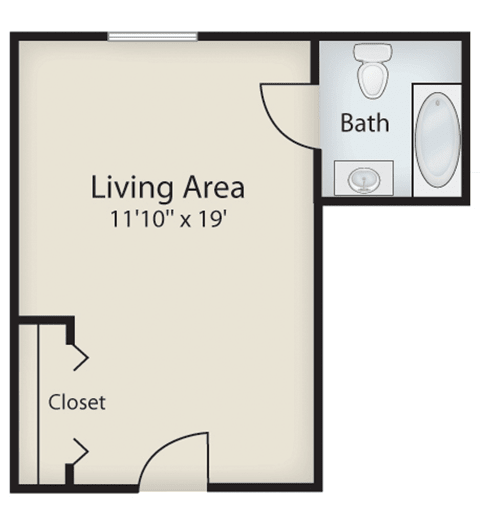
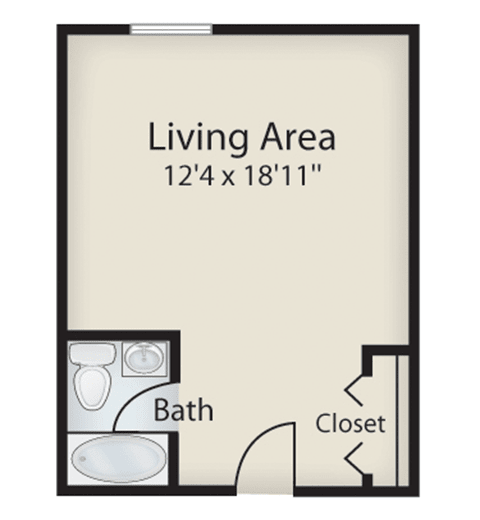
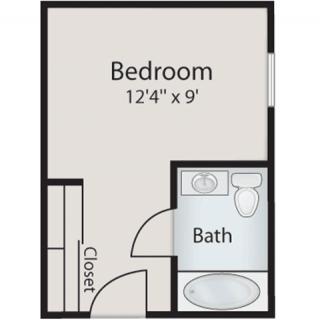
Floor plans
Commonwealth Senior Living at Churchland House
Portsmouth city
Virginia
Studio
$4,050
$3,267
$4,436
Semi-Private
$4,050
$3,643
$3,991
1 Bedroom
$5,190
$3,986
$4,257
Memory care communities with a similar price nearby
Overall Review of Commonwealth Senior Living at Churchland House
common
Staff care comes through
Residents and families repeatedly describe staff as caring and responsive.
Many reviewers say the team treats residents with compassion and patience, and that staff members are attentive to day-to-day needs. Several comments also highlight specific leadership involvement and a hands-on, resident-focused approach during care situations or transitions. A few reviewers disagree, describing moments when they felt staff communication or responsiveness fell short, but the overall theme is strong.
common
Cleanliness and upkeep stand out
Reviewers consistently mention a clean, well-kept facility.
Cleanliness is a frequent point in the reviews, with many people describing the building and rooms as neat, fresh, and maintained. Some reviewers also reference updates or a generally welcoming, home-like environment alongside housekeeping attention. A minority of comments raise cleanliness concerns, including specific room or carpet issues, suggesting the experience can vary by circumstance.
common
Dining earns consistent praise
Dining is a commonly praised part of the experience.
Multiple reviewers describe meals as tasty, enjoyable, and well-prepared, including times when they specifically praised kitchen and dining staff. Others mention the dining room experience as pleasant, and some describe flexibility such as eating together versus in-room options. While dining is usually positive, a small number of comments note concerns about food preferences or consistency.
common
Activities keep residents engaged
Residents are kept involved with frequent activities.
Reviewers frequently say there are enough activities to keep residents engaged, including scheduled daily programming and community events. Some comments also mention religious programs, games, and outings, with families observing residents staying busy and social. A few reviewers express the schedule was not as strong as expected, but engagement is still a common theme overall.
caveat
Pricing can feel expensive
Pricing is often described as higher than some families expected.
Reviewers mention cost directly in a few places, including one comment that explicitly points out it is expensive. The listed pricing range supports the idea that this community sits above typical local and, for some unit types, above state benchmarks. Even among generally positive reviews, the cost shows up as a consideration when comparing fit and affordability.
caveat
Care consistency is a concern
A recurring concern involves care coverage and consistency.
While many reviewers describe residents being safe, supported, and well cared for, a smaller set raise serious concerns about care execution and follow-through. Comments include issues such as staffing not being sufficient for the number of residents at certain times, medication handling concerns, and communication gaps with families after problems. Taken together with the positive caregiving feedback, these reviews suggest quality may depend on staffing levels and individual situations.
How we summarize
We summarize when many written reviews mention each theme; a review can touch several themes, and only frequently mentioned themes are displayed.
Features
Housing
80 resident community capacity
Studio apartments
Types of Care
Assisted Living
Memory Care
Pets
Cats allowed
Dogs allowed
Amenities
Activities off-site
Activities on-site
Air-conditioning
Bath tubs
Beautician on-site
Beauty salon
Cable or satellite TV
Computer center
Devotional services off-site
Devotional services on-site
Dining room
Financing advice
Fitness room
Fully furnished
Gaming room
Garden
Ground floor units
Guasts at mealtime
Guest parking
Handicap accessible
Housekeeping services
Indoor common areas
Kitchenette
Laundry
Move-in coordination
Outdoor common areas
Outdoor space
Overnight guests
Party space
Pet friendly
Private bathrooms
Private cleaning services
Resident parking
Respite or short term stays offered
Restaurant-style dining
Small library
TV room
Telephone
Wellness center
Wheelchair accessible showers
Wi-Fi/high-speed internet available
Transportation
Norfolk International (10 miles away)
Newport News Williamsburg International (19 miles away)
Community operated transportation
Transportation & parking
Transportation arrangement
Transportation arrangement (non-medical)
Transportation to doctors appointments
Care Services
12-16 hour nursing
24-hour call system
24-hour supervision
Activities of daily living assistance
Assistance with bathing
Assistance with dressing
Assistance with transfers
Coordination with health care providers
Dementia waiver
Diabetes diet
Diabetic care
Hospice waiver
Incontinence care
Meal preparation and service
Medication management
Mental wellness program
Mild cognitive impairment
Special dietary restrictions
Specialized memory care programming
Transportation arrangement (medical)
Transportation to doctors appointments
Dining
Anytime dining
Diabetes diet
Guest meals
Low / no sodium
Meals provided
No Sugar
Restaurant style dining
Room service
Special dietary restrictions
Special dining programs
Activities
Activities off-site
Art classes
Arts and crafts
Community-sponsored activities
Concierge services
Cooking classes
Day trips and outings
Devotional activities offsite
Devotional activities on-site
Educational speakers / life long learning
Fitness programs
Games
Happy hour
Karaoke
Live dance or theater performances
Live musical performances
Live well programs
Planned day trips
Religious services
Resident-run activities
Scheduled daily activities
Stories
Languages Spoken
English
Nearby Places of Interest
This part of Portsmouth, Virginia offers a convenient and diverse array of amenities for seniors looking to move into the area. With several pharmacies within a short distance, accessing necessary medications and healthcare supplies is easy. There are also multiple dining options nearby, ranging from fast food to sit-down restaurants, providing plenty of choices for meals. Medical care is readily available with various physician offices and hospitals in close proximity. For those looking to enjoy the outdoors, there are several parks in the area providing opportunities for leisurely walks or picnics. Additionally, there are places of worship nearby for spiritual needs and cafes for socializing over coffee or a light meal. The transportation options include The Tide MacArthur Square Station, offering easy access to public transit for exploring the surrounding area. This neighborhood provides a well-rounded environment for seniors seeking convenience and comfort in their daily living.
Commonwealth Senior Living at Churchland House offers competitive pricing for its residents while maintaining a high standard of care and comfort. For a studio room, the monthly cost is $4,050, which is higher than the average in Portsmouth city at $3,267 but lower than the Virginia state average of $4,436. The semi-private rooms are priced similarly at $4,050, again exceeding Portsmouth's average of $3,643 but remaining below the state average of $3,991. For those seeking more space with a one-bedroom option, the cost rises to $5,190, significantly surpassing both local and state averages - $3,986 in Portsmouth and $4,257 in Virginia. These rates reflect not only the quality of amenities and services provided at Churchland House but also position it as a premium choice for seniors seeking supportive living arrangements in a welcoming environment.
Commonwealth Senior Living at Churchland House offers a comprehensive suite of features designed to enhance the quality of life for residents with dementia or Alzheimer's disease. The 24-hour supervision ensures that residents are always monitored, providing reassurance and immediate assistance when needed. Activities of daily living assistance, including help with bathing, dressing, and transfers, allows residents to maintain dignity while receiving the necessary support for their personal care. Coordination with healthcare providers and medication management ensures that medical needs are met efficiently and safely, while the dementia waiver accommodates specific care requirements. Incontinence care, along with tailored meal preparation and service, addresses essential health and nutrition needs while promoting comfort. The mental wellness program and specialized memory care programming engage residents cognitively and emotionally, fostering a sense of purpose. Additionally, transportation arrangements for medical appointments facilitate access to necessary health services, ensuring that every aspect of a resident's well-being is thoughtfully supported in a nurturing environment.
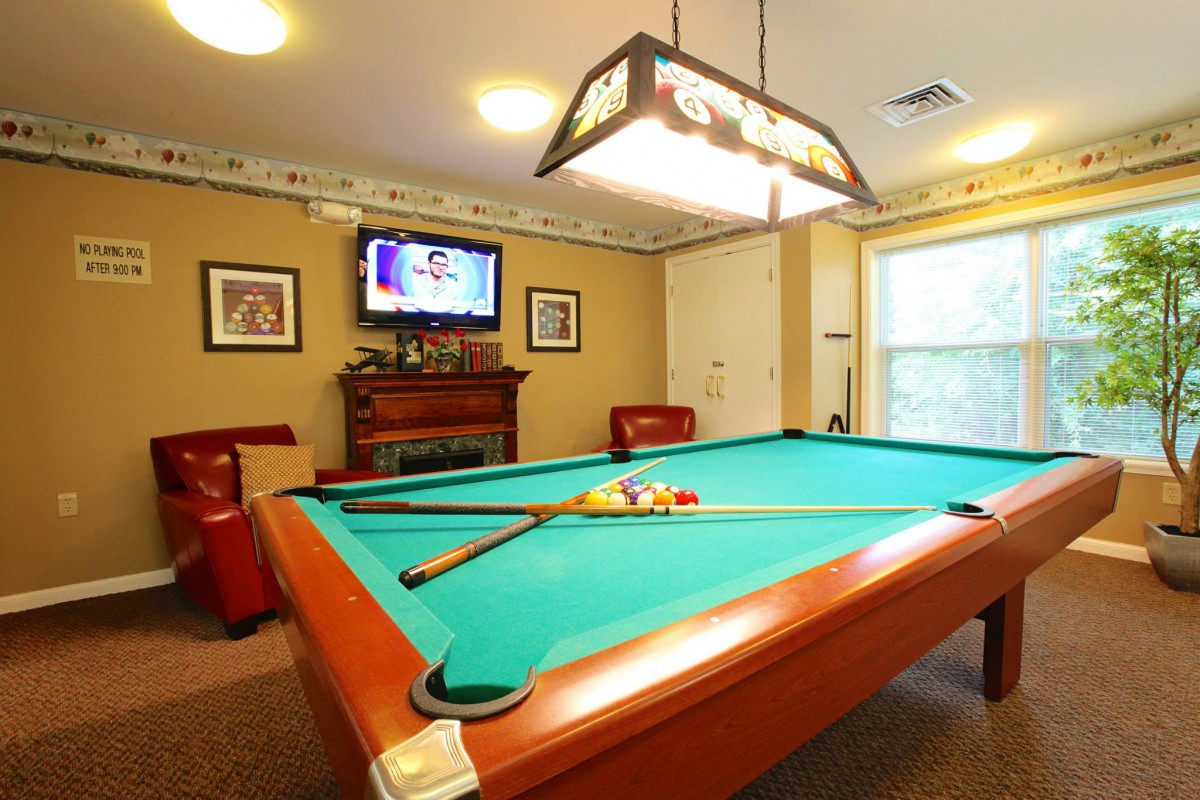
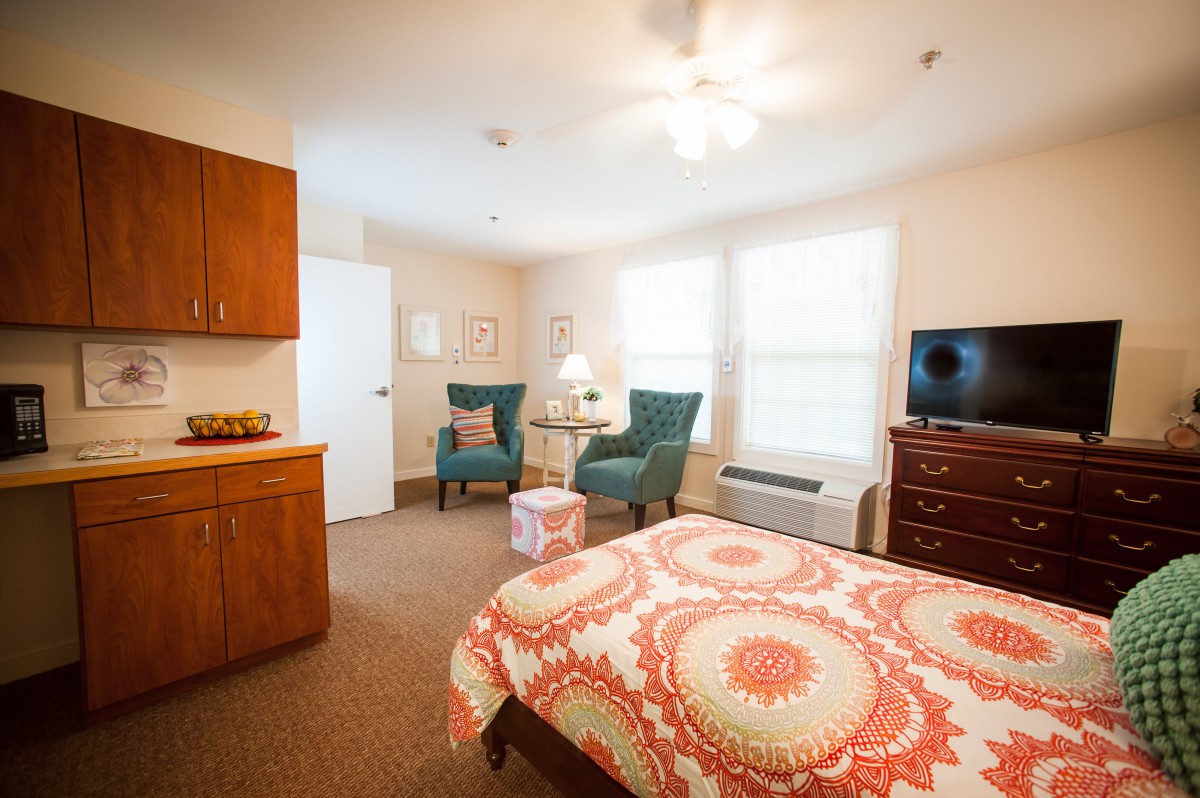
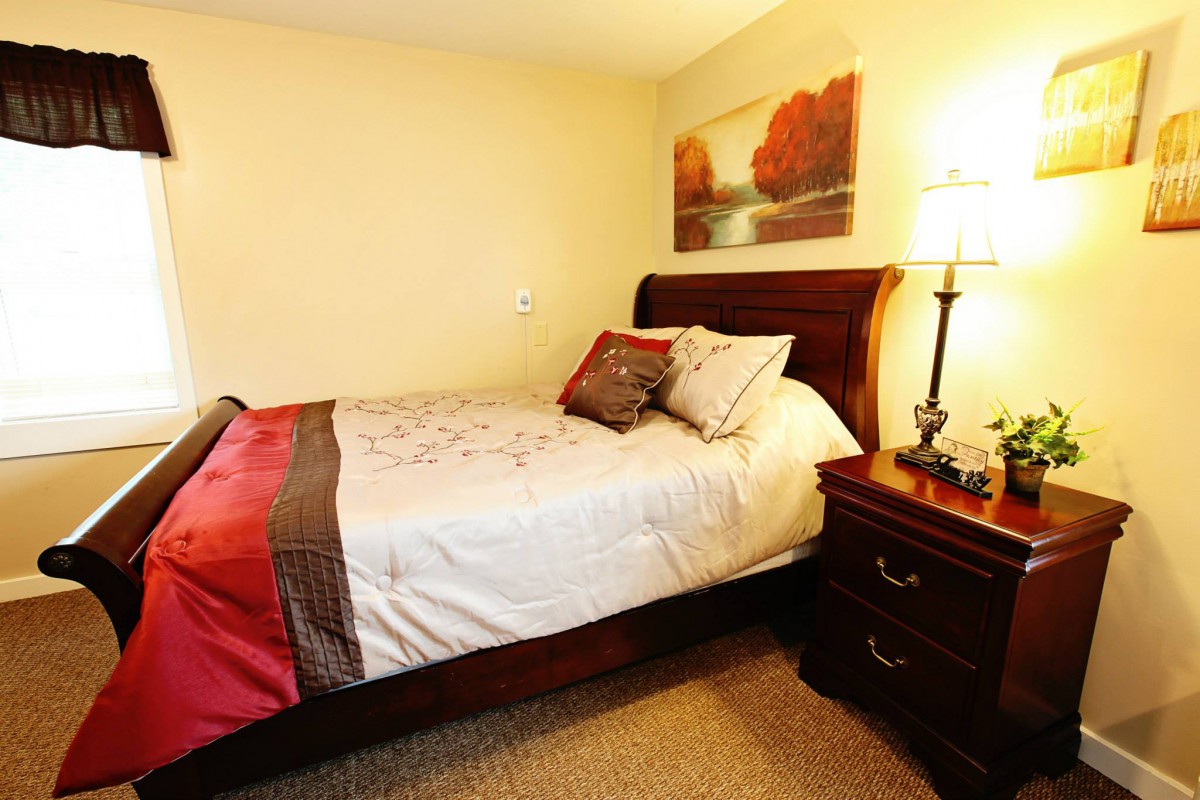
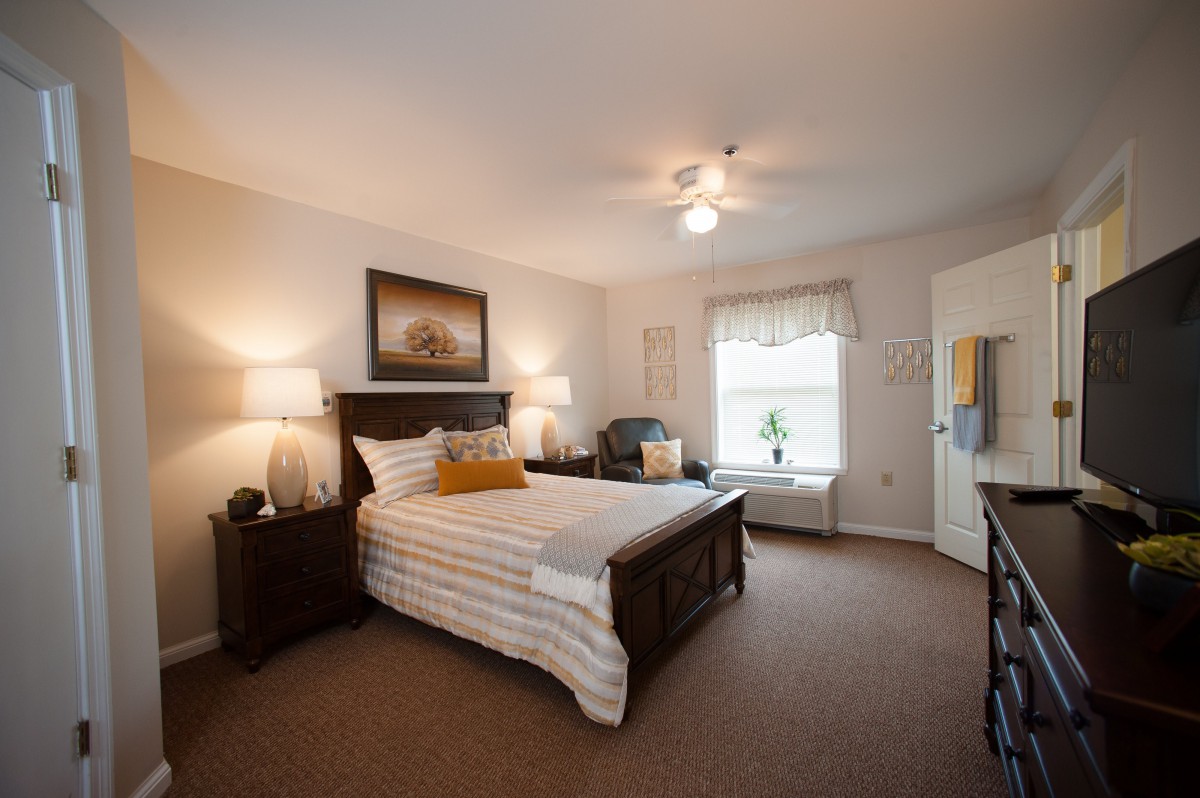
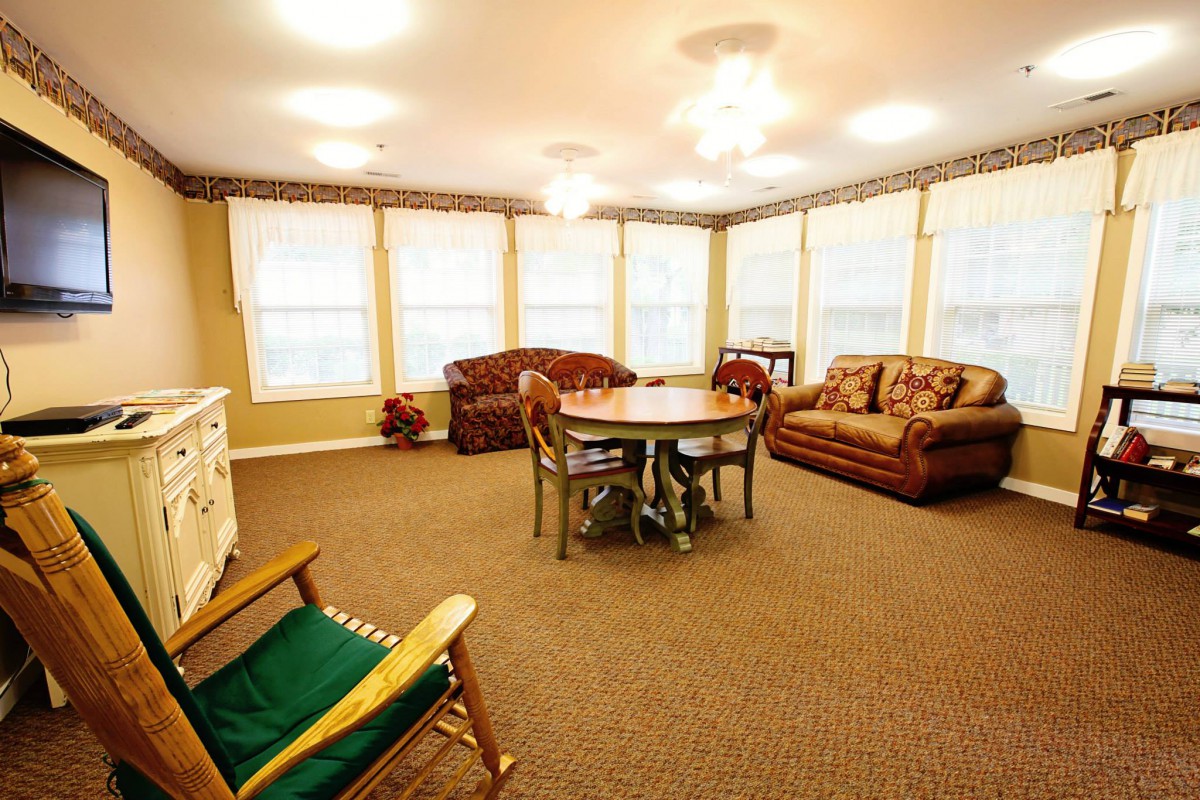
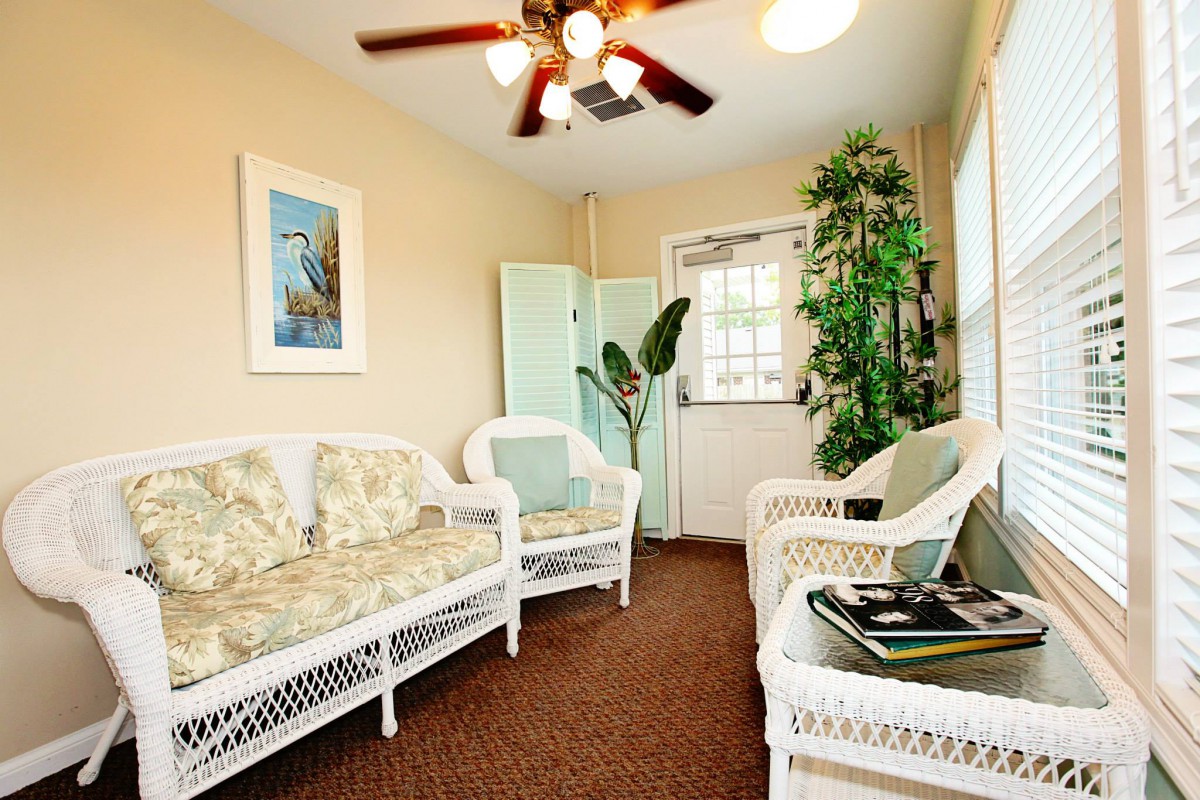
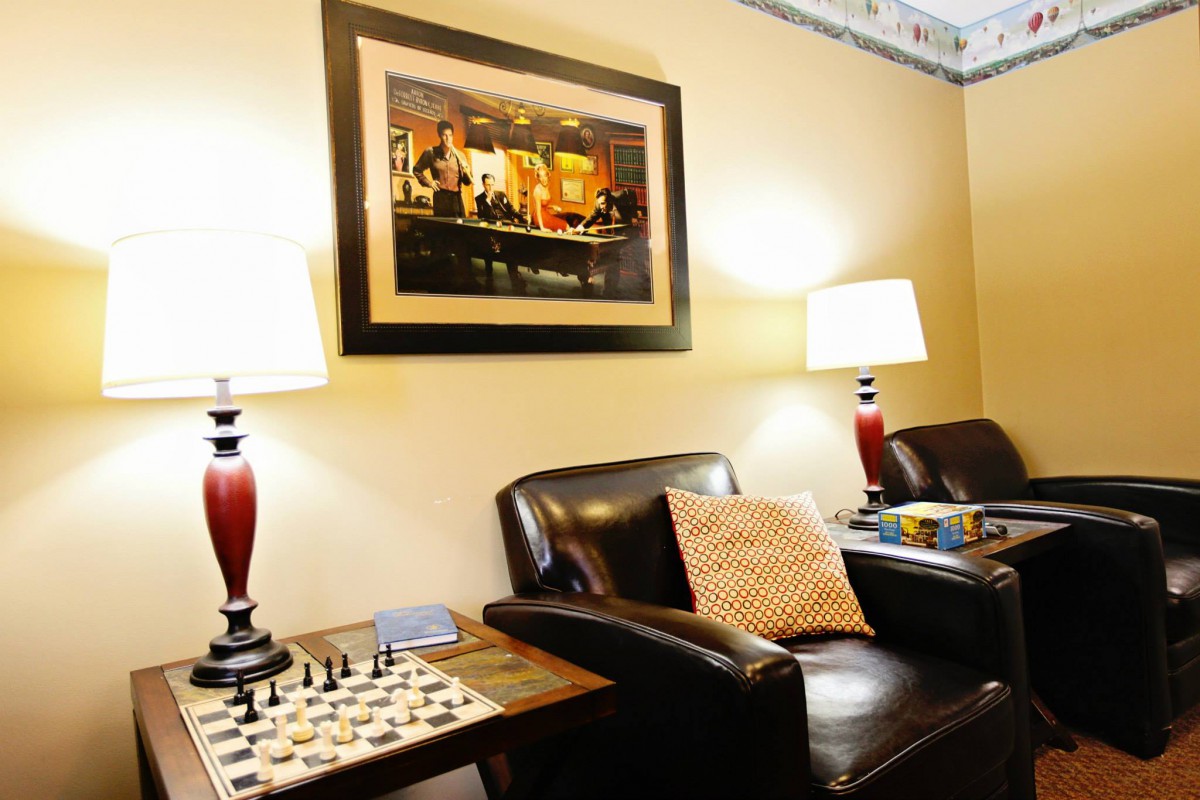
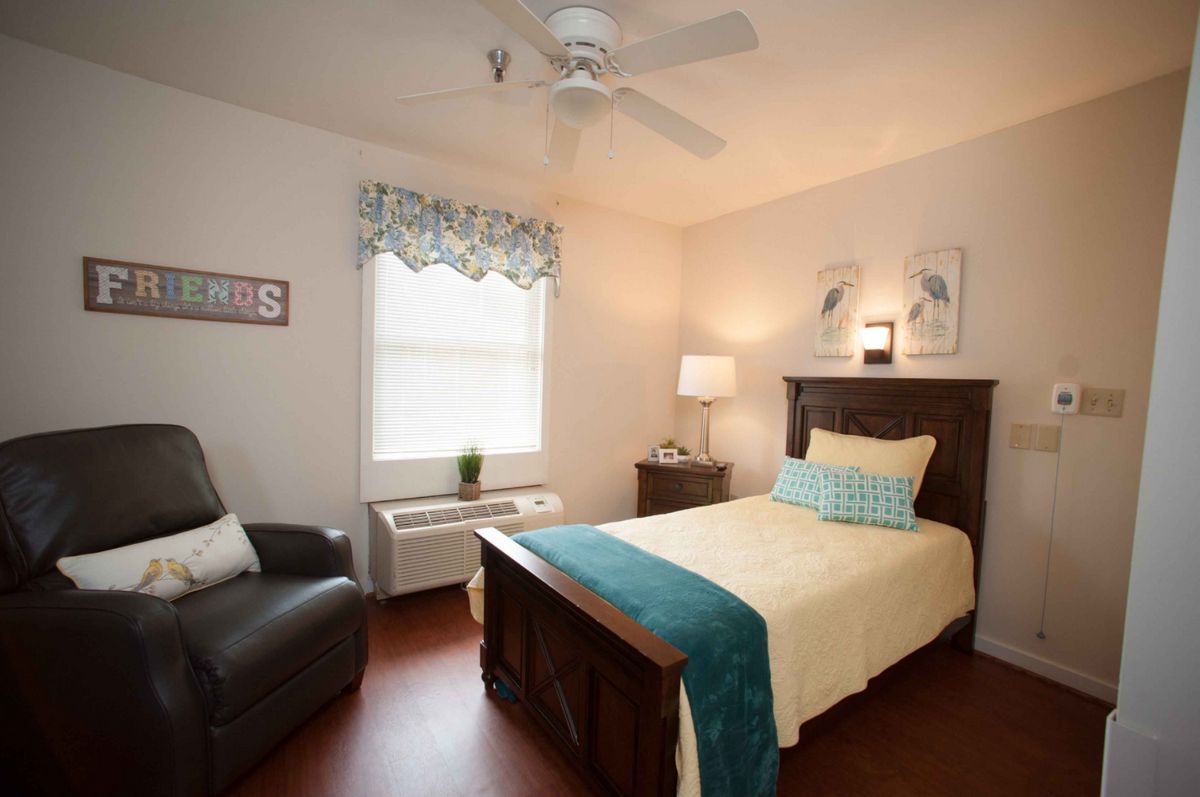
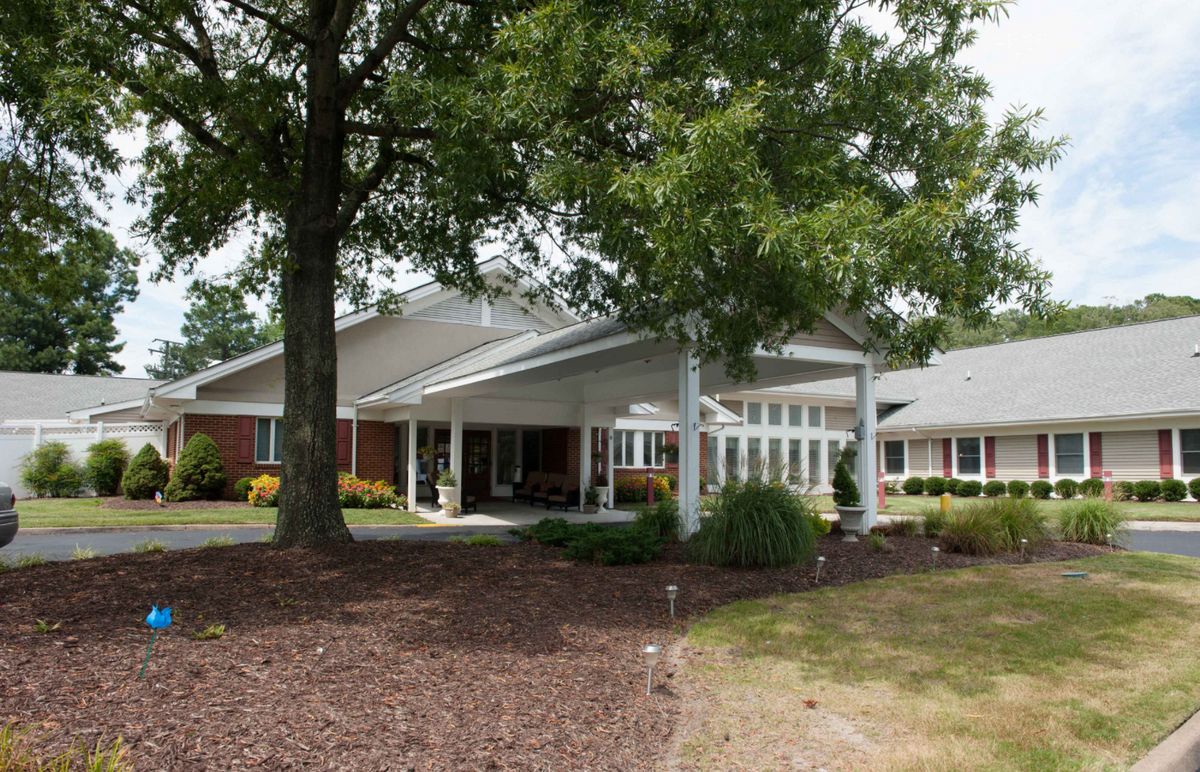
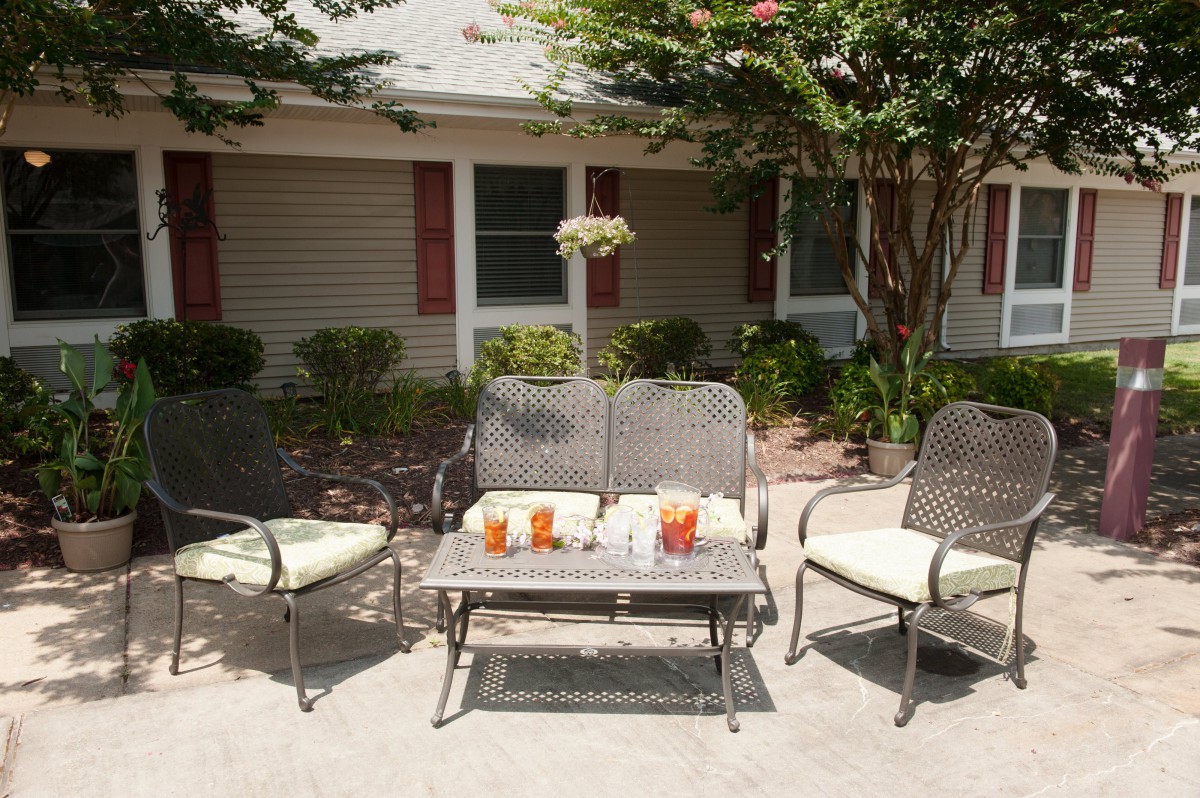
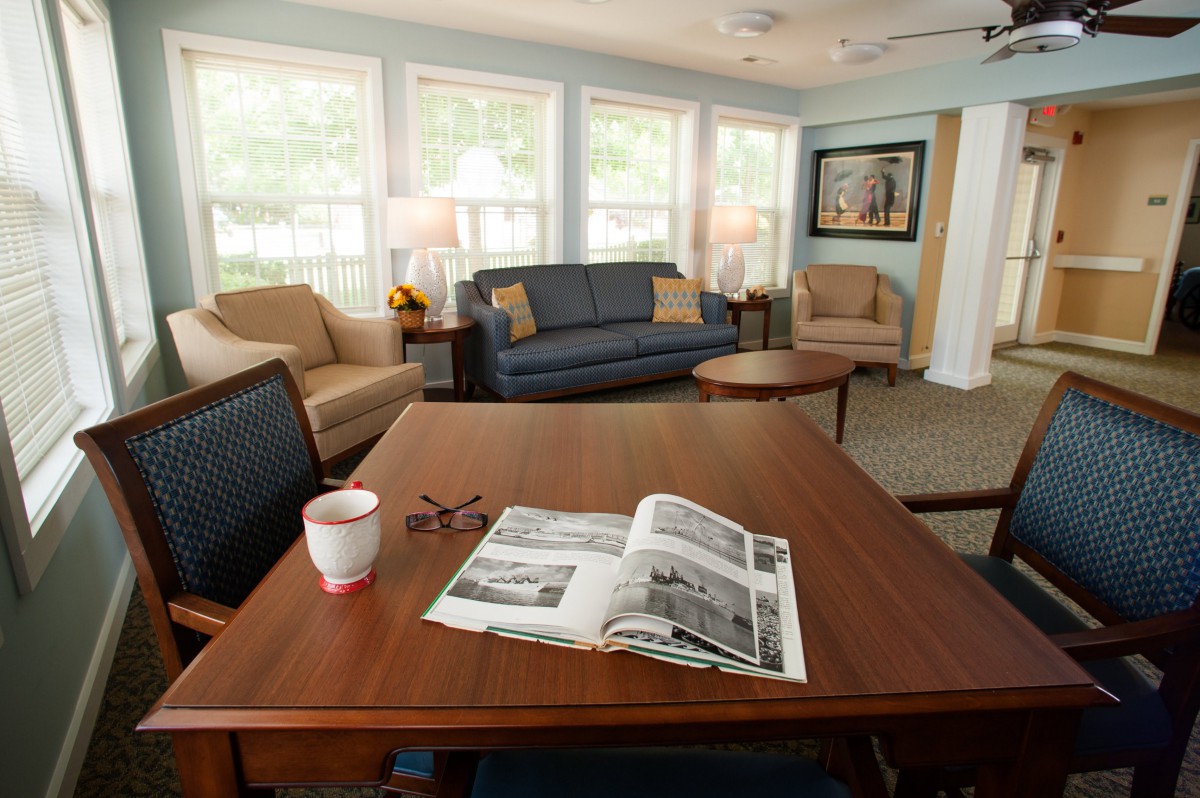
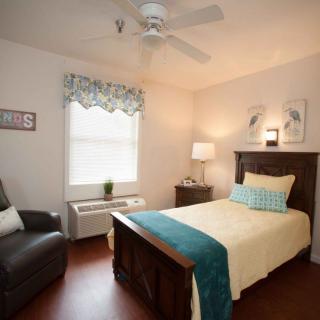
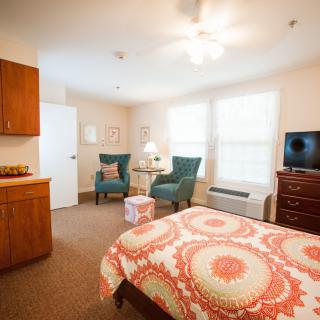
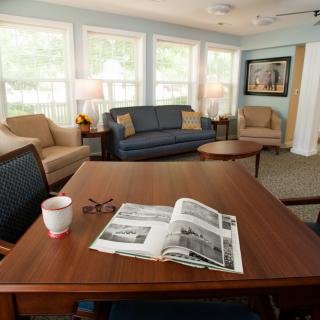
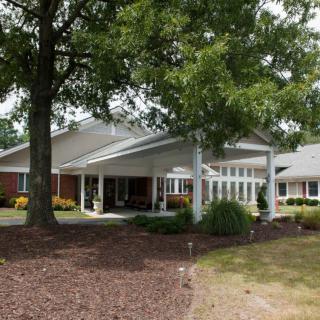
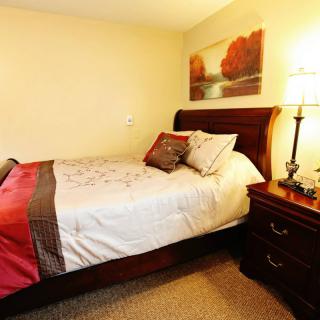
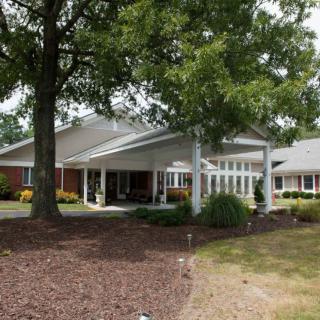
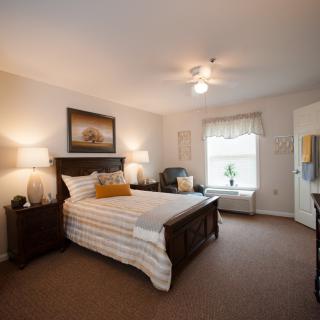
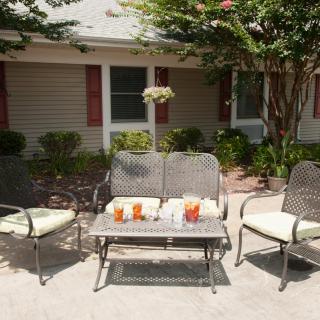
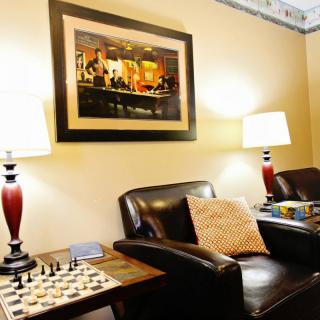
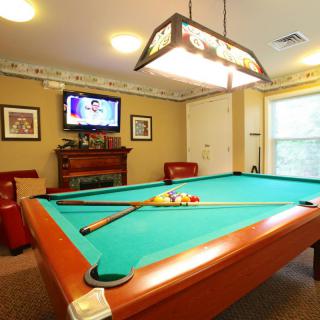
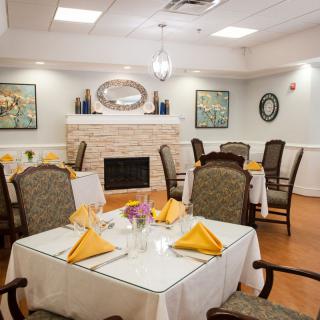
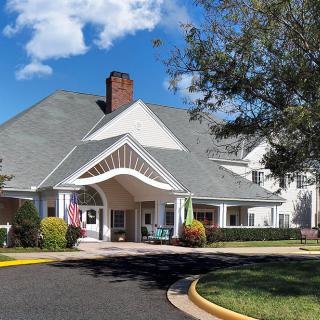
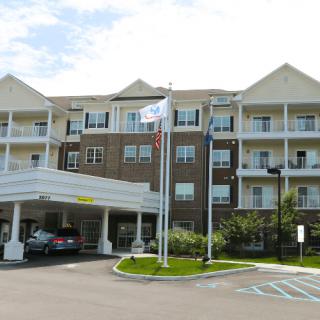
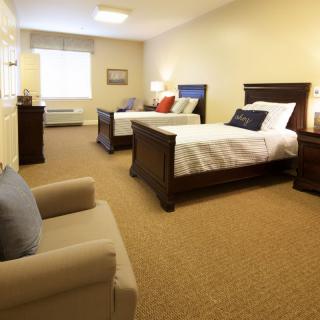
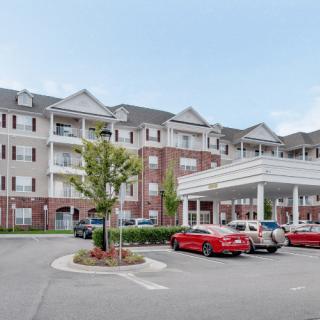
Commonwealth Senior Living at Churchland House on seniors.fyi includes 18 photos including images showing bedroom, floor plan, interior, windows, decor, living room, bathroom, landscaping, and more.
Nearby Communities
Irene's Home Health Care
Portsmouth, VA
1.5 from 2 reviews
Promised value of service with willingness to provide caregiver training.
Province Place Maryview
Portsmouth, VA
3.7 from 38 reviews
$3,050 to $5,800 / month
Friendly staff and engaging activities create a warm, community-like atmosphere.
Affordable Care
Portsmouth, VA
2 from 2 reviews
Friendly staff noted; some value offered.
The Commons at Churchland
Chesapeake, VA
3.8 from 36 reviews
$720 / month
Affordable two-bedroom units with convenient transit access and nearby amenities.
Emily Green Shores
Portsmouth, VA
4.3 from 42 reviews
$2,118 to $2,569 / month
Warm, family-like atmosphere with attentive staff.
Bon Secours-Maryview Nursing Center
Suffolk, VA
2 from 14 reviews
Clean, professional environment with positive rehab and staff feedback.
Autumn Care Of Portsmouth
Portsmouth, VA
3.7 from 83 reviews
Caring staff, clean rehab areas, and good meals.
Harmony at Harbour View
Suffolk, VA
4.2 from 120 reviews
$3,220 to $5,660 / month
Beautiful, clean, and well-appointed community with attentive staff and engaging activities.
Signature Healthcare Of Norfolk
Norfolk, VA
3.5 from 94 reviews
$3,510 to $4,230 / month
Strong rehab/therapy and a bright, welcoming environment.
The content outlines five key early indicators of dementia, including significant memory loss and confusion about time and place, while emphasizing the need for professional evaluation and emotional support for both individuals showing symptoms and their caregivers. It encourages family members to monitor these signs closely and use online quizzes for initial awareness.
The article highlights eight indicators that a loved one with dementia may require specialized memory care, emphasizing the emotional and logistical challenges families encounter in this decision. It discusses signs such as difficulties with daily tasks, safety concerns, and caregiver burnout, suggesting that memory care facilities can provide the necessary support and structured environments for those experiencing cognitive decline.
Dementia, primarily caused by Alzheimer's disease but also linked to other conditions, leads to cognitive decline impacting memory and daily functioning, with individuals experiencing varied awareness of their impairments. Despite memory loss, emotional connections persist, enabling responses to familiar stimuli, highlighting the need for caregivers to provide compassionate support that recognizes both limitations and retained emotional depth.
Commonwealth Senior Living at Churchland House photos
×
Interior
Decor
Living Room
Building
Bedroom
Trees
Windows
Landscaping
Floor Plan
Wall Art
Game Room
Interior
Decor
Bedroom
Living Room
Landscaping
Windows
Floor Plan and Bathroom
Building and Trees
Architecture
Garden, Patio, and Outdoor Furniture
Television
Entrance and Pathway
Wall Art and Interior Decor
Painting
Billiards, Game Room, and Recreation
Studio Apartment and Living Area
Closet
Get PricingAsk A QuestionSchedule A TourContact Senior Advisor
By clicking submit, you agree to our Partner's Terms of Use. You
also consent to receive calls and texts, which may be autodialed, from our Partner. Your consent is not a condition to
using our Partner's service. Please visit our Partner's Privacy Policy for information about their privacy practices.



 80 resident community capacity
 Studio apartments
 Assisted Living
 Memory Care
 Cats allowed
 Dogs allowed
 Activities off-site
 Air-conditioning
 Bath tubs
 Beautician on-site
 Cable or satellite TV
 Computer center
 Devotional services off-site
 Dining room
 Financing advice
 Fitness room
 Fully furnished
 Gaming room
 Garden
 Ground floor units
 Guest parking
 Handicap accessible
 Housekeeping services
 Indoor common areas
 Kitchenette
 Laundry
 Move-in coordination
 Outdoor common areas
 Overnight guests
 Party space
 Pet friendly
 Private bathrooms
 Respite or short term stays offered
 Restaurant-style dining
 Small library
 Telephone
 Wellness center
 Wheelchair accessible showers
 Wi-Fi/high-speed internet available
 Norfolk International (10 miles away)
 Community operated transportation
 12-16 hour nursing
 24-hour call system
 Assistance with bathing
 Assistance with dressing
 Assistance with transfers
 Diabetes diet
 Diabetic care
 Hospice waiver
 Incontinence care
 Medication management
 Mental wellness program
 Special dietary restrictions
 Transportation arrangement (medical)
 Art classes
 Concierge services
 Cooking classes
 Day trips and outings
 Educational speakers / life long learning
 Games
Games Happy hour
 Karaoke
 Live dance or theater performances
 Live musical performances
 Stories
 English
 Promised value of service with willingness to provide caregiver training.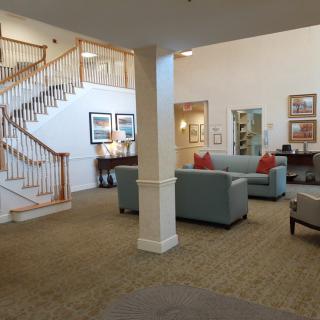

 5 Early Indicators of Dementia and What You Can Do
 8 Important Indicators That Memory Care May Be Necessary
 Delving into the Inner World of Dementia: Insights into Thoughts and Awareness