
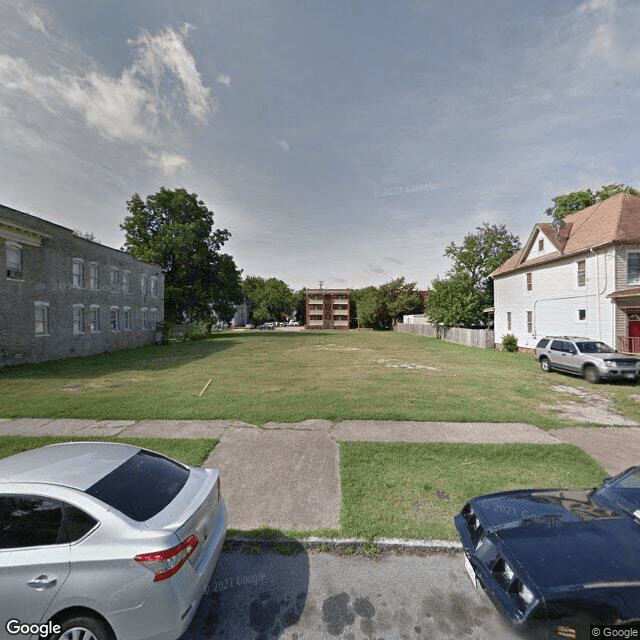
419 W 28th St, Norfolk, VA 23508
To contact a resident: (757) 622-4363
For more information about senior living options: (866) 208-4318
Overall Review of Richardson Adult Care
Cons
 The reviewer warns readers not to let these people into their home.
- The reviewer would give this office and staff less than one star.
- Imani, the receptionist, is described as not taking good notes and forgetting when it’s convenient for herself.
- An appointment for the reviewer’s mother was scheduled without input and at a time they were unavailable.
- The assistant allegedly scheduled the appointment, and the next available slot (9/6/2022) would be too long given the matter.
- Julie Jones NP arrived at 8:15 a.m., the scheduled time, after the reviewer had not answered calls for 48 hours.
- Julie Jones is said to not think clearly, needs more training, and should not be making decisions on her own.
- Imani needs more training and better note-taking.
- The welfare check involved entry into the home; the reviewer states Julie Jones invaded their home and their family’s privacy.
Review
Richardson Adult Care in Norfolk is best suited for families that prize direct nurse-practitioner involvement in in-home care and can tolerate significant administrative rough edges. The central appeal is access to an NP for medical assessments and welfare checks without requiring the elder to travel to a clinic. For some households, especially where mobility is limited or transportation is a barrier, that in-home medical oversight could be important. However, the overall value is undermined by documented administrative lapses and concerns about professional boundaries, which can transform a potentially helpful service into a source of ongoing stress for the family.
Those weighing alternatives should consider whether a provider with more ironclad scheduling discipline and stricter boundaries around home entries would better fit the family’s risk tolerance. If dependable appointment coordination, clear consent for visits, and careful note-taking are non-negotiable, other agencies with proven governance and stronger administrative controls deserve serious consideration. For families seeking a consistent, error-free process and assurances about privacy and control over who enters the home, Richardson Adult Care may not meet that baseline.
The core benefit, in-home medical oversight by a nurse practitioner, still matters in theory, but the practical reality here is that the pros do not meaningfully offset the main drawbacks. The NP’s involvement can simplify care coordination and timely medical input, yet that advantage is dramatically diminished when scheduling decisions are made without input, when notes are not reliably captured, and when the family experiences unanticipated contact. In short, the presence of a medical professional at home does not compensate for the erosion of trust caused by administrative missteps.
The most troubling elements anchor the decision: an office administrator described as forgetful about notes, and a nurse practitioner whose independent actions, according to the reviewer, crossed professional boundaries. A scheduled visit reportedly appeared at the home at an hour that did not align with the family’s availability, and a welfare check occurred without consent or timely communication. Beyond scheduling confusion, there is a claim of privacy invasion and property damage linked to the encounter. Taken together, these incidents point to a pattern of miscommunication and boundary overreach that casts serious doubt on the reliability and safety of the service model in place.
For families facing this choice, the practical lesson is clear: confirm how visits are scheduled, who authorizes home entry, and how privacy is protected before committing. Demand explicit written consent processes, transparent appointment protocols, and a documented chain of command for any in-home activity. Consider asking nearby peers or trusted agencies for comparable services with established track records in administrative discipline and privacy safeguards. If the primary need is stable governance and unambiguous boundaries around in-home care, Richardson Adult Care should be weighed against options with stronger reputations for reliability and professional conduct.
In summary, Richardson Adult Care is not a universal fit for all seniors requiring in-home support. It may still serve a narrow segment that prioritizes nurse-led home evaluations, but the decision hinges on tolerance for administrative chaos and potential privacy risks. Families should proceed only if the anticipated benefits of in-home NP access clearly outweigh the documented concerns about scheduling, note-keeping, and boundary propriety. For most households prioritizing predictable operations and a firmer privacy framework, exploring alternatives with proven governance and consistent execution is the prudent path.
 Assisted Living
 Activities on-site
 Devotional services off-site
 Indoor common areas
 Norfolk International (5 miles away)
 Ambulatory care
 Diabetic care
 Meals provided
 Consistent, compassionate in-home care with a dedicated nurse.






 Social Security Benefits and Assisted Living: Navigating Options Across the U.S.
 An Extensive Exploration of the VA Aid and Attendance Benefit
 Senior Transition Services: Understanding Their Role, Cost, and Importance