Nehemiah Assisted Living Facility is an assisted living community in Hampton, VA.
Information last verified:
105 Watkins Drive, Hampton, VA 23669
For more information about senior living options: (866) 208-4318
3.4 from 23 reviews
5 stars
13
4 stars
0
3 stars
1
2 stars
1
1 stars
8
Overall Review of Nehemiah Assisted Living Facility
common11 reviews mention this
Staff helpfulness and responsiveness
Residents and families describe staff who are friendly, attentive, and responsive.
Multiple reviews emphasize staff that is friendly and patient, answering questions and following through when challenges come up. Several residents and visitors also describe day-to-day interactions as caring and involved. A few reviews go further, saying communication with residents is strong and that the staff takes time to listen.
common6 reviews mention this
Cleanliness and odor control
Many reviews mention a clean, well-kept environment.
Several reviews praise clean rooms and an overall space that feels orderly. Some reviewers specifically mention the facility having no unpleasant odors, and others point to clean common areas and reduced clutter. Taken alongside residents who mention comfort with the day-to-day setting, cleanliness appears to be a meaningful strength for many families.
common4 reviews mention this
House activities and social options
Residents and visitors describe plenty of activities on site.
A handful of reviews highlight on-site activities and programs for residents who want to get out. Some reviewers mention an activities focus inside the community, including spaces used for social time. Others connect satisfaction to how those activity options fit residents’ everyday lives.
caveat2 reviews mention this
Bed bugs and roach complaints
Some reviewers report serious pest problems that were not resolved.
At least two reviews allege infestations, including bed bugs and roaches, with concerns that the problems persisted. These reports also include broader cleanliness and environmental complaints, making this theme stand out as a major concern for those reviewers.
caveat3 reviews mention this
Condition and maintenance concerns
Some reviews question the facility’s upkeep and stated condition.
A few reviews describe maintenance and condition issues such as broken or incomplete repairs and mismatches between promotional images and what people saw in person. Other comments also mention problems with the physical environment that affected confidence in the facility’s overall presentation.
How we summarize
Counts show how many written reviews mention each theme; a review can touch several themes, and only frequently mentioned themes are displayed.
Features
Housing
6 resident community capacity
Types of Care
Assisted Living
Board and Care Home
Amenities
Cable or satellite TV
Dining room
Fully furnished
Garden
Housekeeping services
Move-in coordination
Outdoor space
Telephone
Wi-Fi/high-speed internet available
Transportation
Newport News Williamsburg International (9 miles away)
Norfolk International (14 miles away)
Care Services
24-hour supervision
Activities of daily living assistance
Assistance with bathing
Assistance with dressing
Assistance with transfers
Coordination with health care providers
Diabetes diet
Meal preparation and service
Medication management
Special dietary restrictions
Transportation arrangement (medical)
Transportation to doctors appointments
Dining
Diabetes diet
Special dietary restrictions
Activities
Community-sponsored activities
Scheduled daily activities
Nearby Places of Interest
Restaurants
Sonic Drive-In (1.3 miles)
Chick-Fil-A (1.3 miles)
Chicken Salad Chick (1.4 miles)
Bar Louie - Hampton (1.5 miles)
Chick-Fil-A (1.8 miles)
Tommy's Restaurant (1.9 miles)
McDonald's (2 miles)
Physicians
Patient First - Hampton (1.4 miles)
Family Practice of Hampton Roads (1.9 miles)
TPMG Hampton Family Practice (1.9 miles)
Wagner Macula & Retina Center (2 miles)
Sentara Physical Medicine & Pain Management Specialists (2.4 miles)
Hampton University Proton Therapy Institute (2.6 miles)
East End Physicians (2.6 miles)
Pharmacies
Kroger Pharmacy (1.5 miles)
Health Mart Pharmacy (1.7 miles)
Rite Aid (1.9 miles)
Walgreens (3.8 miles)
CVS Pharmacy (3.8 miles)
Langley AFB Satellite Pharmacy (4 miles)
Langley Hospital Pharmacy (4.1 miles)
Places of Worship
Sixth Mount Zion Baptist Temple (1.8 miles)
Warwick United Church of Christ (5.9 miles)
Hospitals
Sentara CarePlex Hospital (2.4 miles)
Langley AFB Hospital (4 miles)
Riverside Regional Medical Center (5.9 miles)
Riverside Regional Medical Center Employee Health (5.9 miles)
Activities of Daily Living (ADLs) are fundamental tasks vital for an individual's independence, particularly in older adults over 85, and include functions like bathing and dressing; assessing ADLs alongside Instrumental Activities of Daily Living (IADLs) helps determine the level of required assistance due to age-related health challenges. Tailored support plans, involving family and community resources, are essential for maintaining dignity and autonomy in assisted living environments.
Medicare does not cover assisted living costs, as it focuses on acute medical needs and short-term care, with exceptions for certain medically necessary services like physical therapy. Individuals must explore other options such as Medicaid, veterans' benefits, or long-term care insurance to manage these expenses effectively.
Choosing between assisted living and nursing homes involves evaluating emotional and financial factors, with assisted living offering independence and support for daily activities at a lower cost, while nursing homes provide intensive medical care for individuals with significant health needs. The decision is influenced by personal preferences, health status, cognitive function, and varying Medicaid coverage across states.
Get PricingAsk A QuestionSchedule A TourContact Senior Advisor
By clicking submit, you agree to our Partner's Terms of Use. You
also consent to receive calls and texts, which may be autodialed, from our Partner. Your consent is not a condition to
using our Partner's service. Please visit our Partner's Privacy Policy for information about their privacy practices.

 6 resident community capacity
 Assisted Living
 Board and Care Home
 Cable or satellite TV
 Dining room
 Fully furnished
 Garden
 Housekeeping services
 Move-in coordination
 Outdoor space
 Telephone
 Wi-Fi/high-speed internet available
 Newport News Williamsburg International (9 miles away)
 24-hour supervision
 Activities of daily living assistance
 Assistance with bathing
 Assistance with dressing
 Assistance with transfers
 Diabetes diet
 Meal preparation and service
 Medication management
 Special dietary restrictions
 Transportation arrangement (medical)
 Transportation to doctors appointments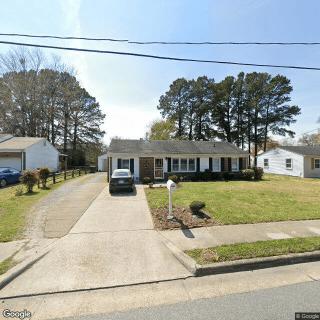
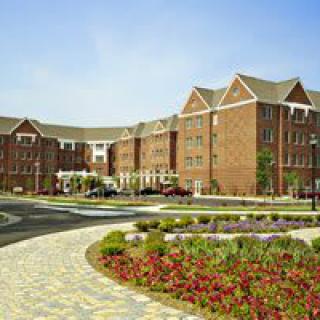
 Warm, home-like atmosphere with attentive staff and engaging activities.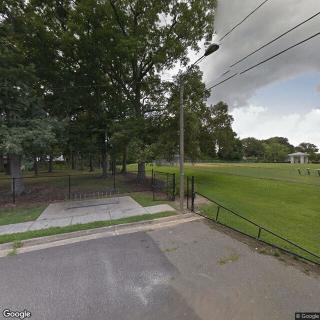




 Comprehensive Insights into Activities of Daily Living (ADLs) and Their Assessment
 Medicare Coverage for Assisted Living: An In-Depth Exploration
 Choosing the Right Senior Care: A Detailed Exploration of Assisted Living and Nursing Homes