

11 Big Bethel Road, Hampton, VA 23666
For more information about senior living options: (866) 208-4318
Overall Review of Bethel Helping Hands
Pros
 The staff member who assisted them was very knowledgeable and upfront about what it’s all about.
- The facility feels warm and home-like, like being in one’s own home with a personal caregiver.
- The staff are helpful, visible, and personable.
- Bethel Helping Hands is a very nice place to live, with staff who are very willing to help.
- There are plenty of activities for residents to do together and enjoy.
- The lunch was well prepared and very good.
Cons
 The facility felt very old, more like a home turned into an assisted living, with only a few residents.
- The dining area was just a small kitchen with a tiny table, and the food wasn’t impressive.
- The weekend staff was short-staffed and not expecting the visitors.
- The rooms were too small, and residents would have to share a room due to hardly any storage space.
- There weren’t handicapped-accessible bathrooms.
- They often ordered meals from outside, such as pizza or breakfast from fast-food places.
Review
Bethel Helping Hands in Hampton, Virginia, is best suited for seniors who want a warm, home-like setting where caregivers are accessible and relationships matter. This intimate, neighborhood-style atmosphere works well for residents who prioritize personal attention over a campus-sized, hospital-like environment, and for families seeking a place where staff take time to explain options without pressure. The small footprint fosters daily familiarity and a sense of belonging, with caregivers who are visible, involved, and able to tailor routine to individual needs. Those who crave private luxury, expansive common spaces, or state-of-the-art amenities may want to consider alternatives.
On the upside, warmth and personal attention stand out as the core strengths. A home-like vibe where care feels personal and unhurried translates into meaningful interactions, with staff that are helpful and approachable. Residents can participate in activities without navigating a sprawling calendar, and meals, when served in-house, are often described as well prepared, with a lunchtime highlight noted in particular. The setting supports close-knit social connections, making it a place where residents can feel seen and engaged rather than overlooked in a large, impersonal facility.
The flip side reveals several practical strains. The house-based model means very small rooms, frequent shared arrangements, and limited storage, factors that can be a deal-breaker for anyone who values private space and personal belongings. Accessibility concerns also surface, with some doubt cast on handicap-accessible bathrooms, and the dining area is described as a compact kitchen with a small table rather than a formal eating space. Staffing can be uneven, especially on weekends, and there are indications that some meals may be outsourced, which undermines the sense of onsite control over nutrition and dining quality.
Despite these drawbacks, the positives do offset certain gaps for residents who prize intimacy and direct caregiver access. The home-like environment lowers the emphasis on large-scale amenities, while visible, personable staff foster trust and communication. The willingness of caregivers to take time, not rush decisions, and provide steady social options can compensate for smaller spaces and occasional outsourced meals, at least in the short term. However, for individuals with mobility challenges or strong privacy demands, the absence of private rooms and the uncertain takeaway on accessibility remain meaningful, practical considerations that influence long-term satisfaction.
Those who should consider alternatives include anyone who requires private, en-suite living quarters or fully accessible bathroom configurations. Families prioritizing larger, more modern common areas, a wider range of on-site dining, or a robust medical oversight and rehabilitation program may find the setting too small or traditional. Prospects who want the sense of “all under one roof” with contemporary amenities will want to compare floor plans, kitchen arrangements, and service levels and ask pointed questions about what “well prepared” meals look like in practice, and how consistently they are prepared on site.
Bottom line: Bethel Helping Hands can deliver a warm, individualized living experience with dedicated caregivers and a community feel that supports daily purpose and social connection. For those whose priorities include privacy, modern infrastructure, and fully accessible, well-equipped spaces, it makes sense to explore alternatives. The prudent approach is a firsthand visit to inspect rooms and bathrooms, chat with current residents about staffing consistency, and verify how meals are sourced and delivered. When expectations align with the resident’s true preferences, intimate home-like living or modern, feature-rich accommodations, the decision will feel practical, decisive, and well-supported.
 6 resident community capacity
 Studio apartments
 Assisted Living
 Board and Care Home
 Activities on-site
 Cable or satellite TV
 Devotional services off-site
 Dining room
 Fully furnished
 Garden
 Housekeeping services
 Indoor common areas
 Move-in coordination
 Outdoor space
 Telephone
 Wi-Fi/high-speed internet available
 Newport News Williamsburg International (9 miles away)
 24-hour supervision
 Ambulatory care
 Assistance with bathing
 Assistance with dressing
 Assistance with transfers
 Diabetes diet
 Diabetic care
 Meal preparation and service
 Medication management
 Special dietary restrictions
 Transportation arrangement (medical)
 Transportation to doctors appointments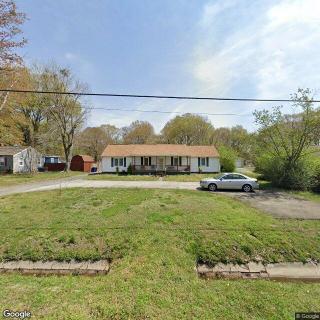




 Medicare Coverage for Assisted Living: An In-Depth Exploration
 Choosing the Right Senior Care: A Detailed Exploration of Assisted Living and Nursing Homes
 Understanding the True Cost of Assisted Living in 2025: A Comprehensive Guide