At Village At Woods Edge in Virginia, the monthly costs for accommodations present a compelling value compared to both Franklin City and the broader state averages. For instance, a one-bedroom unit is priced at $1,742, significantly more affordable than the $2,671 charged in Franklin City or the state average of $4,257. Similarly, two-bedroom apartments are available for $2,879 at Village At Woods Edge, which again undercuts both local and statewide rates of $3,822 and $4,602 respectively. Notably, the cost of studio units at Village At Woods Edge is $4,781; while higher than the average studio rate in Virginia ($4,436), it remains competitive against Franklin City's studio price of $3,735. Overall, residents can appreciate not only the quality of living but also an attractive pricing structure that positions Village At Woods Edge as a desirable option within the region.
Floor plans
Village At Woods Edge Virginia
Franklin city
Virginia
1 Bedroom
$1,742
$2,671
$4,257
2 Bedrooms
$2,879
$3,822
$4,602
Studio
$4,781
$3,735
$4,436
Memory care communities with a similar price nearby
Dining is a frequent highlight, with residents praising both taste and service.
Residents repeatedly mention the food as a reason they were pleased, citing favorites like crab soup and saying meals are consistently good. Several also describe flexibility around dietary needs, including being able to order something different. The community also offers restaurant-style dining, which matches what people mention about their dining experience. Some reviewers specifically call out the Back Porch grill/restaurant as an added draw.
common12 reviews mention this
Care and responsiveness feel personal
Residents describe staff as attentive, patient, and responsive to changing needs.
Across reviews, families talk about staff being welcoming and helpful during transitions, and they highlight quick follow-through when issues come up. Multiple residents describe ongoing attention and safety-minded care, including frequent communication during medical events. Several reviewers also mention how staff stay engaged with residents day to day, including fast responses and regular updates to families. Even when staffing was a concern, at least one review says the staff still managed to keep residents well cared for.
common3 reviews mention this
Activities help residents socialize
Residents and families describe active opportunities to get out and connect.
Reviews mention that there are activities planned both to help residents leave their rooms and to support social time. One reviewer says a relative has joined an exercise class and made friends through social activities. Another describes staff learning about a new resident’s interests to help with acclimation, which supports the idea that activities are part of how life is organized here.
common5 reviews mention this
The setting is quiet and peaceful
Many reviews emphasize a calm, quiet environment on the grounds.
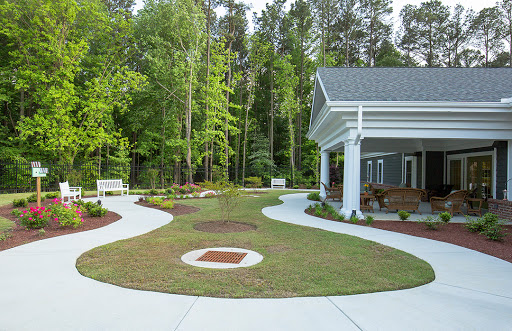
Several reviewers use words like peaceful and quiet, describing the community as a calmer place to live. People also comment on the grounds being well maintained and the overall atmosphere feeling spacious and serene. One reviewer contrasts the facility’s closeness to local services with the fact that the grounds themselves are still notably quiet.
caveat2 reviews mention this
Pricing is repeatedly described as affordable
Residents mention pricing positively, and the community is positioned below county and state benchmarks.
In the reviews, at least a couple of people directly call out pricing as good or affordable. That lines up with the posted pricing comparisons, which show the community’s rates running below both county and state benchmarks across the listed unit types. Even though not every reviewer focuses on cost, the ones who do describe it favorably.
How we summarize
Counts show how many written reviews mention each theme; a review can touch several themes, and only frequently mentioned themes are displayed.
Features
Housing
67 resident community capacity
Types of Care
Active Adult Communities (55+)
Assisted Living
Continuing Care Retirement Community (CCRC)
Independent Living
Memory Care
Pets
Cats allowed
Dogs allowed
Amenities
Activities off-site
Activities on-site
Air-conditioning
Bath tubs
Beautician on-site
Beauty salon
Cable or satellite TV
Computer center
Devotional services off-site
Devotional services on-site
Fitness room
Fully furnished
Gaming room
Garden
Housekeeping services
Indoor common areas
Kitchenette
Move-in coordination
Outdoor common areas
Outdoor space
Private bathrooms
Respite or short term stays offered
Restaurant-style dining
Small library
Swimming pool / hot tub
Telephone
Wellness center
Wheelchair accessible showers
Wi-Fi/high-speed internet available
Transportation
Community operated transportation
Transportation arrangement
Transportation arrangement (non-medical)
Care Services
24-hour call system
24-hour supervision
Activities of daily living assistance
Ambulatory care
Assistance with bathing
Assistance with dressing
Assistance with transfers
Diabetes diet
Diabetic care
Incontinence care
Meal preparation and service
Medication management
Special dietary restrictions
Dining
Diabetes diet
Kosher
Meals provided
Restaurant style dining
Special dietary restrictions
Vegetarian
Activities
Activities off-site
Activities on-site
Bridge club
Community-sponsored activities
Concierge services
Devotional activities offsite
Devotional activities on-site
Fitness programs
Planned day trips
Resident-run activities
Scheduled daily activities
Nearby Places of Interest
This part of Franklin, Virginia offers a variety of amenities and services that cater to senior living. With several restaurants, cafes, and pharmacies located within close proximity, residents have convenient access to dining options and healthcare services. Additionally, there are multiple physicians' offices and a hospital nearby for medical needs. Places of worship provide opportunities for spiritual growth and community involvement. Transportation options are available for those who may not drive, including car rental services and airports for travel needs. Overall, this area provides a well-rounded environment for seniors looking for a comfortable and convenient place to call home.
Restaurants
The Village Back Porch and Grille (0.1 miles)
Wydia's Bistro (1.3 miles)
Joe's Pizza & Pasta Palace (1.5 miles)
Serve Restaurant & Taphouse (1.5 miles)
Domino's Pizza (1.5 miles)
Fred's Restaurant (1.5 miles)
Don Pancho's Cantina (1.6 miles)
Physicians
OB-GYN Physicians (0.2 miles)
Southampton Orthopedics and Sports Medicine Center (0.2 miles)
James River Cardiology PC (0.2 miles)
Family Practice Associates (0.2 miles)
Virginia Oncology (0.3 miles)
Avada Hearing Care Center (0.3 miles)
Lakeview Medical Center (1.8 miles)
Hospitals
Bon Secours - Southampton Skilled Nursing and Assisted Living (0.2 miles)
Hospice Southampton Memor (1.5 miles)
Places of Worship
River of Life Baptist Church (0.5 miles)
LDS Church (0.7 miles)
Church of Jesus Christ of Latter Day Saints (0.7 miles)
Emmanuel Episcopal Church (0.9 miles)
Hunterdale United Church of Christ (1.3 miles)
Tabernacle Of Holiness (1.3 miles)
Fellowship Around The Word Church (1.4 miles)
Cafes
Storehouse Coffee Shop (1.5 miles)
460 Cafe (14.3 miles)
Transportation
Enterprise Rent-A-Car (1.5 miles)
Lily Transportation (1.9 miles)
Franklin Municipal Airport (2.2 miles)
U-Haul Neighborhood Dealer (5.2 miles)
Suffolk Executive Airport (18.8 miles)
Pharmacies
Rite Aid (1.5 miles)
Walgreens (1.5 miles)
Franklin Hometown Pharmacy (1.7 miles)
Senior Services of Southeastern VA Nutrition Center (11.4 miles)
At Village At Woods Edge in Virginia, the monthly costs for accommodations present a compelling value compared to both Franklin City and the broader state averages. For instance, a one-bedroom unit is priced at $1,742, significantly more affordable than the $2,671 charged in Franklin City or the state average of $4,257. Similarly, two-bedroom apartments are available for $2,879 at Village At Woods Edge, which again undercuts both local and statewide rates of $3,822 and $4,602 respectively. Notably, the cost of studio units at Village At Woods Edge is $4,781; while higher than the average studio rate in Virginia ($4,436), it remains competitive against Franklin City's studio price of $3,735. Overall, residents can appreciate not only the quality of living but also an attractive pricing structure that positions Village At Woods Edge as a desirable option within the region.
The features offered at Village At Woods Edge are designed to create a supportive and safe environment for residents experiencing dementia or Alzheimer's disease. Round-the-clock supervision ensures that individuals receive constant care and immediate assistance in case of emergencies, which is crucial for their safety and peace of mind. Support with activities of daily living, including bathing and dressing, promotes dignity while addressing the challenges often faced by those with cognitive impairments. Assistance with transfers helps prevent falls, a common concern among this population, while incontinence care maintains hygiene and comfort. Meal preparation and service cater to nutritional needs, ensuring that residents receive balanced diets tailored to their health requirements. Finally, medication management is critical in keeping track of prescriptions and dosages, reducing the risk of missed or incorrect medications that can adversely affect overall well-being. Together, these features significantly enhance the quality of life for residents while addressing their specific needs.
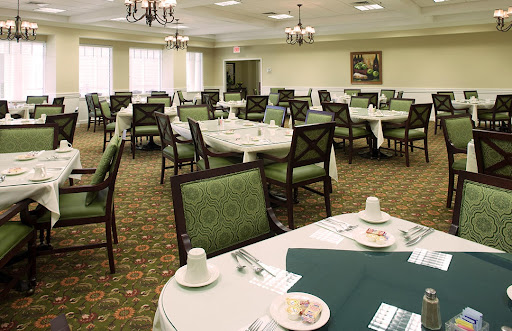
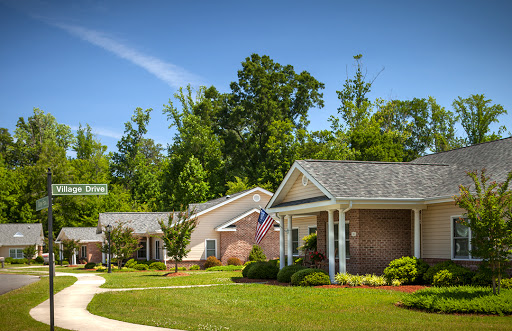
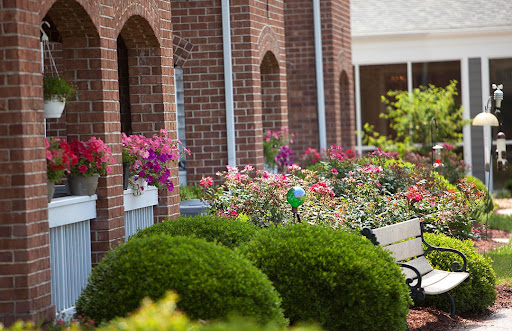
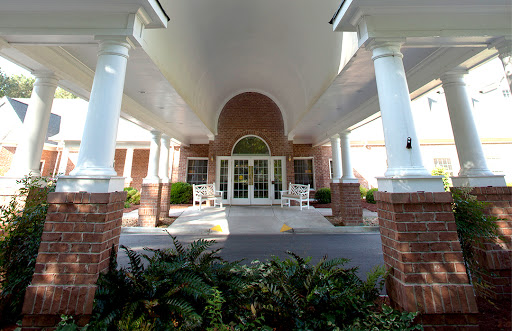
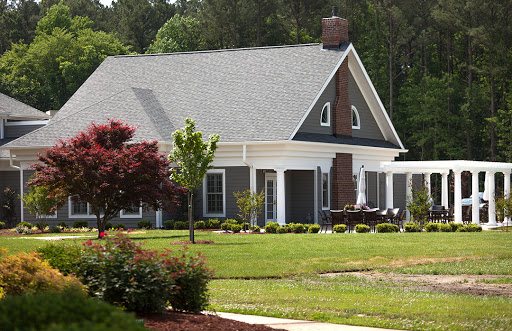
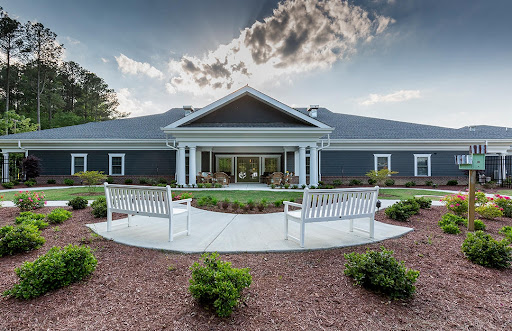
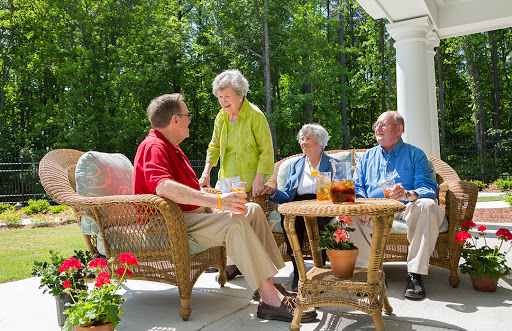
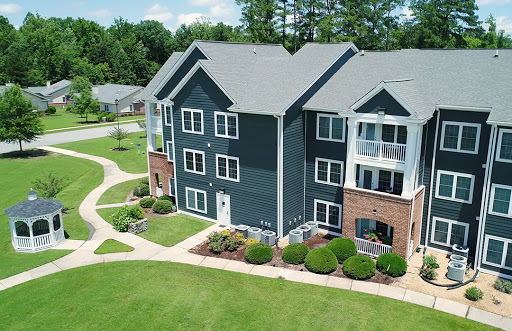
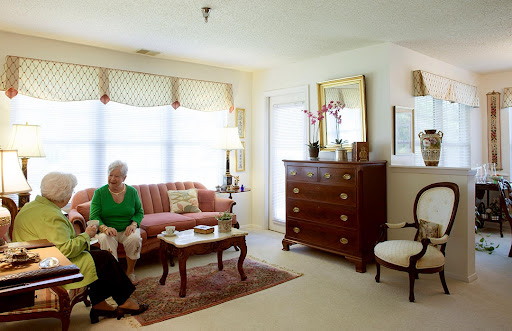
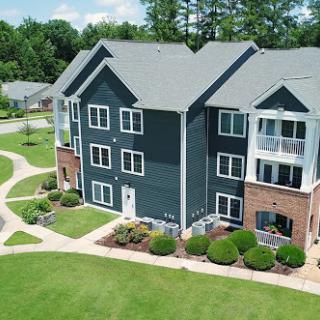
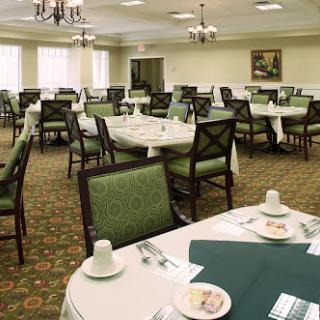
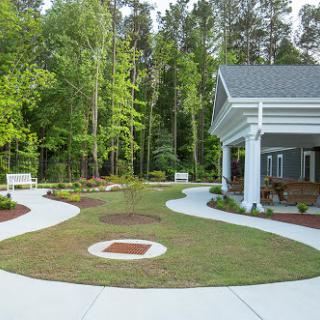
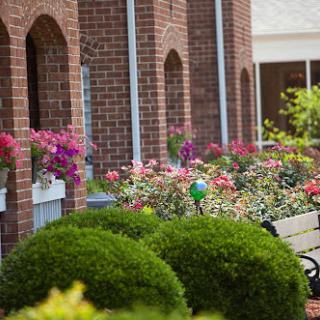
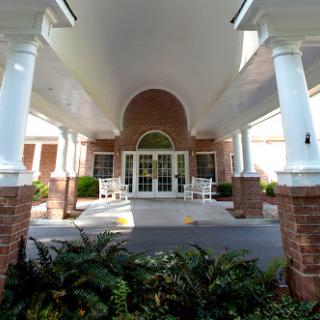
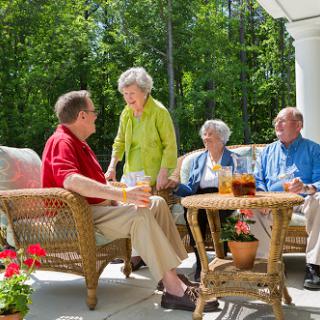
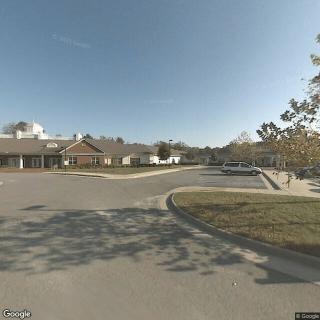
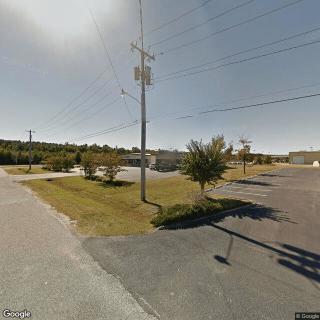
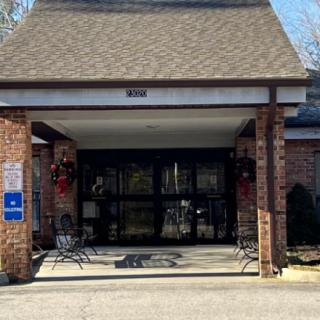
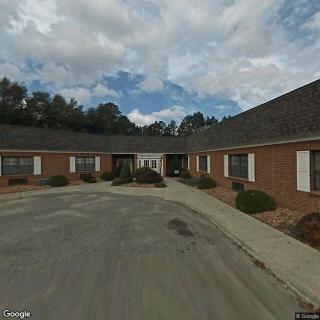
Village At Woods Edge Virginia on seniors.fyi includes 11 photos including images showing landscaping, outdoor, building, architecture, garden, dining, interior, chandelier, and more.
Nearby Communities
Southampton Memorial Hosp
Franklin, VA
3.3 from 121 reviews
$2,688 to $4,765 / month
Extensive amenities and comprehensive care at a favorable price.
East Pavilion
Franklin, VA
3.3 from 7 reviews
Respectful, caring staff and noticeable progress in rehabilitation.
Care Advantage of Franklin, VA
Franklin, VA
5 from 9 reviews
Dedicated, compassionate caregivers and prompt service setup.
Baker's Home Assisted Living
Franklin, VA
3.3 from 6 reviews
Small, supportive community with 24/7 supervision, daily living assistance, and restaurant-style dining in furnished, kitchenette-equipped spaces.
Courtland Health & Rehabilitation Center
Courtland, VA
3 from 2 reviews
Clean, well-maintained environment with compassionate therapists.
Consulate Health Care Of Windsor
Windsor, VA
3 from 21 reviews
24-hour on-site support with extensive amenities.
Lake Prince Woods
Suffolk, VA
4 from 30 reviews
$1,731 to $11,500 / month
Caring staff, clean facilities, good food, and a variety of on-site activities.
Nansemond Pointe Rehabilitation and Healthcare Center
Suffolk, VA
1 from 7 reviews
$3,930 to $4,620 / month
Nurses are available and hospice care is offered, with a range of rehabilitation and healthcare services.
Moore Comfort Home Care
Chesapeake, VA
4.4 from 16 reviews
$4,695 to $6,103 / month
Caring, patient caregivers with a personal touch from the owner.
Alzheimer’s disease is a progressive neurological disorder that significantly impacts memory and cognitive functions, accounting for 60-80% of dementia cases, with early diagnosis being crucial yet challenging. It involves brain changes like beta-amyloid plaques and tau tangles, influenced by genetic and lifestyle factors, and while there is no cure, symptom management and support for caregivers are essential.
Dementia, influenced by aging and certain medications, may be exacerbated by drug classes such as anticholinergics, benzodiazepines, and antipsychotics, which are associated with cognitive impairment. Regular medication reviews by healthcare professionals are crucial for older adults to manage risks and optimize cognitive health.
Dementia often results in disrupted sleep patterns, leading to excessive daytime sleeping due to factors like brain damage affecting circadian rhythms, medication side effects, and lack of structure in daily activities. Caregivers must monitor these changes closely, as oversleeping can increase risks such as malnutrition or dehydration, and provide necessary support and routines to enhance patient engagement and well-being.
Get PricingAsk A QuestionSchedule A TourContact Senior Advisor
By clicking submit, you agree to our Partner's Terms of Use. You
also consent to receive calls and texts, which may be autodialed, from our Partner. Your consent is not a condition to
using our Partner's service. Please visit our Partner's Privacy Policy for information about their privacy practices.

 67 resident community capacity
 Active Adult Communities (55+)
 Assisted Living
 Continuing Care Retirement Community (CCRC)
 Independent Living
 Memory Care
 Cats allowed
 Dogs allowed
 Activities off-site
 Air-conditioning
 Bath tubs
 Beautician on-site
 Cable or satellite TV
 Computer center
 Devotional services off-site
 Fitness room
 Fully furnished
 Gaming room
 Garden
 Housekeeping services
 Indoor common areas
 Kitchenette
 Move-in coordination
 Outdoor common areas
 Private bathrooms
 Respite or short term stays offered
 Restaurant-style dining
 Small library
 Swimming pool / hot tub
 Telephone
 Wellness center
 Wheelchair accessible showers
 Wi-Fi/high-speed internet available
 Community operated transportation
 24-hour call system
 Ambulatory care
 Assistance with bathing
 Assistance with dressing
 Assistance with transfers
 Diabetes diet
 Diabetic care
 Incontinence care
 Medication management
 Special dietary restrictions
 Bridge club
 Concierge services
 Planned day trips
 Extensive amenities and comprehensive care at a favorable price.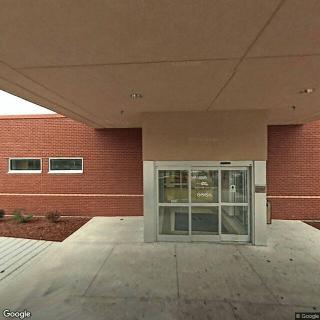



 Illuminating Insights About Alzheimer's Disease: Ten Crucial Realities
 A Thorough Discussion of Medications Potentially Linked to Dementia Risk
 Why Do Dementia Patients Sleep So Much? Understanding Oversleeping, Stages, and Care Approaches