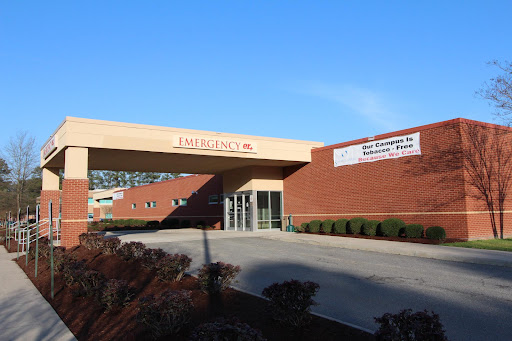
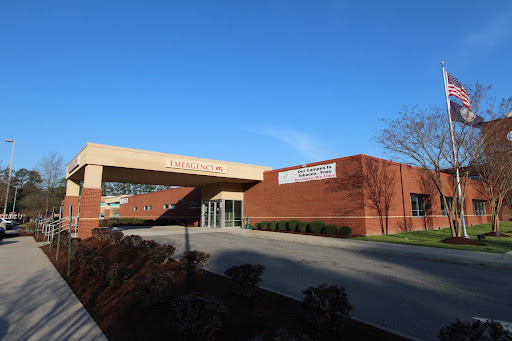
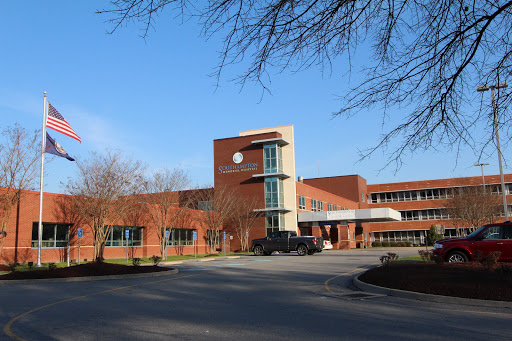
Southampton Memorial Hosp in Franklin, VA

Save

  • Interior

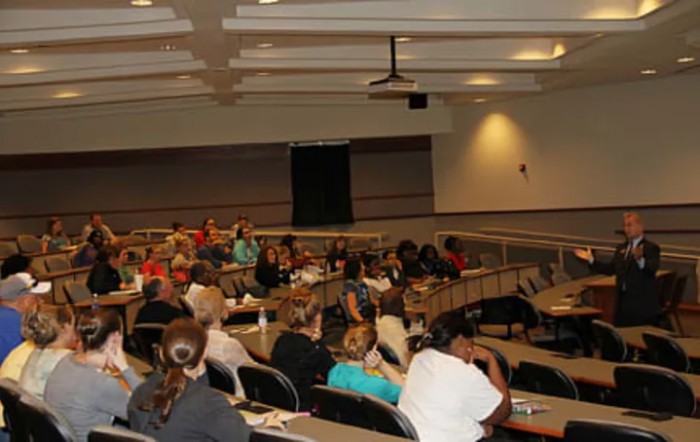
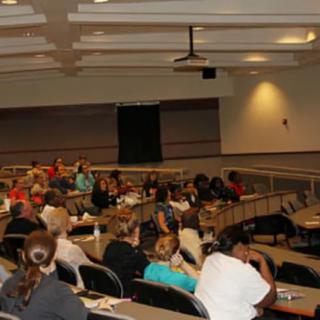
    A lecture hall filled with an audience attentively listening to a presentation.
  • Outdoors

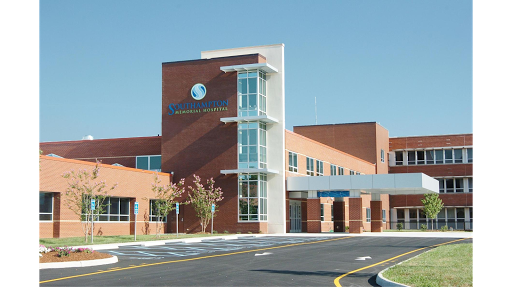
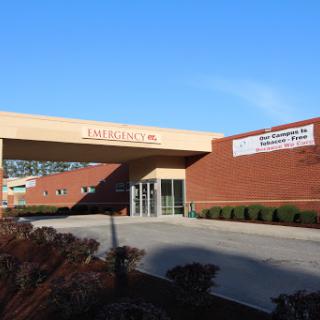
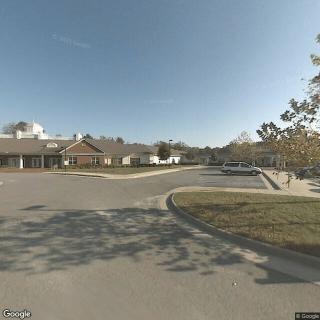
    A modern brick building set against a clear blue sky.
  • Building

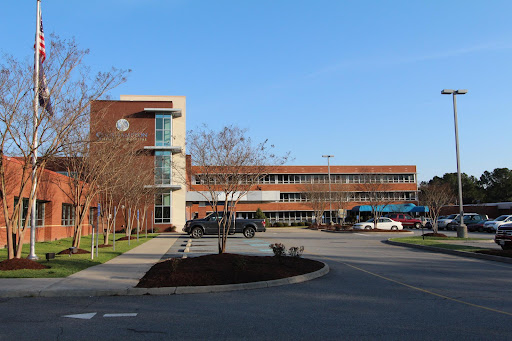
    A modern school building with landscaped grounds and trees.
  • Architecture

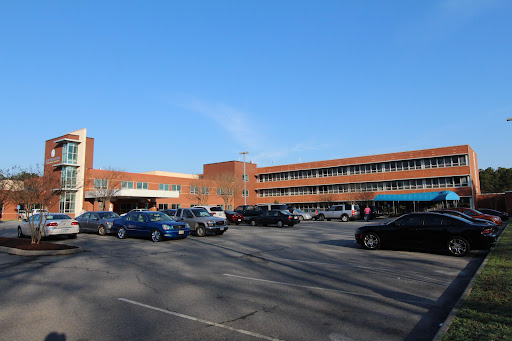
    A modern architectural building with a parking lot, captured on a clear day.
  • Trees

    A view of a brick building surrounded by trees, located near a road.
  • Landscaping

    A modern healthcare facility set against a clear blue sky.
  • Entrance

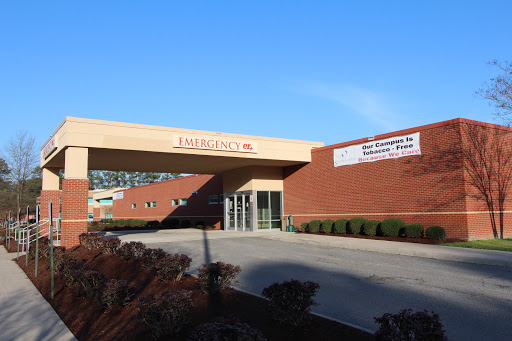
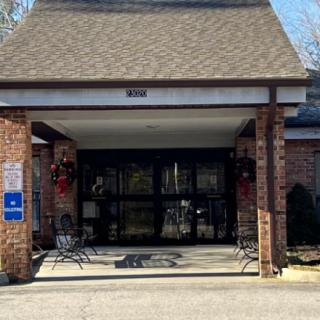
    A medical facility with a welcoming entrance.
  • Exterior

    An exterior view of a healthcare facility on a clear day.
  • Healthcare

    A modern medical facility showcasing contemporary architectural design.
  • Nurse

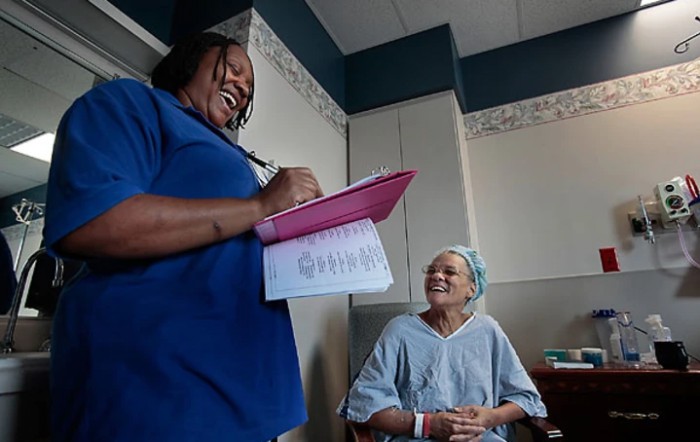
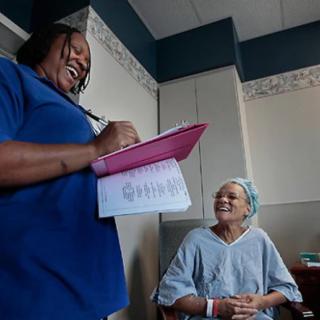
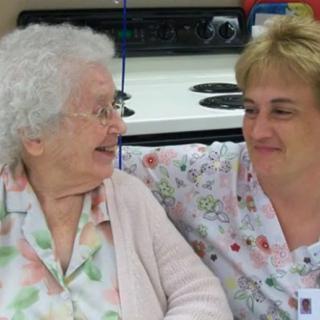
    A nurse is interacting with a patient in a hospital room, holding a clipboard and smiling.
  • Parking

    A view of a school building with a spacious parking lot under a clear blue sky.

Southampton Memorial Hosp in Franklin, VA

Information last verified:

100 Fairview Drive, Franklin, VA 23851

For more information about senior living options: (844) 490-3973

3.2 from 112 reviews
5 stars
53
4 stars
5
3 stars
6
2 stars
5
1 stars
43

Southampton Memorial Hosp Costs & Pricing

Southampton Memorial Hospital presents a compelling value in the context of healthcare costs, particularly when compared to both Franklin City and the broader state of Virginia. For instance, a studio room at Southampton is priced at $2,688, significantly lower than the $3,735 charged in Franklin City and the state average of $4,436. Similarly, while a one-bedroom unit at Southampton is offered for $3,600 - slightly higher than Franklin City's rate of $2,671 - it still remains substantially more affordable than the statewide figure of $4,257. The difference becomes even more pronounced with two-bedroom accommodations; at Southampton Memorial Hospital, they cost $4,765 compared to Franklin City's $3,822 and Virginia's average of $4,602. Overall, these figures highlight Southampton Memorial Hospital as an attractive option for those seeking quality care without the inflated costs associated with many other facilities in the region.

Floor plansSouthampton Memorial HospFranklin cityVirginia
Studio$2,688$3,735$4,436
1 Bedroom$3,600$2,671$4,257
2 Bedrooms$4,765$3,822$4,602

Overall Review of Southampton Memorial Hosp

Pros

  • pro They underwent a total knee replacement with robotic surgery and received great care with no problems.
  • pro The emergency department team—Heidi, Tiffany, and Dr. Joe—provided attentive, professional service they would highly recommend.
  • pro The nurses and physicians were caring, efficient, and professional, contributing to a positive patient experience.
  • pro Southampton Memorial Hospital is described as having great staff and a welcoming, patient-focused environment.
  • pro The staff were consistently kind, knowledgeable, and respectful, making patients feel cared for.
  • pro The overall experience, including the surgical intake and inpatient care, was exemplary.
  • pro Many staff members were singled out for their compassion and competence, underscoring the hospital’s high quality of care.

Cons

  • pro They described the ER as the worst emergency room ever and said they would give zero stars.
  • pro They waited over an hour without proper triage or blood pressure checks.
  • pro They felt the staff were understaffed and lacked empathy, with some nurses being unprofessional.
  • pro They felt left in pain with poor communication and inadequate care.
  • pro They accused the hospital of misdiagnosis and delaying essential treatment.
  • pro They claimed the ER bill was around $2,000 with no breakdown of services, calling it a criminal/rip-off charge.
  • pro They warned others to avoid this hospital and to seek care elsewhere.
  • pro They criticized privacy practices, noting patient information was discussed in a group chat.

Review

Southampton Memorial Hospital in Franklin, VA, is best suited for families seeking local access with a distinctly small-town, hands-on care vibe. It works well for those who value readily available emergency stabilization, friendly bedside manner from nurses and technologists, and ongoing inpatient support in a community hospital that feels close to home. The facility can deliver solid, if uneven, outcomes in routine procedures and post-acute care, especially when the right team is on duty. However, for families whose top priority is consistently fast ER response, full-spectrum specialist coverage, and flawless communications across shifts, alternatives deserve serious consideration. Larger systems with dedicated trauma centers and robust specialty rosters, Sentara Obici in Suffolk, Norfolk General, or CHKD for pediatric care, often provide steadier performance and clearer care paths at higher or more transparent price points.

Pros are real when the stars align. Reviewers recount compassionate ER crews and responsive nursing, with names like Heidi, Cameron, and Clay cited for attentiveness and efficiency during urgent episodes. In elective or scheduled care, the surgical teams and intake staff are praised for clarity, speed, and procedure-level explanations. When emergencies unfold quickly, the hospital’s local presence can translate into rapid stabilization and a feeling that the patient is known and cared for. In several accounts, patients express gratitude for professional physicians who check in repeatedly, verify details, and explain what comes next. The hospital's near-term strengths lie in bedside care and the human touch from nurses, orderlies, and technologists who treat the routine day-to-day with competence and courtesy.

Yet the negative threads are loud enough to demand a hard, practical assessment. Long waits in the ER, perceived understaffing, and gaps in discharge communication recur in a significant share of reviews. Some patients recount being left waiting through multiple med cycles, or receiving care that feels impersonal or procedural rather than proactive. Specific clinical interactions drew sharp criticism: physicians whose bedside manner or diagnostic decisions were questioned, miscommunications around medications and test results, and discharge practices that left families unprepared. Billing and transparency issues show up too, with patients charged for services that were not clearly explained or fully delivered. The pattern is not universal, but the frequency of these concerns is high enough to color risk assessments for high-need visits.

Fortunately, the pros can offset some of the cons when the hospital’s best teams are in place. Several patients highlight that, with capable clinicians and strong nursing support, outcomes rival community expectations for a hospital of this size. Instances of decisive triage, thoughtful patient advocacy, and coordinated care across departments, radiology, phlebotomy, and rehab, underscore what a well-functioning day looks like at SMH. For surgeries and post-op recovery, the care teams acknowledged by many reviewers show a level of competence that can translate into solid functional results, particularly when pre- and post-operative communication is thorough. The contrast between standout experiences and problem-prone episodes suggests that staffing levels, shift coverage, and leadership turnover drive most of the variance in patient perception and actual outcomes.

Different patient populations will experience SMH in distinct ways. Elderly patients with dementia or complex chronic conditions may benefit from the hospital’s local convenient location, but they also risk inconsistent attention if staffing is thin. Pediatric care has mixed reviews: some families praise quick, compassionate responses in urgent moments (a notable case of nurse Heidi and doctor Heins), while others report long waits or miscommunication around child-specific needs. For those navigating time-sensitive diagnostics or needing specialty consultation, early coordination with a trusted clinician and a clear plan for next steps matters greatly. Billing and insurance conversations recur across reviews, so patients and families should insist on explicit cost estimates, itemized bills, and written care plans before discharge whenever possible.

The practical takeaway is clear. Southampton Memorial Hospital is a viable local option for routine care, rehab, and emergencies when the care team is responsive and staffed adequately. It is not a guaranteed go-to for every high-stakes visit; the history of long ER waits, mixed professional consistency, and billing quirks means alternatives should be considered for acute emergencies or complex specialty needs. If SMH is chosen, engage proactively: request a patient advocate if available, seek written discharge instructions, confirm test results and follow-up plans, and have a backup plan to transfer to a larger facility if the situation demands. In the end, the hospital’s genuine strengths, dedicated nurses, capable clinicians, and a tangible sense of community, make it a credible local option, but not a substitute for the reliability offered by larger systems when every minute counts.

Features

Housing

  • 129 resident community capacity 129 resident community capacity

Types of Care

  • Skilled Nursing Facility Skilled Nursing FacilitySkilled Nursing Facilities are crucial for seniors as they provide round-the-clock medical care, rehabilitation services, and assistance with daily activities. These facilities ensure that seniors receive the specialized care they need to maintain their health and well-being as they age.

Amenities

  • Air-conditioning Air-conditioningAir conditioning is important for seniors as they are more vulnerable to heat-related illnesses and may have underlying health conditions that make it difficult for them to regulate their body temperature. It helps to keep them comfortable, safe, and healthy in hot weather.
  • Beauty salon Beauty salonBeauty salons are important for seniors because they provide a space for them to feel pampered, socialize, and maintain their personal grooming and hygiene. Regular visits to a beauty salon can help boost seniors' self-esteem and overall well-being.
  • Cable or satellite TV Cable or satellite TVCable or satellite TV is important for seniors because it provides entertainment, news, and companionship, helping to combat loneliness and boredom. It also offers a wide range of programming options tailored to different interests and preferences.
  • Computer center Computer centerA computer center is essential for seniors as it provides access to technology, communication tools, and resources that can enhance their daily lives. It allows them to stay connected with loved ones, engage in online activities, and learn new skills, ultimately promoting socialization and mental stimulation.
  • Dining room Dining roomDining rooms are important for seniors as they provide a space for socialization, connection, and nutritious meals. They offer opportunities for residents to bond over shared meals, foster a sense of community, and promote healthy eating habits. Dining rooms also ensure that seniors have access to well-balanced meals tailored to their dietary needs and preferences.
  • Fitness room Fitness roomHaving a fitness room in a senior living community is essential for seniors to stay active, maintain their physical health, and improve their overall well-being. Regular exercise can help prevent falls, reduce the risk of chronic diseases, and promote mental sharpness. It also provides social opportunities for residents to connect with others and enjoy a sense of community.
  • Fully furnished Fully furnishedFully furnished senior living communities are important for seniors because they provide convenience, comfort, and a hassle-free moving experience. Seniors can easily settle into their new living space without the stress of having to buy and move furniture. This allows them to focus on enjoying their new home and community.
  • Gaming room Gaming roomGaming rooms are important for seniors as they provide a fun and engaging environment for socializing, cognitive stimulation, and physical activity. Games can improve memory, problem-solving skills, and overall mental well-being while fostering friendships and reducing feelings of isolation.
  • Garden GardenGardens are important for seniors as they provide a peaceful and therapeutic environment for relaxation, physical activity, and socialization. Being in nature has been shown to reduce stress, improve mood, and promote overall well-being. Gardens also offer opportunities for seniors to engage in gardening activities, which can improve mobility, flexibility, and cognitive function. Additionally, gardens create a sense of community and connection with others who share a passion for plants and outdoor spaces.
  • Housekeeping services Housekeeping servicesHousekeeping services are important for seniors because they help maintain a clean and safe living environment, promote independence, and reduce the risk of accidents or illnesses. Additionally, having assistance with household chores can alleviate physical strain and allow seniors to focus on other aspects of their well-being.
  • Kitchenette KitchenetteKitchenettes are important for seniors living in senior living communities because they provide the convenience and independence of being able to prepare simple meals and snacks in the comfort of their own living space. This can help promote a sense of autonomy and well-being for seniors, allowing them to maintain some level of control over their dietary choices and daily routines.
  • Move-in coordination Move-in coordinationMove-in coordination is important for seniors because it helps ease the transition into their new living environment. It ensures that all logistics, such as packing, organizing movers, and setting up utilities are taken care of, allowing seniors to focus on settling in and adjusting to their new home. Having a smooth move-in process can alleviate stress and anxiety, making the transition smoother and more enjoyable for seniors.
  • Outdoor space Outdoor spaceOutdoor spaces are important for seniors as they provide opportunities for physical activity, social interaction, exposure to natural light and fresh air, and a sense of connection to nature. Having access to outdoor spaces can improve overall well-being and quality of life for older adults living in senior communities.
  • Private bathrooms Private bathroomsPrivate bathrooms are important for seniors in senior living communities because they provide independence, dignity, and comfort. Having a private bathroom allows seniors to maintain their personal hygiene routines without the need for assistance, promoting a sense of autonomy and privacy. Additionally, private bathrooms help prevent the spread of infections and provide a safe and clean environment for seniors to navigate safely.
  • Restaurant-style dining Restaurant-style diningRestaurant-style dining is important for seniors because it allows them to enjoy delicious, nutritious meals in a social and upscale setting. This enhances their dining experience, promotes healthy eating habits, and fosters socialization with fellow residents, ultimately contributing to their overall well-being and quality of life.
  • Small library Small librarySmall libraries are important for seniors as they provide access to a variety of reading materials, including books, newspapers, and magazines. This can help stimulate their minds, keep them engaged, and provide a sense of community through book clubs and other social activities. Additionally, reading has been shown to improve cognitive function and overall mental well-being in older adults.
  • Telephone TelephoneTelephones are important for seniors as they provide a lifeline for communication with loved ones, emergency services, and healthcare providers. They offer a sense of security and independence, enabling seniors to stay connected and access assistance when needed.
  • Wellness center Wellness centerWellness centers are important for seniors because they offer a variety of programs and services that promote physical, mental, and emotional well-being. These centers provide opportunities for exercise, socialization, education, and relaxation, helping seniors maintain their overall health and quality of life.
  • Wi-Fi/high-speed internet available Wi-Fi/high-speed internet availableWi-Fi/high-speed internet is important for seniors to stay connected with loved ones, access online resources, and participate in virtual activities to combat feelings of loneliness and isolation. It also allows them to easily manage healthcare needs, access entertainment, and engage in lifelong learning opportunities.

Transportation

  • Community operated transportation Community operated transportationCommunity operated transportation is crucial for seniors as it provides them with the means to access essential services, social activities, and medical appointments. It allows seniors to maintain their independence and quality of life by ensuring they can participate in activities outside of their homes. Additionally, community-operated transportation services offer a safe and reliable way for seniors to travel without having to rely on family or friends for assistance.
  • Transportation arrangement Transportation arrangementTransportation arrangements are crucial for seniors as they may face challenges with driving, mobility, or access to public transportation. Having reliable transportation services ensures that seniors can easily attend appointments, social activities, and maintain their independence and quality of life.
  • Transportation arrangement (non-medical) Transportation arrangement (non-medical)Transportation arrangements are essential for seniors as they provide access to essential services, activities, and social interactions outside the home. This service helps maintain independence, mobility, and overall well-being for seniors who may have limited transportation options.
  • Transportation to doctors appointments Transportation to doctors appointmentsTransportation to doctors appointments is crucial for seniors as it ensures they have access to necessary medical care and support, promoting their health and well-being. It allows them to receive timely treatment, monitor existing conditions, and address any new health concerns efficiently. Additionally, transportation services can help seniors maintain their independence and quality of life by enabling them to stay connected with their healthcare providers.

Care Services

  • 12-16 hour nursing 12-16 hour nursing12-16 hour nursing care is crucial for seniors in order to ensure around-the-clock monitoring, timely medication administration, and prompt response to any health concerns or emergencies. This level of care helps to promote the overall well-being and safety of seniors living in senior living communities.
  • 24-hour call system 24-hour call system24-hour call systems are important for seniors because they provide peace of mind and immediate assistance in case of emergencies. This technology ensures that help is always available, promoting safety and security for elderly individuals living alone or in assisted living facilities.
  • 24-hour supervision 24-hour supervision24-hour supervision is important for seniors to ensure their safety, well-being, and access to immediate assistance in case of emergencies or health issues. This constant support provides peace of mind for both seniors and their loved ones, allowing them to age in place with dignity and security.
  • Activities of daily living assistance Activities of daily living assistanceActivities of daily living assistance are important for seniors because they provide essential support with tasks such as eating, bathing, dressing, and mobility. This assistance helps seniors maintain their independence, dignity, and overall quality of life as they age.
  • Assistance with bathing Assistance with bathingAssistance with bathing is crucial for seniors as it helps maintain personal hygiene, prevents infections, and ensures their overall well-being and comfort. It also provides a sense of dignity and independence for seniors who may struggle with this task on their own.
  • Assistance with dressing Assistance with dressingAssistance with dressing is important for seniors because it helps maintain their independence, promotes personal hygiene, prevents accidents and injuries, and improves overall quality of life. This service ensures that seniors can continue to dress comfortably and confidently, despite any physical limitations they may have.
  • Assistance with transfers Assistance with transfersAssistance with transfers is crucial for seniors as it helps prevent falls and injuries, maintains their independence, and ensures they can safely navigate their living environment. It also provides peace of mind for both seniors and their loved ones.
  • Diabetes diet Diabetes dietA diabetes diet is crucial for seniors as it helps manage blood sugar levels, reduce risks of complications, and improve overall health and well-being. By following a balanced and nutritious diet tailored to their specific needs, seniors can better control their diabetes and enhance their quality of life.
  • Meal preparation and service Meal preparation and serviceMeal preparation and service are crucial for seniors as they may have limited mobility or energy to cook nutritious meals. Having access to healthy and convenient food options can ensure they are getting the proper nutrition needed to maintain their overall health and well-being.
  • Medication management Medication managementMedication management is crucial for seniors to ensure they are taking the right medications at the correct dosages and times. This helps prevent adverse drug interactions, reduces the risk of medication errors, and promotes overall health and well-being. Proactive management also allows for adjustments as needed based on changing health conditions or new prescriptions.
  • Mental wellness program Mental wellness programMental wellness programs are essential for seniors as they promote cognitive stimulation, emotional support, and social engagement. These programs help prevent isolation, depression, and cognitive decline, ultimately enhancing the overall quality of life for older adults.
  • Special dietary restrictions Special dietary restrictionsSpecial dietary restrictions are important for seniors because age-related changes in metabolism and health conditions can make it difficult for their bodies to process certain foods. By following a diet tailored to their specific needs, seniors can maintain their overall health and well-being, manage chronic conditions, and reduce the risk of complications such as malnutrition or food interactions with medications.

Dining

  • Diabetes diet Diabetes dietA diabetes diet is crucial for seniors as it helps manage blood sugar levels, reduce risks of complications, and improve overall health and well-being. By following a balanced and nutritious diet tailored to their specific needs, seniors can better control their diabetes and enhance their quality of life.
  • Special dietary restrictions Special dietary restrictionsSpecial dietary restrictions are important for seniors because age-related changes in metabolism and health conditions can make it difficult for their bodies to process certain foods. By following a diet tailored to their specific needs, seniors can maintain their overall health and well-being, manage chronic conditions, and reduce the risk of complications such as malnutrition or food interactions with medications.

Activities

  • Community-sponsored activities Community-sponsored activitiesCommunity-sponsored activities are important for seniors as they provide opportunities for social interaction, mental stimulation, and physical activity. These activities can help improve overall well-being, combat loneliness and isolation, and promote a sense of belonging and purpose among older adults.
  • Concierge services Concierge servicesConcierge services are essential for seniors as they provide assistance with daily tasks and errands, enhance their quality of life by offering convenience and personalized care, and promote a sense of safety and security.
  • Fitness programs Fitness programsFitness programs are crucial for seniors as they help improve strength, flexibility, balance, and overall well-being. Staying active can reduce the risk of chronic diseases, improve mental health, and enhance quality of life in older adults.
  • Planned day trips Planned day tripsPlanned day trips are important for seniors because they offer opportunities for socialization, mental stimulation, and physical activity. They provide a change of scenery and help seniors stay engaged and connected to their community, promoting overall well-being and quality of life.
  • Resident-run activities Resident-run activitiesResident-run activities are important for seniors as they encourage social interaction, creativity, and a sense of autonomy. These activities empower seniors to stay engaged and active in their community while fostering meaningful connections with their peers.
  • Scheduled daily activities Scheduled daily activitiesScheduled daily activities are important for seniors because they provide structure, socialization, mental stimulation, and physical activity. Engaging in regular activities can improve overall well-being and quality of life for seniors living in a community setting.

Description

Southampton Memorial Hosp in Franklin, VA is an exceptional assisted living community that offers a wide range of amenities and care services to ensure the comfort and well-being of its residents. The community boasts a variety of amenities including a beauty salon, cable or satellite TV, a computer center, a fitness room, and a gaming room. Residents can also enjoy the serene outdoor spaces and gardens or relax in the small library.

The care services provided at Southampton Memorial Hosp are top-notch and ensure that each resident receives personalized assistance based on their needs. With 24-hour call system and supervision, residents can feel safe knowing that help is always available. The caring staff assists with activities of daily living such as bathing, dressing, and transfers while also managing medication and offering diabetes diets. Special dietary restrictions are catered to in the restaurant-style dining room where delicious meals are prepared and served.

This assisted living community also strives to provide an enriching lifestyle for its residents through various activities. A concierge service is available to assist with planning day trips and fitness programs are offered to promote physical well-being. Residents can engage in planned daily activities or take part in resident-run activities as per their preference.

Located conveniently near several cafes, pharmacies, physicians, restaurants, transportation options, places of worship, and hospitals, Southampton Memorial Hosp provides easy access to essential services for its residents. Whether it's attending medical appointments or exploring the local area for leisure purposes, transportation arrangements are made readily available.

Overall, Southampton Memorial Hosp offers a warm and inviting environment where seniors can receive excellent care while enjoying a vibrant lifestyle filled with amenities and engaging activities.

Nearby Places of Interest

Physicians

  • James River Cardiology PC (0 miles)
  • OB-GYN Physicians (0 miles)
  • Family Practice Associates (0.1 miles)
  • Virginia Oncology (0.1 miles)
  • Avada Hearing Care Center (0.1 miles)
  • Southampton Orthopedics and Sports Medicine Center (0.1 miles)
  • Lakeview Medical Center (1.7 miles)

Hospitals

  • Bon Secours - Southampton Skilled Nursing and Assisted Living (0 miles)
  • Hospice Southampton Memor (1.3 miles)

Restaurants

  • The Village Back Porch and Grille (0.2 miles)
  • Wydia's Bistro (1.2 miles)
  • Joe's Pizza & Pasta Palace (1.3 miles)
  • Serve Restaurant & Taphouse (1.3 miles)
  • Fred's Restaurant (1.3 miles)
  • Domino's Pizza (1.4 miles)
  • Don Pancho's Cantina (1.5 miles)

Places of Worship

  • River of Life Baptist Church (0.5 miles)
  • Church of Jesus Christ of Latter Day Saints (0.6 miles)
  • LDS Church (0.6 miles)
  • Emmanuel Episcopal Church (0.9 miles)
  • Tabernacle Of Holiness (1.1 miles)
  • Franklin Baptist Church (1.3 miles)
  • Perfected Praise Worship Outreach Center (1.3 miles)

Cafes

  • Storehouse Coffee Shop (1.3 miles)
  • 460 Cafe (14.5 miles)

Transportation

  • Enterprise Rent-A-Car (1.3 miles)
  • Lily Transportation (1.7 miles)
  • Franklin Municipal Airport (2.1 miles)
  • U-Haul Neighborhood Dealer (5.3 miles)
  • Suffolk Executive Airport (18.7 miles)

Pharmacies

  • Rite Aid (1.4 miles)
  • Walgreens (1.4 miles)
  • Franklin Hometown Pharmacy (1.6 miles)
  • Senior Services of Southeastern VA Nutrition Center (11.5 miles)
  • CVS Pharmacy (13.5 miles)
  • Rite Aid (16.9 miles)

Frequently Asked Questions

How much does it cost to live at Southampton Memorial Hosp in Franklin, VA?
Where is Southampton Memorial Hosp?
What photos are available for Southampton Memorial Hosp in Franklin, Virginia?

Nearby Communities

  • East Pavilion

    East Pavilion

    Franklin, VA

    3 from 6 reviews
     

    pro Respectful, caring staff and noticeable progress in rehabilitation.


  • Village At Woods Edge Virginia

    Village At Woods Edge Virginia

    Franklin, VA

    4.7 from 49 reviews
    $1,742 to $4,781 / month

    pro Well-maintained, recently updated apartments with ample on-site activities and attentive staff.

  • Care Advantage of Franklin,  VA

    Care Advantage of Franklin, VA

    Franklin, VA

    5 from 9 reviews
     

    pro Dedicated, compassionate caregivers and prompt service setup.

  • Baker's Home Assisted Living

    Baker's Home Assisted Living

    Franklin, VA

    3.3 from 6 reviews
     

    pro Small, supportive community with 24/7 supervision, daily living assistance, and restaurant-style dining in furnished, kitchenette-equipped spaces.

  • Courtland Health & Rehabilitation Center

    Courtland Health & Rehabilitation Center

    Courtland, VA

    3 from 2 reviews
     

    pro Clean, well-maintained environment with compassionate therapists.

  • Consulate Health Care Of Windsor

    Consulate Health Care Of Windsor

    Windsor, VA

    3 from 21 reviews
     

    pro 24-hour on-site support with extensive amenities.

  • Lake Prince Woods

    Lake Prince Woods

    Suffolk, VA

    4 from 30 reviews
    $1,731 to $11,500 / month

    pro Caring staff, clean facilities, good food, and a variety of on-site activities.

  • Nansemond Pointe Rehabilitation and Healthcare Center

    Nansemond Pointe Rehabilitation and Healthcare Center

    Suffolk, VA

    1 from 7 reviews
    $3,930 to $4,620 / month

    pro Nurses are available and hospice care is offered, with a range of rehabilitation and healthcare services.

  • Moore Comfort Home Care

    Moore Comfort Home Care

    Chesapeake, VA

    4.4 from 16 reviews
    $4,695 to $6,103 / month

    pro Caring, patient caregivers with a personal touch from the owner.

Skilled Nursing Facility in Nearby Cities

Related Resources

  • assistive devices for elderly8 Essential Assistive Devices for Older Adults

    The article highlights eight essential assistive devices that improve the independence and safety of older adults, addressing issues related to mobility, balance, vision, hearing, and dexterity. It emphasizes the importance of proper selection guided by healthcare professionals to enhance seniors' quality of life while allowing them to age in place.

  • how to pay for nursing homeNavigating the Financial Road to Nursing Home Care: In-Depth Guidance and Resources

    The article offers detailed guidance on the financial complexities of nursing home care, covering costs, payment methods, and alternative funding strategies while emphasizing the importance of proactive planning and legal considerations for individuals and families making care decisions.

  • caregiver benefitsSupportive Employee Benefits That Help Caregivers Attain Better Work-Life Harmony

    The article emphasizes the critical role of supportive employee benefits for caregivers, advocating for flexible scheduling, paid leave, and mental health services to ease their challenges while enhancing employee well-being and organizational loyalty. It also highlights the importance of strong leadership in promoting these initiatives to foster a sustainable workplace culture that values caregivers.