The Retreat At Fishersville

Save

  • Interior

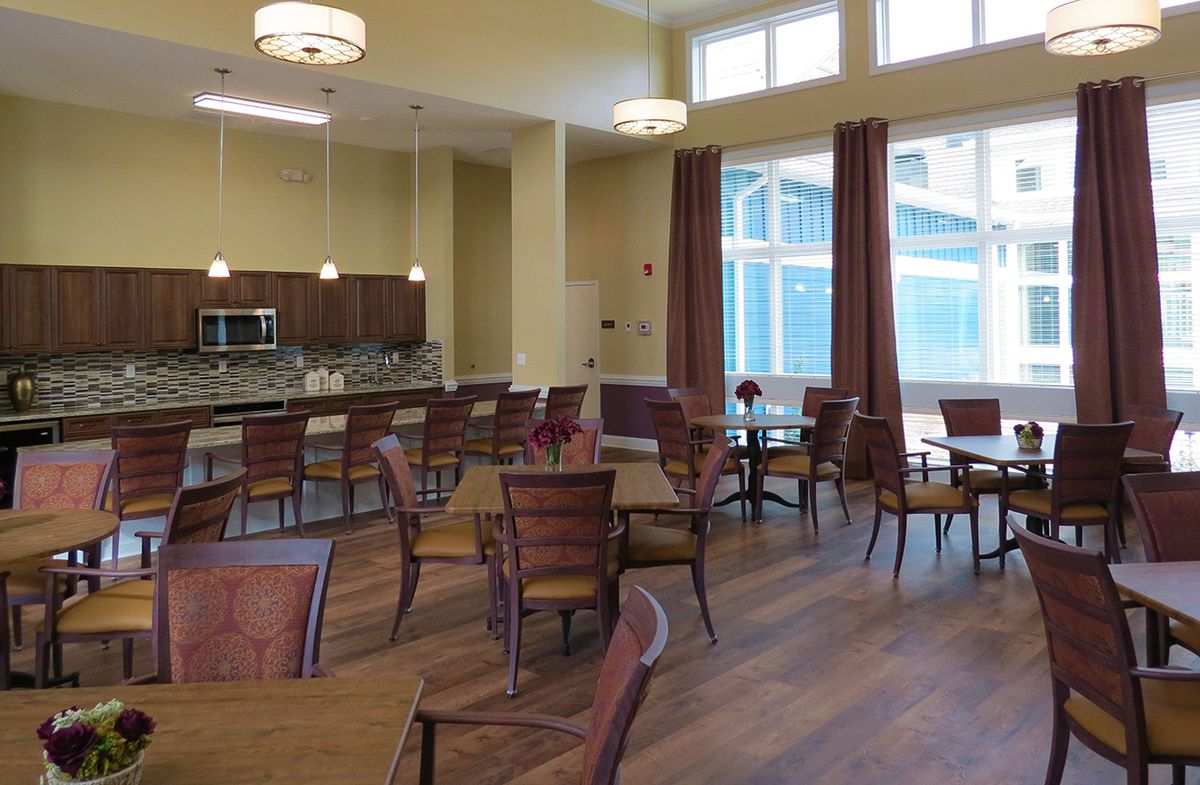
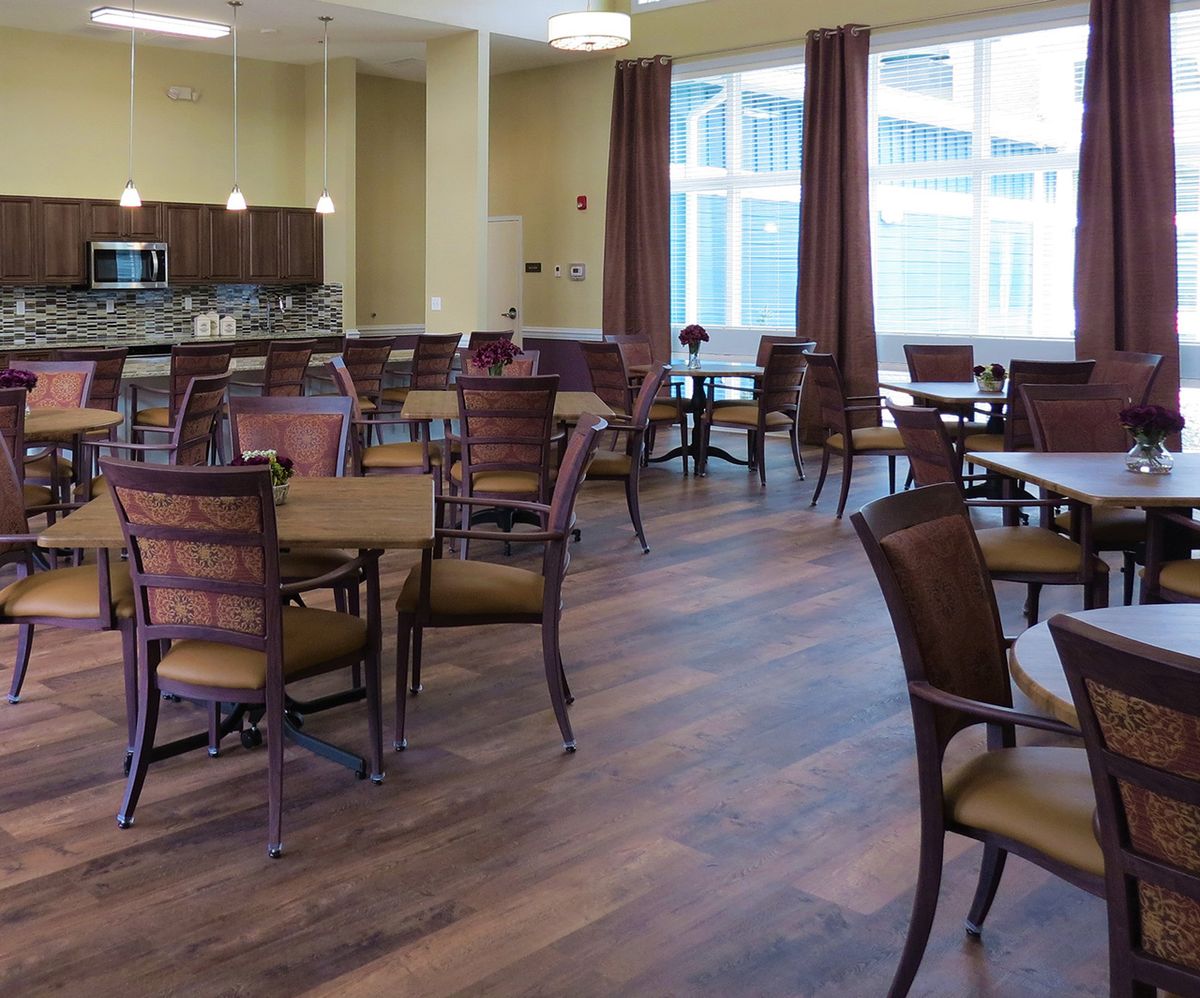
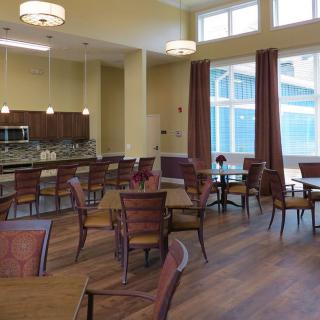
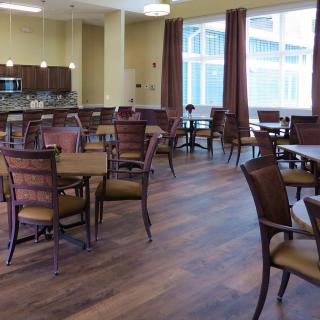
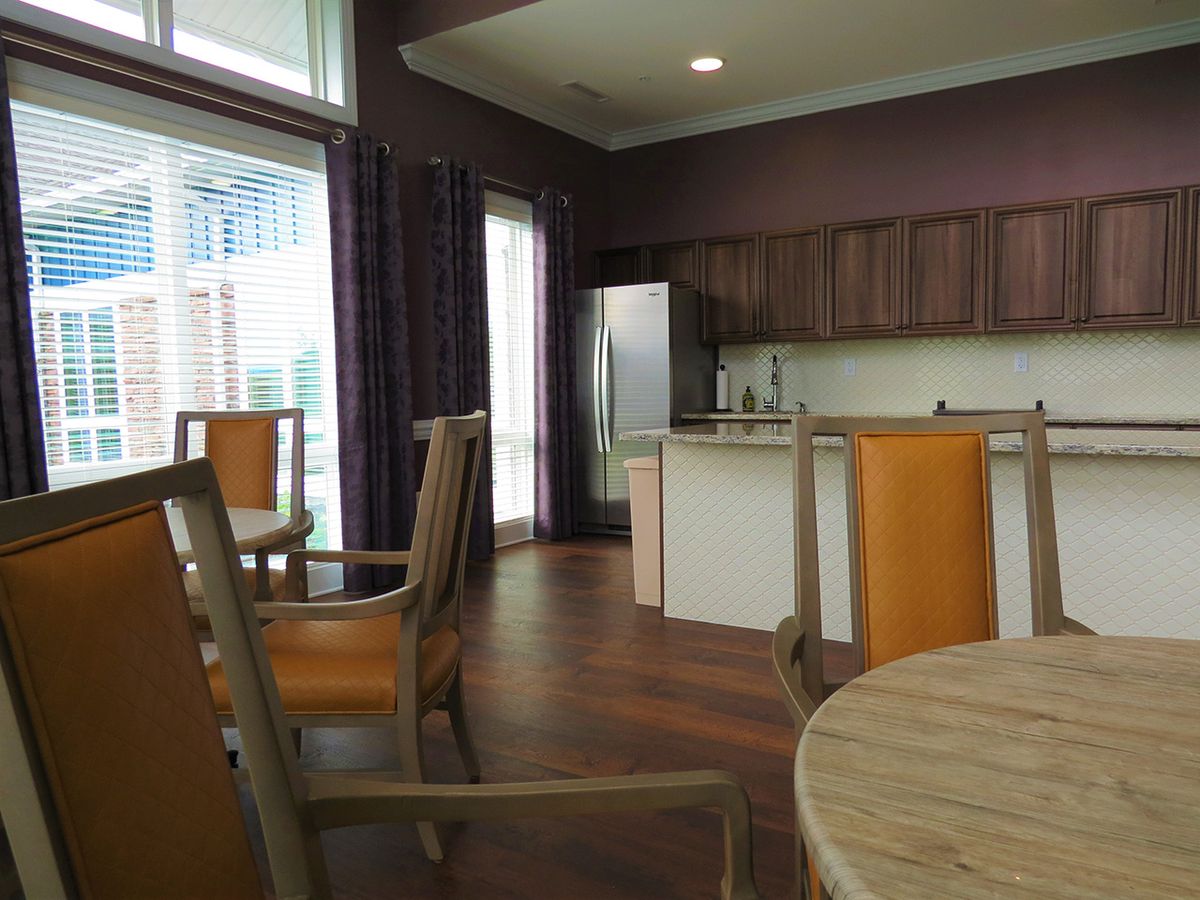
    A modern dining area with wooden tables and chairs, featuring a kitchen in the background.
  • Decor

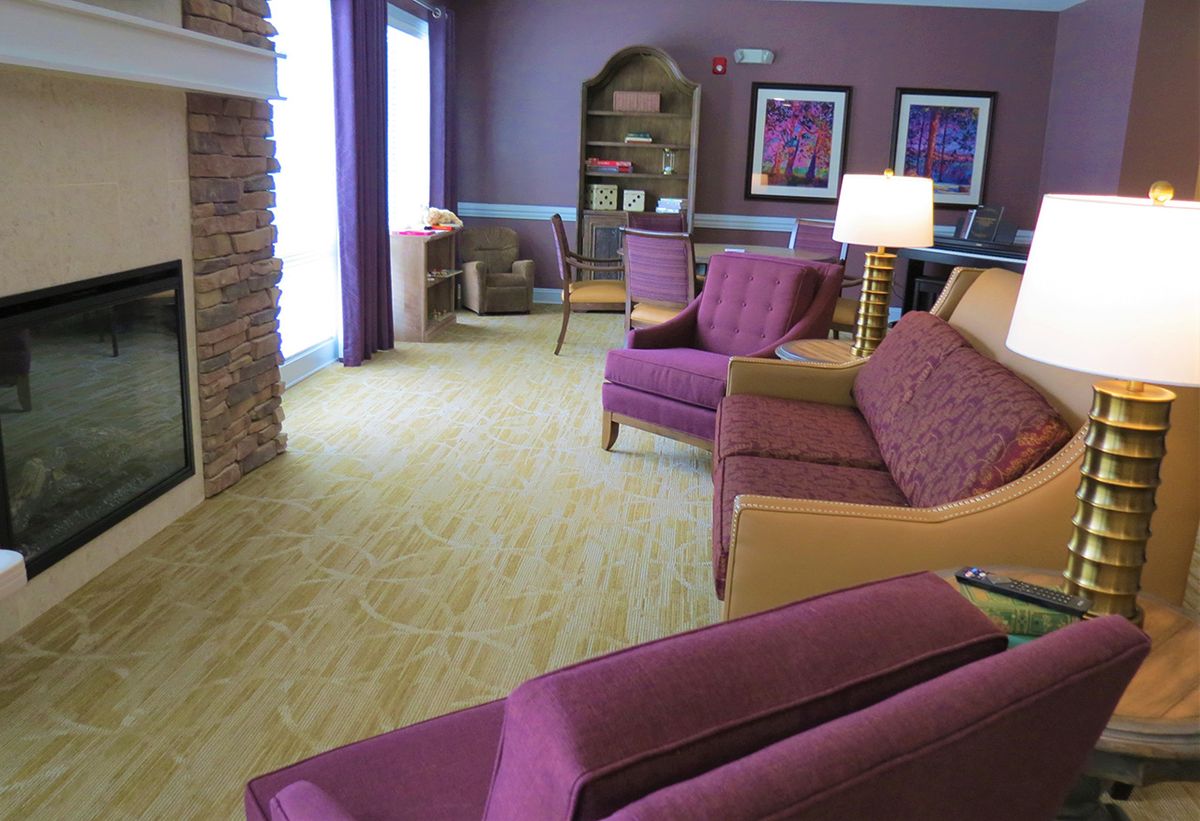
    A cozy living room with purple sofas, armchairs, and a carpet, featuring decorative lamps and a bookshelf.
  • Living Room

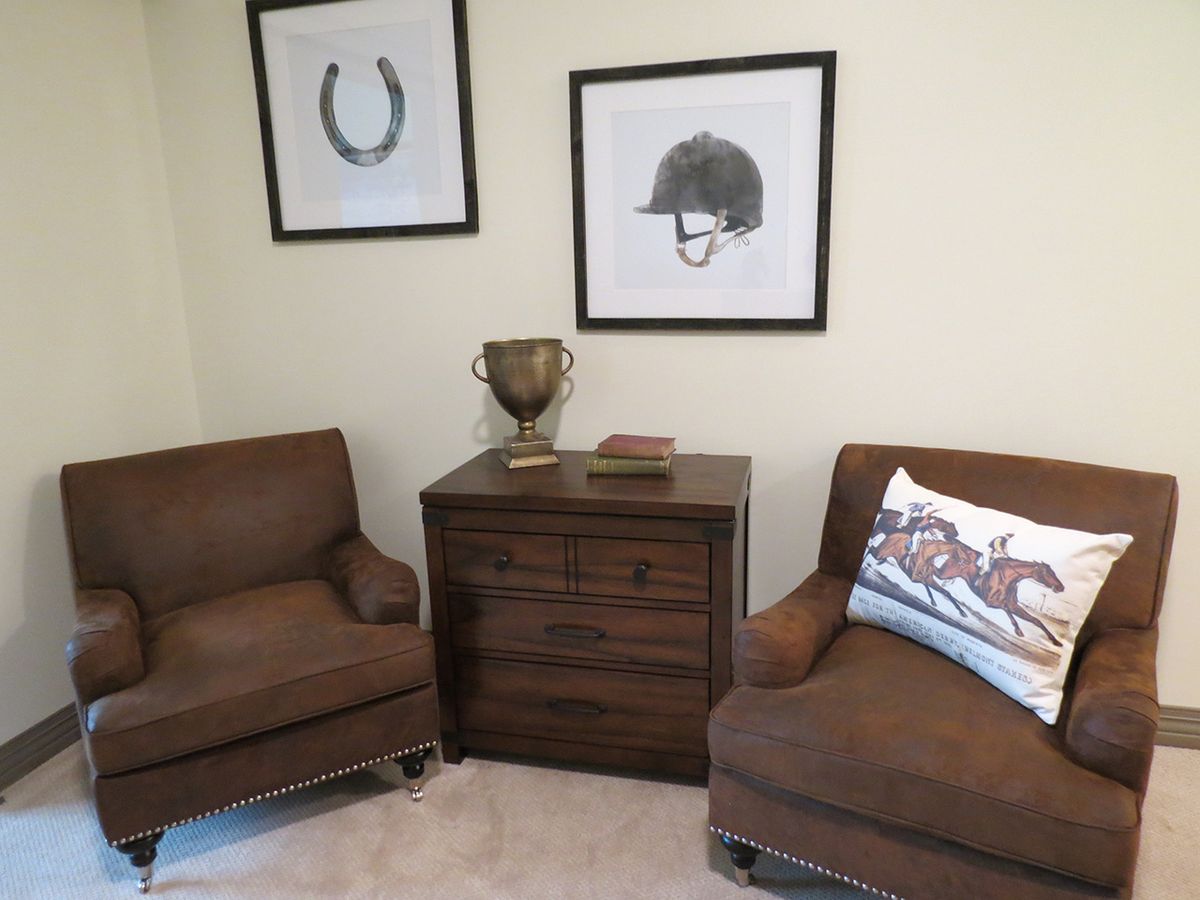
    A cozy living room with a sofa and armchair set, complemented by framed artwork on the wall.
  • Bedroom

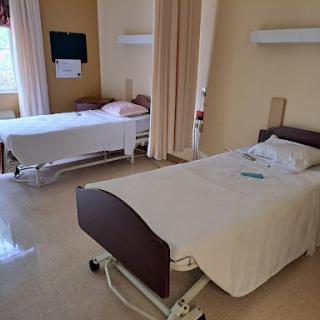
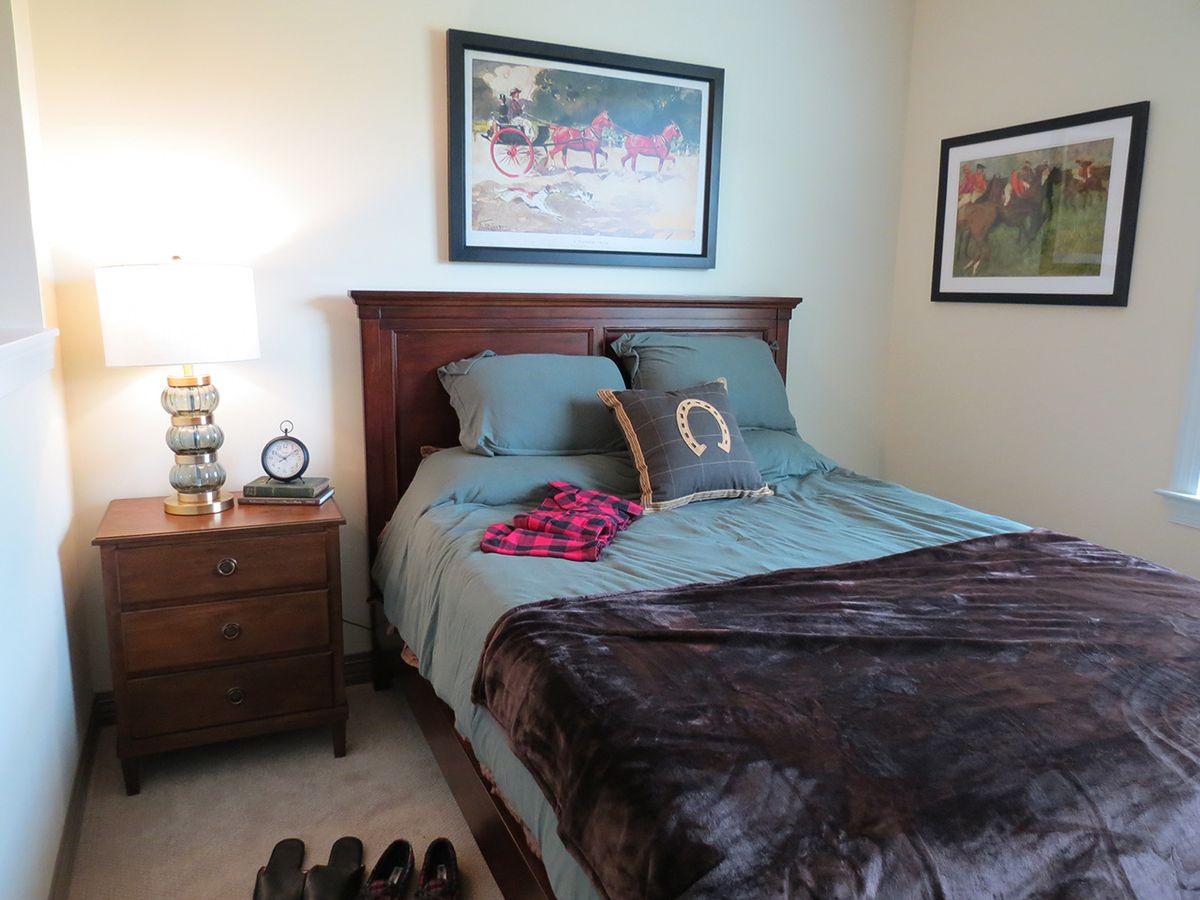
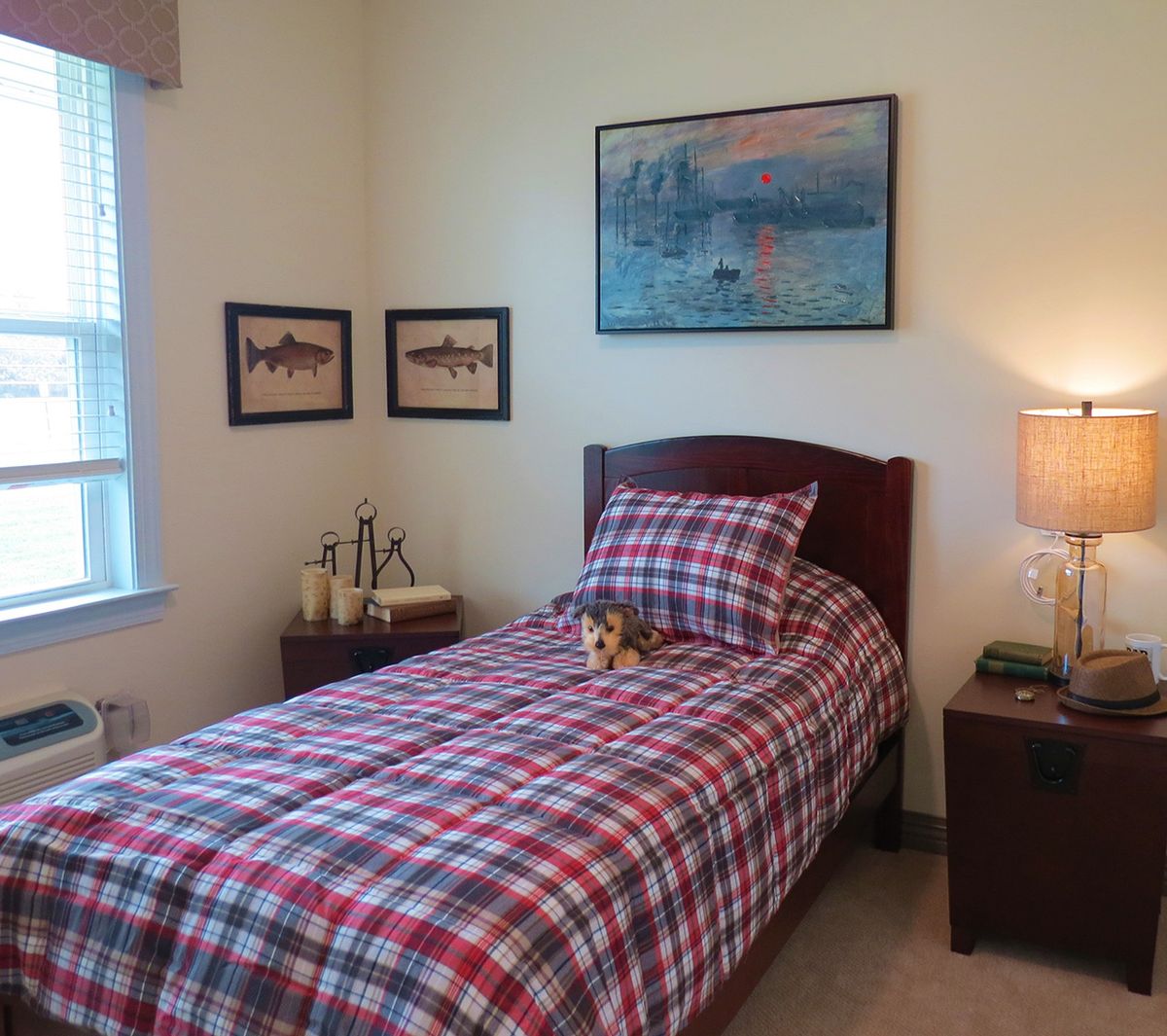
    A cozy bedroom with a neatly made bed, featuring decorative pillows and a soft blanket. A nightstand with a lamp and alarm clock is on the side, and artwork adorns the walls.
  • Windows

    A spacious dining area with wooden floors and a connected kitchen.
  • Dining

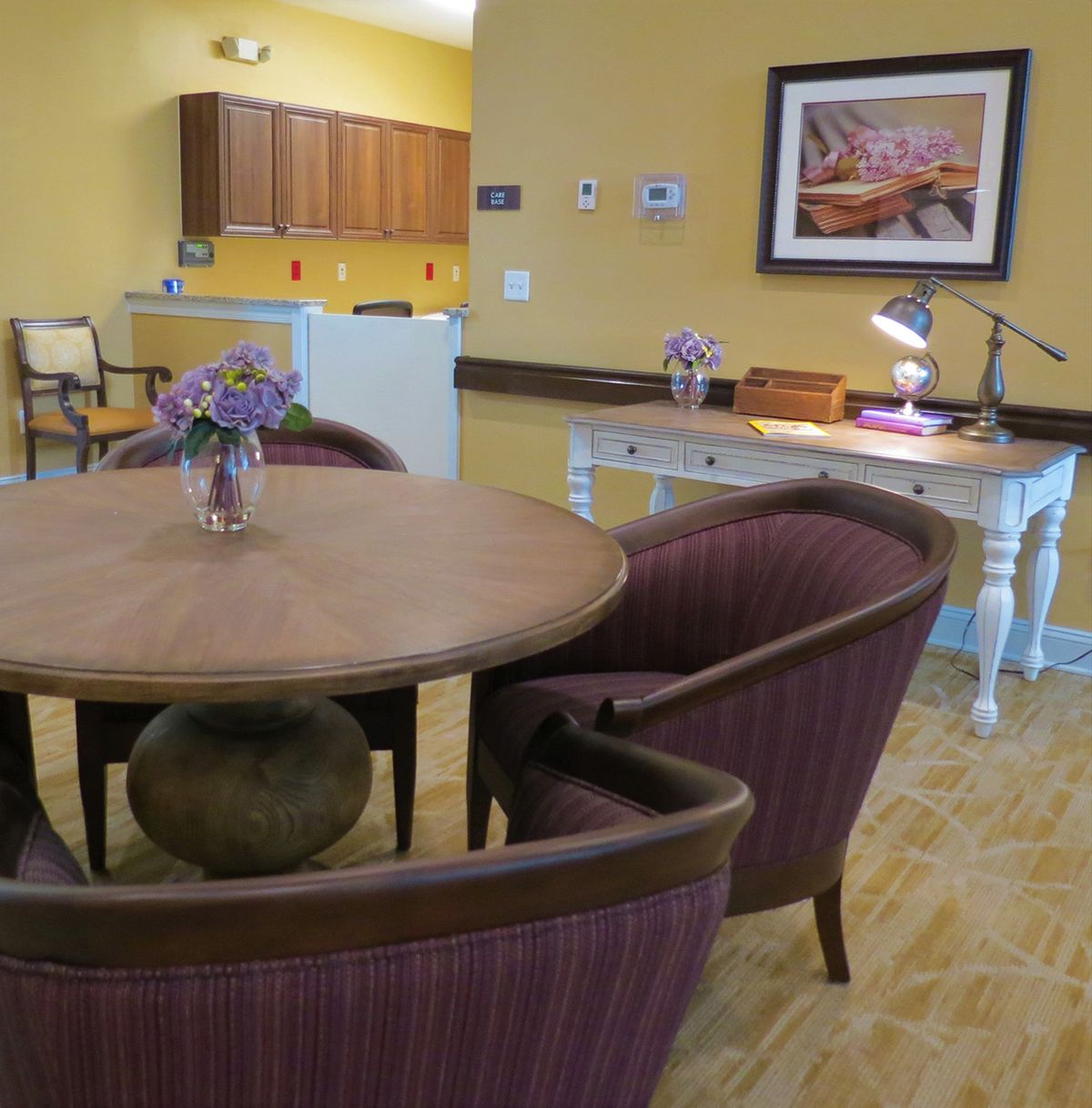
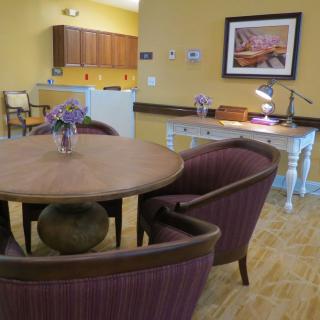
    A cozy dining area with a round table, cushioned chairs, and a small desk with a lamp, set adjacent to a kitchen.
  • Kitchen

    A modern kitchen and dining area with wooden furniture and stainless steel appliances.
  • Artwork

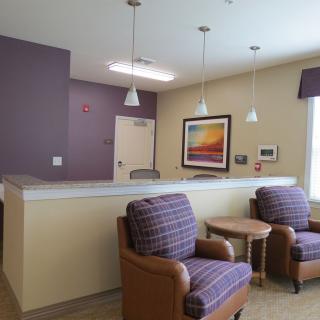
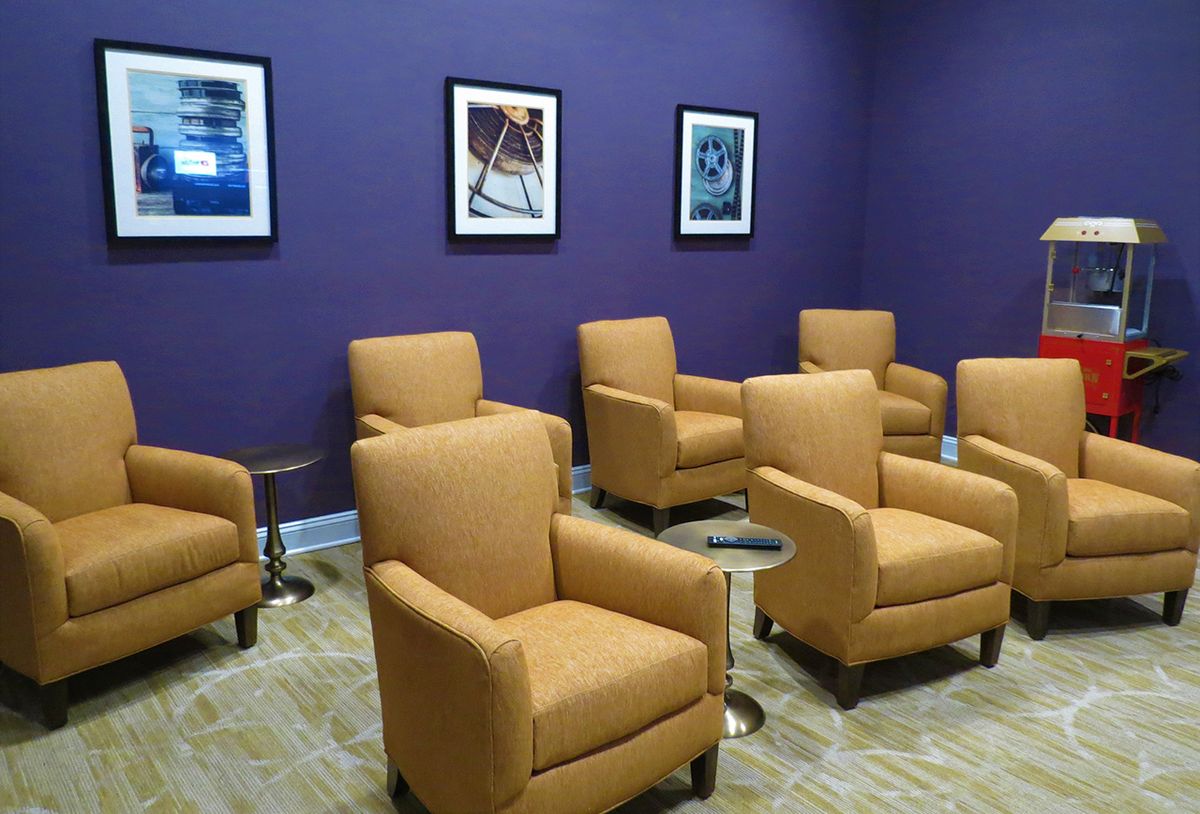
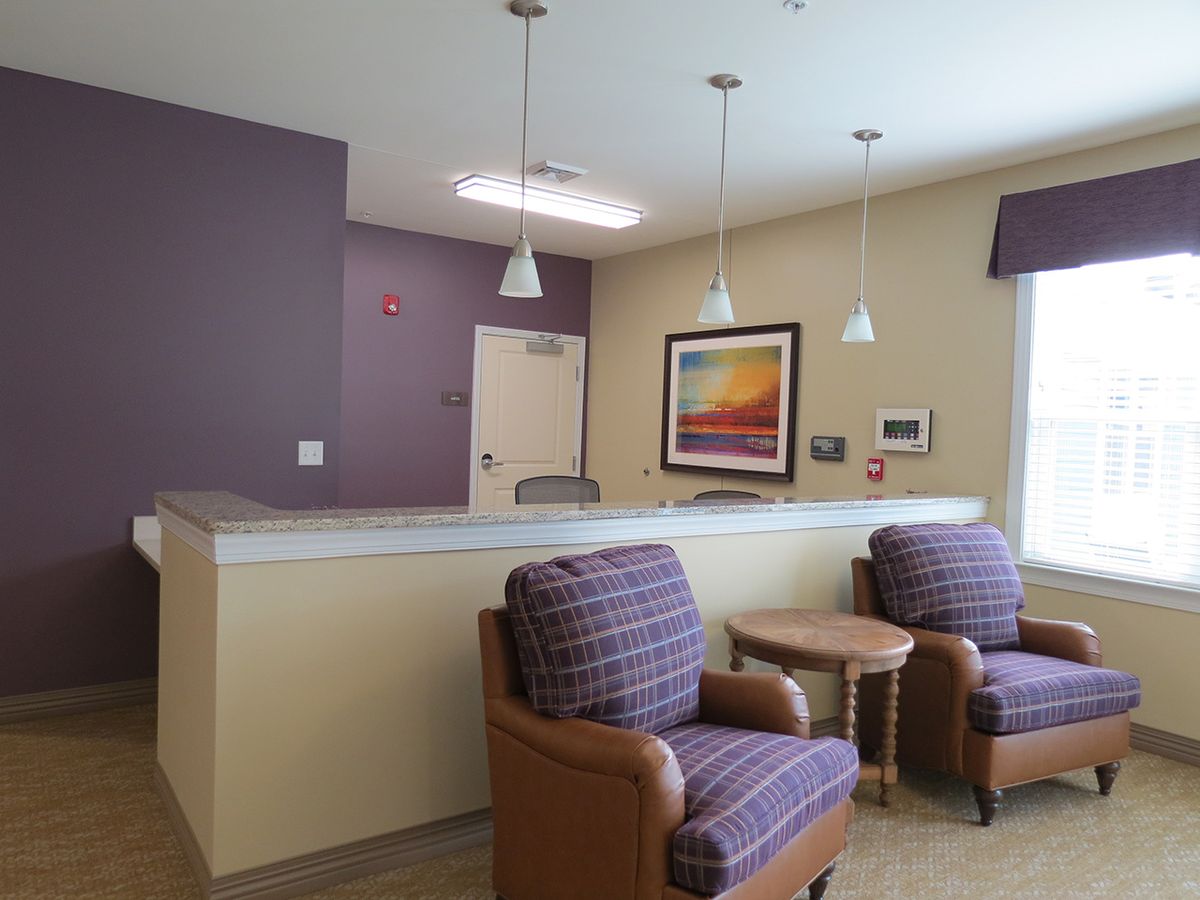
    A cozy waiting area with comfortable chairs and artwork on a purple wall.
  • Fireplace

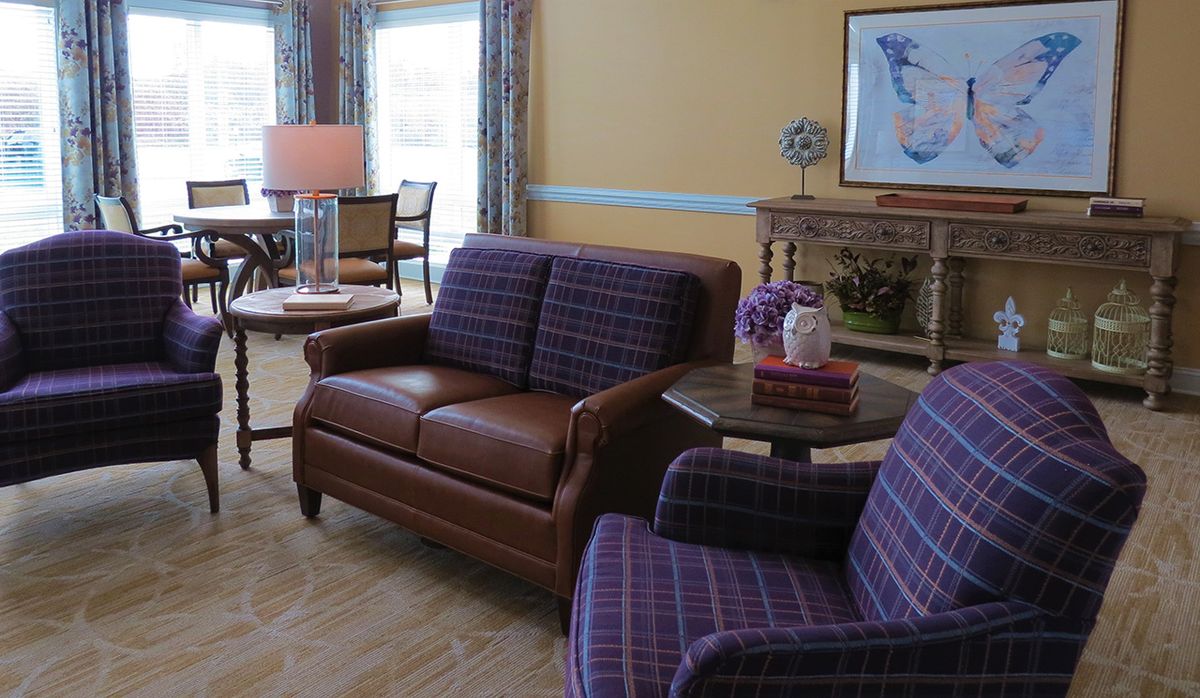
    A cozy living room with a brown sofa and purple plaid chairs, featuring a fireplace and tasteful decor.
  • Television

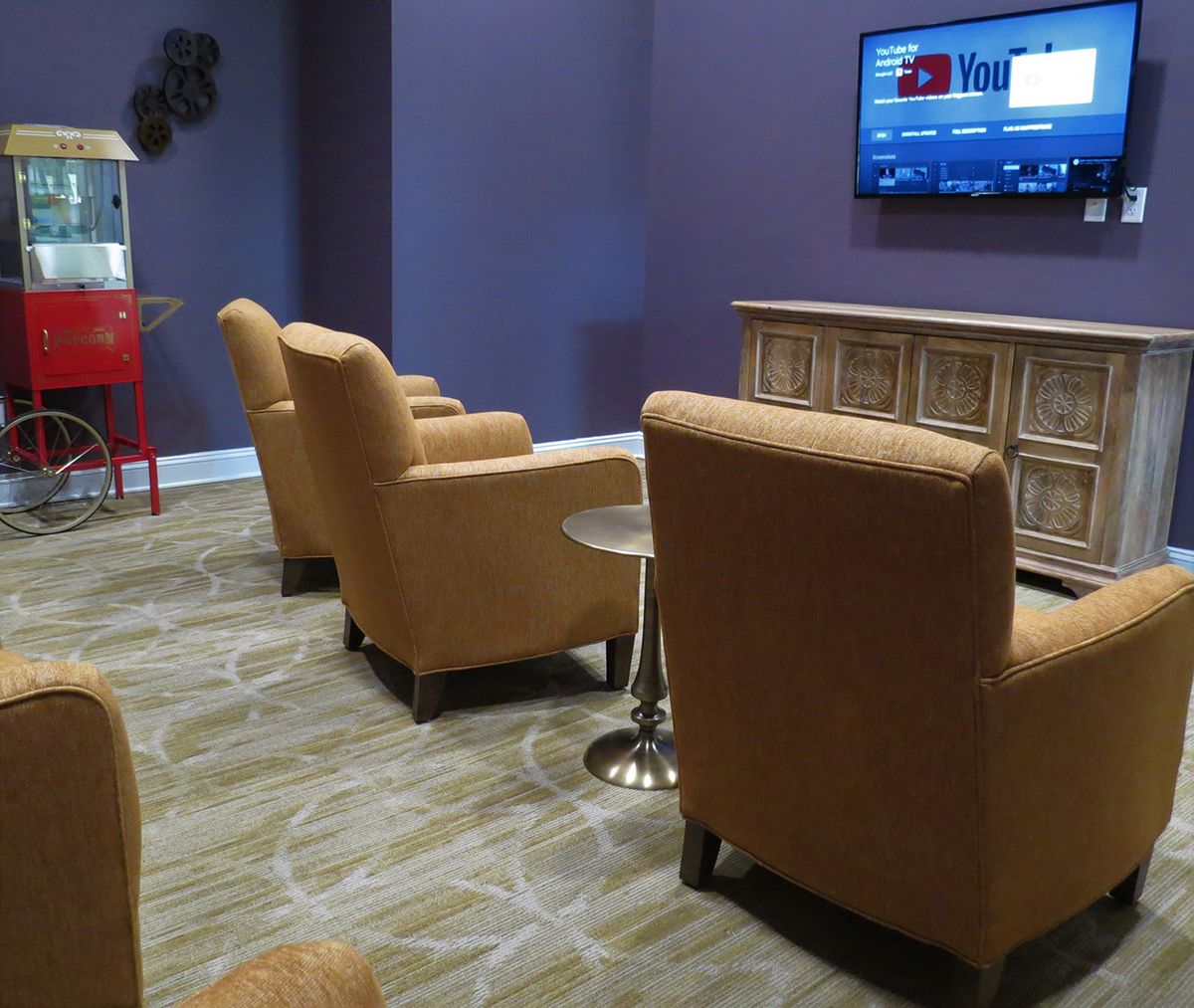
    A modern lounge area with comfortable chairs and a wall-mounted television.
  • Wall Art

    A cozy bedroom with a single bed featuring plaid bedding, decorated with wall art and a bedside lamp.
  • Painting

    A cozy waiting room with comfortable chairs and soft lighting.
  • Office

    A modern reception area featuring a wooden accent wall and a sleek desk, showcasing contemporary interior design elements.
  • Salon

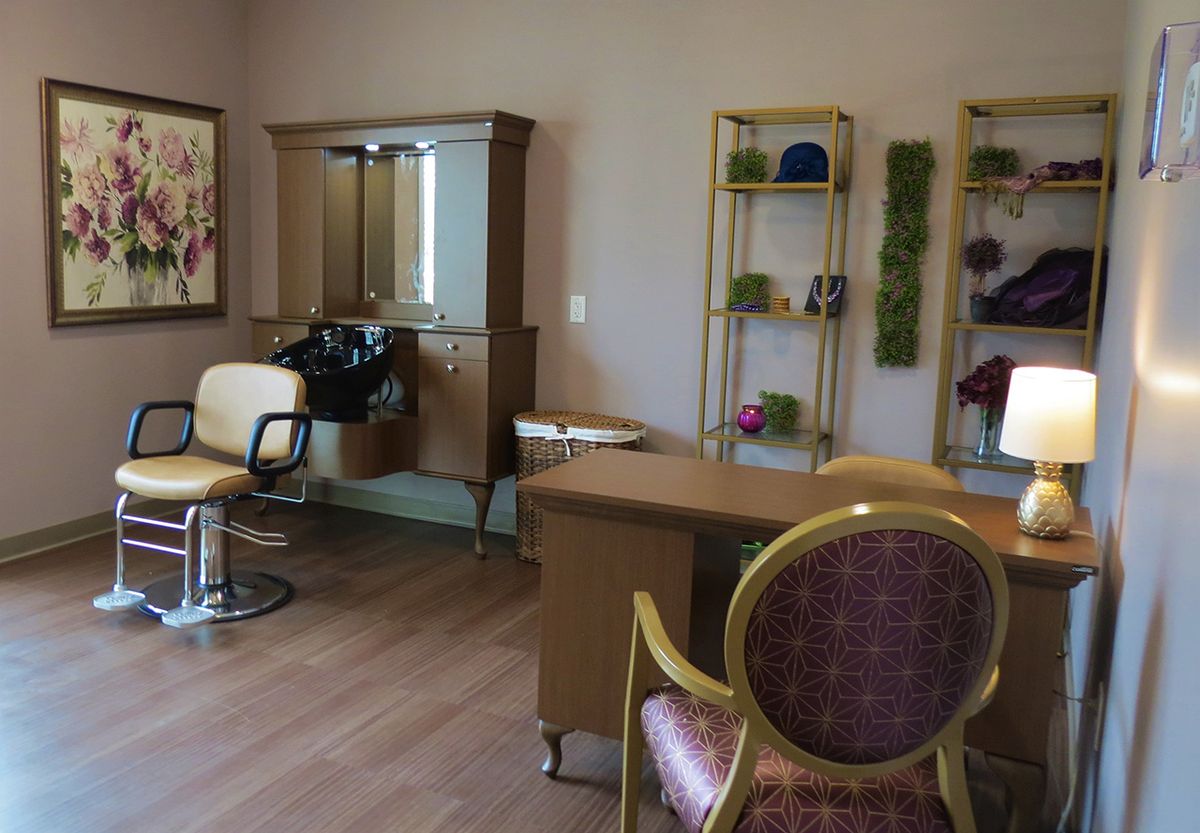
    A cozy beauty salon interior with chairs, a mirror, and neatly organized shelves.

The Retreat At Fishersville

25 Old Oaks Drive, Fishersville, VA 22939

For more information about senior living options: (844) 490-3973

4.3 from 49 reviews
5 stars
38
4 stars
2
3 stars
1
2 stars
0
1 stars
8

Assisted Living Memory Care

What level of care are you interested in?

Assisted Living

Memory Care

Independent Living

Skilled Nursing Facility

Continuing Care Retirement Community (CCRC)CCRC

Other


Request a tour at The Retreat At Fishersville

    Overall Review of The Retreat At Fishersville

    Pros

    • pro The staff at English Meadows are kind, patient, and helpful, easing stress for residents and families.
    • pro The memory care unit helps residents maintain their dignity.
    • pro The Retreat at Fishersville is beautiful, clean, updated, and modern, creating a positive atmosphere.
    • pro Terrika's leadership as Executive Director brings visible, positive changes.
    • pro The staff at The Retreat are friendly, considerate, and compassionate, with concerns addressed promptly.
    • pro The Retreat offers a caring, community-like setting where residents feel cared for and respected.
    • pro The dining area is excellent, with attractively presented meals and appropriately sized portions.
    • pro The facility is well-maintained and clean, with attentive management and a welcoming environment.

    Cons

    • pro Leadership at the facility does not return calls and families are kept in the dark about residents' care.
    • pro The facility is severely understaffed, with poor teamwork and inadequate care, especially at nights and weekends.
    • pro Rooms are not cleaned, showers are hard to obtain, and food is nasty or hard for residents to manage, with poor communication.
    • pro Aides and med techs are not friendly or compassionate, and medical care is not consistently appropriate.
    • pro The monthly price exceeds $6,250 and is not matched by the perceived quality of care.
    • pro The place is described as a disaster by some reviewers, with dirty, stinking rooms and little interaction with residents.

    Review

    The Retreat at Fishersville is best suited for families seeking a modern, purpose-built assisted living environment with strong social programming and a clearly visible emphasis on memory care. The community works well for residents who benefit from a bright, single-level campus, easy navigation, open dining spaces, and a calendar packed with activities and excursions. Families prioritizing hands-on staff engagement, responsive problem-solving, and a campus that feels neighborly and well-maintained will find this setting particularly appealing. The memory-care component, with secure outdoor access and carefully designed programming, makes it a compelling option for loved ones who need vigilant oversight and structured opportunities to stay connected and engaged.

    Conversely, those who may want to consider alternatives include families operating on tighter budgets or relying on Medicaid, since The Retreat does not currently accept Medicaid and pricing can be a hurdle for some. Also, anyone seeking highly consistent, hospital-like medical oversight or a uniformly seamless leadership presence across all shifts should look closely elsewhere, because several reviews raise concerns about communication gaps, staffing consistency, and administrative responsiveness. Prospective residents with dementia- or behavior-management needs that require very tight day-to-day coordination might encounter variability in experience, depending on shift coverage and unit leadership.

    The strongest positives - modern, clean facilities; an active and varied programming slate; and staff who are repeatedly described as caring and attentive - tend to offset several of the more troubling concerns. The leadership transition under Terrika as executive director is highlighted by multiple reviewers as a catalyst for positive changes, with improvements in atmosphere, transparency, and daily operations noted. The dining experience is consistently praised for quality, presentation, and portion size, and many families highlight the value proposition relative to the level of care provided. The campus layout and real-environment amenities - on-site therapy services, a welcoming activity director, and accessible common spaces - further reinforce the impression of a well-run community that respects resident dignity and autonomy.

    Yet the reviews also reveal real risks that must be weighed. Instances of delayed or unclear communication with families, reports of staffing strains at night or on weekends, and occasional concerns about the consistency of care in memory care cannot be dismissed. Some families describe experiences where care quality and engagement did not meet expectations, including feedback about meal quality and interaction with staff. Financial and administrative friction - such as deposit practices and refund timelines - also appears in the history, signaling the need for rigorous upfront clarity on policies and expectations. These factors don't negate the strengths of the program, but they do argue for a careful, evidence-based tour and direct conversations about current staffing levels, care protocols, and family communication pathways.

    For families evaluating memory care specifically, it pays to verify the daily rhythm of supervision, the nurse-to-resident ratio on each shift, and the degree of resident engagement during the day. Ask for a candid walk-through of the memory-care wing, observe how staff interact with residents, and request a recent activity calendar to compare with what residents actually experience. In assisted living, probe how care plans are created, updated, and shared with families; how physicians, therapists, and outside providers are coordinated; and what happens when the resident's needs change. Given mixed experiences described in some reviews, insist on clear expectations, written policies, and a point of contact who can be reached reliably.

    In the end, The Retreat at Fishersville presents a compelling option for families prioritizing a bright, modern environment, a robust activity program, and compassionate staff who are invested in resident well-being. It is especially attractive for those with memory-care needs who want visibility into daily life and regular opportunities for engagement, exercise, and social involvement. However, for families requiring Medicaid coverage, or for those whose decision hinges on impeccably consistent communication and 24/7 medical coordination, alternatives should be actively explored. A decisive step is an in-person tour that includes current leadership introduction, a live meal or activity observation, and a transparent discussion about staffing patterns, care planning, and family communication protocols to ensure alignment with expectations and long-term goals.

    Features

    Housing

    • 66 resident community capacity 66 resident community capacity
    • 1-bedroom apartments 1-bedroom apartments1-bedroom apartments are important for seniors because they provide a sense of independence, privacy, and autonomy while still offering the necessary space for comfortable living. These apartments allow seniors to maintain their own personal space and lifestyle preferences in a supportive community setting.
    • 2-bedroom apartments 2-bedroom apartments2-bedroom apartments are important for seniors because they provide extra space for guests, hobbies, and caregivers, as well as potential for additional income through roommates or rental.
    • Studio apartments Studio apartmentsStudio apartments are important for seniors because they offer a smaller, more manageable living space that is easier to navigate and maintain as physical abilities decline. Additionally, studio apartments provide seniors with independence and privacy while still being part of a community that offers support and social opportunities.

    Types of Care

    • Assisted Living Assisted LivingAssisted living facilities provide crucial support and care for seniors who may need help with daily tasks such as medication management, bathing, and meal preparation. These communities offer a safe and comfortable environment where seniors can maintain their independence while receiving the assistance they need to thrive in their golden years.
    • Memory Care Memory CareMemory care is crucial for seniors as it provides specialized support and services for individuals with dementia or Alzheimer's disease. These programs offer a safe and secure environment where residents receive personalized care, cognitive stimulation, and help with daily activities. Memory care helps seniors maintain their independence, quality of life, and dignity while also providing peace of mind for their families.

    Amenities

    • Air-conditioning Air-conditioningAir conditioning is important for seniors as they are more vulnerable to heat-related illnesses and may have underlying health conditions that make it difficult for them to regulate their body temperature. It helps to keep them comfortable, safe, and healthy in hot weather.
    • Beauty salon Beauty salonBeauty salons are important for seniors because they provide a space for them to feel pampered, socialize, and maintain their personal grooming and hygiene. Regular visits to a beauty salon can help boost seniors' self-esteem and overall well-being.
    • Cable or satellite TV Cable or satellite TVCable or satellite TV is important for seniors because it provides entertainment, news, and companionship, helping to combat loneliness and boredom. It also offers a wide range of programming options tailored to different interests and preferences.
    • Computer center Computer centerA computer center is essential for seniors as it provides access to technology, communication tools, and resources that can enhance their daily lives. It allows them to stay connected with loved ones, engage in online activities, and learn new skills, ultimately promoting socialization and mental stimulation.
    • Dining room Dining roomDining rooms are important for seniors as they provide a space for socialization, connection, and nutritious meals. They offer opportunities for residents to bond over shared meals, foster a sense of community, and promote healthy eating habits. Dining rooms also ensure that seniors have access to well-balanced meals tailored to their dietary needs and preferences.
    • Fitness room Fitness roomHaving a fitness room in a senior living community is essential for seniors to stay active, maintain their physical health, and improve their overall well-being. Regular exercise can help prevent falls, reduce the risk of chronic diseases, and promote mental sharpness. It also provides social opportunities for residents to connect with others and enjoy a sense of community.
    • Fully furnished Fully furnishedFully furnished senior living communities are important for seniors because they provide convenience, comfort, and a hassle-free moving experience. Seniors can easily settle into their new living space without the stress of having to buy and move furniture. This allows them to focus on enjoying their new home and community.
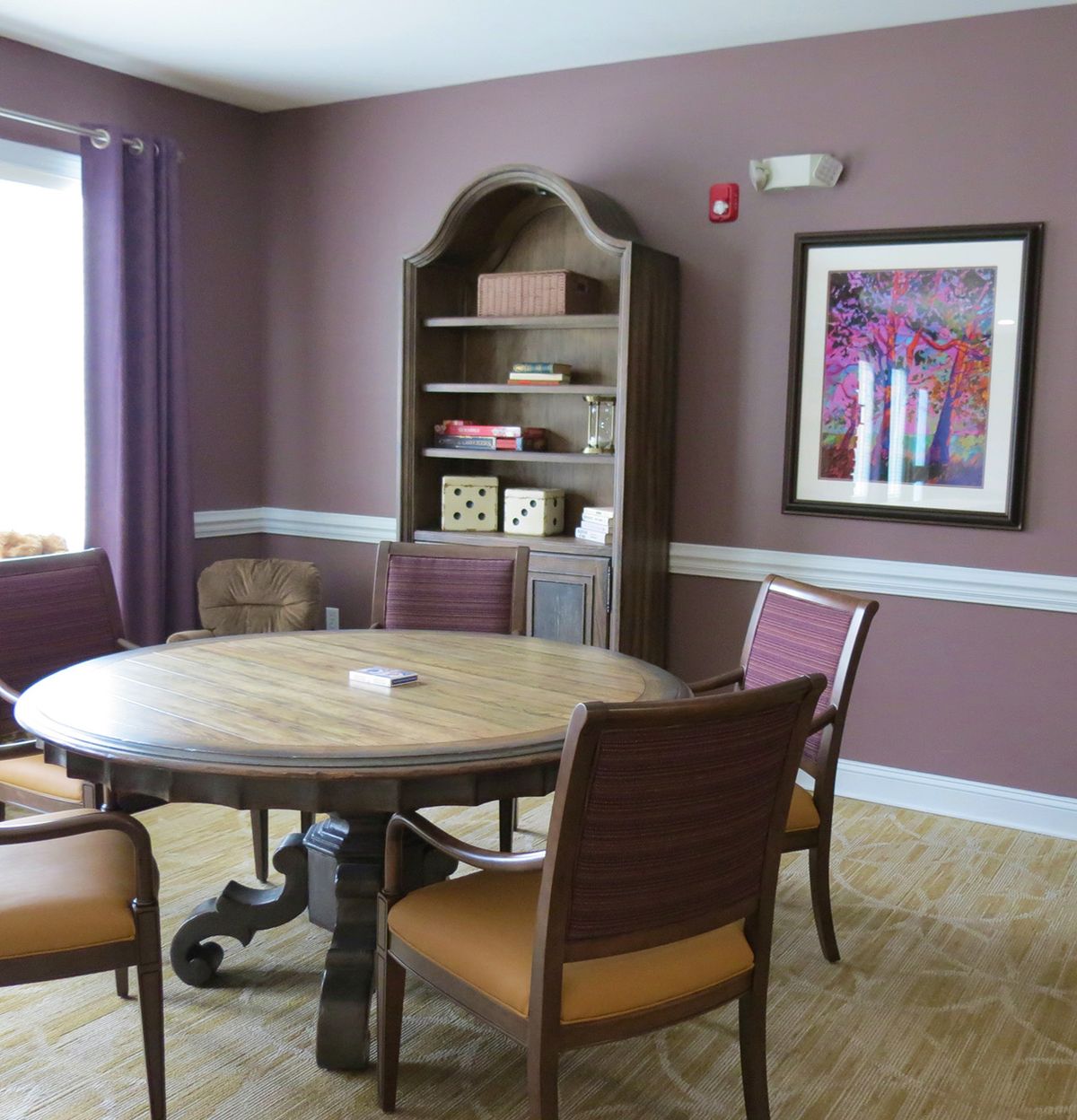
    • Gaming room Gaming roomGaming rooms are important for seniors as they provide a fun and engaging environment for socializing, cognitive stimulation, and physical activity. Games can improve memory, problem-solving skills, and overall mental well-being while fostering friendships and reducing feelings of isolation.
    • Garden GardenGardens are important for seniors as they provide a peaceful and therapeutic environment for relaxation, physical activity, and socialization. Being in nature has been shown to reduce stress, improve mood, and promote overall well-being. Gardens also offer opportunities for seniors to engage in gardening activities, which can improve mobility, flexibility, and cognitive function. Additionally, gardens create a sense of community and connection with others who share a passion for plants and outdoor spaces.
    • Housekeeping services Housekeeping servicesHousekeeping services are important for seniors because they help maintain a clean and safe living environment, promote independence, and reduce the risk of accidents or illnesses. Additionally, having assistance with household chores can alleviate physical strain and allow seniors to focus on other aspects of their well-being.
    • Kitchenette KitchenetteKitchenettes are important for seniors living in senior living communities because they provide the convenience and independence of being able to prepare simple meals and snacks in the comfort of their own living space. This can help promote a sense of autonomy and well-being for seniors, allowing them to maintain some level of control over their dietary choices and daily routines.
    • Move-in coordination Move-in coordinationMove-in coordination is important for seniors because it helps ease the transition into their new living environment. It ensures that all logistics, such as packing, organizing movers, and setting up utilities are taken care of, allowing seniors to focus on settling in and adjusting to their new home. Having a smooth move-in process can alleviate stress and anxiety, making the transition smoother and more enjoyable for seniors.
    • Outdoor space Outdoor spaceOutdoor spaces are important for seniors as they provide opportunities for physical activity, social interaction, exposure to natural light and fresh air, and a sense of connection to nature. Having access to outdoor spaces can improve overall well-being and quality of life for older adults living in senior communities.
    • Private bathrooms Private bathroomsPrivate bathrooms are important for seniors in senior living communities because they provide independence, dignity, and comfort. Having a private bathroom allows seniors to maintain their personal hygiene routines without the need for assistance, promoting a sense of autonomy and privacy. Additionally, private bathrooms help prevent the spread of infections and provide a safe and clean environment for seniors to navigate safely.
    • Restaurant-style dining Restaurant-style diningRestaurant-style dining is important for seniors because it allows them to enjoy delicious, nutritious meals in a social and upscale setting. This enhances their dining experience, promotes healthy eating habits, and fosters socialization with fellow residents, ultimately contributing to their overall well-being and quality of life.
    • Small library Small librarySmall libraries are important for seniors as they provide access to a variety of reading materials, including books, newspapers, and magazines. This can help stimulate their minds, keep them engaged, and provide a sense of community through book clubs and other social activities. Additionally, reading has been shown to improve cognitive function and overall mental well-being in older adults.
    • Telephone TelephoneTelephones are important for seniors as they provide a lifeline for communication with loved ones, emergency services, and healthcare providers. They offer a sense of security and independence, enabling seniors to stay connected and access assistance when needed.
    • Wellness center Wellness centerWellness centers are important for seniors because they offer a variety of programs and services that promote physical, mental, and emotional well-being. These centers provide opportunities for exercise, socialization, education, and relaxation, helping seniors maintain their overall health and quality of life.
    • Wi-Fi/high-speed internet available Wi-Fi/high-speed internet availableWi-Fi/high-speed internet is important for seniors to stay connected with loved ones, access online resources, and participate in virtual activities to combat feelings of loneliness and isolation. It also allows them to easily manage healthcare needs, access entertainment, and engage in lifelong learning opportunities.

    Transportation

    • Shenandoah Valley Regional (12 miles away) Shenandoah Valley Regional (12 miles away)
    • Community operated transportation Community operated transportationCommunity operated transportation is crucial for seniors as it provides them with the means to access essential services, social activities, and medical appointments. It allows seniors to maintain their independence and quality of life by ensuring they can participate in activities outside of their homes. Additionally, community-operated transportation services offer a safe and reliable way for seniors to travel without having to rely on family or friends for assistance.
    • Transportation arrangement Transportation arrangementTransportation arrangements are crucial for seniors as they may face challenges with driving, mobility, or access to public transportation. Having reliable transportation services ensures that seniors can easily attend appointments, social activities, and maintain their independence and quality of life.
    • Transportation arrangement (non-medical) Transportation arrangement (non-medical)Transportation arrangements are essential for seniors as they provide access to essential services, activities, and social interactions outside the home. This service helps maintain independence, mobility, and overall well-being for seniors who may have limited transportation options.
    • Transportation to doctors appointments Transportation to doctors appointmentsTransportation to doctors appointments is crucial for seniors as it ensures they have access to necessary medical care and support, promoting their health and well-being. It allows them to receive timely treatment, monitor existing conditions, and address any new health concerns efficiently. Additionally, transportation services can help seniors maintain their independence and quality of life by enabling them to stay connected with their healthcare providers.

    Care Services

    • 12-16 hour nursing 12-16 hour nursing12-16 hour nursing care is crucial for seniors in order to ensure around-the-clock monitoring, timely medication administration, and prompt response to any health concerns or emergencies. This level of care helps to promote the overall well-being and safety of seniors living in senior living communities.
    • 24-hour call system 24-hour call system24-hour call systems are important for seniors because they provide peace of mind and immediate assistance in case of emergencies. This technology ensures that help is always available, promoting safety and security for elderly individuals living alone or in assisted living facilities.
    • 24-hour supervision 24-hour supervision24-hour supervision is important for seniors to ensure their safety, well-being, and access to immediate assistance in case of emergencies or health issues. This constant support provides peace of mind for both seniors and their loved ones, allowing them to age in place with dignity and security.
    • Activities of daily living assistance Activities of daily living assistanceActivities of daily living assistance are important for seniors because they provide essential support with tasks such as eating, bathing, dressing, and mobility. This assistance helps seniors maintain their independence, dignity, and overall quality of life as they age.
    • Assistance with bathing Assistance with bathingAssistance with bathing is crucial for seniors as it helps maintain personal hygiene, prevents infections, and ensures their overall well-being and comfort. It also provides a sense of dignity and independence for seniors who may struggle with this task on their own.
    • Assistance with dressing Assistance with dressingAssistance with dressing is important for seniors because it helps maintain their independence, promotes personal hygiene, prevents accidents and injuries, and improves overall quality of life. This service ensures that seniors can continue to dress comfortably and confidently, despite any physical limitations they may have.
    • Assistance with transfers Assistance with transfersAssistance with transfers is crucial for seniors as it helps prevent falls and injuries, maintains their independence, and ensures they can safely navigate their living environment. It also provides peace of mind for both seniors and their loved ones.
    • Diabetes diet Diabetes dietA diabetes diet is crucial for seniors as it helps manage blood sugar levels, reduce risks of complications, and improve overall health and well-being. By following a balanced and nutritious diet tailored to their specific needs, seniors can better control their diabetes and enhance their quality of life.
    • Meal preparation and service Meal preparation and serviceMeal preparation and service are crucial for seniors as they may have limited mobility or energy to cook nutritious meals. Having access to healthy and convenient food options can ensure they are getting the proper nutrition needed to maintain their overall health and well-being.
    • Medication management Medication managementMedication management is crucial for seniors to ensure they are taking the right medications at the correct dosages and times. This helps prevent adverse drug interactions, reduces the risk of medication errors, and promotes overall health and well-being. Proactive management also allows for adjustments as needed based on changing health conditions or new prescriptions.
    • Mental wellness program Mental wellness programMental wellness programs are essential for seniors as they promote cognitive stimulation, emotional support, and social engagement. These programs help prevent isolation, depression, and cognitive decline, ultimately enhancing the overall quality of life for older adults.
    • Mild cognitive impairment Mild cognitive impairment"Mild cognitive impairment" is important for seniors because it is an early stage of cognitive decline that can potentially progress to more severe conditions such as dementia. Recognizing and addressing mild cognitive impairment can help seniors receive appropriate care and support to maintain their quality of life and independence for as long as possible.
    • Special dietary restrictions Special dietary restrictionsSpecial dietary restrictions are important for seniors because age-related changes in metabolism and health conditions can make it difficult for their bodies to process certain foods. By following a diet tailored to their specific needs, seniors can maintain their overall health and well-being, manage chronic conditions, and reduce the risk of complications such as malnutrition or food interactions with medications.
    • Specialized memory care programming Specialized memory care programmingSpecialized memory care programming is crucial for seniors with cognitive impairments such as dementia or Alzheimer's disease. These programs provide a safe and supportive environment tailored to the unique needs of individuals with memory loss, helping them maintain their independence, dignity, and quality of life.

    Dining

    • Diabetes diet Diabetes dietA diabetes diet is crucial for seniors as it helps manage blood sugar levels, reduce risks of complications, and improve overall health and well-being. By following a balanced and nutritious diet tailored to their specific needs, seniors can better control their diabetes and enhance their quality of life.
    • Special dietary restrictions Special dietary restrictionsSpecial dietary restrictions are important for seniors because age-related changes in metabolism and health conditions can make it difficult for their bodies to process certain foods. By following a diet tailored to their specific needs, seniors can maintain their overall health and well-being, manage chronic conditions, and reduce the risk of complications such as malnutrition or food interactions with medications.

    Activities

    • Community-sponsored activities Community-sponsored activitiesCommunity-sponsored activities are important for seniors as they provide opportunities for social interaction, mental stimulation, and physical activity. These activities can help improve overall well-being, combat loneliness and isolation, and promote a sense of belonging and purpose among older adults.
    • Concierge services Concierge servicesConcierge services are essential for seniors as they provide assistance with daily tasks and errands, enhance their quality of life by offering convenience and personalized care, and promote a sense of safety and security.
    • Fitness programs Fitness programsFitness programs are crucial for seniors as they help improve strength, flexibility, balance, and overall well-being. Staying active can reduce the risk of chronic diseases, improve mental health, and enhance quality of life in older adults.
    • Planned day trips Planned day tripsPlanned day trips are important for seniors because they offer opportunities for socialization, mental stimulation, and physical activity. They provide a change of scenery and help seniors stay engaged and connected to their community, promoting overall well-being and quality of life.
    • Resident-run activities Resident-run activitiesResident-run activities are important for seniors as they encourage social interaction, creativity, and a sense of autonomy. These activities empower seniors to stay engaged and active in their community while fostering meaningful connections with their peers.
    • Scheduled daily activities Scheduled daily activitiesScheduled daily activities are important for seniors because they provide structure, socialization, mental stimulation, and physical activity. Engaging in regular activities can improve overall well-being and quality of life for seniors living in a community setting.

    Description

    The Retreat at Fishersville in Fishersville, VA is an assisted living community that provides exceptional care and support for seniors. With a variety of housing options including 2-bedroom apartments and studio apartments, residents can choose the living arrangement that best suits their needs.

    The community specializes in memory care, offering specialized programs and services for individuals with dementia or Alzheimer's disease. Residents receive 24-hour supervision and assistance with activities of daily living, such as bathing, dressing, and transfers. The dedicated staff also provides medication management and follows customized diabetes diets if needed.

    The Retreat at Fishersville boasts a range of amenities to enhance the residents' quality of life. There is a beauty salon on-site for pampering and grooming needs, as well as a fully equipped fitness room for physical exercise. The community offers various recreational spaces including a gaming room, small library, and outdoor garden where residents can relax and socialize. Wi-Fi/high-speed internet is available throughout the community.

    Meals are served in a restaurant-style dining room, with special dietary restrictions taken into consideration. The kitchenettes in the apartments allow residents to prepare their own meals if desired. Housekeeping services ensure that the living environment remains clean and comfortable.

    Transportation needs are addressed through community-operated transportation services which not only provide regular transportation nearby but also make arrangements for non-medical transportation needs as well as transportation to doctor's appointments.

    Residents can enjoy a wide array of activities provided by The Retreat at Fishersville. This includes fitness programs to promote physical health, planned day trips to explore the local area, resident-run activities where individuals can share their talents or interests with others, and scheduled daily activities to keep everyone engaged.

    The community is conveniently located near various amenities within close proximity. There are three nearby cafes for socializing or meeting friends outside the community. Additionally, there are numerous pharmacies and physicians nearby ensuring easy access to medical services when needed. A variety of restaurants are also within reach, offering residents a diverse range of dining options. Places of worship allow residents to maintain their spiritual practices, and several hospitals ensure that residents have access to quality medical care.

    The Retreat at Fishersville provides a comfortable and supportive environment for seniors, with exceptional care, amenities, and convenient accessibility to meet their needs.

    Nearby Places of Interest

    Pharmacies

    • Fishersville Family Pharmacy (0.2 miles)
    • Augusta Medical Center Prescrs (1 miles)
    • Augusta Health Outpatient Phar (1.5 miles)
    • Fishersville Family Pharmacy (1.6 miles)
    • CVS Pharmacy (4 miles)
    • CVS Pharmacy (4 miles)
    • Klock Pharmacy Waynesboro (4.1 miles)

    Hospitals

    • Staunton Dialysis (0.4 miles)
    • University of Virginia Health System (1.1 miles)
    • Augusta Medical Center (1.3 miles)

    Physicians

    • EyeOne (0.9 miles)
    • Augusta Health Cardiology - Heart & Vascular Center (0.9 miles)
    • Gray, Thomas Dr - Augusta Health Internal Medicine (0.9 miles)
    • Orthopedic Associates (1 miles)
    • Augusta Pediatrics (1 miles)
    • Augusta Health Sleep Lab (1 miles)
    • UVA Augusta Plastic Surgery (1 miles)

    Restaurants

    • McDonald's (1.7 miles)
    • Wendy's (1.9 miles)
    • Sidelines Sports Bar & Grill (2 miles)
    • Mrs Rowe's Catering (2.5 miles)
    • Cracker Barrel (2.7 miles)
    • Waffle House (2.9 miles)
    • Chick-Fil-A (3.1 miles)

    Places of Worship

    • Blue Ridge Church Of Christ (2 miles)
    • Reality Church (2.1 miles)
    • Cornerstone Church of Augusta (2.4 miles)
    • Southern Baptist Convention (3.4 miles)
    • Rebirth International (5 miles)
    • Covenant Presbyterian Church (5.2 miles)

    Cafes

    • Starbucks (3.1 miles)
    • Panera Bread (4.3 miles)
    • Starbucks (4.3 miles)
    • By & By (5.1 miles)
    • Réunion Bakery & Espresso (5.1 miles)
    • Staunton Coffee Company (5.1 miles)
    • Crucible Coffee Roasters (5.2 miles)

    Transportation

    • Eagles Nest Flight Service (3.5 miles)
    • Enterprise Rent-A-Car (4.2 miles)
    • Amtrak Station-STA (5.1 miles)

    Theaters

    • Shenandoah Shakespear Black Friars Theater (5.1 miles)
    • Staunton Performing Arts Center (5.1 miles)

    Frequently Asked Questions

    What floor plans and room types does The Retreat At Fishersville offer?
    Where is The Retreat At Fishersville?
    Does The Retreat At Fishersville provide care for residents with dementia or Alzheimer's disease?
    What photos are available for The Retreat At Fishersville in Fishersville, Virginia?

    Nearby Communities

    • Birch Gardens

      Birch Gardens

      Staunton, VA

      4.1 from 22 reviews
       

      pro Open spaces, a secure environment, attentive staff, engaging activities, and quality dining.


    • Royal Care Assisted Living

      Royal Care Assisted Living

      Staunton, VA


      pro Fully furnished units with in-unit kitchenette, restaurant-style dining, and 24/7 supervision with medication management.

    • Shenandoah House

      Shenandoah House

      Fishersville, VA


      pro Small, intimate 6-resident community with 24-hour supervision and comprehensive daily care.

    • Shenandoah House at AMC

      Shenandoah House at AMC

      Fishersville, VA

      4 from 1 review
       

      pro Serene, well-regarded community with a positive tour experience.

    • Royal Care at Birch Ridge

      Royal Care at Birch Ridge

      Staunton, VA

      4.2 from 25 reviews
      $2,750 to $3,700 / month

      pro Caring, attentive staff in a clean, home-like setting with reasonable pricing.

    • Augusta Nursing & Rehab Center

      Augusta Nursing & Rehab Center

      Fishersville, VA

      3.3 from 113 reviews
       

      pro Friendly, caring staff and an engaging, respectful atmosphere.

    • Care Corner Assisted Living

      Care Corner Assisted Living

      Fishersville, VA

      2.5 from 4 reviews
      $2,100 to $2,700 / month

      pro Intimate, homelike setting with responsive staff; affordable pricing.

    • The Retreat at Fishersville

      The Retreat at Fishersville

      Fishersville, VA

      4.2 from 61 reviews
      $4,685 to $6,700 / month

      pro Caring staff, engaging activities, and attractive, restaurant-style dining in a well-maintained memory care setting.

    • The Legacy at North Augusta

      The Legacy at North Augusta

      Staunton, VA

      4.5 from 35 reviews
      $2,654 to $5,239 / month

      pro Spacious, well-designed apartments with a friendly, professional staff and pleasant dining.

    Related Resources

    • dementia careA Holistic Dementia Care Guide: Effective Strategies for Memory Support

      The guide on holistic dementia care outlines the complexity of dementia and stresses the need for individualized caregiver strategies that include medical treatment, psychological support, and environmental adaptations, while emphasizing early detection, various therapeutic options, and caregiver support to enhance quality of life and maintain dignity.

    • dementia careMemory Care Pathways: A Holistic Guide to Dementia Support

      "Memory Care Pathways: A Holistic Guide to Dementia Support" outlines the complexities of dementia and its various types, emphasizing early detection, patient-centered care strategies, caregiver support, and long-term care options while addressing legal and financial considerations to enhance the quality of life for individuals with dementia and their families.

    • sundown syndromeComprehending Evening Confusion in Dementia: Causes, Manifestations, and Support
      Sundown syndrome, or sundowning, is a phenomenon in dementia patients characterized by increased confusion and agitation during late afternoon and evening, influenced by factors like disrupted circadian rhythms and fatigue. Effective caregiver strategies include establishing routines and managing environmental light while addressing caregiver stress through support services.


    Get Pricing Ask A Question Schedule A Tour Contact Senior Advisor