
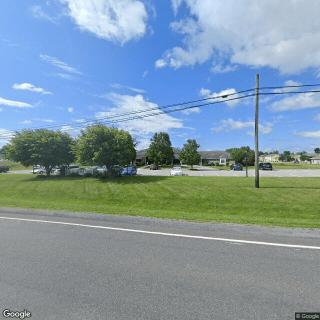
54 Imperial Drive, Staunton, VA 24401
For more information about senior living options: (866) 208-4318
Overall Review of Royal Care Assisted Living
Pros
 Amber Fortenberry is fantastic and deeply cares about residents' well-being.
- Birch Ridge staff are welcoming, friendly, and attentive.
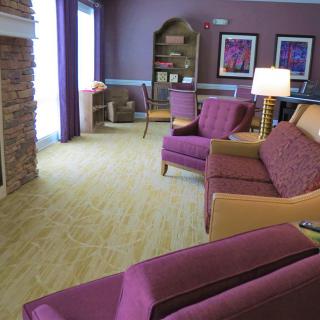
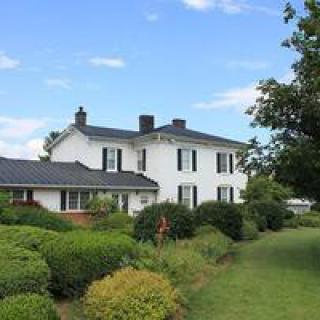
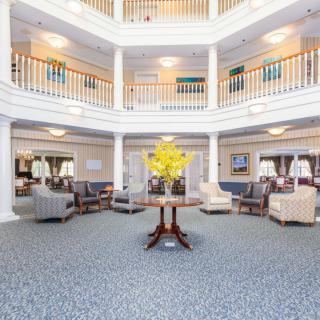
- The Birch Ridge community presents a clean, lively, home-like environment.
- Amber Fortenberry provides warm greetings and thorough tours, answering all questions.
- The residents enjoy a variety of activities, including live guitar, singing, Bible studies, and social events.
- Meals at Birch Ridge are delicious, with opportunities to stay for dinner.
- The facility is pet-friendly and allows visits or overnight stays with loved ones.
- The staff go above and beyond to make residents' final days comfortable and enjoyable.
Cons
 They felt completely deflated after visiting nearly every assisted living facility in the area.
- They found some facilities to be too expensive.
- They found some facilities unequipped for dementia care.
- They found some facilities poorly maintained.
- They received bad vibes from certain facilities.
- Their hopes were fading.
Review
This Staunton community is best suited for families seeking a warm, home-like assisted living experience where every day centers on personal attention, social connection, and hands-on, administrator-led care. The reviews consistently describe a campus that feels welcoming and unhurried, with staff who know residents by name and respond with genuine warmth. It works well for seniors who value meaningful daily activities, regular contact with caregivers, and a sense of belonging within a friendly, neighborhood-style setting. For couples or individuals who fear a clinical, impersonal atmosphere, this environment offers a reassuring alternative that emphasizes comfort, routine, and community.
Those who may want to consider alternatives are families prioritizing aggressive medical oversight or highly specialized dementia programming. If the need is for on-site physicians, advanced wound care, or consistently rapid, clinical intervention, larger facilities with formal medical staffs may be better suited. Similarly, for residents whose care requirements fluctuate between independent living and intensive memory care, it’s prudent to compare campuses with clearly delineated dementia-care metrics, structured programming, and transparent staffing ratios. Budget-driven decisions also warrant exploring options with different pricing models or longer-term care plans that align with anticipated financial needs.
The strongest advantages center on leadership and the lived experience in daily life. Administrators or managers who are visible, accessible, and proactive, characteristics highlighted in the reviews, translate into reliable consistency for families. A capable administrator creates smooth transitions, from tours to move-in to ongoing care planning, and it shows in how staff interact with residents and families. The staff’s evident devotion, patient, attentive, and genuinely invested, creates a reliable safety net: residents appear well-supervised, engaged, and treated with respect. The home-like ambiance amplifies these strengths, with a clean, welcoming environment, friendly faces, and a front-porch feel that reinforces a sense of belonging.
Activity and social engagement emerge as another decisive edge. Meals described as appealing, a hairstylist’s regular visits, live music, Bible studies, and a cadence of social events foster a culture where seniors aren’t simply cared for; they’re included in a community. The ability for families to visit easily, even staying overnight or sharing meals, deepens trust and relief for caregivers who must balance responsibilities at home. Pet-friendly policies and flexible visitation add to the practical value, reducing stress for loved ones and supporting sustained quality of life for residents. In short, the enrichment program and family-centered approach are meaningful compensations for the non-clinical nature of daily care.
Yet the reviews also imply areas to scrutinize before committing. The most consequential potential downside is the absence of explicit, visible dementia-care specifications. Prospective residents with memory-care needs should verify the cadre of staff trained for dementia, the availability of structured activities tailored to cognitive limitations, and a clear plan for escalating care if health status changes. Another caution point is the unknowns around medical oversight and on-site clinical resources, which can be a deciding factor for families weighing long-term stability. While the warmth and attentiveness are undeniable, confirm the facility’s capabilities to support evolving medical requirements without disruption.
Taken together, the pros, dedicated leadership, a genuine, caring staff, a home-like setting, and rich daily life, largely offset most non-clinical drawbacks for families who prioritize comfort, connection, and hands-on attention. This community shines as a trusted partner for parents or spouses who value daily companionship, predictable routines, and a campus culture that treats residents as neighbors rather than numbers. For families where medical complexity or dementia-specific needs dominate the decision, use the strengths as leverage while probing for concrete dementia-care offerings, staffing models, and crisis-response protocols to ensure the fit remains steadfast over time.
In the end, this Staunton community earns strong consideration for anyone who wants a facility where care feels personal and life feels shared. It’s especially compelling for families seeking a warm, engaging atmosphere, predictable daily structure, and collaborative relationships with an accessible, invested leadership team. Prospective residents and their families should, however, bring a clear plan for memory-care support and financial expectations to the table, and insist on detailed answers about clinical capabilities before making a final commitment.
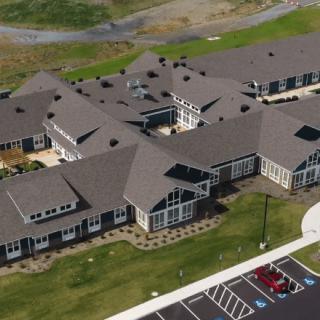
 28 resident community capacity
 Assisted Living
 Beauty salon
 Cable or satellite TV
 Dining room
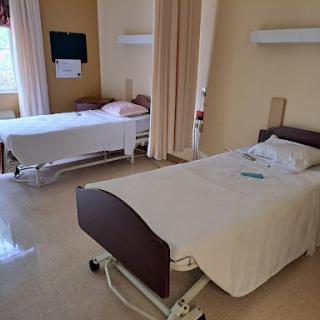
 Fully furnished
 Garden
 Housekeeping services
 Kitchenette
 Move-in coordination
 Outdoor space
 Restaurant-style dining
 Small library
 Telephone
 Wi-Fi/high-speed internet available
 Shenandoah Valley Regional (12 miles away)
 24-hour call system
 Activities of daily living assistance
 Assistance with bathing
 Assistance with dressing
 Assistance with transfers
 Diabetes diet
 Medication management
 Mental wellness program
 Special dietary restrictions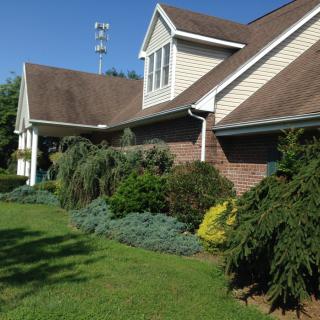

 Beyond the Bingo Hall: 50+ Enriching Activities for Seniors in Assisted Living
 Understanding the Distinctions: Assisted Living and Memory Care Explained
 Guiding Elderly Parents Who Refuse Assisted Living: 6 Practical Steps