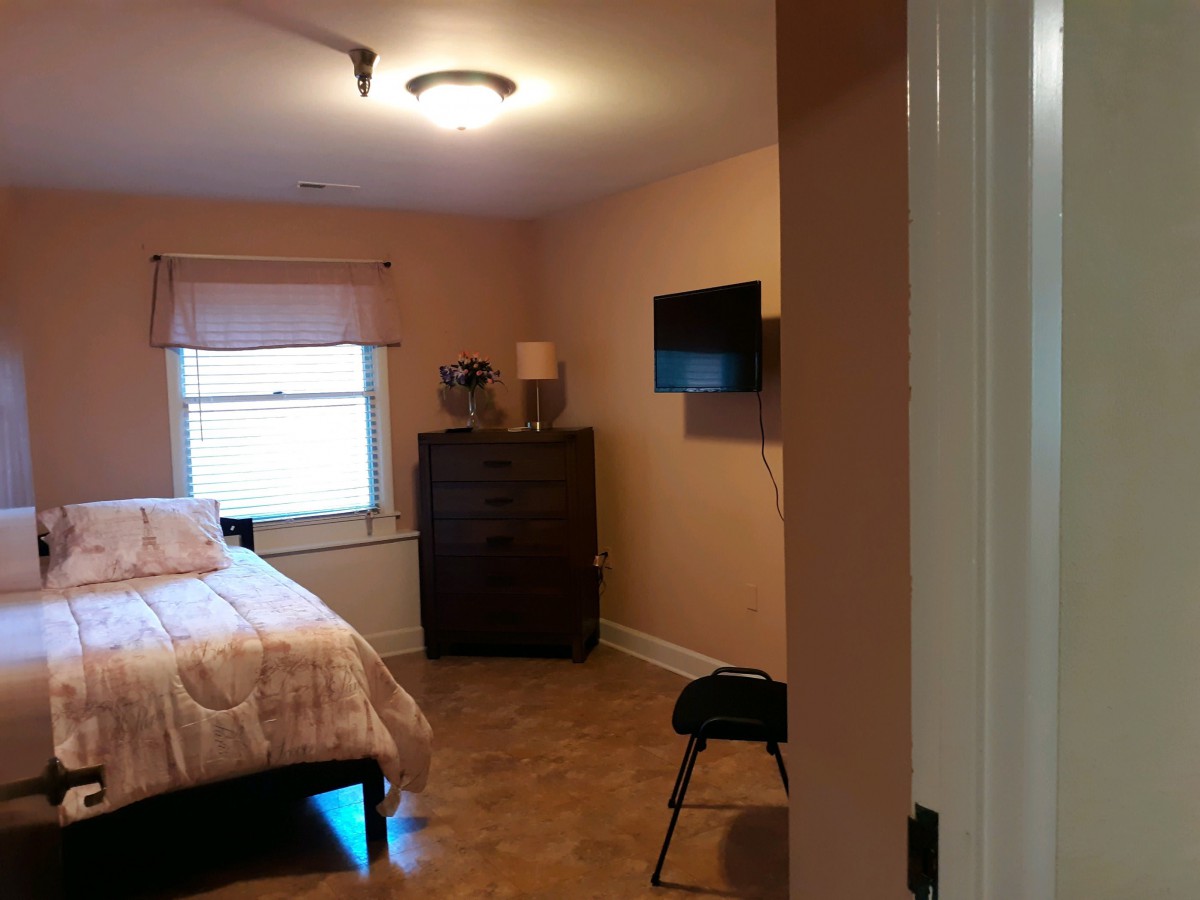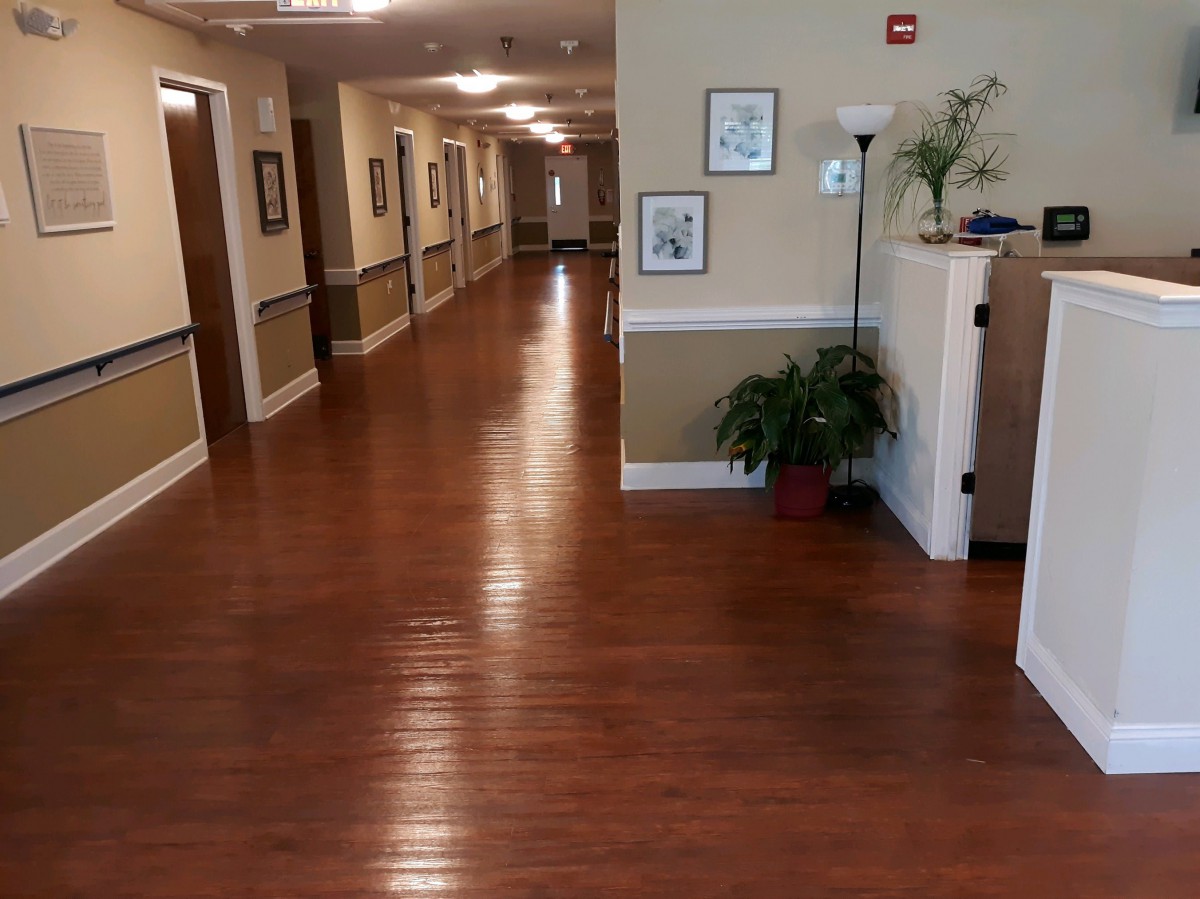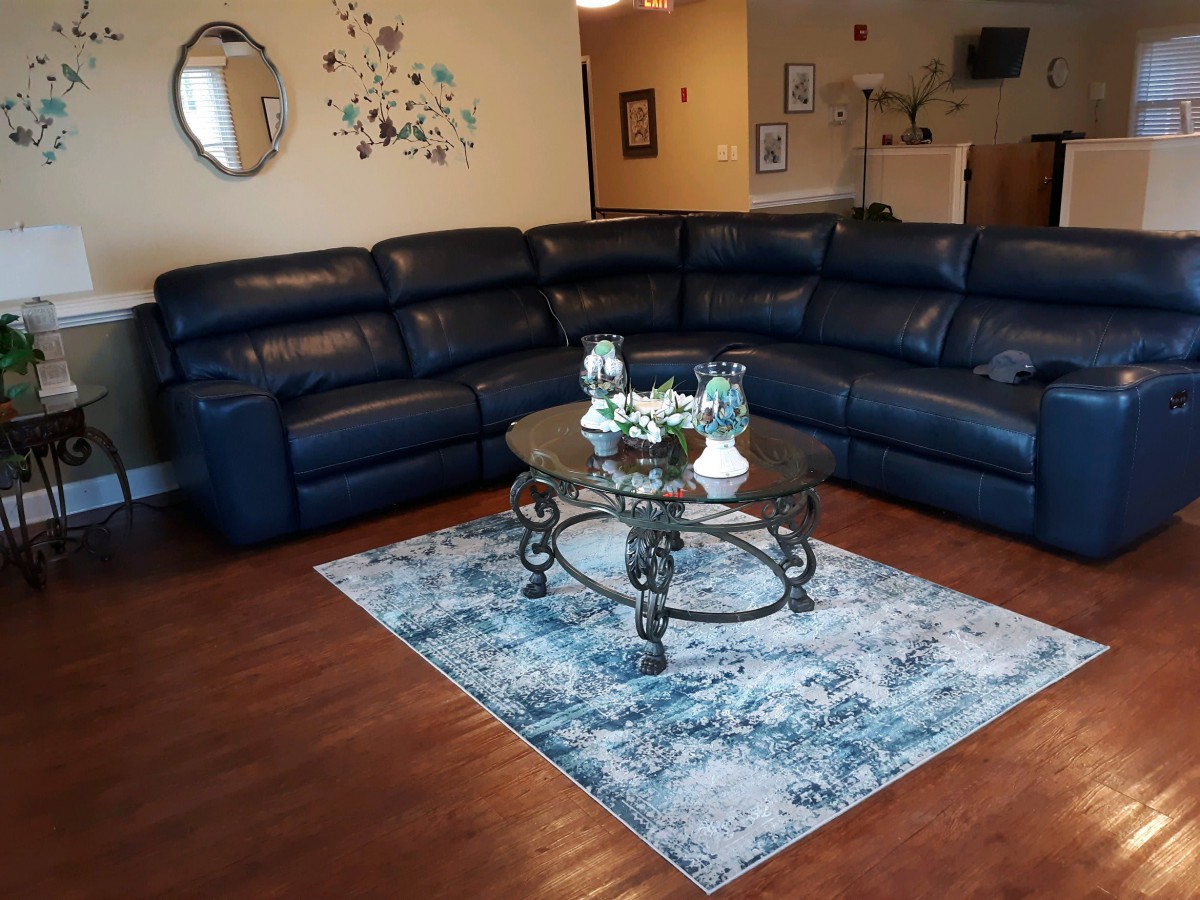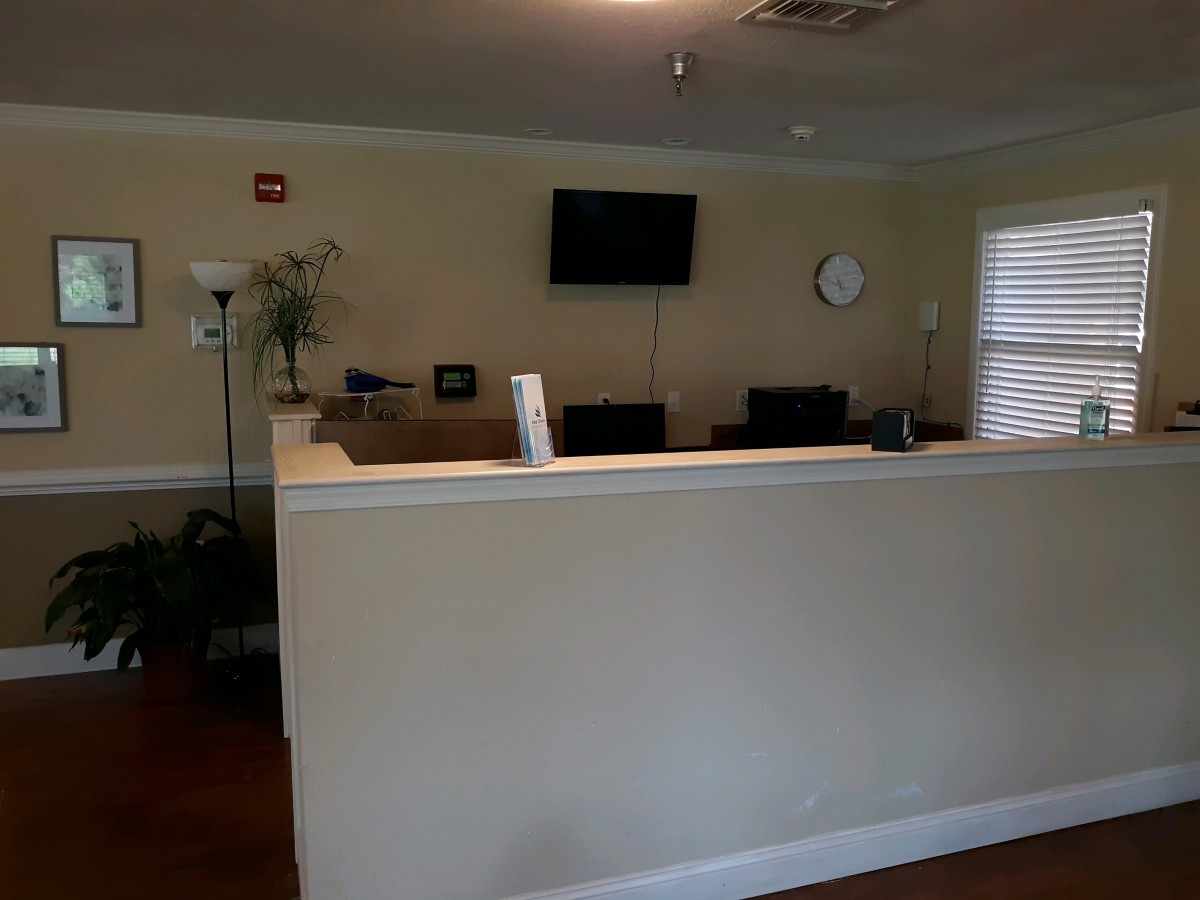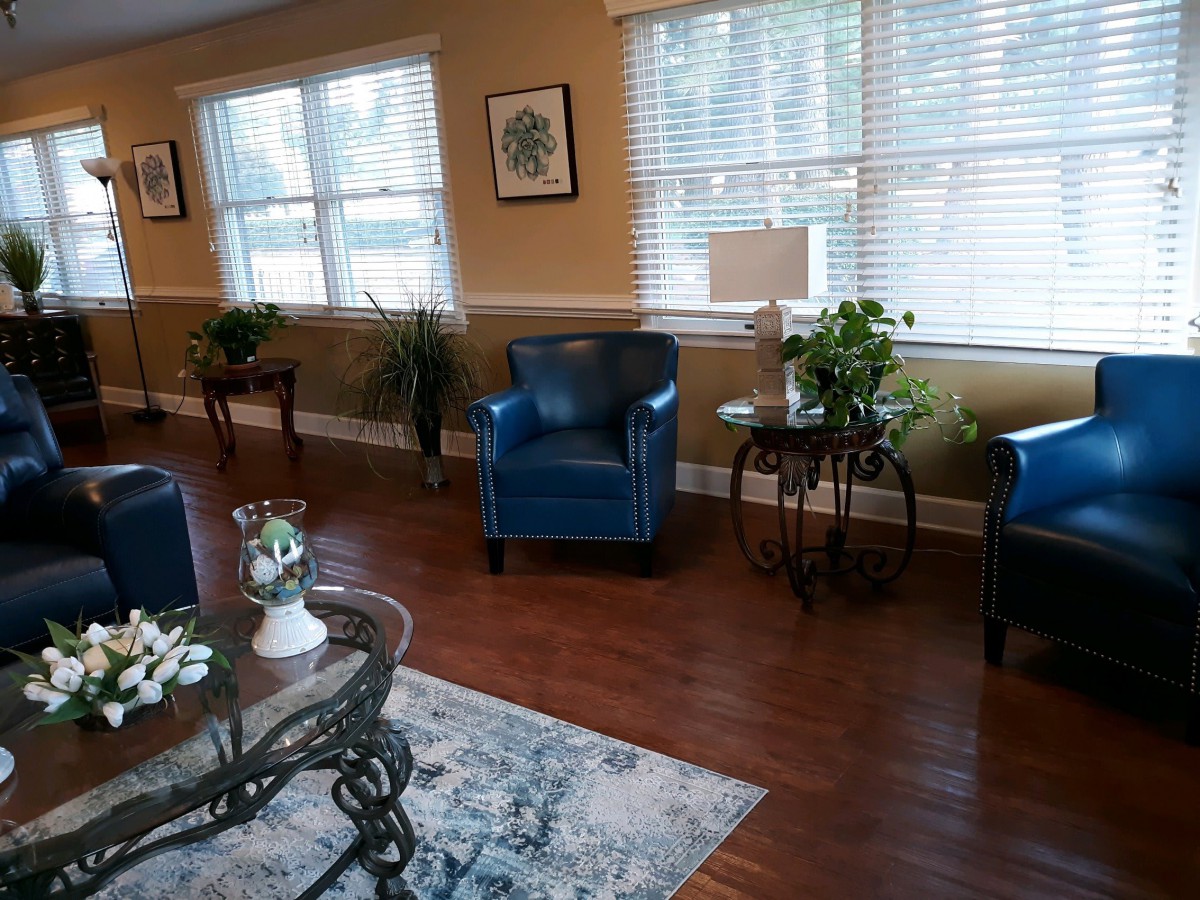
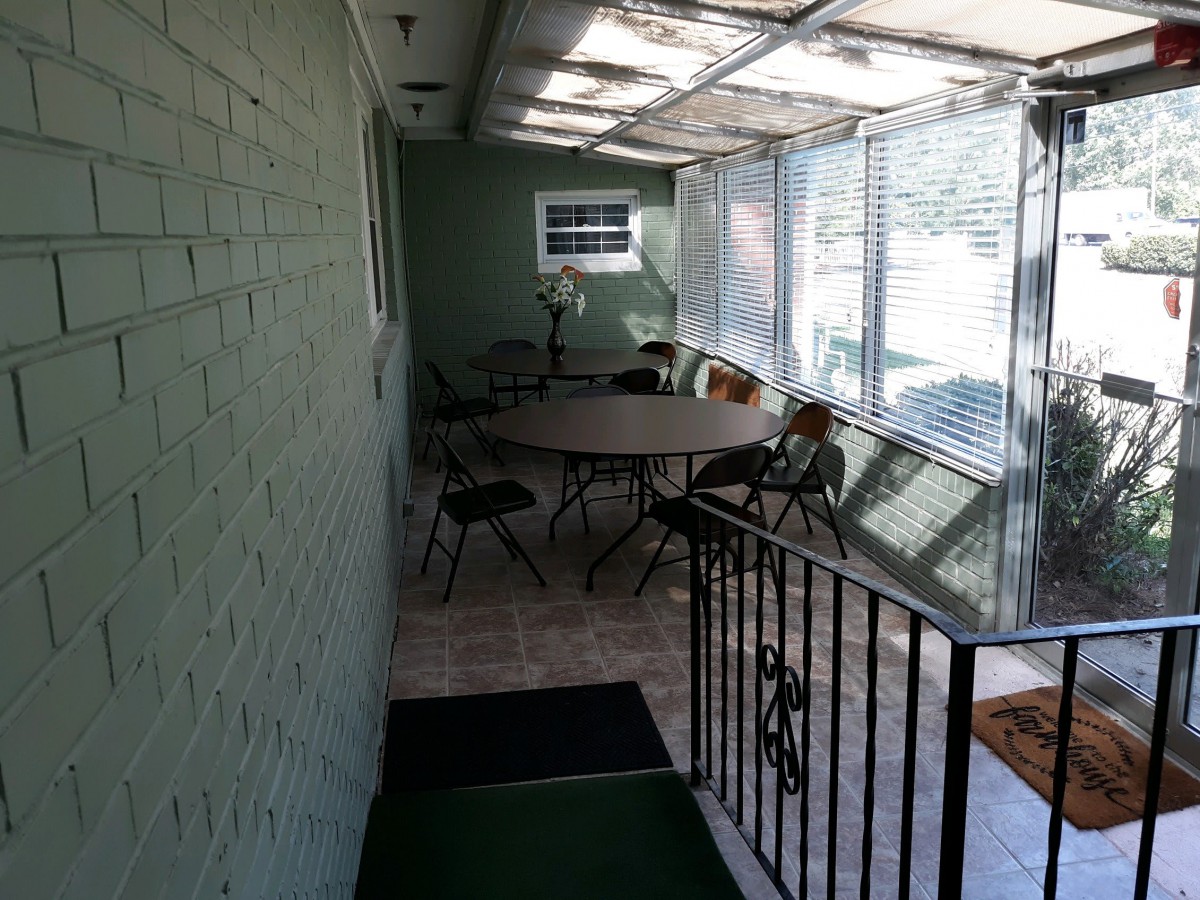
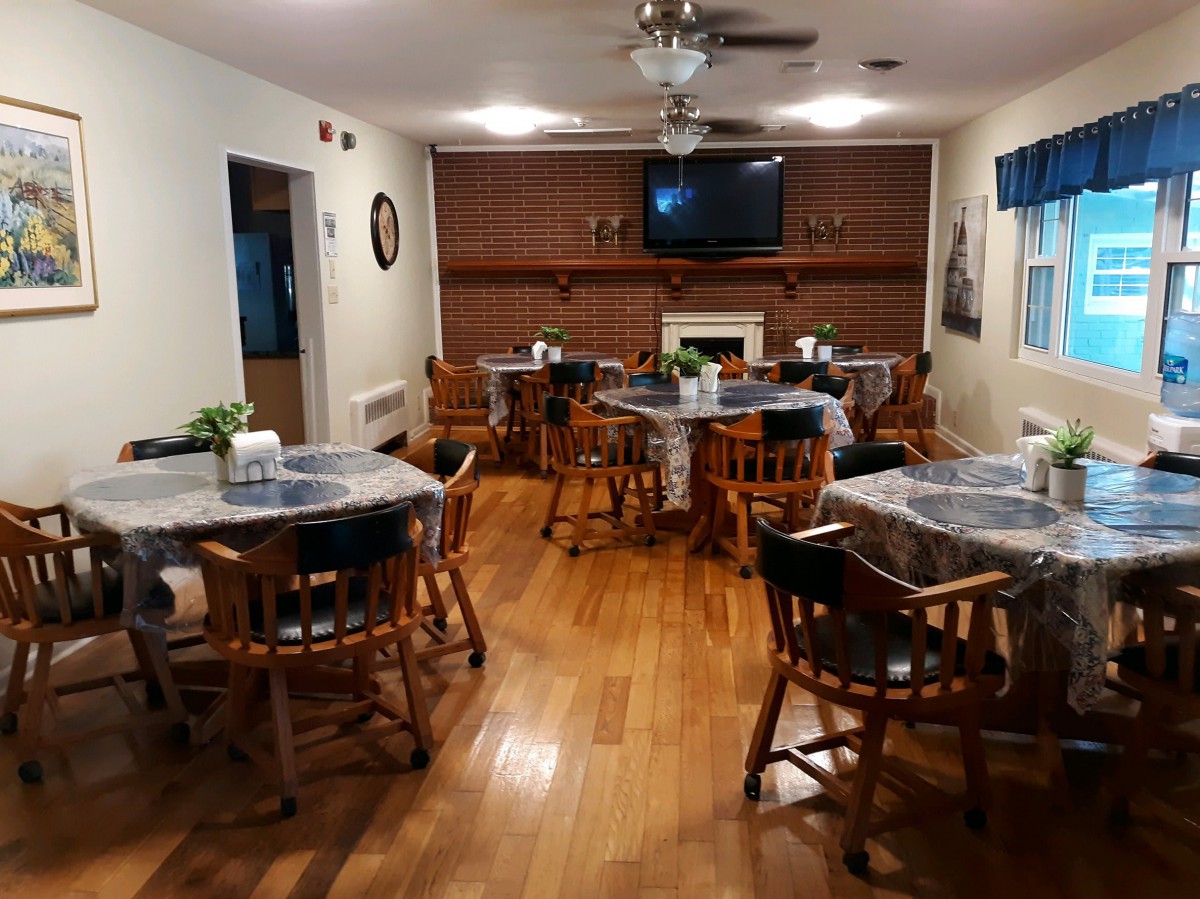
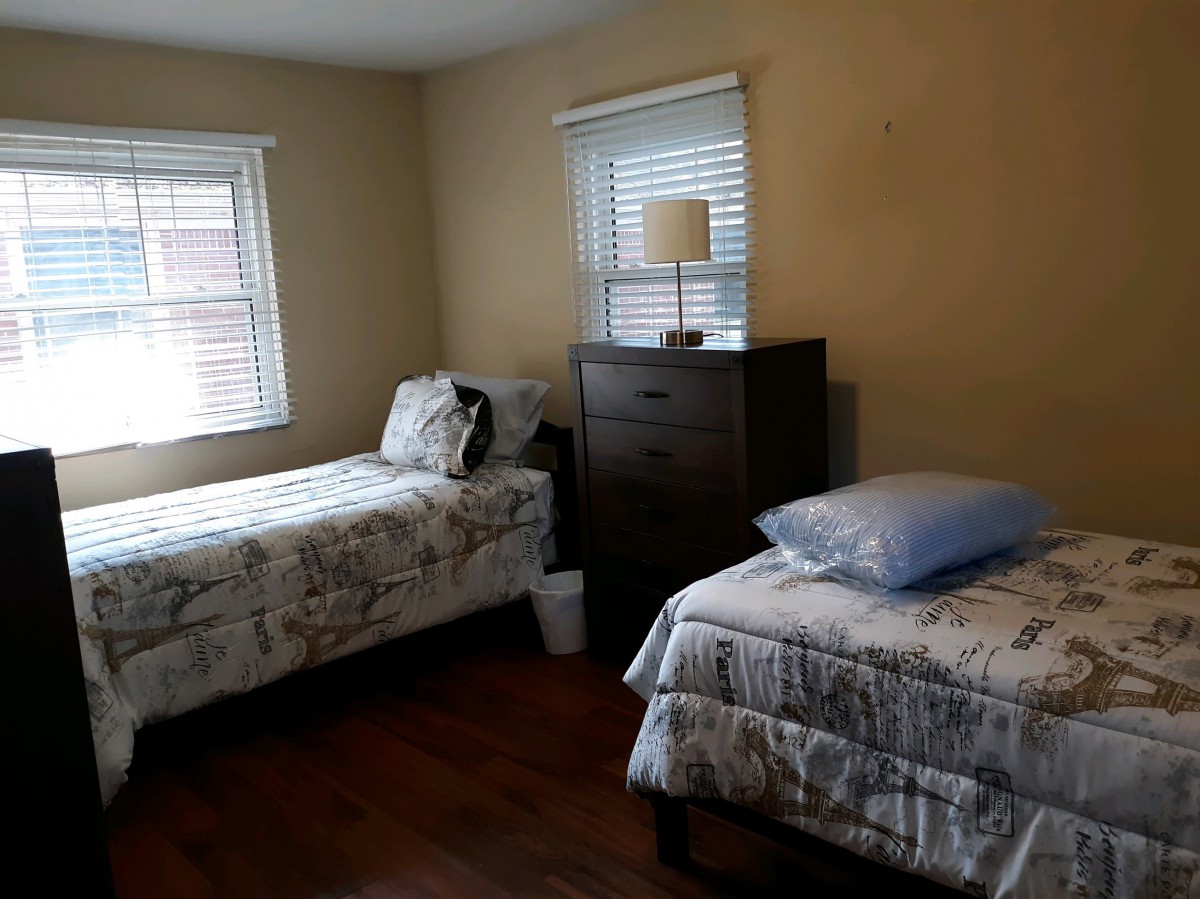
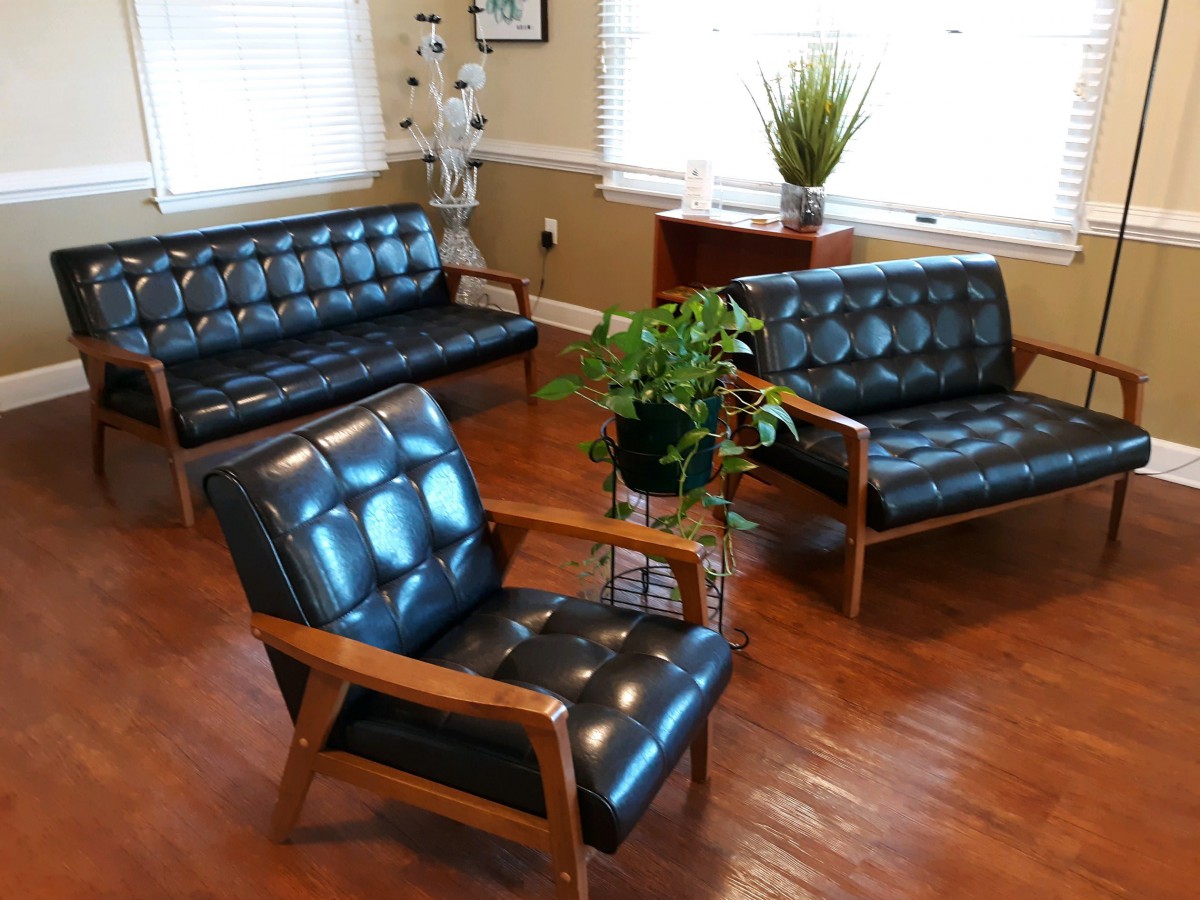
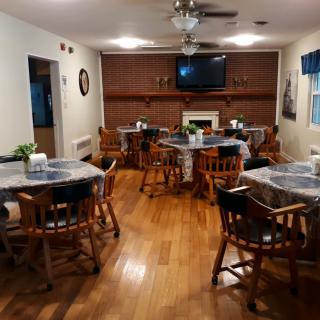
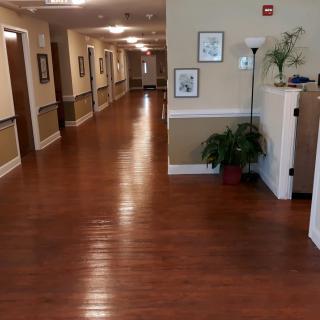


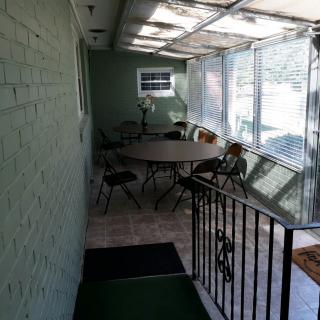
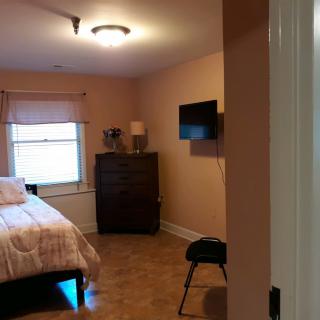
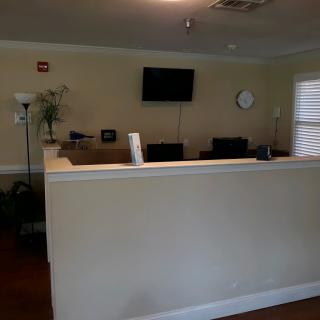
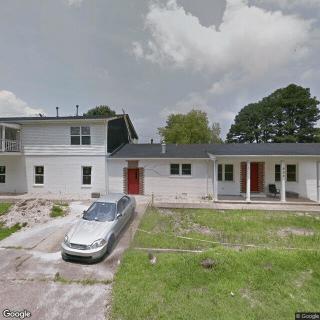
1012 George Washington Hwy N, Chesapeake, VA 23323
To contact a resident: (803) 463-6347
For more information about senior living options: (866) 208-4318
First Choice Assisted Living LLC Costs & Pricing
First Choice Assisted Living LLC offers competitive pricing for its services in the context of Chesapeake City and the broader state of Virginia. For a semi-private room, residents can expect to pay $2,700 per month, which is slightly higher than the local average of $2,300 but significantly lower than the statewide average of $3,991. Similarly, the monthly cost for a studio at First Choice is set at $3,500. This figure exceeds Chesapeake's average studio price of $3,083 while still remaining more affordable than the state average of $4,436. Overall, First Choice presents a valuable option for those seeking assisted living accommodations that balance quality care with reasonable costs in comparison to regional and state pricing trends.
| Floor plans | First Choice Assisted Living LLC | Chesapeake city | Virginia |
|---|---|---|---|
| Semi-Private | $2,700 | $2,300 | $3,991 |
| Studio | $3,500 | $3,083 | $4,436 |
Assisted Living communities with a similar price nearby
-
from +$450 / mo
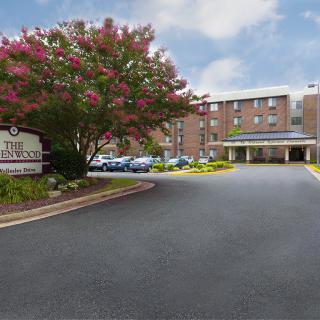
The Hidenwood Community
$3,150 to $5,075 / month22.4 miles away -
from +$500 / mo

Marian Manor
$3,200 to $5,400 / month10.6 miles away -
from +$300 / mo

The Chamberlin
$3,000 to $3,500 / month15.5 miles away -
from -$200 / mo

Dominion Village at Chesapeake
$2,500 to $3,400 / month1.5 miles away -
from -$405 / mo

The Devonshire
$2,295 to $3,399 / month19.3 miles away
Overall Review of First Choice Assisted Living LLC
Pros
 The staff are very courteous.
- They go out of their way to help families as well as their loved ones.
- The rooms are always clean.
- The staff are very caring.
- This is a great place for loved ones.
- The food is good.
- The community has restaurants nearby.
- People would recommend this community to others.
Cons
 A resident had a fall at the facility and was attacked by another resident.
- A resident’s feet needed care due to lack of activity.
- Over the last year, the care has declined.
- There is no transportation and no physical therapy.
- Prospective residents should double‑check before choosing this assisted living facility.
Review
First Choice Assisted Living LLC in Chesapeake, VA is best suited for seniors who want a warm, courteous environment with consistently clean spaces, and for families that prize responsive staff and straightforward daily routines. The community’s appeal rests on approachable team members who are willing to assist families and residents, plus a setting that feels tidy and familiar during visits. It works best for those who don’t require intensive medical services on-site and who appreciate nearby dining options and casual social opportunities. For anyone whose priorities include steady on-site physical therapy, routine transportation to medical appointments, or rigorous safety oversight, alternatives should be considered.
Two of the strongest observed positives center on staff congeniality and overall cleanliness. Families report staff going out of their way to support both the resident and the family, a level of courtesy that translates into smoother day-to-day interactions and less caregiving burden for relatives. Guests describe the living spaces as consistently clean at visit times, which reinforces a sense of dignity and safety. Food, too, earns praise, with residents noting the meals as satisfying and the broader neighborhood offering convenient dining options for variety. Taken together, these elements create a livable, comfortable baseline that can make daily life feel manageable and pleasant.
Yet a single, compelling negative review highlights meaningful gaps that cannot be ignored. A resident suffered a fall and was reportedly targeted by another resident, with subsequent concerns about activity levels and care quality over the past year. The report also notes the absence of transportation and a lack of on-site physical therapy. These factors speak to real limitations in safety, mobility support, and access to rehabilitative services, areas that matter deeply when evaluating long-term well-being and independence. The caution to “double check before you choose” is not a mere advisory flourish; it reflects a tangible risk assessment that prospective families must conduct.
When weighing the pros against the cons, several dynamics emerge. The courteous, responsive staff and clean, welcoming environment can significantly reduce stress for families and enhance the resident’s day-to-day comfort. Good meals and nearby non-family dining options add a practical quality-of-life boost that supports independence within a relaxed routine. However, the absence of transportation and on-site physical therapy, combined with safety concerns evidenced by the resident-on-resident incident, creates potential for slipping health trajectories and missed opportunities to maintain or improve mobility. For residents who are or may become mobility-dependent, these gaps can translate into frustration, dependence, and avoidable risk.
Those who should seriously consider alternatives include families prioritizing medicalized support, consistent rehabilitation services, and reliable transport for appointments. If a resident requires regular PT/OT, needs transport for off-site care, or demands stronger safety protocols and proactive risk management, exploring other communities with dedicated on-site therapy programs and transportation options is prudent. Before deciding, request candid conversations with the administrator, tour multiple times at different hours, and speak with current residents and families about safety practices, incident response, and how activity programming is structured to prevent stagnation.
In the end, First Choice Assisted Living LLC can be a good fit for a specific subset of seniors: those who value a courteous, clean, neighborly setting and who can function well with limited on-site therapy and transportation. The key is thorough due diligence focused on safety oversight, mobility supports, and access to rehabilitation services. Prospective families should verify staffing levels, incident history and response, transportation arrangements, and availability of in-house or partner PT services. If these align with the resident’s needs and the family’s expectations, the community offers a solid, dependable option; if not, it’s wise to look elsewhere and compare alternatives that deliver the critical supports missing here.
 Assisted Living
 Independent Living
 Activities off-site
 Devotional services off-site
 Ground floor units
 Handicap accessible
 Indoor common areas
 Outdoor common areas
 Respite or short term stays offered
 Wheelchair accessible showers
 Wi-Fi/high-speed internet available
 Norfolk International (11 miles away)
 Ambulatory care
 Diabetic care
 Incontinence care
 Medication management
 Low / no sodium
 BBQs or picnics
 Birthday parties
 Day trips and outings
 Gardening club
 Intergenerational programs
 Karaoke
 Stretching classes
 Trivia games
 Wii bowling


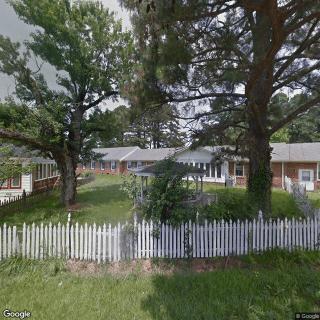



 Comprehensive Residential Support and Assisted Living Solutions for Individuals with Disabilities
 Comprehensive Supportive Living Arrangements for Adults with Disabilities
 Funding and Affording Assisted Living: A Thorough Overview