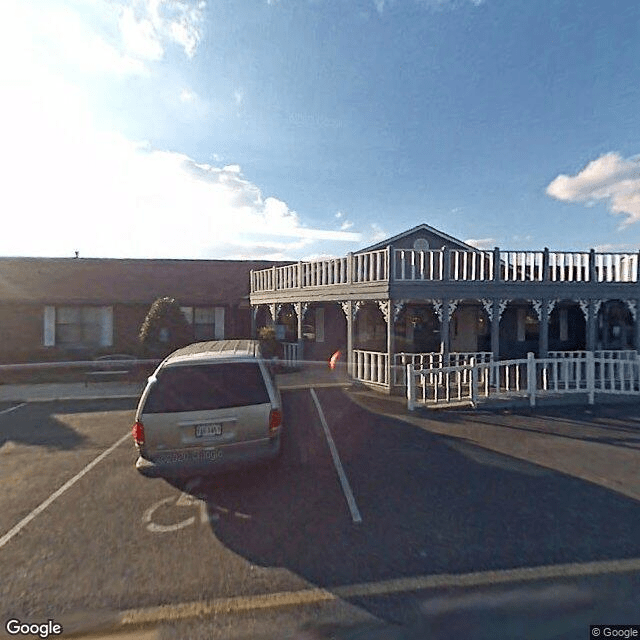
Carebridge Assisted Living

Save
Carebridge Assisted Living

Carebridge Assisted Living

220 Rainbow Ln, Chesapeake, VA 23320

For more information about senior living options: (844) 490-3973

4.4 from 80 reviews
5 stars
63
4 stars
4
3 stars
3
2 stars
0
1 stars
10

Assisted Living

Carebridge Assisted Living Costs & Pricing

Carebridge Assisted Living offers competitive pricing for its residents, particularly when compared to the broader market in Virginia Beach city and the state of Virginia. For a semi-private room, Carebridge charges $1,755 per month, significantly lower than the city average of $3,903 and the state average of $3,991. Similarly, their one-bedroom units are priced at $1,925, which again presents a considerable savings compared to the average costs of $4,190 in Virginia Beach and $4,257 across Virginia. This difference underscores Carebridge's commitment to providing affordable assisted living options without compromising on quality of care or services.

Floor plansCarebridge Assisted LivingVirginia Beach cityVirginia
Semi-Private$1,755$3,903$3,991
1 Bedroom$1,925$4,190$4,257

What level of care are you interested in?

Assisted Living

Memory Care

Independent Living

Skilled Nursing Facility

Continuing Care Retirement Community (CCRC)CCRC

Other


Request a tour at Carebridge Assisted Living

    Overall Review of Carebridge Assisted Living

    Pros

    • pro Matt was leading everyone in song, and it was a beautiful thing to watch.
    • pro The 5 pm shift staff were praised for working together, being polite, and keeping residents calm and well cared for.
    • pro Commonwealth Memory Care is described as an awesome place.
    • pro The community is described as awesome and is presented as a family-like workplace.
    • pro The staff was very helpful during shifts.
    • pro The environment is nice, clean, and friendly; staff are kind and welcoming.
    • pro Caregivers are described as friendly and loving in their care.
    • pro Staff members at Commonwealth have been courteous and helpful in getting answers.

    Cons

    • pro The reviewer states that belongings and clothing repeatedly disappeared, including hearing aids, dentures, towels, and shoes.
    • pro They claim staff were unaware of missing items and did not resolve the issues after multiple reports.
    • pro They allege a bath was refused on a day it was needed, contributing to the resident's decline.
    • pro They describe the resident being found outside in 85-degree heat and later becoming unable to walk or feed himself.
    • pro They criticize administration for poor communication and say there was no readily available contact with corporate or regional offices.
    • pro They describe the facility as dirty with a strong odor, poor food quality, and care that is not up to standards after a company takeover.
    • pro They note that shoes are frequently lost and that residents may "shop" in others' rooms for belongings.
    • pro They warn that staff may use inappropriate language around residents.
    • pro They state that additional medications are sometimes prescribed for behavioral issues without clear justification.
    • pro They assert that there is no regional office number to address concerns and that concerns go unanswered for long periods.
    • pro They claim the facility cannot provide end-of-life nursing care, contradicting expectations for a memory care setting.
    • pro They report unprofessional behavior from staff, such as a maintenance director admitting a lack of equipment to move furniture.

    Review

    There is a troubling pattern that surfaces across several accounts about memory care and related facilities: when a loved one is vulnerable and in need of timely, clear communication and reliable care, gaps in administration and oversight can leave families feeling ignored, frustrated, and worried about safety. The stories describe repeated missed connections between hospitals, front-line staff, and higher-level administrators, with families reporting their attempts to communicate being met with delays, silence, or contradictory instructions. One particularly painful thread centers around an experience of wrongful termination while the person was hospitalized, followed by a chain of perceived communication failures after discharge. According to the account, the hospital reached out multiple times to notify the facility of the hospitalization, but there was no response. After the individual was discharged, they tried to re-engage, but were told to re?apply because no one had heard from them. Corporate contact information was requested and promised, yet never provided. Weeks later, when the person finally re-applied as advised, they were told they could not be rehired, with the reason given as unknown. The person sought legal counsel, presenting proof of hospitalization and proof that both the hospital and the facility had attempted contact with a named staff member who allegedly did not respond for several days. This account paints a picture of disorganization at the administrative level during a critical moment of need, followed by continued frustration as the individual tried to understand why a return to work was not possible.

    Separately, a broader set of experiences recounts serious and sometimes alarming gaps in the day-to-day realities of care at a memory care setting. Families describe belongings going missing on a routine basis - from hearing aids and dentures to towels and clothing. In several narratives, roommates' items were found misplaced or - in one particularly stark example - piled up in a roommate's laundry basket. Staff members frequently reported not knowing where items had gone, and in some cases belongings were never recovered. The concerns extend beyond the occasional missing item to questions about the basic dignity of care: a family member who could walk and navigate stairs on a previous day became unable to walk or feed themselves within six days, and was found outside in eighty-five-degree heat wearing a jacket and hat. These elements - lost personal effects, inadequate assistance with daily activities such as bathing, and sudden declines in mobility - are interwoven with reports that baths or basic grooming were sometimes not provided when requested. The financial and logistical implications are also noted, including the perception that medical transport costs (with CT scans sometimes prescribed after falls) added a further burden.

    A recurring thread in these accounts is the sense that administration and formal complaints are not readily accessible. Several reviewers mention the absence of a regional office contact number, or the absence of timely responses from executives or the corporate line after a concern is raised. Some narratives describe attempts to address issues through staff-level channels and then through upper management, only to encounter delays, unclear explanations, or promises of follow-up that never materialized. There is particular insistence on the need for stronger management oversight and accountability, especially when care lapses or safety concerns arise. The sense conveyed is that information can get lost in the shuffle between hospital, facility, and corporate layers, leaving families feeling unheard at times when they most need clarity and support.

    Against these challenging stories, there are also moments of gratitude and positive care that appear in several reviews. Some families report compassionate, capable staff who provide dedicated care and kindness to residents. There are mentions of personal connections - caregivers who are described as loving, friendly, and attentive to residents' needs. Positive anecdotes include times when activities were well organized and residents were engaged in enjoyable experiences, such as singing and community events, or when staff members were praised for being polite, patient, and supportive during visits. A few reviews highlight that the facility environment can be clean, welcoming, and well staffed, and that in at least some shifts there is a sense of teamwork and warmth among staff and residents.

    Nevertheless, the juxtaposition of praise and criticism underscores a broader concern: the quality of care and the experience of families can vary widely even within the same facility, depending on staff coverage, leadership responsiveness, and how well communication channels are maintained across hospital, facility, and corporate levels. Some families praise specific individuals or moments of excellent care, while others describe systemic failures - items lost, insufficient staffing, delays in addressing medical and personal care needs, and a lack of timely, transparent communication from leadership. The resulting impression is of a system with significant potential for positive, compassionate care but one that is hampered by inconsistent administration, unclear escalation paths, and a need for stronger accountability and documentation.

    Taken together, these experiences suggest several areas where improvement could make a meaningful difference. First, establishing reliable, timely communication pathways between hospital staff, facility personnel, and corporate leadership is essential - especially when a resident is hospitalized or transitions between care settings. Second, ensuring consistent staffing levels and clear protocols for personal care tasks, safeguarding residents' belongings, and safeguarding dignity during daily activities like bathing and dressing are critical to trust and safety. Third, creating accessible, responsive channels for families to raise concerns - with predictable timelines and a clear point of contact - could help prevent the sense of being left in the dark. Finally, strengthening oversight of care decisions, especially around end-of-life planning and the appropriateness of certain medical decisions, would help families feel more secure about the level and quality of care their loved ones receive.

    For families navigating these concerns, documentation and proactive communication remain essential tools. Keeping records of hospitalization dates, requests to contact administration, and any discrepancies about care or belongings can be invaluable when seeking accountability or pursuing recourse. If possible, requesting a direct line to a regional or corporate representative, and following up in writing, can help establish a formal record of concerns and responses. While some reviewers report moments of exemplary care, the overall narrative from these accounts emphasizes the need for consistent, compassionate care, transparent communication, and a robust system of accountability to protect the wellbeing and dignity of residents and provide reassurance to their families.

    Features

    Types of Care

    • Assisted Living Assisted LivingAssisted living facilities provide crucial support and care for seniors who may need help with daily tasks such as medication management, bathing, and meal preparation. These communities offer a safe and comfortable environment where seniors can maintain their independence while receiving the assistance they need to thrive in their golden years.

    Amenities

    • Activities on-site Activities on-siteActivities on-site are important for seniors because they provide opportunities for socialization, mental stimulation, physical activity, and overall well-being. Engaging in activities can help seniors stay active, maintain their independence, and improve their quality of life.
    • Devotional services off-site Devotional services off-siteDevotional services off-site are important for seniors as they provide spiritual nourishment, social engagement, and a sense of community outside of the senior living facility. This can enhance overall well-being and help combat feelings of isolation and loneliness often experienced by older adults.
    • Indoor common areas Indoor common areasIndoor common areas are crucial for seniors as they provide a space for socialization, recreation, and community engagement, promoting overall well-being and reducing feelings of isolation and loneliness.

    Transportation

    • Norfolk International (9 miles away) Norfolk International (9 miles away)

    Care Services

    • Ambulatory care Ambulatory care"Ambulatory care services provide essential medical support and treatment to seniors without requiring hospitalization, allowing them to maintain their independence and quality of life while managing chronic conditions or receiving routine medical care."
    • Diabetic care Diabetic careDiabetic care is crucial for seniors as they are more susceptible to developing diabetes due to aging and other health conditions. Proper management of diabetes can help prevent complications such as heart disease, vision loss, and nerve damage, improving the overall quality of life for seniors in senior living communities.

    Dining

    • Meals provided Meals provided"Meals provided" are crucial for seniors in assisted living communities as it ensures they have access to nutritious, balanced meals without the stress of meal planning and preparation. This can help promote overall health and well-being for seniors who may have limited mobility or cognitive abilities.

    Activities

    • Activities on-site Activities on-siteActivities on-site are important for seniors because they provide opportunities for socialization, mental stimulation, physical activity, and overall well-being. Engaging in activities can help seniors stay active, maintain their independence, and improve their quality of life.
    • Devotional activities offsite Devotional activities offsiteDevotional activities offsite are important for seniors because they provide social engagement, spiritual growth, and a sense of community outside of their living environment. This can improve overall well-being, mental health, and combat feelings of isolation or loneliness.

    Description

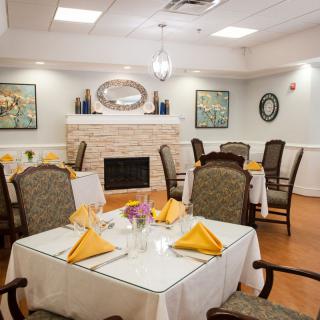
    Carebridge Assisted Living in Chesapeake, VA is a welcoming and comfortable community designed to provide seniors with the support and care they need while promoting their independence. Our community offers a range of amenities and services to ensure that our residents enjoy a fulfilling and enjoyable lifestyle.

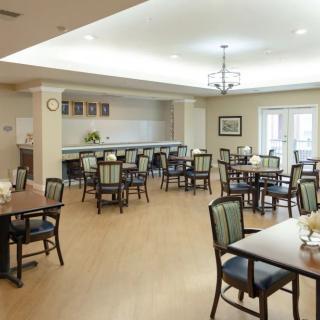
    For those seeking spiritual fulfillment, we offer devotional services off-site where residents can connect with their faith and find solace. Additionally, our indoor common areas provide opportunities for socializing and engaging in various activities, fostering a sense of community among our residents.

    At Carebridge Assisted Living, we understand the importance of specialized care for individuals with diabetes. That's why we have diabetic care services available to ensure proper monitoring and management of blood sugar levels. Our trained staff works closely with residents to assist them in maintaining a healthy lifestyle.

    We believe in creating an active and vibrant environment for our residents. Therefore, we organize devotional activities offsite to cater to the spiritual needs of our diverse residents while enabling them to explore new places and experiences.

    Convenience is key at Carebridge Assisted Living. With four cafes, one park, 13 pharmacies, 15 physicians' offices, 22 restaurants, and three hospitals nearby, our residents have easy access to essential services within close proximity.

    Whether you're looking for a place that provides quality care or a community that promotes an engaging lifestyle, Carebridge Assisted Living in Chesapeake, VA has it all. Join us today and experience the comfort, support, and abundance of amenities that make us stand out as a premier assisted living community.

    Nearby Places of Interest

    Located in Chesapeake, Virginia, this area offers a variety of amenities within close proximity. With a range of dining options including Taqueria La Hacienda, Golden Corral, and Cracker Barrel, residents can enjoy convenient meal choices. Additionally, there are several pharmacies nearby such as Walgreens and CVS Pharmacy for easy access to medications and healthcare needs. For leisure activities, cafes like Starbucks and Panera Bread are only a short drive away. In terms of medical services, there are physicians offices and hospitals like Chesapeake General Hospital within a few miles radius. For outdoor enthusiasts, Chesapeake City Park is located just 2.6 miles away. Overall, this area provides a mix of convenience and essential services for seniors looking to reside in a well-equipped community in Chesapeake.

    Restaurants

    • Taqueria La Hacienda (0.4 miles)
    • Golden Corral (1 miles)
    • Cracker Barrel (1.5 miles)
    • Chick-Fil-A (1.6 miles)
    • Kyoto Japanese Steakhouse & Sushi Bar (1.6 miles)
    • Eagles Nest Rockin Country Bar (1.6 miles)
    • Olive Garden (1.7 miles)

    Pharmacies

    • Walgreens (0.9 miles)
    • CVS Pharmacy (1.4 miles)
    • Walgreens (1.8 miles)
    • Rite Aid (2.3 miles)
    • CVS Pharmacy (3.2 miles)
    • CVS Pharmacy (3.6 miles)
    • Irwin's Pharmacy (3.6 miles)

    Cafes

    • Starbucks (1 miles)
    • Panera Bread (1.6 miles)
    • Metro Diner (2.1 miles)
    • Panera Bread (4.3 miles)
    • Starbucks (5.2 miles)
    • Starbucks (5.7 miles)

    Physicians

    • Hammer Jeff C Md (1.2 miles)
    • Center Greenbriar Health and Wellness (1.7 miles)
    • The Spine Center At Chesapeake (1.9 miles)
    • Occupational Medical Education and Research Services (1.9 miles)
    • Patricia King MD (2 miles)
    • Group For Women (2.3 miles)
    • Allergy & Asthma Specialists (2.3 miles)

    Hospitals

    • Chesapeake General Hospital (2.2 miles)
    • Chesapeake Regional Labor & Delivery (2.2 miles)
    • Children's Hospital of the King's Daughters (3.5 miles)
    • Portsmouth General Hospital (5.2 miles)
    • Naval Medical Center Portsmouth (5.3 miles)
    • Chkd (6.4 miles)

    Parks

    • Chesapeake City Park (2.6 miles)
    • The Pagoda & Oriental Garden (5.4 miles)

    Places of Worship

    • Twine Memorial Holy Temple (5 miles)

    Transportation

    • The Tide MacArthur Square Station (5.2 miles)
    • The Tide-Newtown Road Station (5.2 miles)

    Frequently Asked Questions

    How much does it cost to live at Carebridge Assisted Living in Chesapeake, VA?
    Where is Carebridge Assisted Living?

    Nearby Communities

    Related Resources

    • when to move from assisted living to memory careWhen to Transition from Assisted Living to Memory Care: Key Indicators, Steps, and Finding the Right Community

      Transitioning from assisted living to memory care is driven by an individual's cognitive decline and specific needs, requiring careful evaluation of indicators like increased confusion and wandering. The process involves consulting medical professionals, researching suitable communities, considering financial and legal aspects, and ensuring effective communication for personalized care plans.

    • assisted living vs memory careAssisted Living and Memory Care: Understanding Their Core Differences

      Assisted living provides moderate support for seniors seeking independence, while memory care offers specialized support for individuals with dementia or cognitive impairments through structured routines and trained staff. Key differences include care approaches, environment security measures, staff training levels, activity types, and cost considerations.

    • assisted living activitiesBeyond the Bingo Hall: 50+ Enriching Activities for Seniors in Assisted Living

      Assisted living communities offer diverse activities beyond traditional games to enhance seniors' physical health, cognitive well-being, emotional enrichment, and social connections, including fitness classes, creative expression, and intergenerational interactions. These enriching programs foster community bonds and support residents' independence and happiness.


    Get Pricing Ask A Question Schedule A Tour Contact Senior Advisor