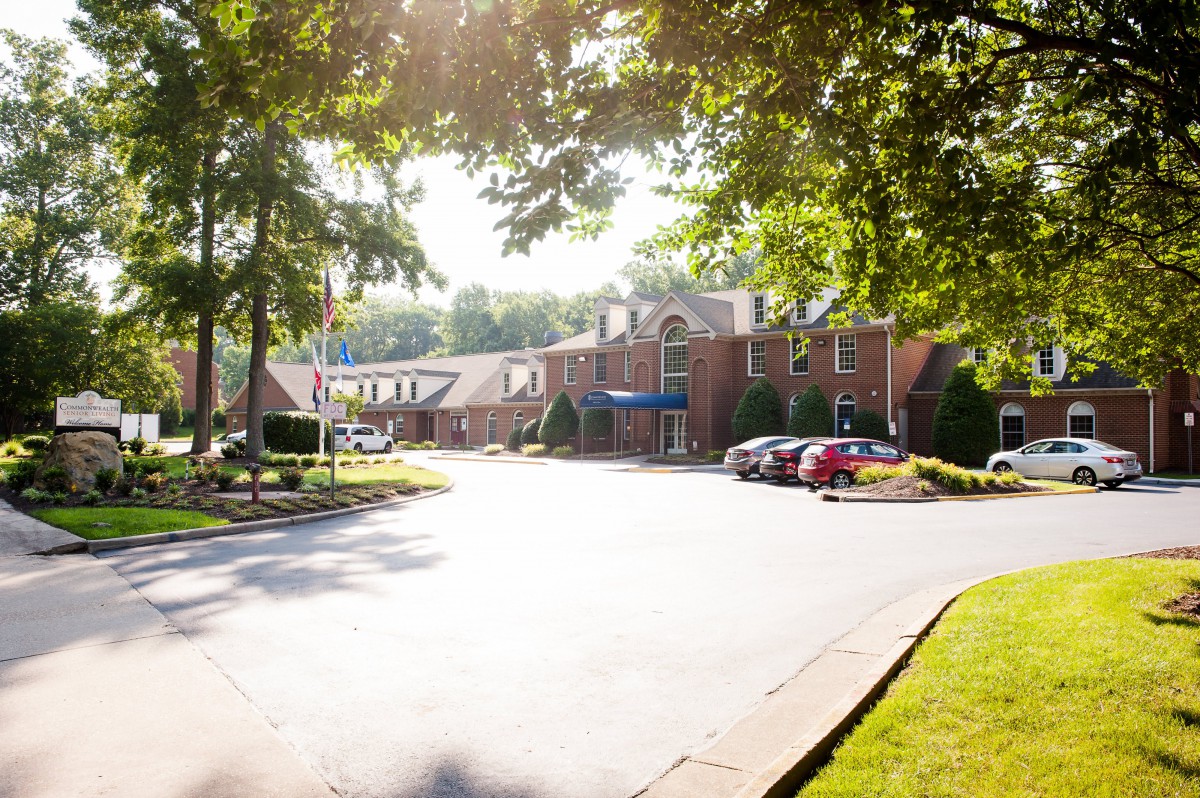
Commonwealth Senior Living at Georgian Manor Costs & Pricing
At Commonwealth Senior Living at Georgian Manor, the monthly costs for residents reflect a commitment to quality care and comfortable living. For a studio apartment, the fee is $4,110, which is slightly above the average rate in Virginia Beach city at $3,962 but below the state-wide average of $4,436. Similarly, for a one-bedroom unit, the cost stands at $4,770 - higher than both the local city rate of $4,190 and competitive within Virginia's broader market average of $4,257. These rates are indicative of the specialized services and amenities offered at Georgian Manor, ensuring that residents receive exceptional support tailored to their individual needs within a nurturing environment.
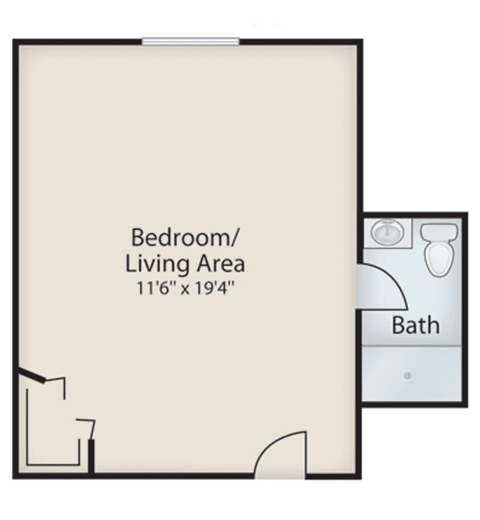
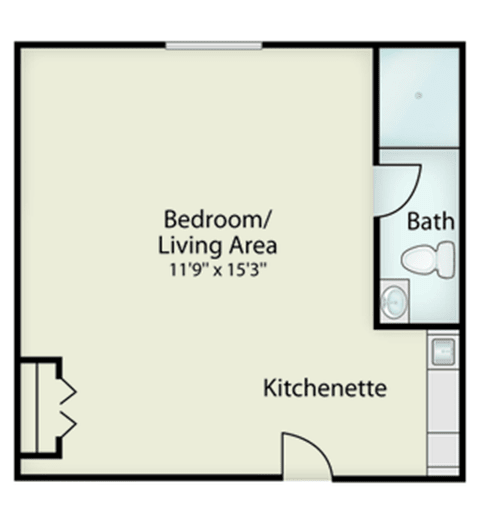
Floor plans
Commonwealth Senior Living at Georgian Manor
Virginia Beach city
Virginia
Studio
$4,110
$3,962
$4,436
1 Bedroom
$4,770
$4,190
$4,257
Memory care communities with a similar price nearby
Overall Review of Commonwealth Senior Living at Georgian Manor
differentiator26 reviews mention this
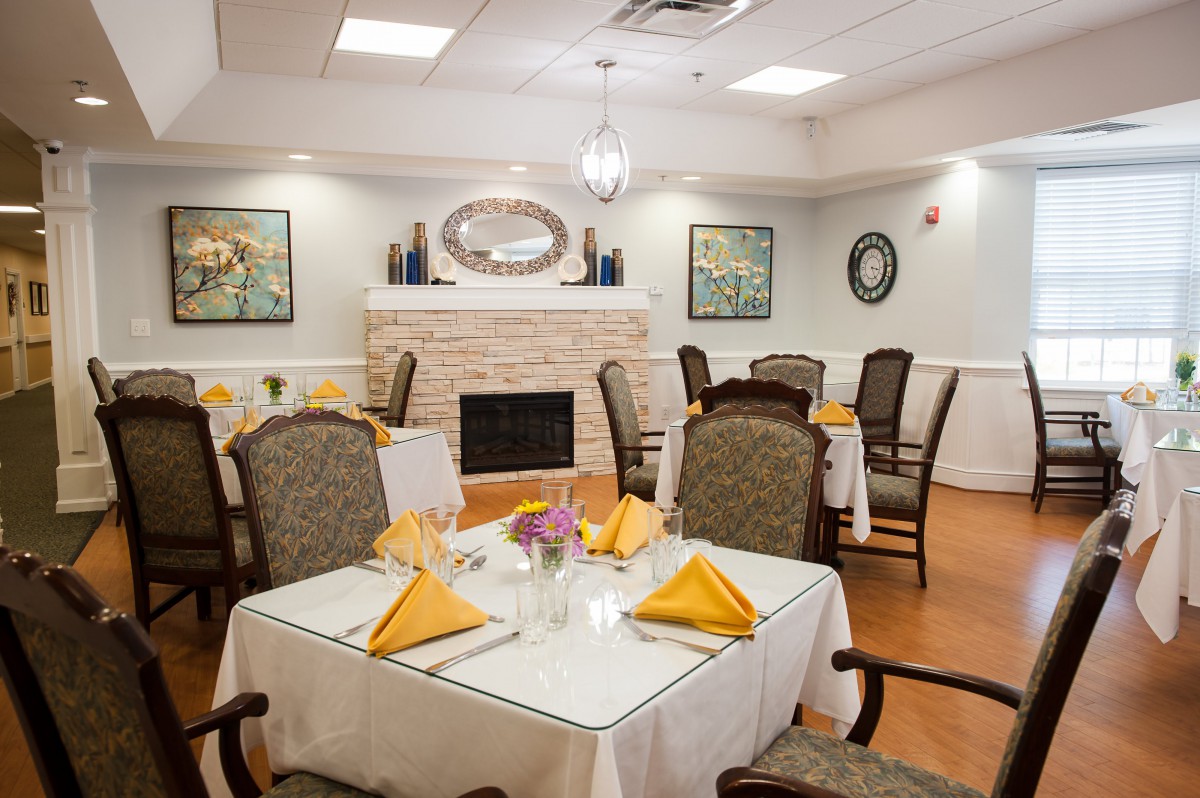
Food is consistently praised
Residents and families repeatedly call out the dining as a daily highlight.
Multiple reviews describe the food as fresh and very good, with residents enjoying meals without needing family to bring food. Several families mention being impressed by variety and how meals were presented, and a few specifically single out restaurant-style dining and themed dinners for family nights. There are also mentions of being able to accommodate dietary needs or preferences in the moment, which adds to the sense that meals fit real routines rather than being one-size-fits-all.
common41 reviews mention this
Staff friendliness and communication
Families frequently describe staff as welcoming, patient, and easy to work with.
A large share of reviews emphasize warm, respectful interactions with staff, including front-line caregivers and leadership. Reviewers also describe communication as proactive—updating family when something changes and being available to answer questions without making people feel rushed. Even among critical reviews, visitors commonly distinguish between the experience they had with specific employees and broader concerns.
common30 reviews mention this
Clean, bright community feel
Cleanliness and a pleasant, well-kept environment come up again and again.
Many reviewers say the building looks clean and well maintained, with rooms and common areas described as fresh and inviting. Several also mention cleanliness as something they noticed on visits and during dining, including how the facility smells and how tidy it feels overall. A smaller number of reviews raise hygiene-related concerns, but the dominant theme across the majority is that the community is kept up day to day.
common22 reviews mention this
Activities keep residents engaged
Residents are often described as having plenty to do and being encouraged to participate.
Reviews commonly point to active schedules that include games, social events, outings, and family-friendly gatherings. Families describe residents becoming more engaged over time—attending activities, going on field trips, and enjoying themed events like family nights. Memory care-focused reviews also mention engagement, though one or two reviewers suggest activity variety can be limited for that specific setting.
caveat5 reviews mention this
Care concerns around staffing and supervision
Some residents and families report problems with staffing and hands-on care.
While most reviews describe care as supportive, a handful of negative experiences focus on staffing and supervision lapses. Critiques include allegations of insufficient nursing availability, concerns about hygiene routines, and instances where families felt attention needs were not being met consistently. In at least one review, promised additional care tied to a higher level did not appear to result in extra support as expected.
caveat2 reviews mention this
Pricing runs above county levels
Pricing appears higher than the county benchmark in the listed range.
At least one reviewer chose the community primarily for price, even while describing it as one of the higher options they investigated. The listing pricing range is also positioned slightly above the county benchmark across unit types, while still below the state benchmark. That combination lines up with reviews that treat cost as a key consideration when deciding whether the value fits their budget.
How we summarize
Counts show how many written reviews mention each theme; a review can touch several themes, and only frequently mentioned themes are displayed.
Features
Housing
80 resident community capacity
Studio apartments
Types of Care
Assisted Living
Memory Care
Pets
Cats allowed
Dogs allowed
Amenities
Activities off-site
Activities on-site
Air-conditioning
Beautician on-site
Beauty salon
Cable or satellite TV
Computer center
Devotional services off-site
Devotional services on-site
Dining room
Financing advice
Fitness room
Fully furnished
Gaming room
Garden
Ground floor units
Guasts at mealtime
Guest parking
Home sale assistance
Housekeeping services
Indoor common areas
Kitchenette
Laundry
Move-in coordination
Outdoor common areas
Outdoor space
Party space
Pet friendly
Private bathrooms
Private cleaning services
Resident parking
Respite or short term stays offered
Restaurant-style dining
Small library
TV room
Telephone
VA Benefits Consultation
Wellness center
Wheelchair accessible showers
Wi-Fi/high-speed internet available
Transportation
Norfolk International (11 miles away)
Community operated transportation
Transportation & parking
Transportation arrangement
Transportation arrangement (non-medical)
Transportation to doctors appointments
Care Services
12-16 hour nursing
24-hour call system
24-hour supervision
Activities of daily living assistance
Assistance with bathing
Assistance with dressing
Assistance with transfers
Coordination with health care providers
Dementia waiver
Diabetes diet
Diabetic care
Hospice waiver
Incontinence care
Meal preparation and service
Medication management
Mental wellness program
Mild cognitive impairment
Physical therapy
Special dietary restrictions
Specialized memory care programming
Transportation arrangement (medical)
Transportation to doctors appointments
Dining
Anytime dining
Diabetes diet
Guest meals
Low / no sodium
Meals provided
No Sugar
Restaurant style dining
Room service
Special dietary restrictions
Special dining programs
Vegetarian
Activities
Activities off-site
Art classes
Arts and crafts
Book club
Catholic services
Community-sponsored activities
Concierge services
Day trips and outings
Devotional activities offsite
Devotional activities on-site
Educational speakers / life long learning
Fitness programs
Games
Gardening club
Happy hour
Karaoke
Live dance or theater performances
Live musical performances
Planned day trips
Protestant services
Religious services
Resident-run activities
Scheduled daily activities
Stories
Visiting chaplain or priest
Languages Spoken
English
Nearby Places of Interest
This part of Chesapeake, Virginia offers a convenient location with easy access to healthcare facilities such as Chesapeake General Hospital and various physicians' offices. There are also a variety of dining options nearby, including McDonald's, Golden Corral, and Chick-Fil-A. For those who enjoy coffee or tea, cafes like Starbucks and Panera Bread are just a short drive away. Additionally, there are pharmacies like Walgreens and Rite Aid in the area for any medication needs. Seniors looking for recreation can visit Chesapeake City Park or take a short drive to Portsmouth City Park. Places of worship such as Twine Memorial Holy Temple and Westhaven Baptist Church provide opportunities for spiritual fulfillment. Public transportation options like The Tide stations offer accessibility for those without their own vehicles. Overall, this part of Chesapeake offers convenience and amenities that could be suitable for seniors looking for a comfortable place to live.
Physicians
Bryan, Curtis Dr - Chesapeake Integrated Behavioral Healthcare (0.9 miles)
Group For Women (0.9 miles)
Allergy & Asthma Specialists (0.9 miles)
Chesapeake Diagnostic Imaging (1 miles)
Patient First - Battlefield (1.2 miles)
The Spine Center At Chesapeake (1.3 miles)
Hammer Jeff C Md (1.7 miles)
Hospitals
Chesapeake General Hospital (1.1 miles)
Chesapeake Regional Labor & Delivery (1.1 miles)
Children's Hospital of the King's Daughters (2.2 miles)
Portsmouth General Hospital (7.5 miles)
Naval Medical Center Portsmouth (7.7 miles)
Bon Secours Maryview Medical Center (8.3 miles)
Maryview Medical Ambulatory Surgery Recovery (8.3 miles)
At Commonwealth Senior Living at Georgian Manor, the monthly costs for residents reflect a commitment to quality care and comfortable living. For a studio apartment, the fee is $4,110, which is slightly above the average rate in Virginia Beach city at $3,962 but below the state-wide average of $4,436. Similarly, for a one-bedroom unit, the cost stands at $4,770 - higher than both the local city rate of $4,190 and competitive within Virginia's broader market average of $4,257. These rates are indicative of the specialized services and amenities offered at Georgian Manor, ensuring that residents receive exceptional support tailored to their individual needs within a nurturing environment.
The array of services offered at Commonwealth Senior Living at Georgian Manor is meticulously designed to support residents with dementia or Alzheimer's disease by addressing their unique needs comprehensively. Around-the-clock supervision ensures that residents feel secure and receive immediate assistance when required, while personalized help with activities of daily living--such as bathing, dressing, and transfers--enhances their independence while providing essential care. Coordination with healthcare providers and medication management ensures that medical needs are met seamlessly, reducing any potential confusion regarding prescriptions. The inclusion of incontinence care and meal preparation alleviates additional stress for both residents and their families, promoting dignity and comfort. Tailored programs for mental wellness and physical therapy address cognitive decline and mobility issues, fostering engagement and improved quality of life. Specialized memory care programming, combined with transportation arrangements for medical appointments, allows residents to maintain critical health connections without added anxiety. Together, these features create an environment where individuals can thrive mentally and physically amidst the challenges posed by dementia or Alzheimer's disease.
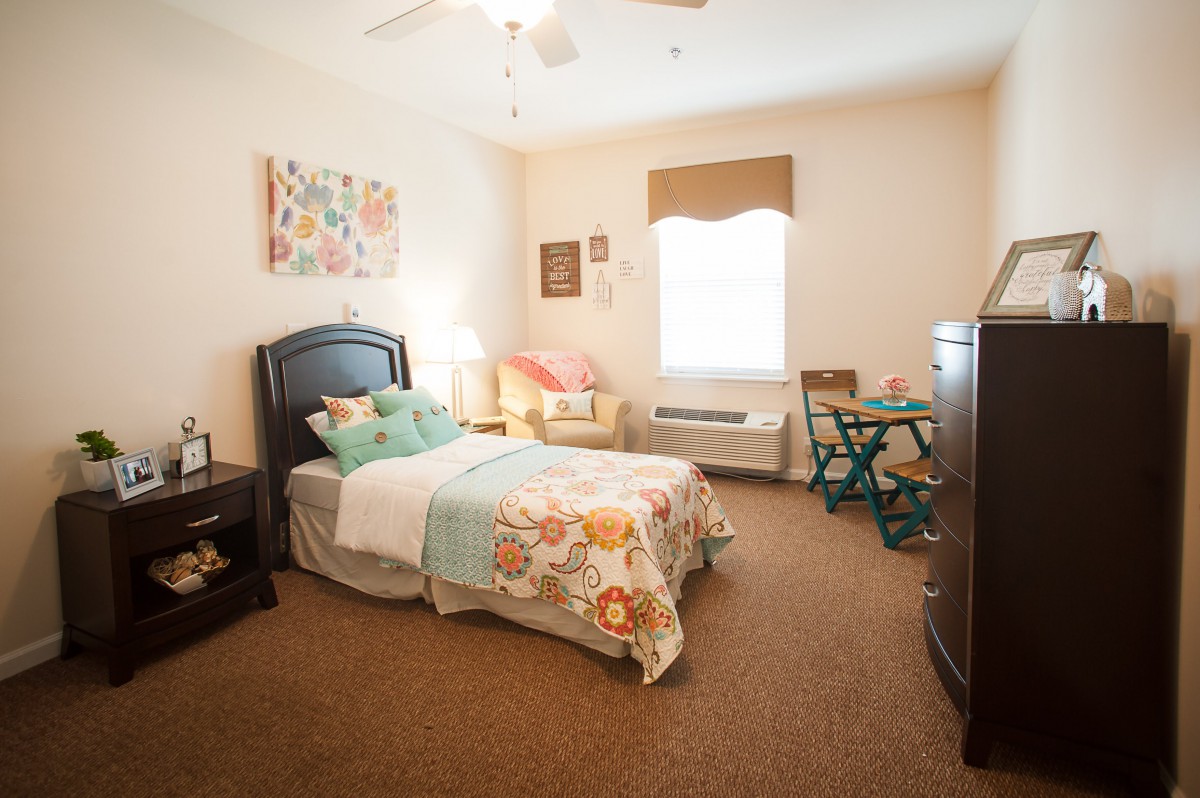
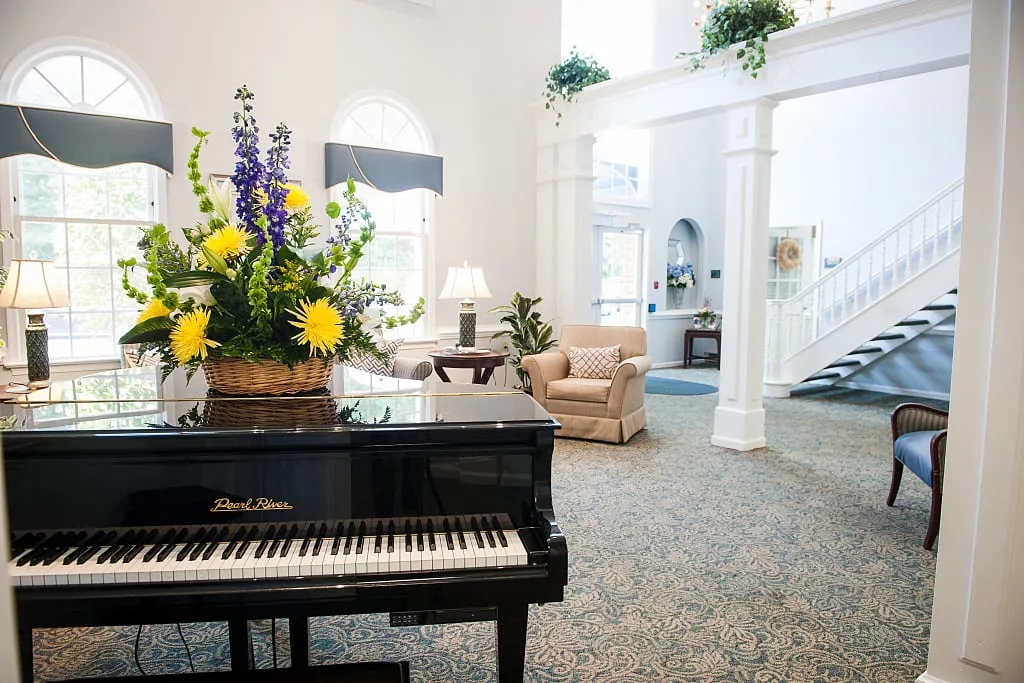
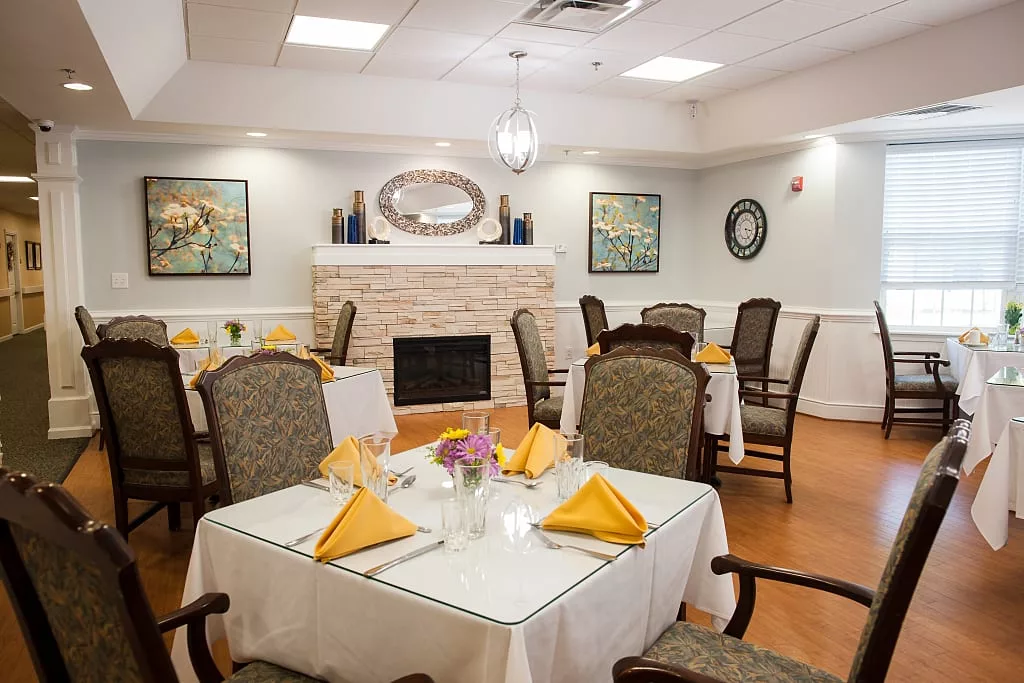
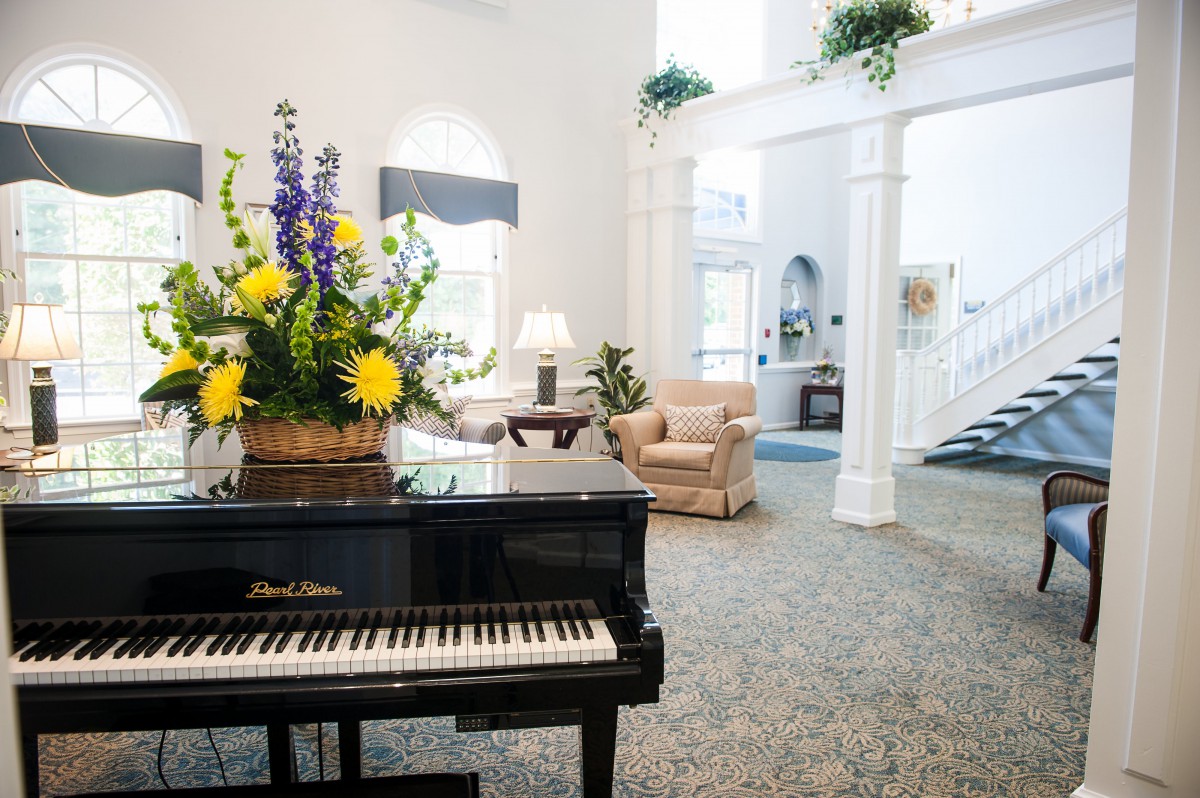
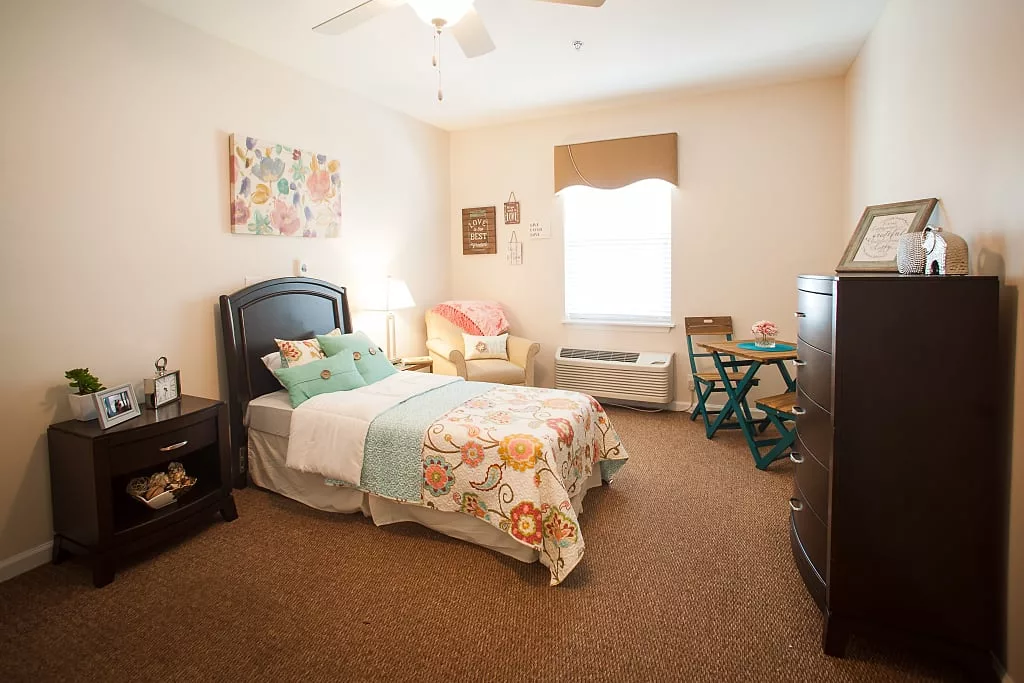
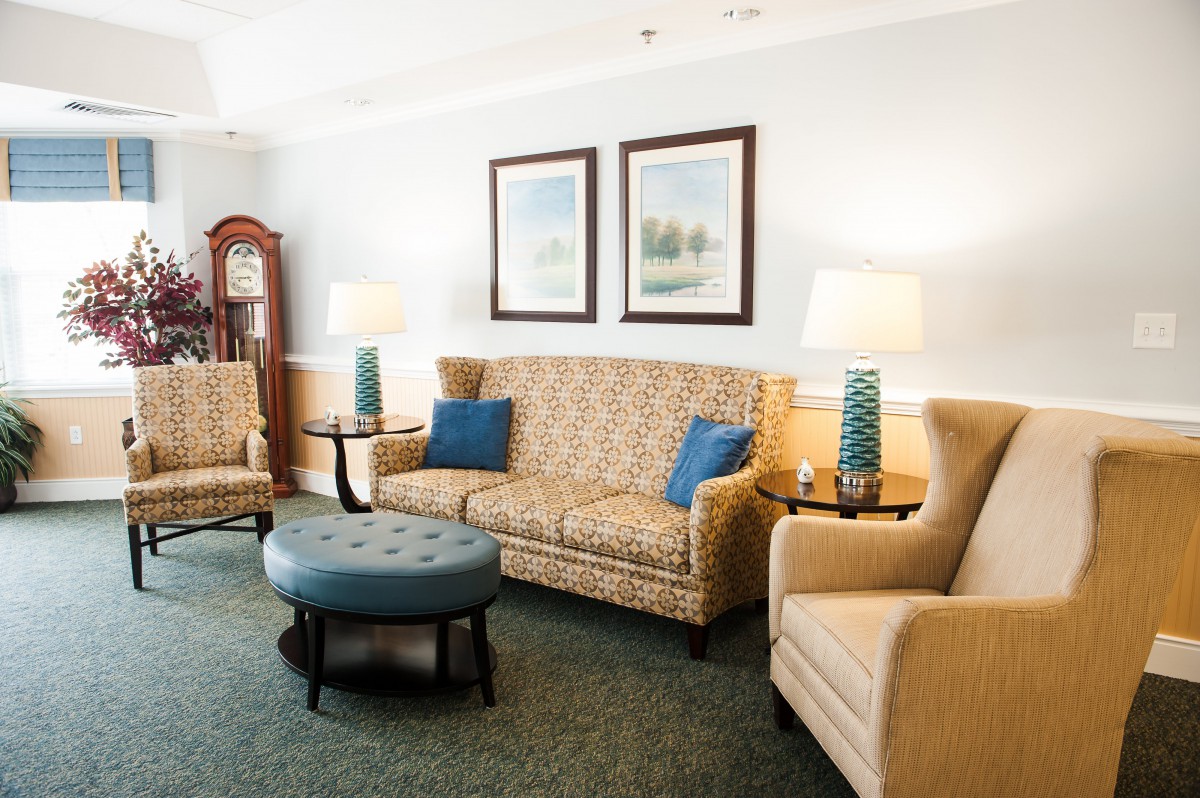
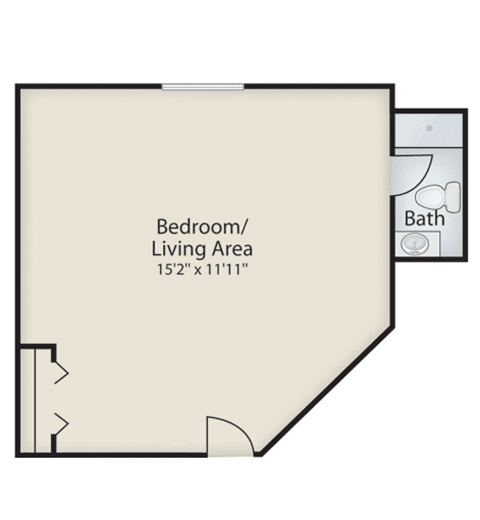
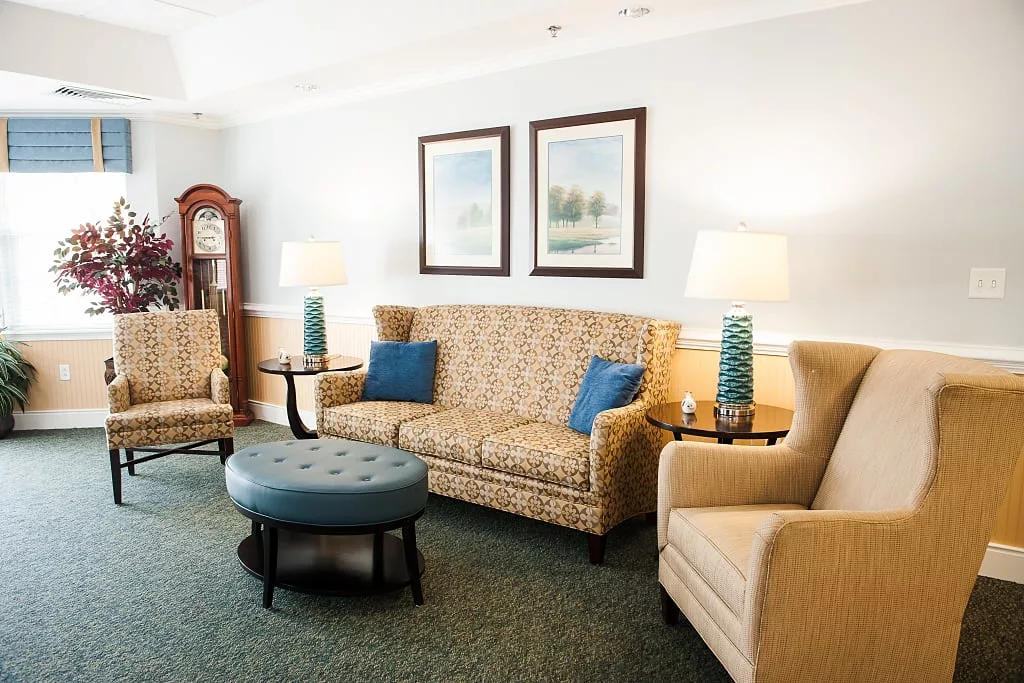
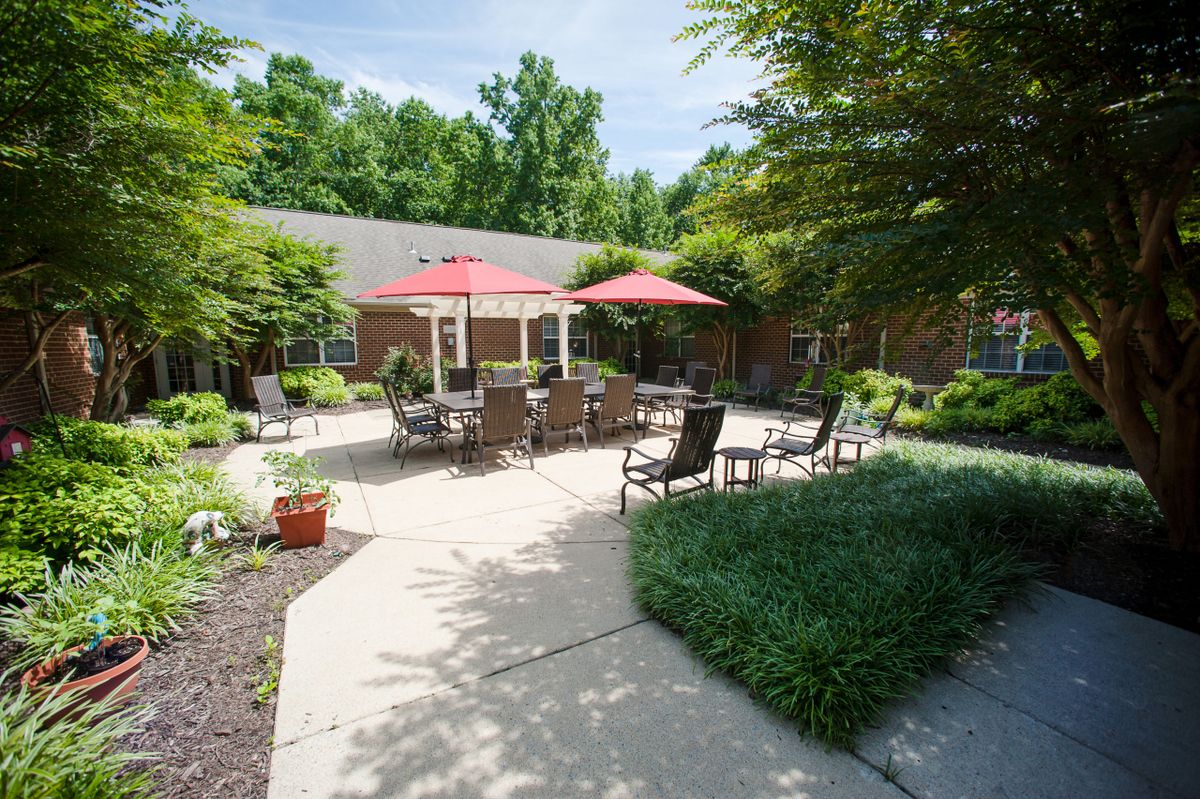
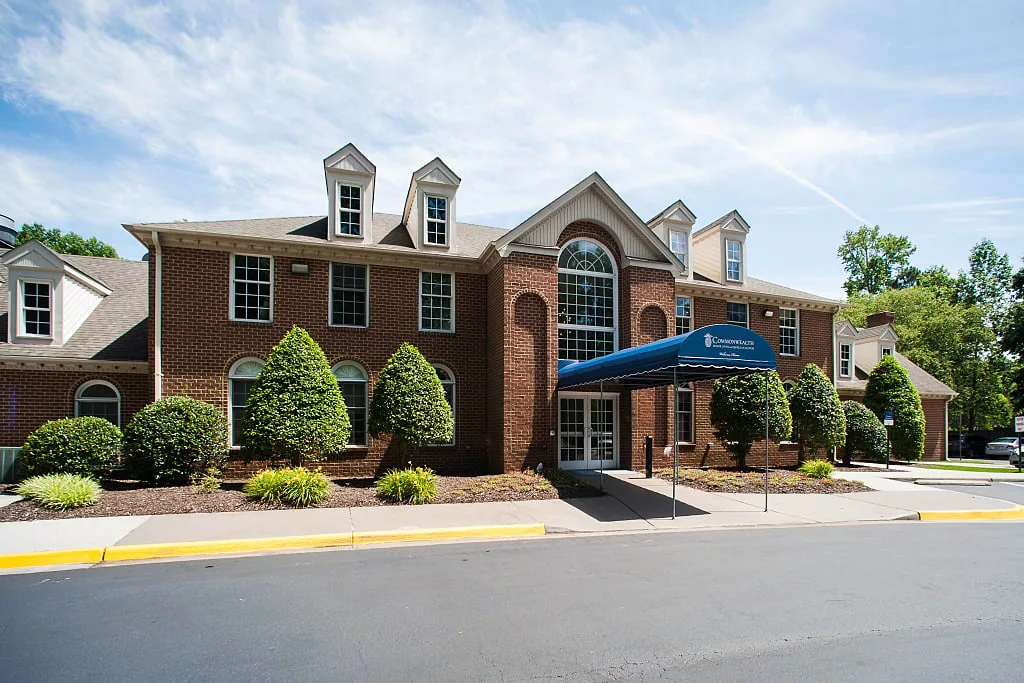
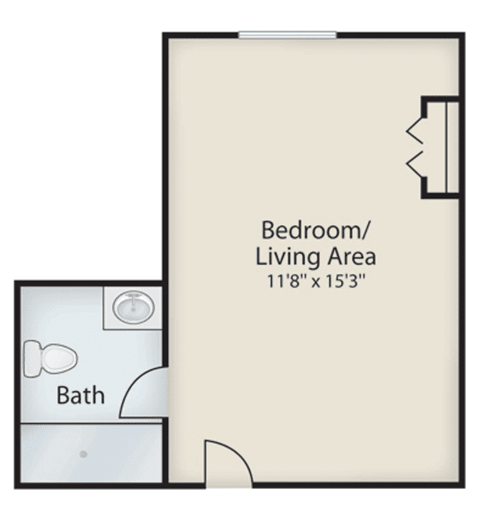
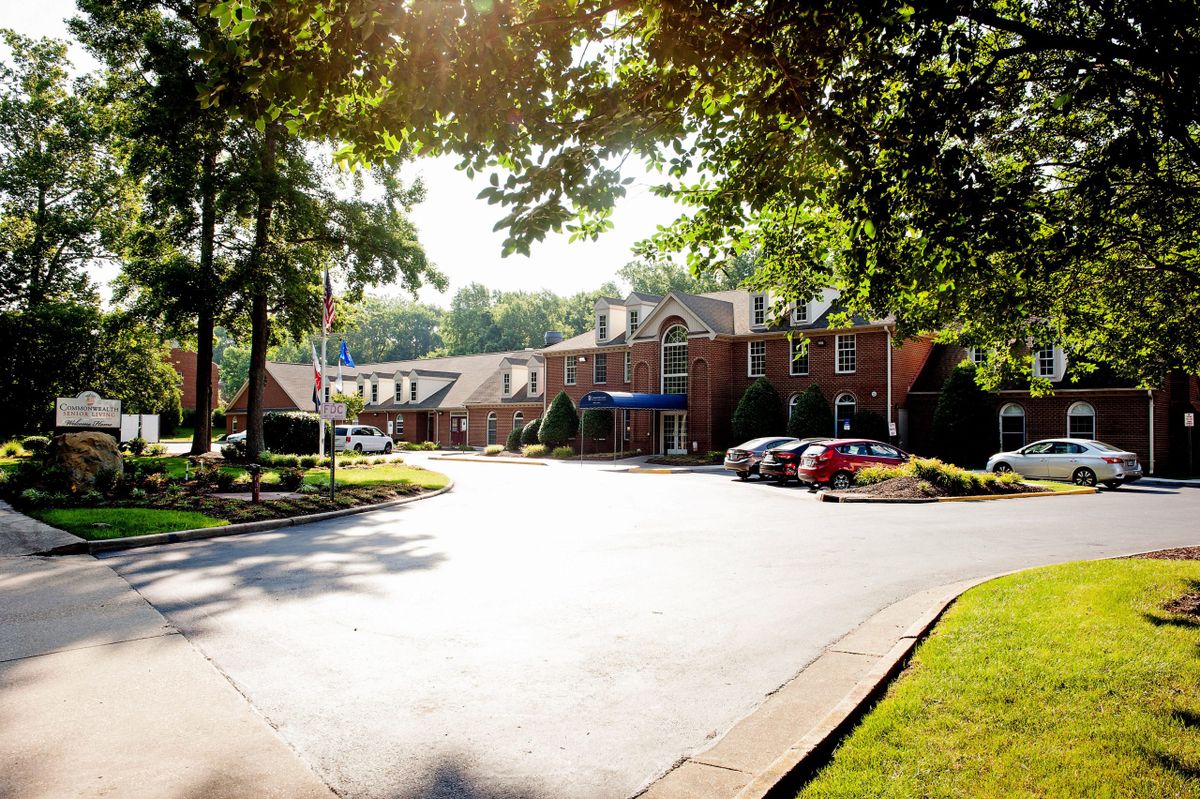
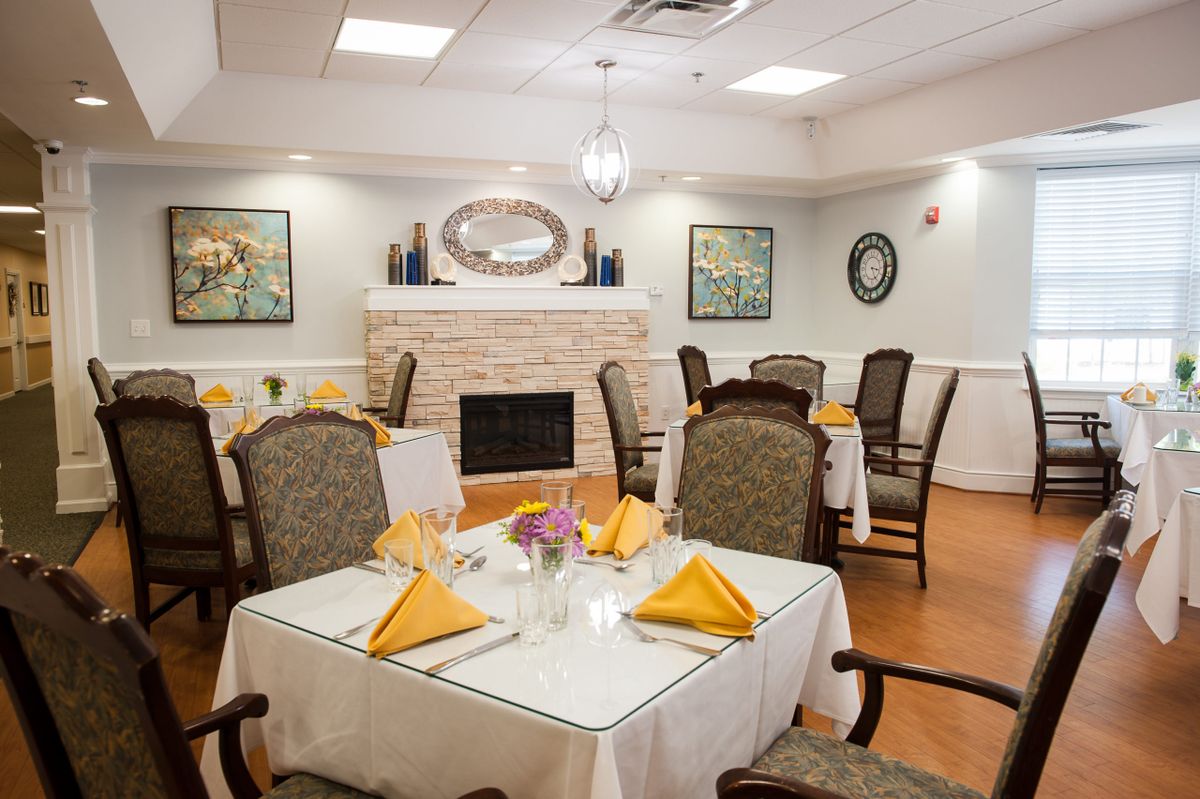
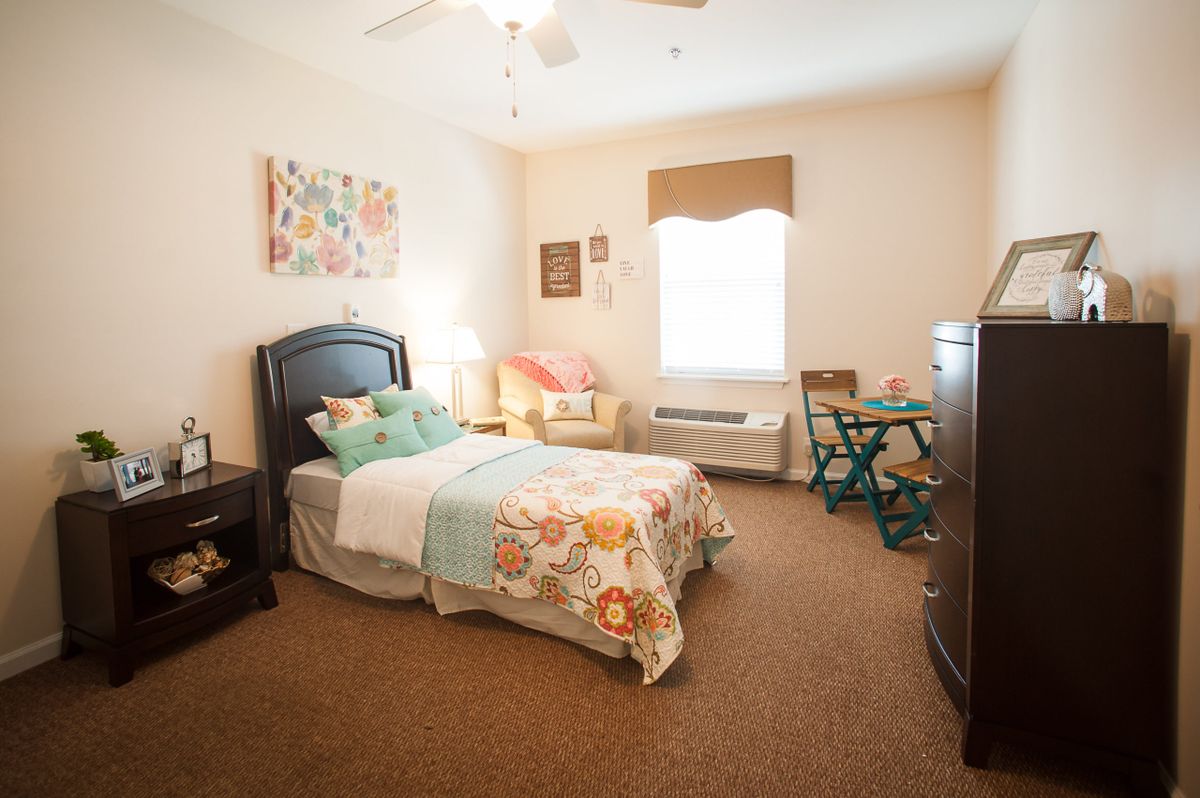
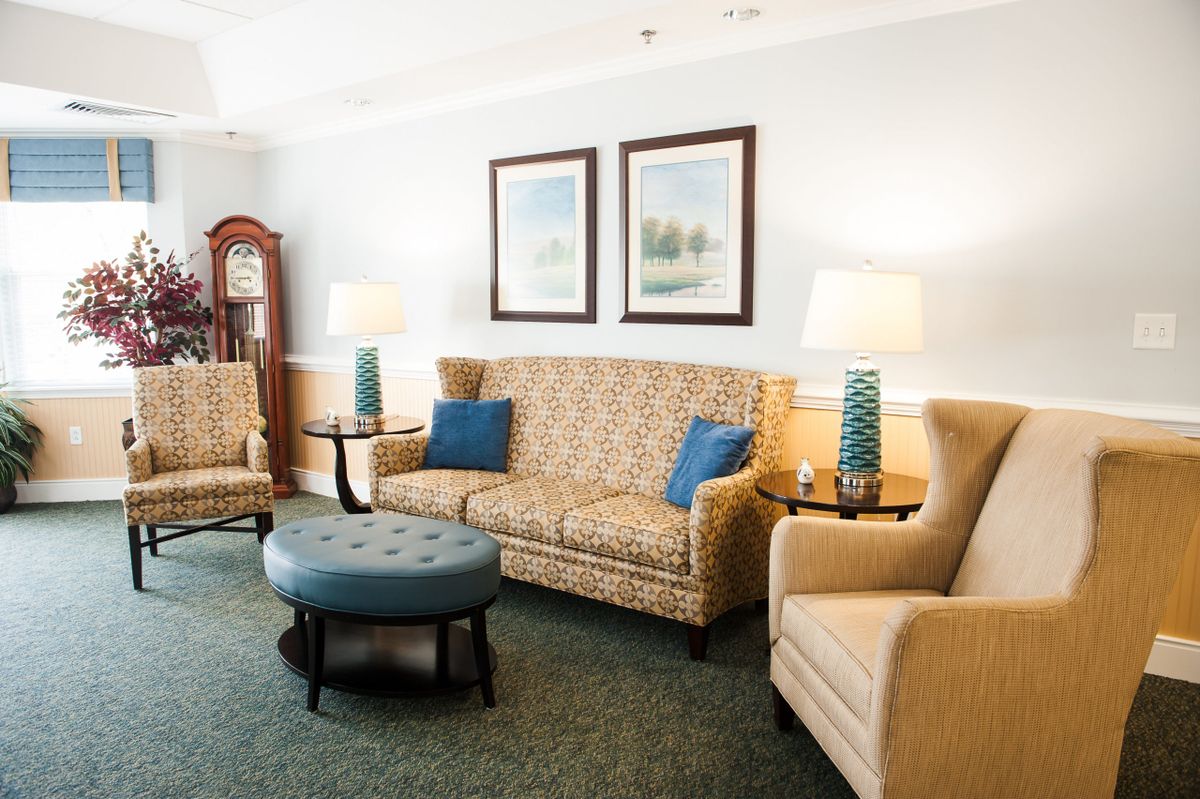
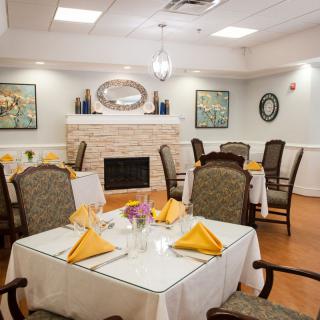
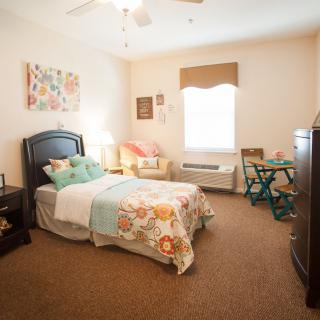
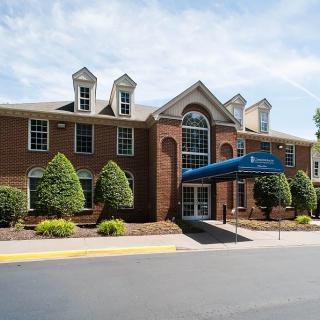
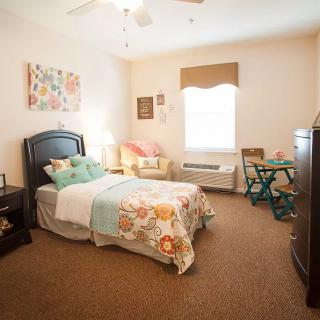
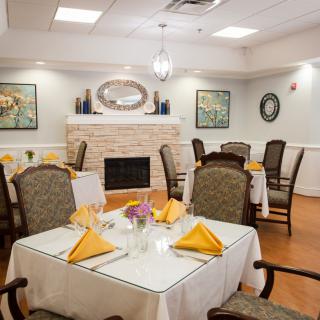
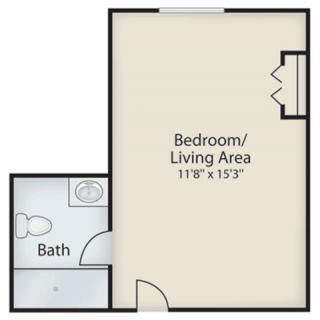
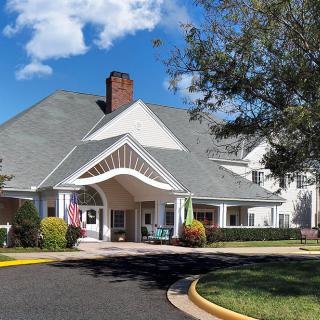
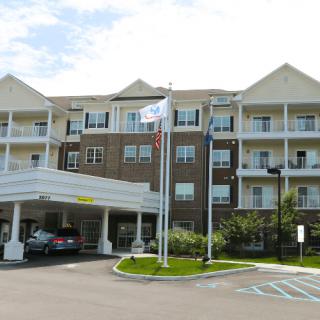
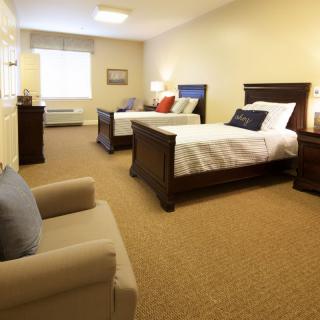
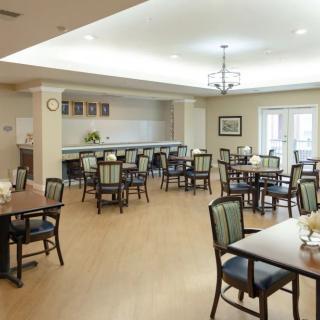
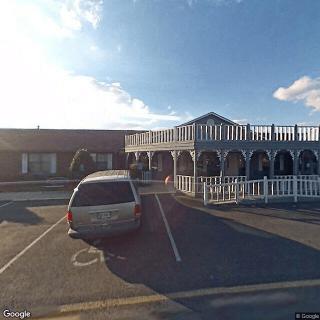
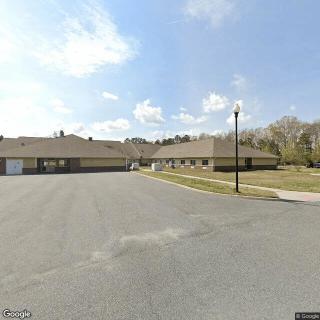
Commonwealth Senior Living at Georgian Manor on seniors.fyi includes 33 photos including images showing interior, floor plan, decor, dining, bedroom, living room, piano, building, and more.
Nearby Communities
Willow Creek Gracious Retirement Living
Chesapeake, VA
4.5 from 87 reviews
$2,655 to $4,465 / month
Immaculately maintained facility with a warm, family-like community, spacious apartments, engaging activities, and strong dining.
The Cottages at Great Bridge
Chesapeake, VA
4.3 from 32 reviews
Intimate, conveniently located community with peaceful grounds and strong social/recreation spaces.
The Commons at Chesapeake
Chesapeake, VA
3.8 from 8 reviews
$745 to $885 / month
Excellent location near hospital, shopping, and dining in a quiet, pleasant setting.
Chesapeake Health And Rehabilitation Center
Chesapeake, VA
4.1 from 136 reviews
Effective rehab therapy and generally compassionate staff.
Commonwealth Memory Care Chesapeake
Chesapeake, VA
4.2 from 33 reviews
$3,600 to $4,350 / month
Caring staff, engaging activities, clean environment, and affordable pricing.
Sentara Rehabilitation & Care Residence - Chesapeake
Chesapeake, VA
3.8 from 112 reviews
24/7 supervision with medication management and restaurant-style dining
Harmony At Oakbrooke
Chesapeake, VA
3.8 from 142 reviews
$3,095 to $5,200 / month
Clean, friendly staff with a bright, engaging environment and on-site amenities and activities.
Carebridge Assisted Living
Chesapeake, VA
4.3 from 87 reviews
$1,755 to $1,925 / month
Affordable pricing relative to local averages.
Autumn Care of Chesapeake
Chesapeake, VA
3.7 from 119 reviews
Genuine staff care in a clean, comfortable facility with spacious rooms.
The article presents five subtle indicators of dementia, such as memory lapses and mood swings, to help families assess cognitive decline in loved ones. It emphasizes early detection, open communication, and seeking professional help while providing practical support steps.
Dementia encompasses progressive neurological disorders that impair cognitive functions and can lead to paranoia due to cognitive decline and emotional changes. The article discusses the triggers of paranoia in dementia, caregiver strategies for managing it, and the importance of distinguishing between dementia-related paranoia and other psychiatric conditions.
Memory care activities are essential for improving the quality of life of seniors with cognitive impairments, as they stimulate cognitive function, promote well-being, and encourage social interaction through tailored strategies. These activities combine structured exercises with spontaneous tasks, sensory engagement, physical workouts, creative pursuits, and intergenerational interactions to enhance emotional connection and a sense of purpose.
Commonwealth Senior Living at Georgian Manor photos
×
Interior
Outdoors
Decor
Living Room
Building
Architecture
Bedroom
Trees
Windows
Dining
Artwork
Fireplace
Floor Plan
Porch
Interior
Decor
Bedroom
Dining
Living Room
Landscaping
Windows
Floor Plan and Studio Apartment
Building
Architecture
Bathroom
Trees
Artwork
Fireplace
Entrance
Patio, Outdoor Seating, and Umbrellas
Outdoors
Parking
Piano
Porch
Kitchenette
Architectural Drawing
Brick Building
Brick Exterior
Gardening
Art
Room Design
Additional Photos
Get PricingAsk A QuestionSchedule A TourContact Senior Advisor
By clicking submit, you agree to our Partner's Terms of Use. You
also consent to receive calls and texts, which may be autodialed, from our Partner. Your consent is not a condition to
using our Partner's service. Please visit our Partner's Privacy Policy for information about their privacy practices.

















 80 resident community capacity
 Studio apartments
 Assisted Living
 Memory Care
 Cats allowed
 Dogs allowed
 Activities off-site
 Air-conditioning
 Beautician on-site
 Cable or satellite TV
 Computer center
 Devotional services off-site
 Dining room
 Financing advice
 Fitness room
 Fully furnished
 Gaming room
 Garden
 Ground floor units
 Guest parking
 Housekeeping services
 Indoor common areas
 Kitchenette
 Laundry
 Move-in coordination
 Outdoor common areas
 Party space
 Pet friendly
 Private bathrooms
 Respite or short term stays offered
 Restaurant-style dining
 Small library
 Telephone
 Wellness center
 Wheelchair accessible showers
 Wi-Fi/high-speed internet available
 Norfolk International (11 miles away)
 Community operated transportation
 12-16 hour nursing
 24-hour call system
 Assistance with bathing
 Assistance with dressing
 Assistance with transfers
 Diabetes diet
 Diabetic care
 Hospice waiver
 Incontinence care
 Medication management
 Mental wellness program
 Physical therapy
 Special dietary restrictions
 Transportation arrangement (medical)
 Art classes
 Book club
 Catholic services
 Concierge services
 Day trips and outings
 Educational speakers / life long learning
 Games
Games Happy hour
 Karaoke
 Live dance or theater performances
 Live musical performances
 English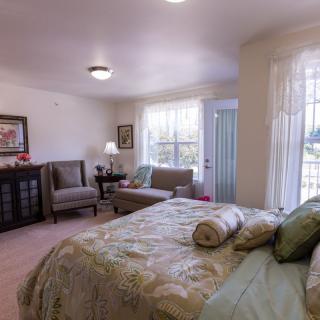
 Immaculately maintained facility with a warm, family-like community, spacious apartments, engaging activities, and strong dining.




 Five Subtle Dementia Indicators to Observe: An In-Depth Guide to Understanding “Does My Mom Have Dementia?”
 Dementia, Paranoia, and Caregiver Guidance: Understanding the Connection
 Engaging Memory Care Activities That Enhance Quality of Life