Sentara Rehabilitation & Care Residence - Chesapeake
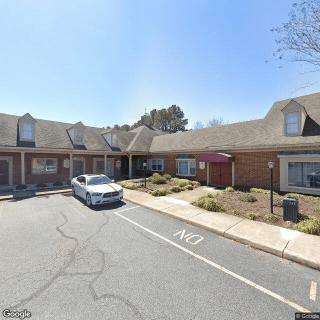
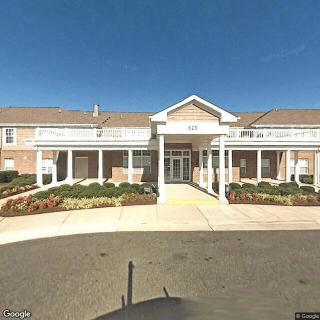
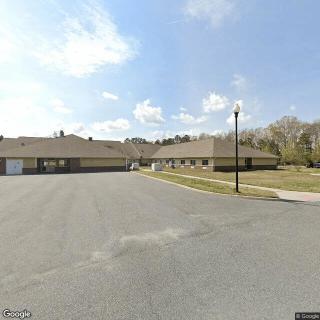
Sentara Rehabilitation & Care Residence - Chesapeake is a nursing home community in Chesapeake, VA.
Information last verified:
776 Oak Grove Road Po Box 1277, Chesapeake, VA 23320
For more information about senior living options: (866) 208-4318
3.8 from 112 reviews
5 stars
71
4 stars
4
3 stars
3
2 stars
7
1 stars
27
Overall Review of Sentara Rehabilitation & Care Residence - Chesapeake
common11 reviews mention this
Clean, well-maintained facility
Residents and families repeatedly describe the building as clean and well kept.
Many reviewers highlight cleanliness as a standout, often mentioning clean rooms, fresh bedding, and an overall well-maintained look. Several also describe the facility as not feeling overly institutional. A few reviewers add that the environment felt welcoming in day-to-day visits, reinforcing that the cleanliness was noticeable beyond just first impressions.
common10 reviews mention this
Caring rehab and skilled nursing
Reviews frequently praise the rehab team’s care during recovery stays.
Across multiple reviews, families describe supportive caregiving and effective help with rehab and healing, including nursing attention, therapy support, and daily assistance. Some reviewers specifically call out nurses, aides, and therapists as helpful and professional, with care that helped loved ones progress enough to return home. Even where feedback is mixed, many still acknowledge that individual staff members were kind and motivated.
caveat9 reviews mention this
Call response and staffing concerns
Several reviewers report delayed help and short staffing during urgent moments.
A recurring concern in lower-star reviews is that it can take a long time to get help after calling for assistance. Some reviewers describe long waits for pain medication or basic needs, and a few mention phones or call systems not being answered reliably. While a number of other comments are positive about responsiveness, the negative reviews consistently point to staffing pressure affecting timeliness of care.
common6 reviews mention this
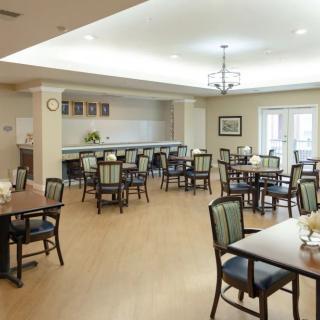
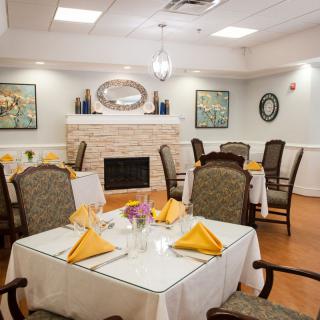
Restaurant-style dining and meal help
Dining is often described as appealing, with staff helping with appropriate meals.
Several reviewers mention that food was good or plentiful, and some describe meals being prepared the way residents need. Others specifically note made-to-order food and that staff helped ensure the right meals were served for dietary restrictions. That said, at least a couple reviews raise concerns about meal quality or consistency, suggesting dining experience can vary by resident and unit.
common2 reviews mention this
Nearby medical access
The location places multiple medical services within about a mile.
Reviewers mention using care teams and coordinating medical needs, and the surrounding area also includes nearby physician and hospital options. For families looking for quick access during a rehabilitation stay, options such as nearby physician offices and hospital services are within short driving distance. This supports the practical idea of being able to reach medical care without traveling far.
How we summarize
Counts show how many written reviews mention each theme; a review can touch several themes, and only frequently mentioned themes are displayed.
Features
Housing
120 resident community capacity
Types of Care
Skilled Nursing Facility
Amenities
Air-conditioning
Beauty salon
Cable or satellite TV
Computer center
Dining room
Fitness room
Fully furnished
Gaming room
Garden
Housekeeping services
Kitchenette
Move-in coordination
Outdoor space
Private bathrooms
Restaurant-style dining
Small library
Telephone
Wellness center
Wi-Fi/high-speed internet available
Transportation
Norfolk International (10 miles away)
Community operated transportation
Transportation arrangement
Transportation arrangement (non-medical)
Transportation to doctors appointments
Care Services
12-16 hour nursing
24-hour call system
24-hour supervision
Activities of daily living assistance
Assistance with bathing
Assistance with dressing
Assistance with transfers
Diabetes diet
Meal preparation and service
Medication management
Mental wellness program
Special dietary restrictions
Dining
Diabetes diet
Special dietary restrictions
Activities
Community-sponsored activities
Concierge services
Fitness programs
Planned day trips
Resident-run activities
Scheduled daily activities
Nearby Places of Interest
Physicians
The Spine Center At Chesapeake (0.4 miles)
Patient First - Battlefield (0.4 miles)
Allergy & Asthma Specialists (0.6 miles)
Chesapeake Diagnostic Imaging (0.6 miles)
Group For Women (0.6 miles)
Bryan, Curtis Dr - Chesapeake Integrated Behavioral Healthcare (1 miles)
Hammer Jeff C Md (1.1 miles)
Hospitals
Chesapeake Regional Labor & Delivery (0.5 miles)
Chesapeake General Hospital (0.5 miles)
Children's Hospital of the King's Daughters (1.3 miles)
Sentara Rehabilitation & Care Residence - Chesapeake is located at 776 Oak Grove Road Po Box 1277, Chesapeake, VA 23320 in Virginia Beach city, Virginia
Nearby Communities
Chesapeake Health And Rehabilitation Center
Chesapeake, VA
4.1 from 136 reviews
Effective rehab therapy and generally compassionate staff.
The Commons at Chesapeake
Chesapeake, VA
3.8 from 8 reviews
$745 to $885 / month
Excellent location near hospital, shopping, and dining in a quiet, pleasant setting.
Home Instead - Chesapeake, VA
Chesapeake, VA
4.3 from 8 reviews
$5,900 / month
Callaway Companions, LLC
Chesapeake, VA
4.4 from 22 reviews
Nearby amenities (cafes, pharmacies, physicians, hospitals, restaurants, parks) for a convenient senior lifestyle.
Care Advantage of Chesapeake, VA
Chesapeake, VA
3.1 from 47 reviews
Strong administrative support with reliable scheduling and responsive communication; most caregivers are caring and professional.
Harmony At Oakbrooke
Chesapeake, VA
3.8 from 142 reviews
$3,095 to $5,200 / month
Clean, friendly staff with a bright, engaging environment and on-site amenities and activities.
The Cottages at Great Bridge
Chesapeake, VA
4.3 from 32 reviews
Intimate, conveniently located community with peaceful grounds and strong social/recreation spaces.
Commonwealth Senior Living at Georgian Manor
Chesapeake, VA
4.7 from 161 reviews
$4,110 to $4,770 / month
Friendly, attentive staff who treat residents like family; clean, well-kept environment with engaging activities.
Autumn Care of Chesapeake
Chesapeake, VA
3.7 from 119 reviews
Genuine staff care in a clean, comfortable facility with spacious rooms.
Home health care has become essential for supporting independence among the aging population, offering diverse services such as skilled nursing and rehabilitation in familiar environments, while also incorporating technology for personalized care. Despite its benefits, including improved recovery rates and emotional well-being, challenges like safety, staff availability, and insurance navigation must be managed for effective implementation.
Home health care offers a range of clinical services provided in a patient's home, including nursing and therapy, tailored to individual needs, particularly for aging seniors with chronic conditions. This approach enhances patient independence, promotes better disease management, and utilizes technology for real-time monitoring while fostering collaboration among healthcare providers and family members.
Seniors benefit from ride-hailing services like Uber and Lyft, which provide convenient and accessible transportation options that promote independence and social engagement, while addressing mobility challenges. These platforms have adapted to meet senior needs with user-friendly features and safety measures, although costs can be a concern; community programs may help subsidize rides for older adults.
Get PricingAsk A QuestionSchedule A TourContact Senior Advisor
By clicking submit, you agree to our Partner's Terms of Use. You
also consent to receive calls and texts, which may be autodialed, from our Partner. Your consent is not a condition to
using our Partner's service. Please visit our Partner's Privacy Policy for information about their privacy practices.

 120 resident community capacity
 Skilled Nursing Facility
 Air-conditioning
 Beauty salon
 Cable or satellite TV
 Computer center
 Dining room
 Fitness room
 Fully furnished
 Gaming room
 Garden
 Housekeeping services
 Kitchenette
 Move-in coordination
 Outdoor space
 Private bathrooms
 Restaurant-style dining
 Small library
 Telephone
 Wellness center
 Wi-Fi/high-speed internet available
 Norfolk International (10 miles away)
 Community operated transportation
 12-16 hour nursing
 24-hour call system
 Activities of daily living assistance
 Assistance with bathing
 Assistance with dressing
 Assistance with transfers
 Diabetes diet
 Medication management
 Mental wellness program
 Special dietary restrictions
 Concierge services
 Planned day trips
 Effective rehab therapy and generally compassionate staff.


 Understanding Home Health Care: A Comprehensive Guide
 Home Health Care Demystified: A Comprehensive Guide for Families and Caregivers
 Seniors and Modern Transportation: Exploring Uber, Lyft, and Other Ride-Hailing Options