
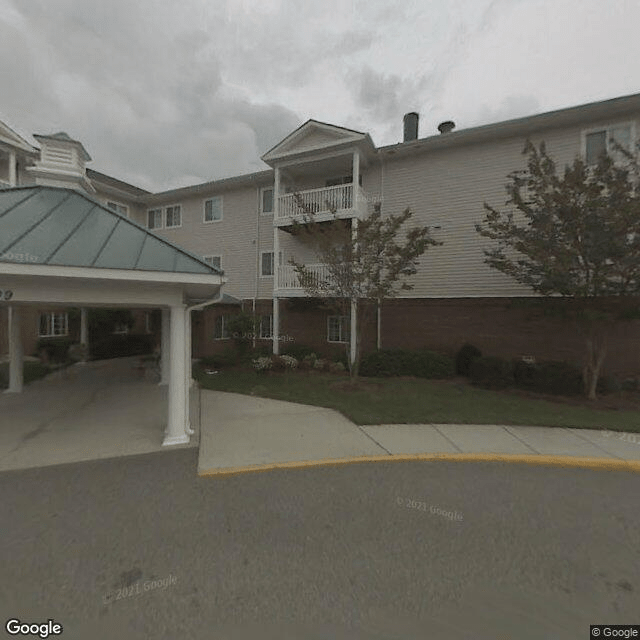
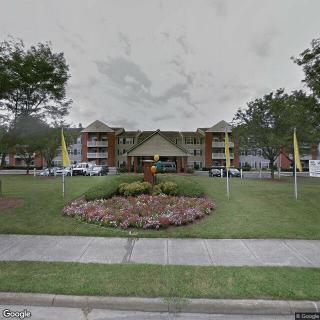
1509 Ring Road, Chesapeake, VA 23320
To contact a resident: (757) 361-0066
For more information about senior living options: (866) 208-4318
The Reserve Costs & Pricing
The Reserve offers competitive pricing in comparison to both Virginia Beach city and the broader state of Virginia. For a two-bedroom unit, residents at The Reserve benefit from a significantly lower monthly cost of $798, which stands in stark contrast to the average costs in Virginia Beach at $4,187 and the state's average of $4,602. Additionally, for private accommodations, The Reserve's price of $5,859 is higher than that of Virginia Beach city at $3,460 but is more aligned with the state's average cost of $4,684. Overall, The Reserve presents an attractive option for those seeking affordable two-bedroom living while still accommodating a range of private housing needs within the regional market dynamics.
| Floor plans | The Reserve | Virginia Beach city | Virginia |
|---|---|---|---|
| 2 Bedrooms | $798 | $4,187 | $4,602 |
| Private | $5,859 | $3,460 | $4,684 |
Overall Review of The Reserve
Pros
 There is a pull cord in every room to call for help.
- She can still take care of herself.
- She can still dress and cook for herself.
- The place is very clean.
- The staff is wonderful and everybody there is very nice.
- The leasing manager is excellent and promptly handles requests.
- She was among the first residents to move in and has remained there for over 13–14 years.
Review
The Reserve in Chesapeake is best suited for seniors who want to preserve their independence while benefiting from built-in safety features, a clean and well-maintained environment, and a responsive management team. The kind of resident who fits here is likely able to handle daily tasks, with meals, housekeeping, shopping, and doctors arranged by family or aides as needed, yet values a safety net and quick help when situations arise. A resident or family choosing this setting should prioritize a calm, orderly atmosphere, reliable maintenance, and staff who respond promptly to requests. In short, this community works for someone who prizes security, courtesy, and continuity without requiring around-the-clock hands-on care.
Those who should consider alternatives are those who anticipate needing substantial daily assistance, constant medical oversight, or memory-care supervision. The single review emphasizes an environment where the resident remains largely autonomous and relies on a pull-cord safety system, but it also suggests that family involvement remains substantial for errands and appointments. For families seeking vigorous on-site support, structured programming, or integrated nursing care, a community with enhanced in-house services or a higher level of assisted living may be a better match. In such cases, exploring options with broader care offerings can prevent gaps in daily support.
The most persuasive advantages in the review center on safety, cleanliness, and the demeanor of the staff. A pull-cord alert in every room implies a proactive safety posture, and the emphasis on a spotless, well-kept environment enhances peace of mind for residents and families alike. The staff receives high marks for kindness and reliability, and the leasing manager is described as exceptionally responsive, qualities that translate into smooth moves, faster issue resolution, and a predictable daily rhythm. Long-tenured residents also signal stability and a sense that the community is well-managed over time, which matters when choosing a place to settle in for the long haul.
However, the same review hints at a potential gap: a heavy reliance on family for day-to-day errands and medical coordination. That reality matters in a decision framework, because it sets expectations about how much on-site support is truly available. The main drawback, if there is one, is the absence of clear evidence of comprehensive on-site assistance beyond safety features and basic upkeep. Pros offset this limitation to the extent that risk is mitigated by attentive staff and rapid responsiveness; the facility’s atmosphere and operations still align with what many independent-minded seniors want, but may fall short for those needing continuous care or robust on-site services.
From a practical standpoint, families evaluating The Reserve should verify several specifics during a visit. Inquire about the scope of on-site services beyond safety systems: is there regular wellness monitoring, transportation assistance, housekeeping and laundry, meal plans, and opportunities for social engagement? Understand the cost structure, contract terms, and how pricing changes with shifts in care needs. Ask how often staff interact with residents on daily routines, what “fast resolution” looks like in practice, and whether memory care or higher levels of assistance are available nearby if needs evolve. Observing tour interactions with staff and the overall pace of response will illuminate how closely the described strengths translate to day-to-day life.
Ultimately, The Reserve presents a compelling option for seniors who prize independence paired with dependable safety and a courteous, responsive staff. For families prioritizing a pristine environment, predictable management, and a community that feels stable and welcoming, this setting is a strong fit. For those whose loved ones require substantial hands-on care or more intensive medical oversight on a daily basis, it is prudent to explore alternatives or insist on a clearly defined care plan that outlines what is possible on-site and what would require external support. A decisive next step is a focused visit: observe resident-staff interactions, confirm service levels, and map out a realistic plan for daily errands, medical coordination, and potential changes in care needs over time.
 Independent Living
 Cats allowed
 Dogs allowed
 Norfolk International (8 miles away)



 Weight Training for Seniors: Building Strength and Vitality
 Understanding the Sandwich Generation: Stress and Responsibilities for Multigenerational Caregivers
 8 Essential Assistive Devices for Older Adults