
1503 Carrolton Way, Chesapeake, VA 23320
For more information about senior living options: (866) 208-4318
Overall Review of The Retreat at Greenbrier
Pros
 The place is well maintained and well run, with friendly neighbors who organize many events and activities, creating a tight-knit community.
- It is a nice, quiet, and clean community designed for the elderly.
- Residents have lived there for many years and love the community, with neighbors who are like extended family and homes that sell quickly when they come on the market.
- Residents appreciate being close to family and praise the kind and generous management; they have enjoyed great years and look forward to more.
- The community has very nice, welcoming people.
- The Retreat provides a lovely, welcoming, and comfortable venue.
Cons
 There are too many restrictions.
Review
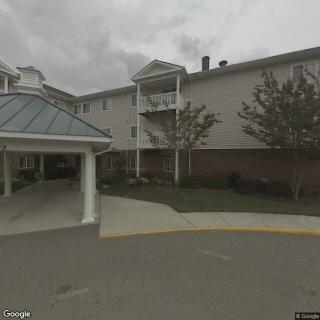
The Retreat at Greenbrier is best suited for seniors who want a warm, active, close-knit retirement setting with strong community ties and visible stability. The campus is well maintained, with common areas consistently cared for, and residents form a genuine extended-family vibe. Neighbors are friendly and engaged, and a steady stream of events and group activities fosters belonging rather than isolation. Families seeking convenience will note how long-term residents remain and how quickly homes move when listed, signaling durable demand. For older adults who prioritize social connection, security, and a quaint, quietly elegant environment, this community presents a compelling fit.
Those who prize maximum personal autonomy and flexibility may want to consider alternatives. The feedback highlights “too many restrictions,” a factor that can be a deal-breaker for residents who prefer self-directed days, looser guest policies, or more spontaneous routines. If independence, spontaneity, or a less prescriptive schedule are essential, other Chesapeake options with lighter procedural loads deserve serious evaluation. For those seeking a vibe that feels less regimented or more oriented toward off-site exploration, it’s prudent to explore communities that balance safety with greater freedom.
How the pros offset the cons is central to assessing value here. The strongest advantages lie in tangible, ongoing commitments to maintenance, safety, and social connectivity, elements families repeatedly cite as essential in senior living. A well-run campus that remains quiet, clean, and orderly reduces daily stress and yields genuine peace of mind. The tight-knit atmosphere, neighbors who become like family, translates into practical benefits: informal support networks, shared transportation for appointments, reminders about important dates, and a robust calendar of activities that keeps residents engaged. Management’s demonstrated kindness and generosity also contribute to a trusted, protective feel, softening the impact of rules by framing them as safeguards rather than constraints.
Further strengths reinforce the overall evaluation. The environment is described as beautiful and welcoming, with a venue-like sense during visits that makes first impressions positive. Residents who have stayed for years speak to stability and continuity, an assurance for families worried about turnover or disruption. The quick turnover of units when they appear on the market signals perceived value and market demand, offering some financial confidence to families planning long-term housing. The quiet, clean setting supports a calm daily rhythm, appealing to seniors who value predictability, easy navigation, and reliable upkeep in their living space.
Conversely, the cons warrant careful consideration. For residents who want flexible scheduling, independent exploration, or a looser governance structure, the “too many restrictions” can feel limiting over time. Prospective residents should investigate how rules are enforced, whether exceptions exist for family interactions, and how the calendar harmonizes safety with personal autonomy. A practical approach is to visit during a typical week, talk with current residents about their routines, and assess responsiveness from management to individual preferences. The right fit hinges on whether the protective framework ultimately feels reassuring or stifling.
Bottom-line guidance: The Retreat at Greenbrier offers a dependable, comforting home for families prioritizing a warm, engaged, tightly knit community near loved ones. Its strengths, people, maintenance, and vibrant neighborly life, translate into meaningful, day-to-day quality of life. For those who crave fewer rules or more personal spontaneity, exploring alternatives with lighter governance and greater autonomy is wise. A deliberate site visit, candid conversations with staff about how restrictions are applied, and conversations with current residents will illuminate how well the balance aligns with the senior’s needs. When aligned, this community delivers not just residency but a fulfilling, long-term sense of belonging.
 6 resident community capacity
 Active Adult Communities (55+)
 Housekeeping services
 Telephone
 Wi-Fi/high-speed internet available
 Norfolk International (9 miles away)
 Assistance with dressing
 Meal preparation and service
 Medication management
 Diabetes diet
 Special dietary restrictions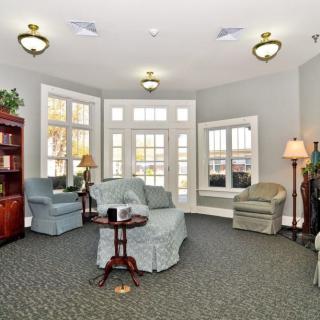




 Understanding the Nuances of Palliative Care and Hospice: A Comprehensive Exploration
 Fecal Incontinence in Older Adults: A Comprehensive Guide
 Recognizing the Journey: Understanding and Navigating Anticipatory Grief