
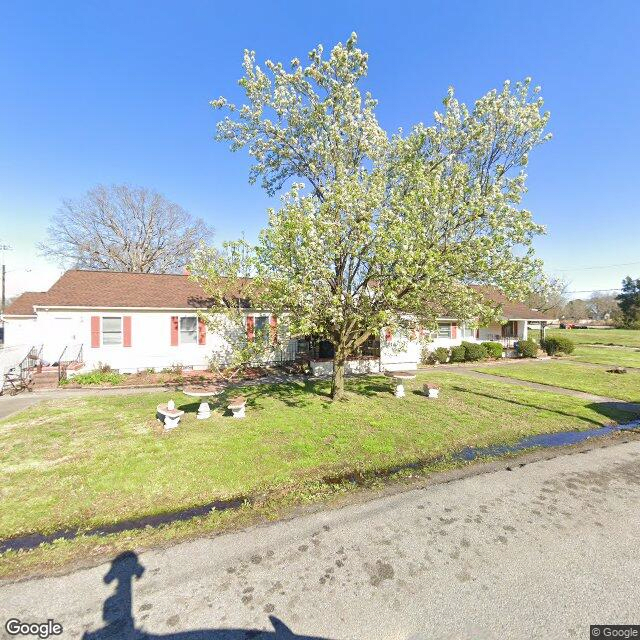
1443 Commerce Ave, Chesapeake, VA 23324
To contact a resident: (757) 545-8797
For more information about senior living options: (866) 208-4318
Overall Review of Hills Home for Adults
Pros
 The staff are very caring.
- Most of the staff are kind and constantly cleaning.
- Hill's Home for Adults is clean, close by, and has friendly staff.
- The employees are always friendly, nice, and very clean.
- The staff are prompt and help with medication changes, clothing, and getting the residents the attention they need.
- The facility offers church events and takes residents to the mall.
Cons
 It is one of the worst in the region.
- The old building was overrun with roaches, and there was garbage around the dumpster outside.
- The dietary program is not healthy, especially for diabetics; breakfasts often include waffles with syrup and a pop-tart, with no fresh fruit or vegetables.
- Milk is not served except with sugary cereal; most of the food is frozen or canned and heated.
- A reviewer described the place as a "Hell Hole," noting it is not kept right, with bed bugs everywhere and poor meals.
- The staff cursed at clients; the med techs aren’t caring, and the head in charge is money-hungry and crooked.
- Residents aren’t treated right; showers are hard to access due to crowding, and residents don’t get three meals a day; meals are high in carbs, salt, sugar, and pork.
- The majority of staff and some residents are manipulative; there is panhandling, stealing, and alcohol and drug abuse among residents and troublemakers.
- The facility is dirty, bathing accommodations are unsafe and inadequate, and there are few healthy activities or means to interact with families.
- Almost every resident’s income is taken for very little quality of life, and the place is described as a disgrace that should be closed by the health department.
Review
Hills Home for Adults in Chesapeake is best suited for seniors who want a nearby, downsized option with approachable staff and a built‑in social rhythm, including church activities and occasional outings. This community can work for residents who need some daily assistance but can tolerate variability in care and oversight, as long as family members remain actively involved. It is not the first choice for anyone who requires strict medical management, consistent high‑level nutrition, or a relentlessly clean and safety‑driven environment. Families with the means to advocate and supervise will find reasonable value, but those facing diabetes management, complex medical needs, or intense sanitation expectations should consider more robust options.
Who may want to consider alternatives? Those whose expectations hinge on pristine conditions and airtight safety protocols should look elsewhere. Any resident with diabetes or dietary restrictions that demand carefully controlled meals will likely encounter ongoing frustration, given reports of menus heavy in carbs and processed foods. If a resident requires frequent, reliable bathing, ample shower space, or more consistent staffing support, this facility may fall short. Prospective residents who demand transparent management, consistent adherence to high cleanliness standards, or significant financial accountability should prioritize facilities with stronger track records and independent verification.
On the plus side, the most consistent theme across observations is that staff can be caring and approachable. Several reviewers describe kind, helpful people who are responsive to medication needs and transitions, and who maintain a sense of cleanliness and personal attention. The proximity to home and the ease of access for families to visit or participate in activities, plus the presence of church events and mall outings, add practical social and logistical value. For families able to participate in oversight, these positive dynamics can meaningfully enhance daily life and foster a sense of community for residents who respond well to personal interactions and familiar routines.
The most serious red flags cluster around condition and quality of daily life. Reports of roaches, bed bugs, and exterior neglect paint a troubling image of cleanliness and infection-control standards. Several accounts describe unsafe bathing conditions and inadequate facilities for basic care, alongside concerns about the dietary program and overall nutrition. The meals described are often high in carbohydrates, salt, sugar, and pork, with limited fresh fruit or vegetables, which is particularly problematic for diabetics or residents requiring healthier eating. Management concerns surface in some reviews, including perception of financial prioritization over resident well-being, and allegations of poor staff behavior, inconsistent supervision, and even misconduct. A handful of posts go so far as to claim residents’ quality of life is sacrificed for cost savings, which is not a risk to dismiss lightly.
How the positives stack against the negatives determines the practical takeaway. The caring staff, accessible location, and opportunities for social activities are meaningful, but they do not fully compensate for serious sanitation issues, inconsistent nutrition, and potential lapses in safety and oversight. For families who can be hands-on and prepared to intervene when problems arise, Hills Home for Adults can still deliver moments of dignity and connection. For others, especially those with higher care needs or stringent standards for cleanliness, nutrition, and safety, the cons are likely to dominate the experience and undermine long‑term satisfaction.
In the end, Hills Home for Adults presents a mixed, risk‑aware option. It serves a niche audience: those who value proximity, personal attention, and social engagement and whose families can convincingly supervise and advocate. Those who cannot tolerate recurring cleanliness problems, suboptimal meals, or opaque administrative issues should consider stronger alternatives. Before deciding, families should insist on an in-person tour with current residents, request copies of recent health inspections and menus, and directly assess shower access, staffing levels, and how dietary needs are managed. Ask hard questions about turnover, incident reports, and how concerns are escalated. The choice should hinge on whether the day-to-day reality aligns with the resident’s essential needs and the family’s ability to supervise care.
 Assisted Living
 Activities on-site
 Devotional services off-site
 Indoor common areas
 Norfolk International (7 miles away)
 Ambulatory care
 Diabetic care
 Meals provided





 Understanding Medicaid Coverage for Assisted Living: A Comprehensive Guide
 How and When Medicaid May Cover Assisted Living Costs
 A Detailed Exploration of Assisted Living Medicaid Waivers Across the United States