Virginia Home For Adults in Chesapeake, VA

Save
Virginia Home For Adults

Virginia Home For Adults in Chesapeake, VA

2701 Border Road, Chesapeake, VA 23325

For more information about senior living options: (844) 490-3973

2.8 from 22 reviews
5 stars
7
4 stars
3
3 stars
0
2 stars
2
1 stars
10

Assisted Living

Overall Review of Virginia Home For Adults

Pros

  • pro The staff are described as very nice and caring, treating residents like family.
  • pro The facility is praised as one of the best homes in Virginia with great care and loving staff.
  • pro It is described as a family?like place where the owners treat residents like family.
  • pro The meals are good and residents feel loved and well cared for.
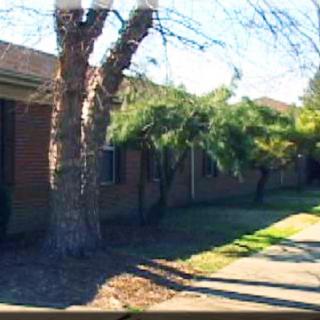
  • pro The building may be older, but it is kept clean and comfortable, with air conditioning and no extra charge for TV or radio.
  • pro The staff help residents with appointments, showing genuine support for families.
  • pro The place is recommended to others needing assisted living.
  • pro Residents feel at home, thanks to the welcoming, homey environment.

Cons

  • pro The facility is described as a festering cesspool that should be avoided at all costs.
  • pro It is characterized as worse than an SPCA for people.
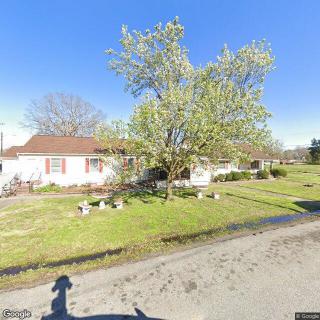
  • pro The home is old, run down, unwelcoming, and resembles a mental institution.
  • pro Residents are described as being in their last years, making it not suitable for pets.
  • pro Reports mention bed bugs, a caved-in ceiling, and strong odors, with staff who are rude and unresponsive.
  • pro The staff are deemed unprofessional and primarily concerned with money rather than resident care.
  • pro The building is dirty and rarely fixed, with ongoing neglect.
  • pro The place is labeled filthy enough that the health department should shut it down.
  • pro In another location, rooms are cramped with four roommates, no in-room bathrooms, non-automatic front doors, and overall dusty conditions.
  • pro The facility is overpriced and unclean, with medication passers not trained to handle health concerns.

Review

This community is best suited for families that value a genuinely home-like, personal approach to care and are willing to trade modern amenities for consistent warmth from staff. Residents who thrive on a familiarlike environment, where caregivers are described as loving and attentive, may find emotional comfort here even if the building itself shows its age. It works best for long-stay scenarios where the priority is daily kindness, routine, and caregiver familiarity over pristine interiors, private rooms, or high-end amenities. Those who require robust medical oversight, frequent skilled nursing, or highly specialized memory care will want to look elsewhere, as the overall setting and operations are better suited to basic assisted living needs rather than acute support.

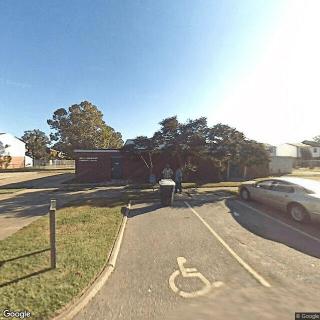
Alternatives should be strongly considered for families that insist on modern safety features, immaculate cleanliness, and predictable transparency in pricing. Multiple reviews highlight severe cleanliness problems, from persistent odors to pests, and even structural concerns such as a ceiling cave-in. The building is old and sometimes shows noticeable maintenance gaps. Inconsistent door accessibility, with non-automatic entry, and crowded room configurations (including multi-resident rooms without private baths) undermine daily safety and privacy. If a family needs up-to-date facilities, dependable housekeeping, and clear, stable fees, it makes sense to compare other Chesapeake options with stronger records on hygiene, maintenance, and resident autonomy.

On the upside, the strongest pros center on relationships and practical support. Several accounts describe staff and owners who treat residents like family, coordinating appointments and delivering care with a neighborly, compassionate touch. Where care is consistent, residents enjoy attentiveness, meals that some perceive as decent, and a sense of belonging that can be hard to find in more institutional settings. These relational positives do matter: for a resident who values daily warmth and flexibility from a small, family-run feel, the positives can meaningfully offset the shortcomings. However, care quality appears inconsistent - some households report excellent experiences, while others describe significant gaps in responsiveness and professional boundaries - which means reliability cannot be assumed.

From a decision-making angle, the key trade-off is between emotional comfort and structural risk. The advantages - staff who know residents, a homey atmosphere, and genuine, hands-on assistance with errands and appointments - can offset certain practical inconveniences for a non-critical health profile. Yet the major cons - dirty conditions, pest issues, smelled environments, undertrained staff in mental health concerns, and misaligned pricing - rarely disappear with a few well-meaning promises. For families with a resident who is physically capable but values daily companionship, these pros may justify a cautious visit. For those whose loved one requires consistent medical oversight, a safer environment, or clearer financial terms, this is a facility that demands careful scrutiny.

A prudent tour plan centers on hard data and observable conditions. Insist on seeing a current, itemized price quote and a written policy on what is included versus extra charges. Request to speak with several residents and their families about day-to-day care and responsiveness, and verify the facility's licensing status and any formal complaints or citations. Inspect multiple rooms for cleanliness, check the functioning of air conditioning, examine the dining area and kitchen, and observe housekeeping and maintenance practices. Ask about how care plans are developed, who coordinates medical appointments, and how emergencies are handled at night. Red flags include reports of bed bugs, ongoing pest issues, significant maintenance neglect, and staff turnover that interrupts continuity of care.

In the end, Virginia Home For Adults represents a high-stakes choice. It is workable for families prioritizing a warm, family-like environment and who can tolerate the building's age and occasional maintenance shortcomings. It is far less suitable for those needing pristine facilities, aggressive cleanliness standards, or guaranteed, consistent professional oversight. Those considering this community should proceed with rigorous diligence: demand transparency, verify safety and accessibility features, and weigh the emotional rewards against the risks of maintenance gaps. If any major red flags persist after due diligence, the prudent course is to explore alternatives with stronger guarantees of cleanliness, safety, and predictable pricing.

Features

Housing

  • 52 resident community capacity 52 resident community capacity

Types of Care

  • Assisted Living Assisted LivingAssisted living facilities provide crucial support and care for seniors who may need help with daily tasks such as medication management, bathing, and meal preparation. These communities offer a safe and comfortable environment where seniors can maintain their independence while receiving the assistance they need to thrive in their golden years.

Amenities

  • Activities on-site Activities on-siteActivities on-site are important for seniors because they provide opportunities for socialization, mental stimulation, physical activity, and overall well-being. Engaging in activities can help seniors stay active, maintain their independence, and improve their quality of life.
  • Air-conditioning Air-conditioningAir conditioning is important for seniors as they are more vulnerable to heat-related illnesses and may have underlying health conditions that make it difficult for them to regulate their body temperature. It helps to keep them comfortable, safe, and healthy in hot weather.
  • Beauty salon Beauty salonBeauty salons are important for seniors because they provide a space for them to feel pampered, socialize, and maintain their personal grooming and hygiene. Regular visits to a beauty salon can help boost seniors' self-esteem and overall well-being.
  • Cable or satellite TV Cable or satellite TVCable or satellite TV is important for seniors because it provides entertainment, news, and companionship, helping to combat loneliness and boredom. It also offers a wide range of programming options tailored to different interests and preferences.
  • Computer center Computer centerA computer center is essential for seniors as it provides access to technology, communication tools, and resources that can enhance their daily lives. It allows them to stay connected with loved ones, engage in online activities, and learn new skills, ultimately promoting socialization and mental stimulation.
  • Devotional services off-site Devotional services off-siteDevotional services off-site are important for seniors as they provide spiritual nourishment, social engagement, and a sense of community outside of the senior living facility. This can enhance overall well-being and help combat feelings of isolation and loneliness often experienced by older adults.
  • Dining room Dining roomDining rooms are important for seniors as they provide a space for socialization, connection, and nutritious meals. They offer opportunities for residents to bond over shared meals, foster a sense of community, and promote healthy eating habits. Dining rooms also ensure that seniors have access to well-balanced meals tailored to their dietary needs and preferences.
  • Fitness room Fitness roomHaving a fitness room in a senior living community is essential for seniors to stay active, maintain their physical health, and improve their overall well-being. Regular exercise can help prevent falls, reduce the risk of chronic diseases, and promote mental sharpness. It also provides social opportunities for residents to connect with others and enjoy a sense of community.
  • Fully furnished Fully furnishedFully furnished senior living communities are important for seniors because they provide convenience, comfort, and a hassle-free moving experience. Seniors can easily settle into their new living space without the stress of having to buy and move furniture. This allows them to focus on enjoying their new home and community.
  • Gaming room Gaming roomGaming rooms are important for seniors as they provide a fun and engaging environment for socializing, cognitive stimulation, and physical activity. Games can improve memory, problem-solving skills, and overall mental well-being while fostering friendships and reducing feelings of isolation.
  • Garden GardenGardens are important for seniors as they provide a peaceful and therapeutic environment for relaxation, physical activity, and socialization. Being in nature has been shown to reduce stress, improve mood, and promote overall well-being. Gardens also offer opportunities for seniors to engage in gardening activities, which can improve mobility, flexibility, and cognitive function. Additionally, gardens create a sense of community and connection with others who share a passion for plants and outdoor spaces.
  • Housekeeping services Housekeeping servicesHousekeeping services are important for seniors because they help maintain a clean and safe living environment, promote independence, and reduce the risk of accidents or illnesses. Additionally, having assistance with household chores can alleviate physical strain and allow seniors to focus on other aspects of their well-being.
  • Indoor common areas Indoor common areasIndoor common areas are crucial for seniors as they provide a space for socialization, recreation, and community engagement, promoting overall well-being and reducing feelings of isolation and loneliness.
  • Kitchenette KitchenetteKitchenettes are important for seniors living in senior living communities because they provide the convenience and independence of being able to prepare simple meals and snacks in the comfort of their own living space. This can help promote a sense of autonomy and well-being for seniors, allowing them to maintain some level of control over their dietary choices and daily routines.
  • Move-in coordination Move-in coordinationMove-in coordination is important for seniors because it helps ease the transition into their new living environment. It ensures that all logistics, such as packing, organizing movers, and setting up utilities are taken care of, allowing seniors to focus on settling in and adjusting to their new home. Having a smooth move-in process can alleviate stress and anxiety, making the transition smoother and more enjoyable for seniors.
  • Outdoor space Outdoor spaceOutdoor spaces are important for seniors as they provide opportunities for physical activity, social interaction, exposure to natural light and fresh air, and a sense of connection to nature. Having access to outdoor spaces can improve overall well-being and quality of life for older adults living in senior communities.
  • Private bathrooms Private bathroomsPrivate bathrooms are important for seniors in senior living communities because they provide independence, dignity, and comfort. Having a private bathroom allows seniors to maintain their personal hygiene routines without the need for assistance, promoting a sense of autonomy and privacy. Additionally, private bathrooms help prevent the spread of infections and provide a safe and clean environment for seniors to navigate safely.
  • Restaurant-style dining Restaurant-style diningRestaurant-style dining is important for seniors because it allows them to enjoy delicious, nutritious meals in a social and upscale setting. This enhances their dining experience, promotes healthy eating habits, and fosters socialization with fellow residents, ultimately contributing to their overall well-being and quality of life.
  • Small library Small librarySmall libraries are important for seniors as they provide access to a variety of reading materials, including books, newspapers, and magazines. This can help stimulate their minds, keep them engaged, and provide a sense of community through book clubs and other social activities. Additionally, reading has been shown to improve cognitive function and overall mental well-being in older adults.
  • Telephone TelephoneTelephones are important for seniors as they provide a lifeline for communication with loved ones, emergency services, and healthcare providers. They offer a sense of security and independence, enabling seniors to stay connected and access assistance when needed.
  • Wellness center Wellness centerWellness centers are important for seniors because they offer a variety of programs and services that promote physical, mental, and emotional well-being. These centers provide opportunities for exercise, socialization, education, and relaxation, helping seniors maintain their overall health and quality of life.
  • Wi-Fi/high-speed internet available Wi-Fi/high-speed internet availableWi-Fi/high-speed internet is important for seniors to stay connected with loved ones, access online resources, and participate in virtual activities to combat feelings of loneliness and isolation. It also allows them to easily manage healthcare needs, access entertainment, and engage in lifelong learning opportunities.

Transportation

  • Norfolk International (6 miles away) Norfolk International (6 miles away)
  • Community operated transportation Community operated transportationCommunity operated transportation is crucial for seniors as it provides them with the means to access essential services, social activities, and medical appointments. It allows seniors to maintain their independence and quality of life by ensuring they can participate in activities outside of their homes. Additionally, community-operated transportation services offer a safe and reliable way for seniors to travel without having to rely on family or friends for assistance.
  • Transportation arrangement Transportation arrangementTransportation arrangements are crucial for seniors as they may face challenges with driving, mobility, or access to public transportation. Having reliable transportation services ensures that seniors can easily attend appointments, social activities, and maintain their independence and quality of life.
  • Transportation arrangement (non-medical) Transportation arrangement (non-medical)Transportation arrangements are essential for seniors as they provide access to essential services, activities, and social interactions outside the home. This service helps maintain independence, mobility, and overall well-being for seniors who may have limited transportation options.
  • Transportation to doctors appointments Transportation to doctors appointmentsTransportation to doctors appointments is crucial for seniors as it ensures they have access to necessary medical care and support, promoting their health and well-being. It allows them to receive timely treatment, monitor existing conditions, and address any new health concerns efficiently. Additionally, transportation services can help seniors maintain their independence and quality of life by enabling them to stay connected with their healthcare providers.

Care Services

  • 12-16 hour nursing 12-16 hour nursing12-16 hour nursing care is crucial for seniors in order to ensure around-the-clock monitoring, timely medication administration, and prompt response to any health concerns or emergencies. This level of care helps to promote the overall well-being and safety of seniors living in senior living communities.
  • 24-hour call system 24-hour call system24-hour call systems are important for seniors because they provide peace of mind and immediate assistance in case of emergencies. This technology ensures that help is always available, promoting safety and security for elderly individuals living alone or in assisted living facilities.
  • 24-hour supervision 24-hour supervision24-hour supervision is important for seniors to ensure their safety, well-being, and access to immediate assistance in case of emergencies or health issues. This constant support provides peace of mind for both seniors and their loved ones, allowing them to age in place with dignity and security.
  • Activities of daily living assistance Activities of daily living assistanceActivities of daily living assistance are important for seniors because they provide essential support with tasks such as eating, bathing, dressing, and mobility. This assistance helps seniors maintain their independence, dignity, and overall quality of life as they age.
  • Ambulatory care Ambulatory care"Ambulatory care services provide essential medical support and treatment to seniors without requiring hospitalization, allowing them to maintain their independence and quality of life while managing chronic conditions or receiving routine medical care."
  • Assistance with bathing Assistance with bathingAssistance with bathing is crucial for seniors as it helps maintain personal hygiene, prevents infections, and ensures their overall well-being and comfort. It also provides a sense of dignity and independence for seniors who may struggle with this task on their own.
  • Assistance with dressing Assistance with dressingAssistance with dressing is important for seniors because it helps maintain their independence, promotes personal hygiene, prevents accidents and injuries, and improves overall quality of life. This service ensures that seniors can continue to dress comfortably and confidently, despite any physical limitations they may have.
  • Assistance with transfers Assistance with transfersAssistance with transfers is crucial for seniors as it helps prevent falls and injuries, maintains their independence, and ensures they can safely navigate their living environment. It also provides peace of mind for both seniors and their loved ones.
  • Diabetes diet Diabetes dietA diabetes diet is crucial for seniors as it helps manage blood sugar levels, reduce risks of complications, and improve overall health and well-being. By following a balanced and nutritious diet tailored to their specific needs, seniors can better control their diabetes and enhance their quality of life.
  • Diabetic care Diabetic careDiabetic care is crucial for seniors as they are more susceptible to developing diabetes due to aging and other health conditions. Proper management of diabetes can help prevent complications such as heart disease, vision loss, and nerve damage, improving the overall quality of life for seniors in senior living communities.
  • Meal preparation and service Meal preparation and serviceMeal preparation and service are crucial for seniors as they may have limited mobility or energy to cook nutritious meals. Having access to healthy and convenient food options can ensure they are getting the proper nutrition needed to maintain their overall health and well-being.
  • Medication management Medication managementMedication management is crucial for seniors to ensure they are taking the right medications at the correct dosages and times. This helps prevent adverse drug interactions, reduces the risk of medication errors, and promotes overall health and well-being. Proactive management also allows for adjustments as needed based on changing health conditions or new prescriptions.
  • Mental wellness program Mental wellness programMental wellness programs are essential for seniors as they promote cognitive stimulation, emotional support, and social engagement. These programs help prevent isolation, depression, and cognitive decline, ultimately enhancing the overall quality of life for older adults.
  • Special dietary restrictions Special dietary restrictionsSpecial dietary restrictions are important for seniors because age-related changes in metabolism and health conditions can make it difficult for their bodies to process certain foods. By following a diet tailored to their specific needs, seniors can maintain their overall health and well-being, manage chronic conditions, and reduce the risk of complications such as malnutrition or food interactions with medications.

Dining

  • Diabetes diet Diabetes dietA diabetes diet is crucial for seniors as it helps manage blood sugar levels, reduce risks of complications, and improve overall health and well-being. By following a balanced and nutritious diet tailored to their specific needs, seniors can better control their diabetes and enhance their quality of life.
  • Meals provided Meals provided"Meals provided" are crucial for seniors in assisted living communities as it ensures they have access to nutritious, balanced meals without the stress of meal planning and preparation. This can help promote overall health and well-being for seniors who may have limited mobility or cognitive abilities.
  • Special dietary restrictions Special dietary restrictionsSpecial dietary restrictions are important for seniors because age-related changes in metabolism and health conditions can make it difficult for their bodies to process certain foods. By following a diet tailored to their specific needs, seniors can maintain their overall health and well-being, manage chronic conditions, and reduce the risk of complications such as malnutrition or food interactions with medications.

Activities

  • Activities on-site Activities on-siteActivities on-site are important for seniors because they provide opportunities for socialization, mental stimulation, physical activity, and overall well-being. Engaging in activities can help seniors stay active, maintain their independence, and improve their quality of life.
  • Community-sponsored activities Community-sponsored activitiesCommunity-sponsored activities are important for seniors as they provide opportunities for social interaction, mental stimulation, and physical activity. These activities can help improve overall well-being, combat loneliness and isolation, and promote a sense of belonging and purpose among older adults.
  • Concierge services Concierge servicesConcierge services are essential for seniors as they provide assistance with daily tasks and errands, enhance their quality of life by offering convenience and personalized care, and promote a sense of safety and security.
  • Devotional activities offsite Devotional activities offsiteDevotional activities offsite are important for seniors because they provide social engagement, spiritual growth, and a sense of community outside of their living environment. This can improve overall well-being, mental health, and combat feelings of isolation or loneliness.
  • Fitness programs Fitness programsFitness programs are crucial for seniors as they help improve strength, flexibility, balance, and overall well-being. Staying active can reduce the risk of chronic diseases, improve mental health, and enhance quality of life in older adults.
  • Planned day trips Planned day tripsPlanned day trips are important for seniors because they offer opportunities for socialization, mental stimulation, and physical activity. They provide a change of scenery and help seniors stay engaged and connected to their community, promoting overall well-being and quality of life.
  • Resident-run activities Resident-run activitiesResident-run activities are important for seniors as they encourage social interaction, creativity, and a sense of autonomy. These activities empower seniors to stay engaged and active in their community while fostering meaningful connections with their peers.
  • Scheduled daily activities Scheduled daily activitiesScheduled daily activities are important for seniors because they provide structure, socialization, mental stimulation, and physical activity. Engaging in regular activities can improve overall well-being and quality of life for seniors living in a community setting.

Languages Spoken

  • English EnglishEnglish is important for seniors as it allows them to communicate effectively with healthcare providers, understand important information related to their health and medications, stay connected with loved ones, and engage in social activities within their communities. It also opens up opportunities for lifelong learning and intellectual stimulation.

Description

The Virginia Home For Adults in Chesapeake, VA is a vibrant and well-equipped assisted living community that offers a comfortable and supportive environment for seniors. Residents can enjoy a range of amenities, including air-conditioning, cable or satellite TV, and access to a beauty salon.

Transportation needs are easily met with community-operated transportation services as well as arrangements for non-medical transportation and transportation to doctors' appointments.

The community also provides various recreational spaces such as a fitness room, gaming room, and outdoor garden where residents can engage in physical activities and socialize with fellow residents.

For those seeking mental wellness support, there is access to a computer center with Wi-Fi/high-speed internet, small library for leisure reading, devotional services off-site, and resident-run activities.

Meals at the Virginia Home For Adults are served restaurant-style in the dining room with options available to accommodate special dietary restrictions. Additionally, there is assistance provided with meal preparation and service.

Personal care services are available around-the-clock with 24-hour supervision and a call system for emergencies. Trained staff assist residents with activities of daily living such as bathing, dressing, transfers, medication management, and following diabetic care plans.

Residents can also take advantage of the nearby amenities within the surrounding area. There are numerous cafes, parks, pharmacies, physicians' offices, restaurants, hospitals nearby making it convenient for residents to access various services outside of the community.

Overall, the Virginia Home For Adults in Chesapeake offers a comprehensive range of amenities and care services that cater to the needs of seniors while promoting an active and engaging lifestyle within a supportive community setting.

Nearby Places of Interest

This part of Chesapeake, Virginia offers convenient access to a variety of amenities and services that cater to the needs of seniors. With multiple pharmacies nearby such as CVS and Walgreens, residents can easily access their medications and healthcare supplies. There are also several reputable physicians' offices in the area, providing quality medical care for seniors. For dining options, there is a selection of restaurants ranging from casual eateries like Hardee's to more upscale venues like Legend Brewing Depot. In terms of transportation, The Tide stations offer easy access to public transit for those who prefer not to drive. Additionally, there are parks like The Pagoda & Oriental Garden for leisurely walks and relaxation. Nearby hospitals such as Naval Medical Center Portsmouth and CHKD provide peace of mind knowing that quality healthcare is within reach. Overall, this area offers a mix of convenience, healthcare options, dining choices, and recreational opportunities for seniors considering living in Chesapeake.

Pharmacies

  • CVS Pharmacy (1.4 miles)
  • Irwin's Pharmacy (1.6 miles)
  • Walgreens (2.2 miles)
  • Mac Arthur Pharmacy (3.1 miles)
  • Grifols (3.1 miles)
  • CVS Pharmacy (3.2 miles)
  • Walgreens (3.5 miles)

Restaurants

  • Eagles Nest Rockin Country Bar (2 miles)
  • Legend Brewing Depot (2.7 miles)
  • Hardee's (2.7 miles)
  • Taqueria La Hacienda (2.8 miles)
  • Blue Moon Taphouse (2.8 miles)
  • Waterside District (2.8 miles)
  • Cracker Barrel (2.9 miles)

Physicians

  • Patricia King MD (2.2 miles)
  • Tidewater Pediatric Consultants PC (2.3 miles)
  • Virginia Eye Consultants (2.6 miles)
  • Ivor Barry Kaplan (3.5 miles)
  • Center Greenbriar Health and Wellness (3.7 miles)
  • Willis, Erica Pediatric Associates (3.9 miles)
  • Occupational Medical Education and Research Services (3.9 miles)

Transportation

  • The Tide-Newtown Road Station (2.8 miles)
  • The Tide MacArthur Square Station (2.9 miles)

Cafes

  • Starbucks (3 miles)
  • Panera Bread (3.1 miles)
  • Metro Diner (3.7 miles)
  • Starbucks (3.7 miles)
  • Panera Bread (3.9 miles)
  • Cafe Stella (4.1 miles)
  • Starbucks (4.1 miles)

Parks

  • The Pagoda & Oriental Garden (3.2 miles)
  • Chesapeake City Park (4.8 miles)

Hospitals

  • Naval Medical Center Portsmouth (3.4 miles)
  • Portsmouth General Hospital (3.4 miles)
  • Chkd (3.8 miles)
  • Chesapeake General Hospital (4.9 miles)
  • Chesapeake Regional Labor & Delivery (4.9 miles)

Places of Worship

  • Twine Memorial Holy Temple (3.6 miles)

Frequently Asked Questions

Where is Virginia Home For Adults?

Nearby Communities

  • Hills Home for Adults

    Hills Home for Adults

    Chesapeake, VA

    3.2 from 11 reviews
     

    pro Clean, well-maintained facility with friendly, proactive staff.

  • Bell Diamond Manor

    Bell Diamond Manor

    Norfolk, VA

    3.9 from 13 reviews
     

    pro Amenity-rich location with easy access to dining, parks, healthcare, and services.

  • Indian River Residential Community

    Indian River Residential Community

    Chesapeake, VA

    3.9 from 10 reviews
     

    pro Compassionate management; affordable option.

  • BrightStar - Chesapeake,  VA

    BrightStar - Chesapeake, VA

    Chesapeake, VA

    4.5 from 78 reviews
     

    pro Dedicated, on-time caregivers.

  • Beth Sholom Village

    Beth Sholom Village

    Virginia Beach, VA

    3.5 from 4 reviews
     

    pro Friendly staff and a clean environment.

  • Beth Sholom Home Of Eastern Virginia Beach

    Beth Sholom Home Of Eastern Virginia Beach

    Virginia Beach, VA

    3.7 from 53 reviews
     

    pro Clean, well-maintained facility with ample amenities and attentive staff.

  • Jamestown Commons

    Jamestown Commons

    Virginia Beach, VA

    3.7 from 96 reviews
    $620 to $890 / month

    pro Friendly, helpful staff and an active social community with organized activities.

  • The Reserve at Greenbrier

    The Reserve at Greenbrier

    Chesapeake, VA

    4.7 from 144 reviews
    $1,525 to $1,865 / month

    pro Friendly staff, spacious, well-equipped apartments, and active social programs.

  • Carebridge Assisted Living

    Carebridge Assisted Living

    Chesapeake, VA

     
    $1,755 to $1,925 / month

    pro Affordable pricing relative to local averages.

Related Resources

  • does medicaid pay for assisted livingHow and When Medicaid May Cover Assisted Living Costs

    Medicaid coverage for assisted living varies by state and is primarily available to low-income individuals, with eligibility dependent on strict income and asset limits. Some states offer HCBS waivers for specific services in assisted living, but families must generally cover room and board costs, and should verify facility acceptance of Medicaid while considering potential waiting lists.

  • assisted living waiver programA Detailed Exploration of Assisted Living Medicaid Waivers Across the United States

    Medicaid waivers for assisted living services provide vital support for seniors and individuals with disabilities in need of long-term care, with varying state-specific eligibility criteria and benefits. These waivers cover personal care and case management but often do not fully cover room and board, leading to waiting lists for many applicants.

  • assisted living for disabled adultsComprehensive Residential Support and Assisted Living Solutions for Individuals with Disabilities

    The article examines the complexities of assisted living for individuals with disabilities, emphasizing the need for tailored care solutions that enhance quality of life and social inclusion, while addressing financial challenges and advocating for community integration. It discusses various housing options, the importance of financial assistance through public benefits, and highlights trends towards integrated and technology-driven solutions in disability-focused housing.