
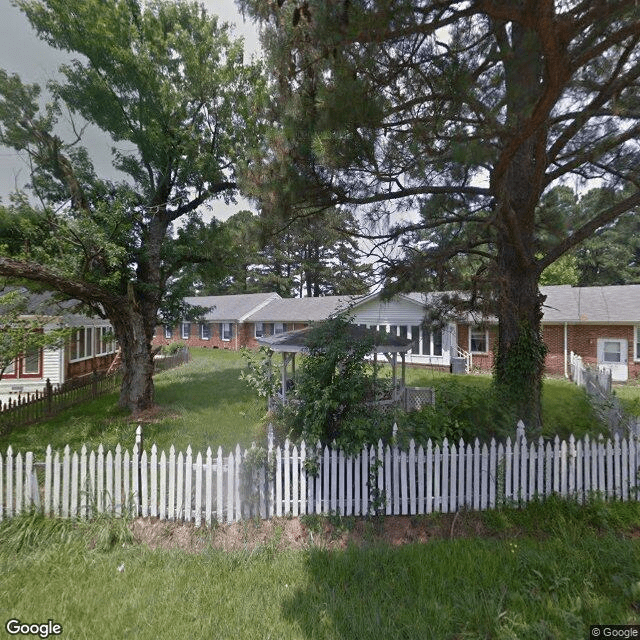
904 George Washington Hwy N, Chesapeake, VA 23323
To contact a resident: (757) 487-9737
For more information about senior living options: (866) 208-4318
Colonial Home Assisted Living Costs & Pricing
Colonial Home Assisted Living offers competitive pricing for its residents compared to the broader market in Chesapeake City and the state of Virginia. For a semi-private room, the cost at Colonial Home is $2,050 per month, which is notably lower than the local average of $2,300 and significantly more affordable than the state average of $3,991. Similarly, for those seeking a studio apartment, Colonial Home charges $2,600 monthly, again demonstrating affordability against Chesapeake City's price of $3,083 and Virginia's average of $4,436. This positioning not only makes Colonial Home an attractive option for families considering assisted living but also underscores its commitment to providing quality care while remaining cost-effective.
| Floor plans | Colonial Home Assisted Living | Chesapeake city | Virginia |
|---|---|---|---|
| Semi-Private | $2,050 | $2,300 | $3,991 |
| Studio | $2,600 | $3,083 | $4,436 |
Memory care communities with a similar price nearby
-
from -$319 / mo
Lake Prince Woods
$1,731 to $11,500 / month15.3 miles away -
from +$350 / mo
Currituck House
$2,400 to $3,650 / month18.8 miles away -
from +$350 / mo
Eden Court
$2,400 to $3,300 / month19.4 miles away -
from -$250 / mo

Lav'm Adult Residence
$1,800 to $2,000 / month8.3 miles away
Overall Review of Colonial Home Assisted Living
Pros
 The home setting is perfect for his dad.
- He will feel at home right away.
- It is clean, smells good, and the staff are all friendly.
- Everyone living there seems to be happy.
Cons
 A resident escaped the building and walked into traffic, and no one noticed for a while.
- The reviewer noted that the incident could have killed the resident and said they would report it to the media, including the dashcam footage.
Review
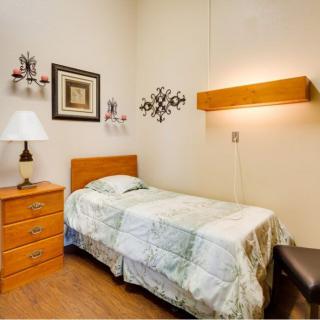
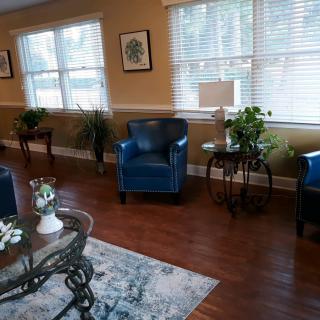
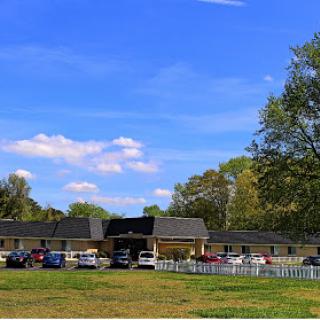
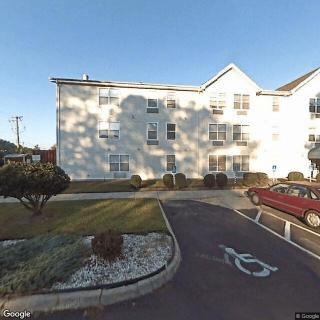
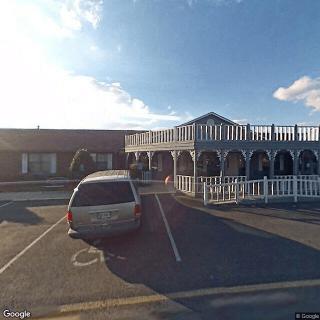
Colonial Home Assisted Living in Chesapeake is best suited for families seeking a warm, home-like environment where a loved one can settle in quickly, feel comfortable, and enjoy a clean, pleasant-smelling setting with friendly staff. This community appears to work well for residents who are relatively independent or require only mild daily assistance, and for families who prioritize a sociable, homelike atmosphere over highly structured, high-security care. The emphasis on a welcoming, resident-focused vibe suggests a place where daily life feels familiar and approachable, which can ease the transition for someone who values comfort and routine over clinical intensity.
Those weighing alternatives should consider that this community may not be the right fit for individuals with significant wandering risk or those needing constant, vigilant supervision. The most consequential factor emerging from the experience is safety; a resident reportedly escaped the building and wandered into traffic, unnoticed for a period. Such an incident signals potential gaps in surveillance, wander-management, and emergency response. For families confronting dementia, memory-care needs, or high-acuity care, this environment may fall short of the security and specialized programming required. In short, anyone prioritizing fail-safe safety measures and robust, dedicated risk-management should look elsewhere.
The positives, homey ambience, cleanliness, a pleasant smell, and staff who are described as friendly, do create a comfortable daily life and can offset some concerns about social isolation. When a resident feels at home and staff are approachable, it lowers anxiety for both the resident and family. People living there seemingly appear content, which supports the perception that the setting can deliver meaningful companionship and routine. These benefits matter, especially for someone who values day-to-day warmth and predictable interactions, but they do not eliminate the paramount safety risk exposed by the wandering incident.
The central con is clear and non-negotiable: safety and supervision. The wandering event points to possible shortcomings in doors, alarms, staff coverage, and wander-management protocols. For families, this means asking pointed questions before committing: What is the resident-to-staff ratio during peak hours? Are doors secured and alarmed, and how quickly are alerts escalated? What training do staff members receive for dementia care and wander prevention? How are incidents documented and communicated to families, and what corrective actions were implemented after the incident? Request to review the latest safety audit, incident logs, and any upgrades to security infrastructure. A transparent plan with concrete timelines is essential.
Decision-making in this context hinges on risk tolerance and care needs. If a loved one values a home-like environment and can thrive with strong social programming and reliable daily support, and if supervision standards have demonstrably improved, then Colonial Home Assisted Living could be a viable fit. However, for residents with memory impairment, wandering tendencies, or the need for constant, high-level oversight, this facility should be weighed against competitors that offer secured environments, more rigorous wander-control protocols, and dedicated memory-care services. Prospective families should schedule a candid visit, observe interactions, and probe the administrative response to the recent incident to gauge whether safety improvements align with expectations.
In sum, Colonial Home Assisted Living delivers comfort, friendliness, and a welcoming, residential feel that can make daily life pleasant. Yet the notable safety lapse cannot be overlooked and fundamentally shapes the decision. For families who can accept a strong emphasis on companionship and a home-like cadence while seeking assurances of enhanced security, the community may work well with careful monitoring and clear, proactive safeguards. For those whose priority is uncompromised safety and memory-care-grade supervision, exploring alternatives with formal wander-management, secured premises, and dementia-specific programming is the prudent course. A well-structured tour and frank conversations with leadership will determine whether this setting can truly meet the family’s safety-first expectations.
 Assisted Living
 Memory Care
 Cats allowed
 Dogs allowed
 Activities on-site
 Devotional services off-site
 Indoor common areas
 Norfolk International (11 miles away)
 Ambulatory care
 Diabetic care
 Meals provided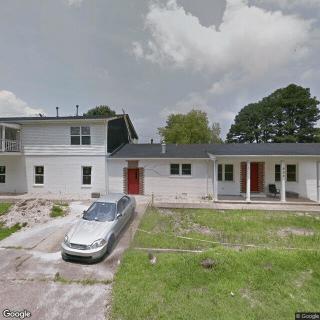


 Guiding Your Journey: Understanding Power of Attorney for Elderly Parents
 22 Remarkable Caregiver Support Groups Available Online and In-Person
 Understanding Medicaid Coverage for Assisted Living: A Comprehensive Guide