
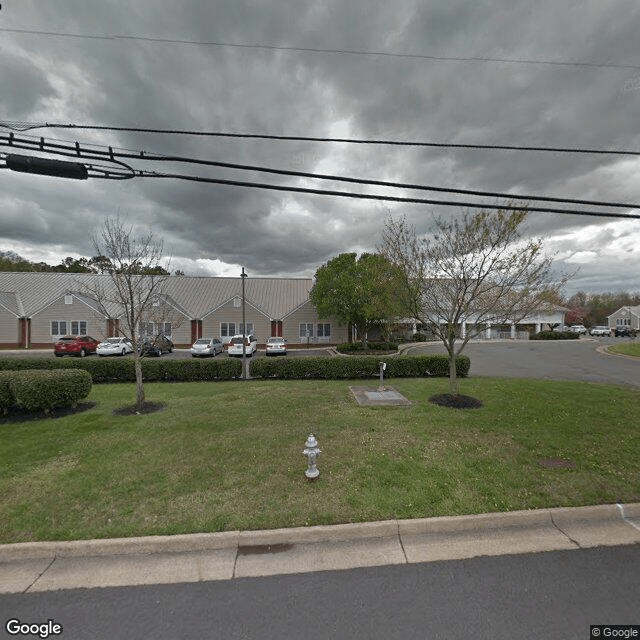
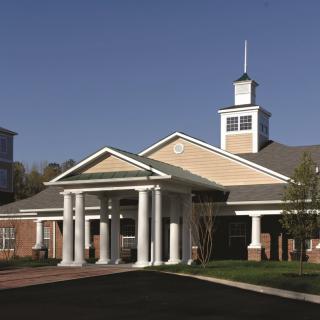
811 Thompson Street, Ashland, VA 23005
For more information about senior living options: (866) 208-4318
Alpha House Costs & Pricing
Alpha House offers competitive pricing for its residents, positioning itself favorably within the local and state landscape. For a Semi-Private room, Alpha House's monthly cost is $3,960, which is slightly lower than the average in Hanover County at $4,135 and aligns closely with Virginia's state average of $3,991. Similarly, the Studio option at Alpha House is priced at $4,590 - higher than Hanover County's average of $4,519 but still above the broader Virginia average of $4,436. This pricing strategy reflects Alpha House's commitment to providing quality accommodations while remaining mindful of financial accessibility in comparison to both county and state averages.
| Floor plans | Alpha House | Hanover County | Virginia |
|---|---|---|---|
| Semi-Private | $3,960 | $4,135 | $3,991 |
| Studio | $4,590 | $4,519 | $4,436 |
Memory care communities with a similar price nearby
-
from -$485 / mo
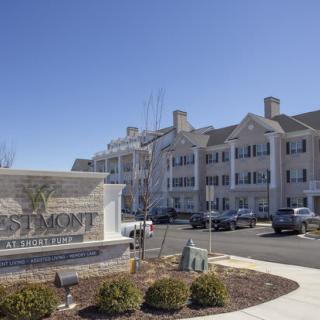
The Westmont at Short Pump Community
$3,475 to $5,325 / month9.3 miles away -
from +$389 / mo
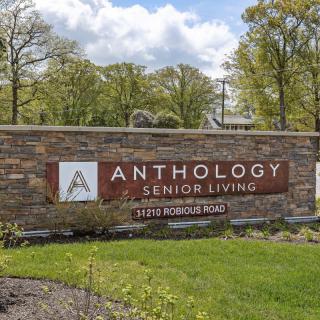
Anthology of Midlothian
$4,349 to $7,649 / month18.8 miles away -
from -$160 / mo
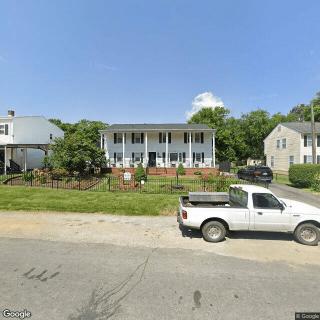
Covenant Columns Manor
$3,800 to $4,940 / month16.6 miles away -
from -$684 / mo
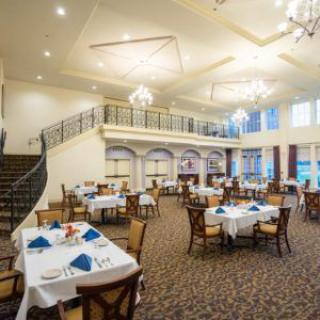
Discovery Village At The West End
$3,276 to $4,108 / month10.3 miles away -
from +$590 / mo
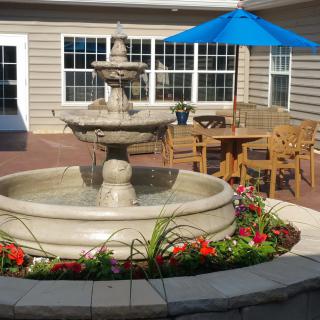
Heritage Green Assisted Living
$4,550 to $7,700 / month13.1 miles away
Overall Review of Alpha House
Pros
 The Alpha House team is compassionate and thoughtful, getting to know residents personally and tailoring care to their individual needs.
- The building prioritizes safety with an open floor plan.
- Alpha House is one of the best facilities in the greater Richmond area.
- Cindy and her team are truly special.
- The staff are caring and attentive, and they communicate residents' needs and what might help them.
- The food at Alpha House is much better than at other facilities.
- Cindy, Becky, and Javon are favorites among the staff, and residents are well loved and cared for.
- Alpha House feels like a wonderful home where residents are treated like family.
- The Director of Nursing, Cindy Henline, is responsive, helpful, and part of the family.
Review
Alpha House in Ashland, VA is best suited for families seeking a warm, memory-care oriented community where care is deeply personal and staff treat residents like family. This is not a sterile, procedural environment; it feels intimate, with an emphasis on relationships, safety, and daily engagement. The model shines for seniors who require ongoing assistance but still want a sense of belonging, meaningful activities, and consistent staff who know their names, histories, and preferences. The prevailing feedback describes a homey atmosphere and a collaborative approach with families, anchored by leadership that keeps daily operations steady. For families prioritizing emotional support, reliable communication, and individualized planning, Alpha House stands out as a top option in the greater Richmond area.
Key strengths revolve around people-first care. Staff consistently remember residents’ stories and tailor support to individual needs, while communication with families remains open and dependable. The leadership team, especially the Director of Nursing, is described as accessible and responsive, a crucial factor for anxious or busy relatives. Residents are treated with genuine care, creating a sense of belonging that permeates daily life. The building design supports safety and comfort with a home-like feel that aligns with memory-care needs, and activity offerings help maintain engagement. Food quality is highlighted as an area that has shown clear improvement, reinforcing a sense that the dining experience matters here. Altogether, the environment reinforces a family atmosphere that many caregivers note with gratitude.
Despite abundant praise, two one-star ratings remind that no operation is flawless. Those outliers suggest that individual experiences can diverge from the common pattern, underscoring the reality that expectations and situational factors can color perceptions of care. For prospective families, this means a thorough in-person visit is essential: observe interactions during peak activity, review care planning processes, and confirm that staff consistency aligns with a loved one’s needs. For families weighing alternatives, look to options with higher medical acuity capabilities, broader clinical service menus, or larger campuses that can offer additional specialized programs. Those seeking a more clinical, hospital-like setting or greater on-site medical flexibility may find other communities better suited to their constraints.
Yet the proven strengths do offset the occasional concerns in meaningful ways. The tight-knit, home-like ambiance reduces confusion and anxiety, while highly personalized care plans address daily routines, dietary preferences, and cognitive considerations. Long-tenured staff and steady leadership translate into reliability, lower turnover, and trust-building with families who value continuity. The memory-care competence surfaces in practical, day-to-day care, with staff anticipating challenges and maintaining a calmer environment for residents. In short, the care philosophy and staff stability provide a solid counterweight to the rare negative note, especially for families prioritizing reassurance and ongoing, relationship-driven support.
Practical steps for families touring Alpha House: ask how often care plans are updated, request an overview of staffing ratios across shifts, and probe for the structure and frequency of memory-care programming. Observe how meals unfold and how activity calendars are executed to gauge resident engagement. Inquire about safety features and the facility’s layout to ensure alignment with the resident’s mobility and cognitive needs. Clarify transition support and respite options, how new residents are oriented, what the visitation process looks like, and what temporary stays are available if a transition is needed. These details will help determine fit beyond the glowing impressions.
Overall, Alpha House represents a strong, practical choice for families prioritizing heartfelt care, memory-support expertise, and a close-knit community. It is especially well-suited for residents who thrive on personalized attention, stable staff relationships, and a sense of family belonging. Those requiring more intensive medical oversight, a larger campus, or a more clinical environment may want to weigh alternatives carefully, but for the majority seeking a caring, engaged, and safety-conscious home, Alpha House stands as a standout option in Ashland.
 34 resident community capacity
 Assisted Living
 Memory Care
 Activities on-site
 Beautician on-site
 Cable or satellite TV
 Devotional services on-site
 Dining room
 Fully furnished
 Garden
 Housekeeping services
 Indoor common areas
 Kitchenette
 Move-in coordination
 Outdoor common areas
 Respite or short term stays offered
 Restaurant-style dining
 Small library
 Telephone
 Wheelchair accessible showers
 Wi-Fi/high-speed internet available
 Richmond International (21 miles away)
 24-hour call system
 Ambulatory care
 Assistance with bathing
 Assistance with dressing
 Assistance with transfers
 Diabetes diet
 Diabetic care
 Incontinence care
 Medication management
 Mental wellness program
 Special dietary restrictions





 When Dementia Sparks Anger and Aggression: Understanding the Connection and Ways to Cope
 Dementia Behaviors: In-Depth Understanding and Effective Coping Strategies
 5 Early Indicators of Dementia and What You Can Do