For more information about senior living options: (866) 208-4318
3.4 from 63 reviews
5 stars
33
4 stars
4
3 stars
3
2 stars
2
1 stars
21
Elizabeth Adam Crump Health And Rehab Costs & Pricing
Elizabeth Adam Crump Health and Rehab offers competitive pricing for its services compared to the broader market in Henrico County and throughout Virginia. The monthly cost for a semi-private room at the facility is $4,866, which is notably higher than the county average of $3,975 and slightly above the state average of $3,991. For those seeking more privacy, a private room at Elizabeth Adam Crump is priced at $5,091; this too exceeds both the local rate of $4,535 and the state figure of $4,684. These costs reflect not just room accommodations but also encompass the comprehensive care and services provided by the facility, ensuring residents receive quality support tailored to their needs.
Floor plans
Elizabeth Adam Crump Health And Rehab
Henrico County
Virginia
Semi-Private
$4,866
$3,975
$3,991
Private
$5,091
$4,535
$4,684
Skilled Nursing Facilities with a similar price nearby
About the same
Ruxton Health of Stratford Hills
4.7 from 101 reviews
$4,800 / month
9.4 miles away
from -$316 / mo
Heritage Green Assisted Living
4.4 from 103 reviews
$4,550 to $7,700 / month
10.4 miles away
from -$696 / mo
Commonwealth Senior Living At Chesterfield
4.3 from 118 reviews
$4,170 to $5,700 / month
15.7 miles away
from +$414 / mo
Laurels of Willow Creek
4.4 from 146 reviews
$5,280 / month
11.7 miles away
from -$966 / mo
Ruxton Health and Rehabilitation Center of Westover Hills
Overall Review of Elizabeth Adam Crump Health And Rehab
common24 reviews mention this
Staff warmth and responsiveness stand out
Residents and families repeatedly describe staff as friendly, helpful, and professional.
A large share of reviewers emphasize a positive day-to-day tone from the front desk through nursing and therapy. Multiple people say staff members were welcoming and helped with transitions, questions, and updates during their stays. Several also describe specific staff as communicative and attentive, and they credit the team for care that feels thorough.
caveat12 reviews mention this
Care concerns include neglect and neglect-like lapses
Some reviews raise serious concerns about consistent care and supervision.
Alongside positive experiences, a set of reviews report problems such as insufficient attention, short staffing, and failures that families say affected safety. Several reviewers describe medication-related issues or delays in getting proper help when needed. Others report outcomes they associate with inadequate monitoring, and they strongly recommend looking elsewhere.
caveat6 reviews mention this
Hygiene problems are a recurring complaint
Multiple reviews describe hygiene and cleanliness issues.
Some reviewers mention persistent odors or an overall lack of cleanliness in resident areas. Others describe residents not being turned or cleaned as expected, along with soiled clothing or hygiene lapses. A few reviews also connect these problems to difficult conditions they observed during their loved one’s stay.
common5 reviews mention this
Activities and day-to-day engagement
Residents and visitors mention engagement through activities and an active activities presence.
Several reviews describe an activities-focused experience, including staff-led engagement and resident participation. Reviewers mention an activities manager, along with themed events and involvement from community groups supporting residents. A reviewer also points to staff helping bring energy and structure to the day through ongoing activity options.
How we summarize
Counts show how many written reviews mention each theme; a review can touch several themes, and only frequently mentioned themes are displayed.
Features
Housing
180 resident community capacity
Types of Care
Skilled Nursing Facility
Amenities
Air-conditioning
Beauty salon
Cable or satellite TV
Computer center
Dining room
Fitness room
Fully furnished
Gaming room
Garden
Housekeeping services
Kitchenette
Move-in coordination
Outdoor space
Private
Private bathrooms
Restaurant-style dining
Small library
Telephone
Wellness center
Wi-Fi/high-speed internet available
Transportation
Richmond International (16 miles away)
Community operated transportation
Transportation arrangement
Transportation arrangement (non-medical)
Transportation to doctors appointments
Care Services
12-16 hour nursing
24-hour call system
24-hour supervision
Activities of daily living assistance
Assistance with bathing
Assistance with dressing
Assistance with transfers
Diabetes diet
Meal preparation and service
Medication management
Mental wellness program
Special dietary restrictions
Dining
Diabetes diet
Special dietary restrictions
Activities
Community-sponsored activities
Concierge services
Fitness programs
Planned day trips
Resident-run activities
Scheduled daily activities
Nearby Places of Interest
Glen Allen, Virginia, is a vibrant community with a variety of amenities for seniors to enjoy. The area offers several places of worship within close proximity, providing opportunities for spiritual enrichment and connection. Additionally, there are multiple pharmacies nearby, making it convenient for individuals to access necessary medications and healthcare supplies. For dining options, there are popular chain restaurants like Chick-Fil-A and McDonald's, as well as Teppanyaki Grill & Buffet for those looking for a diverse culinary experience. In terms of healthcare, there are reputable physicians in the area such as Innsbrook Primary Care and Commonwealth Allergy and Asthma. For leisure activities, residents can catch a movie at the Regal Short Pump & IMAX theater or relax at one of the local cafes like Starbucks or Panera Bread. Overall, Glen Allen offers a well-rounded environment with easy access to essential services and entertainment options suitable for seniors looking to settle down in a welcoming community.
Places of Worship
Richmond Virginia Temple (0.7 miles)
Staples Mill Road Baptist Church (1.3 miles)
Gayton Baptist Church (6.5 miles)
Second Baptist Church (7.6 miles)
The Carson Building At New Hanover Presbyterian Church (7.9 miles)
Pharmacies
Walgreens (2.1 miles)
CVS Pharmacy (2.3 miles)
CVS Pharmacy (2.6 miles)
CVS Pharmacy (3 miles)
Walgreens (3.4 miles)
Walgreens (3.5 miles)
Walgreens (3.7 miles)
Restaurants
McDonald's (2.5 miles)
Kickback Jack's (3 miles)
Chick-Fil-A (3 miles)
Teppanyaki Grill & Buffet (3.2 miles)
McDonald's (3.2 miles)
Chick-Fil-A (3.3 miles)
McDonald's (3.3 miles)
Physicians
Innsbrook Primary Care (2.6 miles)
Virginia Physicians (3 miles)
The Ellen Shaw de Paredes Institute for Women's Imaging (3.1 miles)
Elizabeth Adam Crump Health and Rehab offers competitive pricing for its services compared to the broader market in Henrico County and throughout Virginia. The monthly cost for a semi-private room at the facility is $4,866, which is notably higher than the county average of $3,975 and slightly above the state average of $3,991. For those seeking more privacy, a private room at Elizabeth Adam Crump is priced at $5,091; this too exceeds both the local rate of $4,535 and the state figure of $4,684. These costs reflect not just room accommodations but also encompass the comprehensive care and services provided by the facility, ensuring residents receive quality support tailored to their needs.
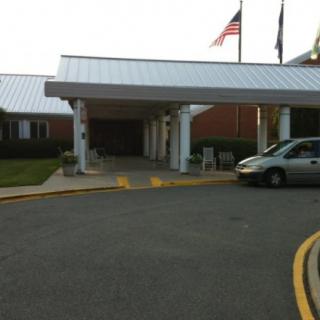
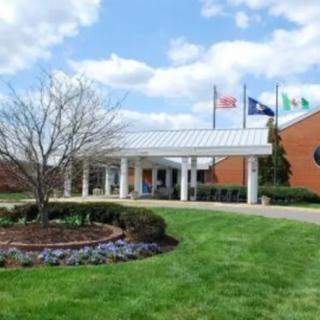
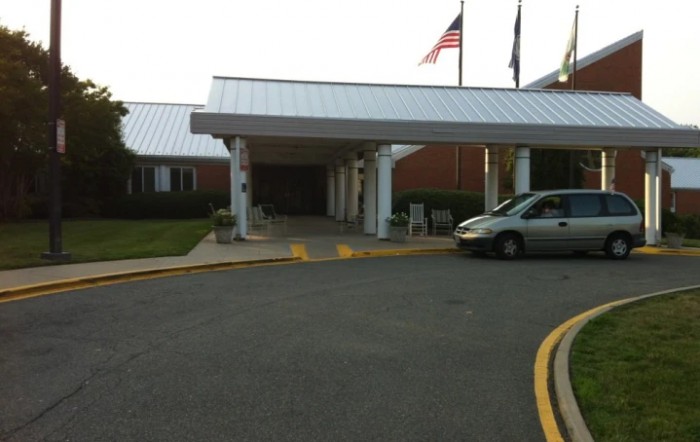
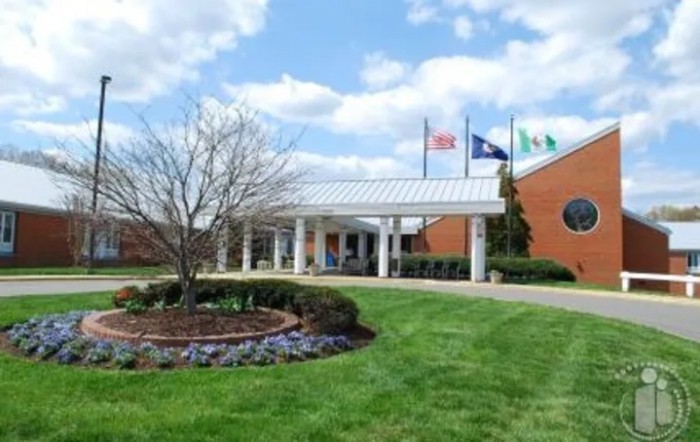
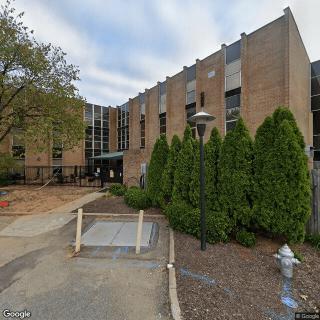
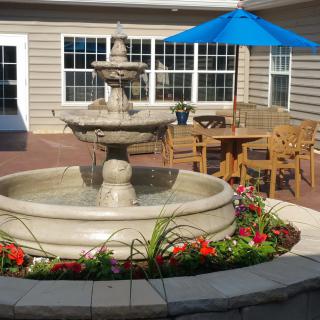
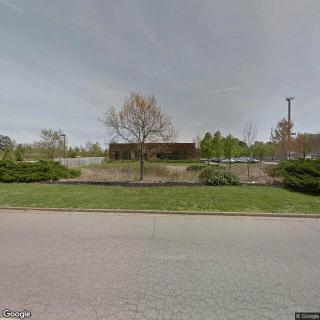
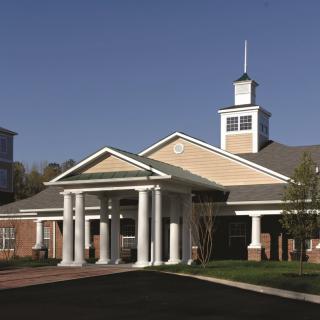
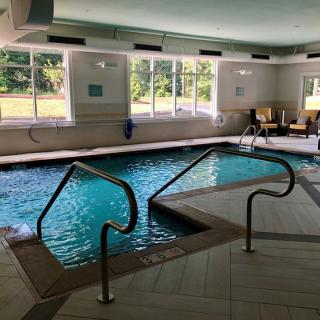
Elizabeth Adam Crump Health And Rehab on seniors.fyi includes 5 photos including images showing building, landscaping, aerial view, trees, entrance, flag, outdoors, awning, and more.
Nearby Communities
Elizabeth House Assisted Living
Glen Allen, VA
3.7 from 23 reviews
$2,700 to $3,900 / month
Friendly, compassionate staff and clean facilities with good value.
Skilled nursing facilities (SNFs) provide high-level medical care and rehabilitation for short-term recovery, typically covered by Medicare after hospitalization, while nursing homes focus on ongoing custodial care for chronic conditions, mainly funded by Medicaid or private payments. The staffing and regulatory structures differ significantly between the two, necessitating clarity for families in choosing appropriate long-term care options.
Nursing home care costs in the U.S. vary significantly based on location, level of care, and amenities, with private room prices ranging from approximately $6,700 to over $30,000 monthly. Families need to explore various payment options and conduct thorough research to manage these expenses effectively.
Nonmedical home care provides assistance with daily activities and companionship for individuals wishing to maintain independence and quality of life at home, without medical intervention. Its growing popularity is driven by an aging population, the need for supportive environments for recovery, and the emotional benefits of caregiver companionship, while costs vary based on service frequency and location.
Get PricingAsk A QuestionSchedule A TourContact Senior Advisor
By clicking submit, you agree to our Partner's Terms of Use. You
also consent to receive calls and texts, which may be autodialed, from our Partner. Your consent is not a condition to
using our Partner's service. Please visit our Partner's Privacy Policy for information about their privacy practices.





 180 resident community capacity
 Skilled Nursing Facility
 Air-conditioning
 Beauty salon
 Cable or satellite TV
 Computer center
 Dining room
 Fitness room
 Fully furnished
 Gaming room
 Garden
 Housekeeping services
 Kitchenette
 Move-in coordination
 Outdoor space
 Private
 Private bathrooms
 Restaurant-style dining
 Small library
 Telephone
 Wellness center
 Wi-Fi/high-speed internet available
 Richmond International (16 miles away)
 Community operated transportation
 12-16 hour nursing
 24-hour call system
 Activities of daily living assistance
 Assistance with bathing
 Assistance with dressing
 Assistance with transfers
 Diabetes diet
 Medication management
 Mental wellness program
 Special dietary restrictions
 Concierge services
 Planned day trips
 Friendly, compassionate staff and clean facilities with good value.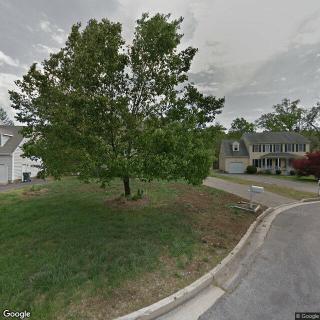

 Skilled Nursing Facilities vs. Nursing Homes: Making Sense of the Differences
 A Detailed Examination of Nursing Home Costs Across the U.S.
 Exploring Nonmedical Home Care: Understanding Services, Costs, and Financial Approaches