




3590 Mountain Road, Glen Allen, VA 23060
For more information about senior living options: (866) 208-4318
Elizabeth House Assisted Living Costs & Pricing
Elizabeth House Assisted Living offers competitive pricing for its residents, particularly when compared to the broader market in Henrico County and the state of Virginia. For a semi-private room, residents can expect to pay $2,700 per month, which is significantly lower than the county average of $3,975 and the state average of $3,991. Similarly, for those seeking a studio unit, Elizabeth House's rate of $3,900 also stands out as more affordable compared to the Henrico County rate of $4,059 and the statewide average of $4,436. These cost advantages position Elizabeth House as an appealing option for families looking for quality assisted living solutions without compromising their budget.
| Floor plans | Elizabeth House Assisted Living | Henrico County | Virginia |
|---|---|---|---|
| Semi-Private | $2,700 | $3,975 | $3,991 |
| Studio | $3,900 | $4,059 | $4,436 |
Assisted Living communities with a similar price nearby
-
from -$225 / mo

The Barrington at Hioaks
$2,475 to $4,500 / month11.4 miles away -
from +$100 / mo
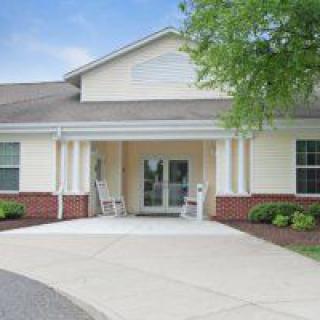
Seaton Chesterfield
$2,800 to $4,500 / month12.0 miles away -
from +$265 / mo
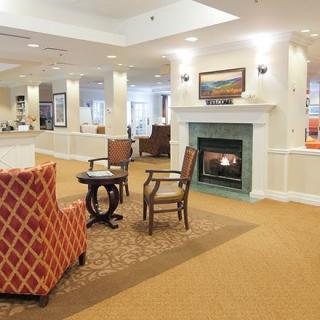
Vitality Living West End Richmond
$2,965 to $5,655 / month5.4 miles away -
from +$250 / mo

Morningside In The West End
$2,950 / month3.3 miles away -
from +$349 / mo
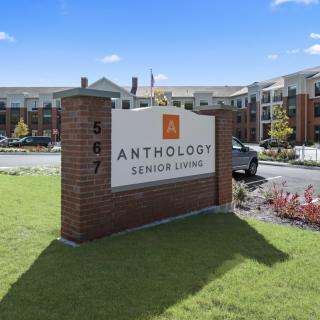
Anthology of Tuckahoe
$3,049 to $5,399 / month5.2 miles away
Overall Review of Elizabeth House Assisted Living
Pros
 The staff at Elizabeth House are excellent and provide superior care.
- Elizabeth House is a hidden gem with a warm, welcoming atmosphere.
- The nurses treat residents like family and offer constant support.
- Leslie Frisch, the Executive Director, sets the standard and makes Elizabeth House feel like home.
- The care and daily compassion shown to residents and their families are memorable.
- The facility is a small, quiet, home-like community where residents receive attentive care.
- Elizabeth House is considered a great value compared to other facilities.
- The staff are friendly, informative, and genuinely caring.
- The staff know residents well and tailor care to individual physical and social needs.
Cons
 The facility is often understaffed, leading to inadequate care and slow responses.
- The administration is rude and communicates disrespectfully with family members.
- A director would not speak to residents’ families and hid in his office, signaling poor leadership.
- CNAs failed to provide needed assistance quickly or pleasantly when supervisory staff were not present.
- There have been significant price increases with unfulfilled promises to upgrade the facility and no interior improvements.
- Rooms and bathrooms were not kept clean, with dust, dirty carpets, stains, and missing linens.
- The main phone line often rang without answer, making it hard to contact staff in emergencies.
- There are few activities for residents, suggesting insufficient staffing and engagement.
Review
Elizabeth House Assisted Living in Glen Allen is best suited for families seeking a small, intimate, home-like setting where staff form real, recognizable relationships with residents and care feels personal rather than corporate. This community excels for seniors who want daily attentiveness without the impression of being processed through a large system. It works well for residents who are modest in medical needs but want steady help with daily activities, reliable medication management, and a sense that staff know them by name and routine. The value proposition centers on a flat monthly rate rather than charging by level of care, which helps budgeting when needs stay stable. For families prioritizing warmth, consistent weekday communication, and a leadership team visible on the floor, Elizabeth House delivers a dependable, if modest, care atmosphere that many reviewers describe as “homey” and genuinely caring.
However, this is not the pick for every situation. Alternatives are worth considering for families prioritizing robust daily programming, expansive social calendars, or strong 24/7 clinical coverage. Several reviews flag limited activities, Bingo a few times a week and occasional events, without a full, activity-rich schedule. Others point to staffing gaps on weekends, higher turnover in leadership, and periods of reduced administrative responsiveness. A few families report concerns about maintenance, housekeeping, and perceived limits on communication during transitions. For residents with more complex medical needs, or for those who require on-site nursing and comprehensive therapeutic services around the clock, a larger community with deeper clinical depth may better fit expectations. In short, Elizabeth House shines in comfort and personal attention, but it may fall short for those chasing high-intensity programming or constant clinical oversight.
The strongest pros center on the small, welcoming environment and the people who lead and staff it. Families repeatedly praise the executive director, Leslie Frisch, and the resident care leadership for fostering a respectful, attentive culture. The staff are described as kind, patient, and genuinely caring, with careful attention to medications and daily health updates shared with medical surrogates. Residents often appear to form meaningful relationships with caregivers, and the ability of staff to recognize individual behaviors helps prevent misreadings of changes in mood or cognition. Food quality is frequently cited as a positive, and the general cleanliness and order of rooms and common areas are mentioned as reliable if not luxurious. In this sense, Elizabeth House delivers a recognizable, dependable care vibe that stands out against some larger, more impersonal facilities.
Yet the cons must be weighed against these strengths. Staffing levels and coverage, especially on weekends, remain a common thread in reviews, sometimes resulting in slower responses to requests or less visible supervision. Several families report that the facility is not fully licensed, and one or two accounts describe lapses in housekeeping, laundry, and overall room upkeep. Price increases over time, two substantial jumps noted by family members, strain budgets for residents on fixed incomes, even when the floor-rate model is perceived as a financial advantage. A few families also point to gaps in communication when care plans change or when new personnel rotate in, and concerns about administrator accessibility have colored some experiences. Taken together, the positives of personalized care and leadership-driven culture offset some operational strains, but not all residents will tolerate the downsides smoothly.
From a decision-making standpoint, the practical path is clear: visit with a plan to assess daily life on a realistic schedule, and verify the scope of clinical coverage and amenities against current needs. Ask to observe a weekday and a weekend shift to gauge staff presence and responsiveness across times of higher demand. Confirm licensure status and current regulatory compliance, and inquire about how changes in care level are reflected in the pricing and service delivery. Probe the activity calendar to understand whether opportunities for meaningful engagement feel accessible, not decorative. Request transparency about maintenance cycles, the status of renovations (carpeting, walls, parking), and the laundry process to ensure expectations align with reality. Finally, speak with multiple families about their experiences with administration and scheduling, how issues were handled, and whether family communication remained consistent during health changes or transitions in care.
In the end, Elizabeth House represents a strong option for families seeking a small, personally attentive community with a clear, family-like culture and predictable budgeting. It is well-suited for residents who thrive under close, compassionate staff who know their preferences and routines and who value weekday accessibility from leadership. The right fit is likely to be found among those who prioritize warmth, steady medication management, and a non-institutional feel over a bustling activity schedule or round-the-clock clinical staffing. For families where daily programming, robust medical oversight, or pristine, move-in-ready interiors matter more than intimate, familiar care, alternatives should be pursued. With due diligence, touring with questions, checking licensure and staffing, and speaking with current residents’ families, Elizabeth House can be a hidden gem that delivers genuine, person-centered care to the right resident.
 60 resident community capacity
 Assisted Living
 Activities off-site
 Air-conditioning
 Beautician on-site
 Cable or satellite TV
 Computer center
 Devotional services off-site
 Dining room
 Fitness room
 Fully furnished
 Gaming room
 Garden
 Ground floor units
 Housekeeping services
 Indoor common areas
 Kitchenette
 Move-in coordination
 Outdoor common areas
 Private bathrooms
 Respite or short term stays offered
 Restaurant-style dining
 Small library
 Telephone
 Wellness center
 Wheelchair accessible showers
 Wi-Fi/high-speed internet available
 Richmond International (16 miles away)
 Community operated transportation
 12-16 hour nursing
 24-hour call system
 Ambulatory care
 Assistance with bathing
 Assistance with dressing
 Assistance with transfers
 Diabetes diet
 Diabetic care
 Incontinence care
 Medication management
 Mental wellness program
 Special dietary restrictions
 Catholic services
 Concierge services
 Day trips and outings
 Jewish services
 Live musical performances
 Reminiscence programs
 Trivia games
 Wii bowling



 Senior Transition Services: Understanding Their Role, Cost, and Importance
 Exploring the Path to Senior Living: A Comprehensive Look at Independent Living and Assisted Living
 Is Assisted Living Deductible on Your Taxes? Understanding the Complexities of Assisted Living Expenses and Deductions