For more information about senior living options: (866) 208-4318
4.4 from 26 reviews
5 stars
22
4 stars
0
3 stars
0
2 stars
0
1 stars
4
Overall Review of The Grand at Holladay
common13 reviews mention this
Clean, home-like spaces stand out
Residents and families frequently describe the community as clean and comfortable, with a home-like feel.
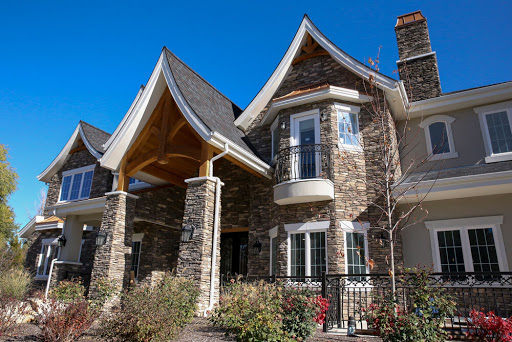
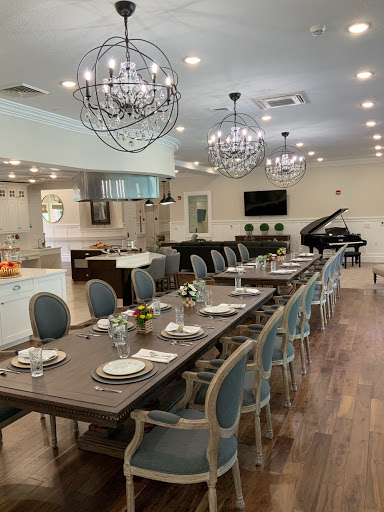
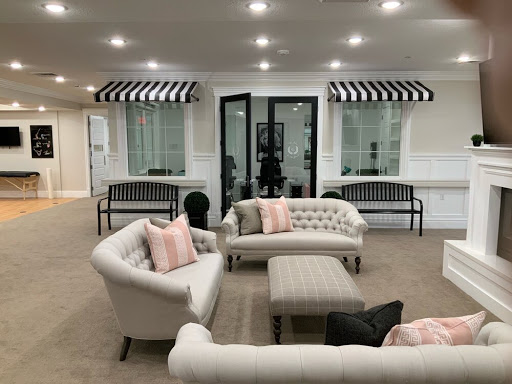
Many reviewers focus on how clean the building is and how it feels more like a home than a facility. Several mention the space being attractive and well kept, while others specifically call out warm, comfortable areas and inviting room layouts. A few also note an exterior beauty, even when they had concerns about how things were handled day to day.
common15 reviews mention this
Caring staff is a recurring theme
Across reviews, staff kindness, attentiveness, and professionalism are consistently called out.
Positive reviews repeatedly describe staff as kind, caring, and attentive—often highlighting patient communication and genuine engagement with residents. Some families say leadership makes a difference in how supported they feel, and they describe staff building meaningful relationships. Even in the more critical reviews, people distinguish the CNAs and day-to-day care as being better than the management experience.
differentiator7 reviews mention this
Personalized help and safety focus
Reviews describe residents receiving focused, day-to-day support with safety and dignity in mind.
Several reviewers describe a setting that feels attentive and focused on residents’ needs, including personal attention and ongoing reassurance for families. A few specifically mention leaders and staff helping answer questions and support families as care needs change. Others note residents staying engaged and cared for in a way they felt they couldn’t replicate at home.
common3 reviews mention this
Activities support social engagement
Residents are described as staying busy and socially connected through activities.
Some reviews tie quality of life to activities and social time, saying residents have more of a social life and opportunities to be engaged. One review also points to improvements in an activities setup and a stronger range of programming after leadership changed. Another emphasizes that residents look forward to the activities.
caveat4 reviews mention this
Management experiences are uneven
A subset of reviews report frustrations with management professionalism and repairs.
While many reviews are positive about leadership and responsiveness, a few describe management interactions as rude, dismissive, or unprofessional. There are also complaints about slow fixes for issues like heating, along with concerns that residents were not treated fairly. One reviewer contrasts this by describing positive changes after new management took over and improvements to the community experience.
How we summarize
Counts show how many written reviews mention each theme; a review can touch several themes, and only frequently mentioned themes are displayed.
Features
Housing
22 resident community capacity
Types of Care
Assisted Living
Amenities
Beauty salon
Cable or satellite TV
Dining room
Fully furnished
Garden
Housekeeping services
Kitchenette
Move-in coordination
Outdoor space
Telephone
Wi-Fi/high-speed internet available
Transportation
Salt Lake City International (13 miles away)
Care Services
24-hour call system
24-hour supervision
Activities of daily living assistance
Assistance with bathing
Assistance with dressing
Assistance with transfers
Coordination with health care providers
Diabetes diet
Meal preparation and service
Medication management
Mental wellness program
Special dietary restrictions
Transportation arrangement (medical)
Transportation to doctors appointments
Dining
Diabetes diet
Special dietary restrictions
Activities
Community-sponsored activities
Resident-run activities
Scheduled daily activities
Nearby Places of Interest
Restaurants
Lone Star Taqueria (1.5 miles)
Porcupine Pub & Grille (2 miles)
The Original Pancake House Utah - Ft Union (2.9 miles)
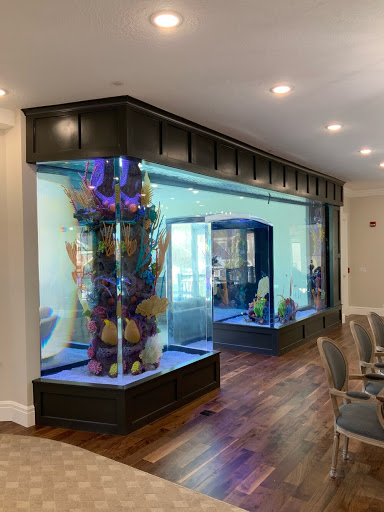
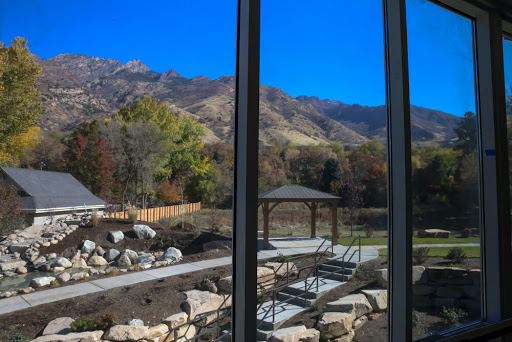
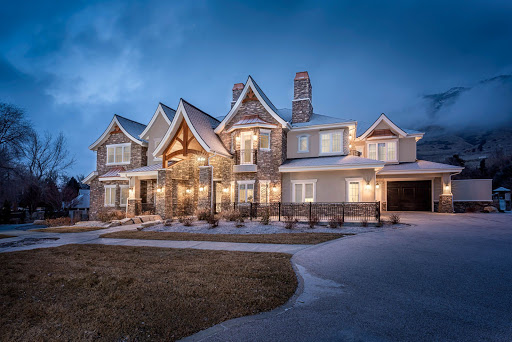
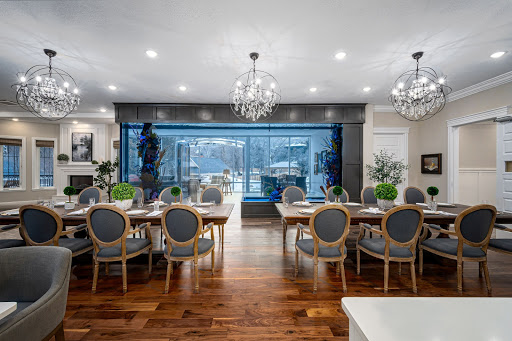
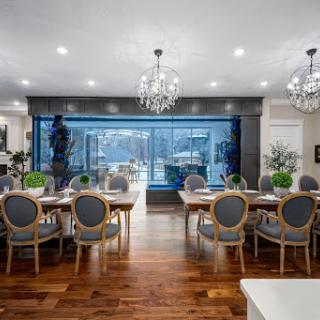
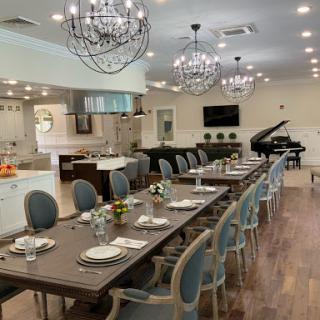
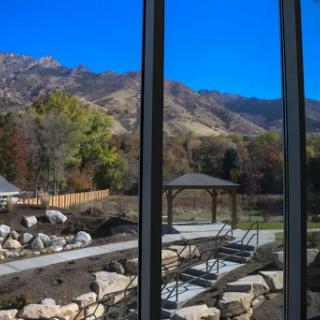
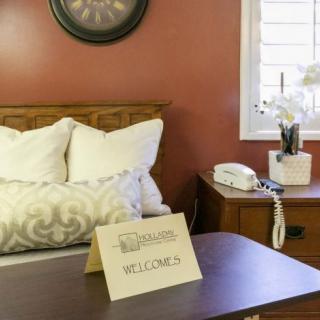
The Grand at Holladay on seniors.fyi includes 7 photos including images showing architecture, landscaping, interior, decor, exterior, aquarium, dining, chandelier, and more.
Nearby Communities
Holladay Home For Elderly
Salt Lake City, UT
4.2 from 20 reviews
Genuine staff care and a warm, family-like atmosphere.
The Ridge Cottonwood Senior Living
Holladay, UT
4.5 from 122 reviews
$3,495 to $5,495 / month
Caring staff, clean environment, and praised dining quality.
Escalante at Coventry
Salt Lake City, UT
4.1 from 174 reviews
$4,501 / month
Clean facility with friendly staff and engaging activities.
The Wentworth Coventry AL2
Salt Lake City, UT
4 from 111 reviews
$2,995 to $4,450 / month
Caring staff, clean facility, and strong amenities.
The Wentworth At Coventry III
Salt Lake City, UT
4 from 100 reviews
Extensive on-site amenities and 24/7 care.
Holladay Healthcare Center
Holladay, UT
3.8 from 121 reviews
$4,035 to $4,712 / month
Attentive, caring staff in a clean, homelike environment.
The Auberge at Aspen Park
Salt Lake City, UT
4.4 from 112 reviews
$5,875 to $8,900 / month
Engaging, activity-rich environment with attentive staff and strong meal program.
Sunrise at Holladay
Salt Lake City, UT
4.5 from 167 reviews
$3,255 to $5,940 / month
Friendly, attentive staff and a warm, home-like atmosphere with engaging activities.
Highland Cove Retirement
Salt Lake City, UT
4.6 from 143 reviews
$2,385 to $2,675 / month
Warm, family-like community with attentive staff and quality dining.
The article examines senior housing options, detailing the distinctions between independent living and assisted living, along with the emerging "independent assisted living" model that blends both approaches. It highlights the importance of assessing individual needs, preferences, and financial factors in making informed decisions about suitable living arrangements for seniors.
The deductibility of assisted living expenses on taxes hinges on factors like the individual's medical condition and service nature, typically requiring the resident to be "chronically ill" per IRS definitions. Taxpayers may deduct eligible medical expenses related to personal care services but generally not rent unless primarily for medical care, and they should maintain thorough documentation to support claims while considering itemizing versus standard deductions.
The guide highlights the importance of assisted living facilities for aging veterans needing daily support, discusses unique challenges they face, and outlines available financial assistance from the VA, including the Aid and Attendance program. It emphasizes understanding eligibility criteria and navigating the VA system to access necessary benefits effectively.
Get PricingAsk A QuestionSchedule A TourContact Senior Advisor
By clicking submit, you agree to our Partner's Terms of Use. You
also consent to receive calls and texts, which may be autodialed, from our Partner. Your consent is not a condition to
using our Partner's service. Please visit our Partner's Privacy Policy for information about their privacy practices.





 22 resident community capacity
 Assisted Living
 Beauty salon
 Cable or satellite TV
 Dining room
 Fully furnished
 Garden
 Housekeeping services
 Kitchenette
 Move-in coordination
 Outdoor space
 Telephone
 Wi-Fi/high-speed internet available
 Salt Lake City International (13 miles away)
 24-hour call system
 Activities of daily living assistance
 Assistance with bathing
 Assistance with dressing
 Assistance with transfers
 Diabetes diet
 Meal preparation and service
 Medication management
 Mental wellness program
 Special dietary restrictions
 Transportation arrangement (medical)
 Transportation to doctors appointments
 Genuine staff care and a warm, family-like atmosphere.





 Exploring the Path to Senior Living: A Comprehensive Look at Independent Living and Assisted Living
 Is Assisted Living Deductible on Your Taxes? Understanding the Complexities of Assisted Living Expenses and Deductions
 Assisted Living Support for Veterans: A Complete and Detailed Overview