Qualitycare Personal Home Care

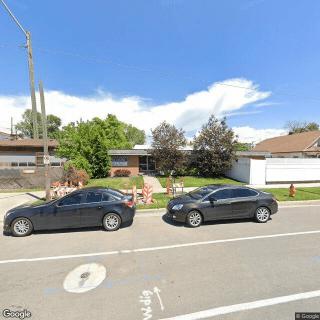
1775 North Morton Drive, Salt Lake City, UT 84116

For more information about senior living options: (844) 490-3973

4.8 from 21 reviews
5 stars
20
4 stars
0
3 stars
0
2 stars
0
1 stars
1

Assisted Living

What level of care are you interested in?

Assisted Living

Memory Care

Independent Living

Skilled Nursing Facility

Continuing Care Retirement Community (CCRC)CCRC

Other


Request a tour at Qualitycare Personal Home Care

    Overall Review of Qualitycare Personal Home Care

    Pros

    • pro Quality Home Health and Hospice is described as a great company worth recommending for loved ones needing extra care.
    • pro A superior nurse and doctor are praised for guiding families through chapters of decline with in-home support.
    • pro The intake visit is noted as extensive, with the doctor and nurse becoming well acquainted with the patient's history.
    • pro The nurse and doctor communicate seamlessly, with updates sent by text and timely follow-ups arranged as needed.
    • pro The nurse provides clear explanations, helps manage care decisions, and teaches the family to live in the moment with the patient.
    • pro The staff are described as real people with genuine emotions who connect with families rather than being calloused workers.
    • pro The team is commended for extraordinary support through the patient's death, extending care to the end.
    • pro Rebecca and the team are highlighted as dedicated, professional, and wonderful to work with.
    • pro Families express gratitude for personal care given to parents by nurses and staff across disciplines, from home health to hospice.
    • pro The service is described as dignified, kind, and comforting during end-of-life transition.
    • pro Tamara, the RN case manager, is praised for consistent high-quality care across levels of service.
    • pro The company is viewed as a leader in the field with a mission to make a meaningful difference and prioritize quality of life.

    Cons

    • pro The reviewer advised seeking elsewhere because hospice is difficult enough without a poor company providing bare minimum care to those who are dying.
    • pro The reviewer criticized the nurse for having long nails and using the cheapest supplies that caused a skin reaction in the patient.
    • pro The reviewer found the nurse's response of "keep an eye on it" to be inadequate.
    • pro The reviewer felt the care being provided was the bare minimum, not going above and beyond.
    • pro The reviewer was appalled that the weekly massage had been reduced to once a month.

    Review

    Quality Home Health and Hospice emerges in these memories as a remarkably capable and deeply compassionate partner for families facing serious health challenges. Across several stories, the thread is clear: this is a team that treats patients as whole people and families as partners in care. From the moment a recommendation is made, these families describe feeling supported by professionals who bring not only expertise but genuine warmth and a sense of stewardship. The repeated emphasis is on care that is personal, proactive, and consistent across the spectrum of services, including home health, palliative care, and hospice.

    One common throughline is the thorough, in-home intake that sets the tone for the entire trajectory of care. In multiple accounts, the intake is described as extensive and personalized, with both the physician and the nurse who would become the patient's core care team investing time to understand the disease history and the current and emerging conditions. The doctor and the nurse develop a shared understanding of the patient's needs, and the nurse is entrusted with delivering and coordinating the day-to-day care in the home. The communications flow is strikingly seamless: during visits, the nurse identifies new developments or shifts in treatment, then texts the doctor with updates and receives rapid confirmations or instructions. The result feels almost collaborative in real time, as though the doctor is right there with the patient and family even when not physically present.

    The nurse's role is described in almost cinematic terms by those who depended on her. She offers explanations about what the family is seeing, guides how to respond to new developments, and ensures that any significant changes in condition are promptly communicated to the physician. This ongoing dialogue between nurse and doctor becomes a steady drumbeat of care, with the physician often weighing in before the nurse leaves for the day. As the next visit begins, a debriefing or a concise briefing helps the family stay aligned with the care plan. What stands out in these narratives is not only clinical vigilance but the way the nurse teaches the family to communicate without adding stress, highlighting the importance of "living in the moment" with the patient.

    Families repeatedly highlight the emotional weight of the journey and how the team's approach helps them bear it. The nurse's guidance extends beyond medical decisions to how to interact with the patient in moments that are difficult or fragile. The relationship is described as intimate and respectful, with the nurse helping the family to navigate autonomy and shared decision-making without friction. The care model emphasizes not only what is medically necessary but how to implement it in daily life so that the patient can experience dignity and comfort. The nurses are credited with being not merely competent professionals but compassionate partners who know how to correct without offending and how to offer praise in a way that truly lands.

    The testimonials also paint Quality as a cohesive ecosystem of staff who become part of the family's extended circle. Beyond the nurse and physician, the care team includes certified nursing assistants, chaplains, social workers, and medical doctors or nurse practitioners who collectively sustain the patient and support the family. Families report that care is consistent across disciplines and levels, with a single nurse (Tamara in one case) following a patient through home health, palliative, and hospice services. This continuity, coupled with accessibility - caregivers who answer calls and texts at odd hours, who adjust schedules to meet the family's needs, and who bring soothing touches such as a harp performance - creates a sense of stability during a period when life can feel uncertain and chaotic.

    In many stories, the practicalities of care are matched by a profound sense of humanity. Some patients and families speak of moments that symbolize the quality of care: a nurse who can balance professional expertise with genuine warmth; a physician whose collaboration feels almost intuitive; an administration that has shifted but maintained a culture of employee satisfaction and ongoing commitment. The care described is broad in scope - ranging from routine caregiving tasks and infection treatment to physical therapy and meaningful emotional support - yet always centered on the patient's quality of life. One reviewer even highlights the act of bringing a harpist into the home as a delicate, meaningful addition to the daily rhythm of care.

    The end-of-life experience is a powerful testament to the team's approach. Several passages describe the hospice care as a source of dignity and peace during a profoundly painful passage. Family members recount feeling supported through the death of a loved one, with staff who provided emotional containment, practical assistance, and a quiet presence that helped everyone navigate the transition. Names recur with gratitude - Tam, the RN case manager, who personally helped the family feel heard and understood; Monique, who aided the mother to feel at peace as she left this world; Clover, who offered comfort during the rollercoaster of emotions. The appreciation is not merely for clinical competence but for the way these caregivers honored the person behind the patient and remained available when the family needed them most.

    Of course, as with any broad set of experiences, there are varied perspectives. One reviewer offers a contrasting view, urging potential clients to seek care elsewhere, citing concerns about a nurse with long nails, suboptimal supplies leading to a skin reaction, and a shift from weekly to monthly massages that the family felt was essential for the patient's comfort. That single perspective stands apart from the overwhelmingly positive narratives and is presented as a cautionary voice within a larger chorus of appreciation. It serves as a sobering reminder that even in a field defined by care and compassion, individual experiences can differ, underscoring the importance of ongoing communication, transparency, and accountability in any care partnership.

    Taken together, these stories present Quality Home Health and Hospice as a company that consistently blends clinical excellence with emotional intelligence. The emphasis on early, thorough intake; the seamless, real-time collaboration between nurse and physician; the insistence on clear communication and debriefings; and the dedication to treating families as essential partners all contribute to a reputation for dependable, person-centered care. The continuity across home health, palliative, and hospice services - supported by a team that includes nurses, CNAs, chaplains, social workers, and medical leaders - paints a picture of a holistic approach that seeks to maximize quality of life at every stage. For families facing serious illness or end-of-life decisions, these testimonials collectively offer a compelling portrait of a care partner who shows up, stays present, and treats each person with dignity, respect, and compassion.

    Features

    Housing

    • 21 resident community capacity 21 resident community capacity

    Types of Care

    • Assisted Living Assisted LivingAssisted living facilities provide crucial support and care for seniors who may need help with daily tasks such as medication management, bathing, and meal preparation. These communities offer a safe and comfortable environment where seniors can maintain their independence while receiving the assistance they need to thrive in their golden years.

    Amenities

    • Beauty salon Beauty salonBeauty salons are important for seniors because they provide a space for them to feel pampered, socialize, and maintain their personal grooming and hygiene. Regular visits to a beauty salon can help boost seniors' self-esteem and overall well-being.
    • Cable or satellite TV Cable or satellite TVCable or satellite TV is important for seniors because it provides entertainment, news, and companionship, helping to combat loneliness and boredom. It also offers a wide range of programming options tailored to different interests and preferences.
    • Dining room Dining roomDining rooms are important for seniors as they provide a space for socialization, connection, and nutritious meals. They offer opportunities for residents to bond over shared meals, foster a sense of community, and promote healthy eating habits. Dining rooms also ensure that seniors have access to well-balanced meals tailored to their dietary needs and preferences.
    • Fully furnished Fully furnishedFully furnished senior living communities are important for seniors because they provide convenience, comfort, and a hassle-free moving experience. Seniors can easily settle into their new living space without the stress of having to buy and move furniture. This allows them to focus on enjoying their new home and community.
    • Garden GardenGardens are important for seniors as they provide a peaceful and therapeutic environment for relaxation, physical activity, and socialization. Being in nature has been shown to reduce stress, improve mood, and promote overall well-being. Gardens also offer opportunities for seniors to engage in gardening activities, which can improve mobility, flexibility, and cognitive function. Additionally, gardens create a sense of community and connection with others who share a passion for plants and outdoor spaces.
    • Housekeeping services Housekeeping servicesHousekeeping services are important for seniors because they help maintain a clean and safe living environment, promote independence, and reduce the risk of accidents or illnesses. Additionally, having assistance with household chores can alleviate physical strain and allow seniors to focus on other aspects of their well-being.
    • Kitchenette KitchenetteKitchenettes are important for seniors living in senior living communities because they provide the convenience and independence of being able to prepare simple meals and snacks in the comfort of their own living space. This can help promote a sense of autonomy and well-being for seniors, allowing them to maintain some level of control over their dietary choices and daily routines.
    • Move-in coordination Move-in coordinationMove-in coordination is important for seniors because it helps ease the transition into their new living environment. It ensures that all logistics, such as packing, organizing movers, and setting up utilities are taken care of, allowing seniors to focus on settling in and adjusting to their new home. Having a smooth move-in process can alleviate stress and anxiety, making the transition smoother and more enjoyable for seniors.
    • Outdoor space Outdoor spaceOutdoor spaces are important for seniors as they provide opportunities for physical activity, social interaction, exposure to natural light and fresh air, and a sense of connection to nature. Having access to outdoor spaces can improve overall well-being and quality of life for older adults living in senior communities.
    • Restaurant-style dining Restaurant-style diningRestaurant-style dining is important for seniors because it allows them to enjoy delicious, nutritious meals in a social and upscale setting. This enhances their dining experience, promotes healthy eating habits, and fosters socialization with fellow residents, ultimately contributing to their overall well-being and quality of life.
    • Small library Small librarySmall libraries are important for seniors as they provide access to a variety of reading materials, including books, newspapers, and magazines. This can help stimulate their minds, keep them engaged, and provide a sense of community through book clubs and other social activities. Additionally, reading has been shown to improve cognitive function and overall mental well-being in older adults.
    • Telephone TelephoneTelephones are important for seniors as they provide a lifeline for communication with loved ones, emergency services, and healthcare providers. They offer a sense of security and independence, enabling seniors to stay connected and access assistance when needed.
    • Wi-Fi/high-speed internet available Wi-Fi/high-speed internet availableWi-Fi/high-speed internet is important for seniors to stay connected with loved ones, access online resources, and participate in virtual activities to combat feelings of loneliness and isolation. It also allows them to easily manage healthcare needs, access entertainment, and engage in lifelong learning opportunities.

    Transportation

    • Salt Lake City International (2 miles away) Salt Lake City International (2 miles away)

    Care Services

    • 24-hour call system 24-hour call system24-hour call systems are important for seniors because they provide peace of mind and immediate assistance in case of emergencies. This technology ensures that help is always available, promoting safety and security for elderly individuals living alone or in assisted living facilities.
    • 24-hour supervision 24-hour supervision24-hour supervision is important for seniors to ensure their safety, well-being, and access to immediate assistance in case of emergencies or health issues. This constant support provides peace of mind for both seniors and their loved ones, allowing them to age in place with dignity and security.
    • Activities of daily living assistance Activities of daily living assistanceActivities of daily living assistance are important for seniors because they provide essential support with tasks such as eating, bathing, dressing, and mobility. This assistance helps seniors maintain their independence, dignity, and overall quality of life as they age.
    • Assistance with bathing Assistance with bathingAssistance with bathing is crucial for seniors as it helps maintain personal hygiene, prevents infections, and ensures their overall well-being and comfort. It also provides a sense of dignity and independence for seniors who may struggle with this task on their own.
    • Assistance with dressing Assistance with dressingAssistance with dressing is important for seniors because it helps maintain their independence, promotes personal hygiene, prevents accidents and injuries, and improves overall quality of life. This service ensures that seniors can continue to dress comfortably and confidently, despite any physical limitations they may have.
    • Assistance with transfers Assistance with transfersAssistance with transfers is crucial for seniors as it helps prevent falls and injuries, maintains their independence, and ensures they can safely navigate their living environment. It also provides peace of mind for both seniors and their loved ones.
    • Diabetes diet Diabetes dietA diabetes diet is crucial for seniors as it helps manage blood sugar levels, reduce risks of complications, and improve overall health and well-being. By following a balanced and nutritious diet tailored to their specific needs, seniors can better control their diabetes and enhance their quality of life.
    • Meal preparation and service Meal preparation and serviceMeal preparation and service are crucial for seniors as they may have limited mobility or energy to cook nutritious meals. Having access to healthy and convenient food options can ensure they are getting the proper nutrition needed to maintain their overall health and well-being.
    • Medication management Medication managementMedication management is crucial for seniors to ensure they are taking the right medications at the correct dosages and times. This helps prevent adverse drug interactions, reduces the risk of medication errors, and promotes overall health and well-being. Proactive management also allows for adjustments as needed based on changing health conditions or new prescriptions.
    • Mental wellness program Mental wellness programMental wellness programs are essential for seniors as they promote cognitive stimulation, emotional support, and social engagement. These programs help prevent isolation, depression, and cognitive decline, ultimately enhancing the overall quality of life for older adults.
    • Special dietary restrictions Special dietary restrictionsSpecial dietary restrictions are important for seniors because age-related changes in metabolism and health conditions can make it difficult for their bodies to process certain foods. By following a diet tailored to their specific needs, seniors can maintain their overall health and well-being, manage chronic conditions, and reduce the risk of complications such as malnutrition or food interactions with medications.

    Dining

    • Diabetes diet Diabetes dietA diabetes diet is crucial for seniors as it helps manage blood sugar levels, reduce risks of complications, and improve overall health and well-being. By following a balanced and nutritious diet tailored to their specific needs, seniors can better control their diabetes and enhance their quality of life.
    • Special dietary restrictions Special dietary restrictionsSpecial dietary restrictions are important for seniors because age-related changes in metabolism and health conditions can make it difficult for their bodies to process certain foods. By following a diet tailored to their specific needs, seniors can maintain their overall health and well-being, manage chronic conditions, and reduce the risk of complications such as malnutrition or food interactions with medications.

    Activities

    • Community-sponsored activities Community-sponsored activitiesCommunity-sponsored activities are important for seniors as they provide opportunities for social interaction, mental stimulation, and physical activity. These activities can help improve overall well-being, combat loneliness and isolation, and promote a sense of belonging and purpose among older adults.
    • Resident-run activities Resident-run activitiesResident-run activities are important for seniors as they encourage social interaction, creativity, and a sense of autonomy. These activities empower seniors to stay engaged and active in their community while fostering meaningful connections with their peers.
    • Scheduled daily activities Scheduled daily activitiesScheduled daily activities are important for seniors because they provide structure, socialization, mental stimulation, and physical activity. Engaging in regular activities can improve overall well-being and quality of life for seniors living in a community setting.

    Description

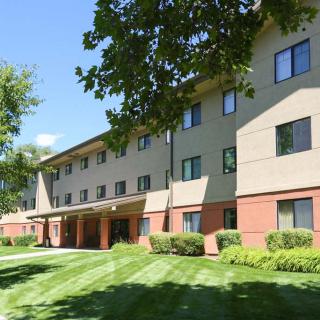
    Qualitycare Personal Home Care is an assisted living community located in Salt Lake City, UT. Our community strives to provide a comfortable and welcoming environment for our residents, with a range of amenities and care services designed to enhance their quality of life.

    Our residents can enjoy the convenience of cable or satellite TV in their fully furnished personal spaces, as well as access to a dining room where delicious meals are served restaurant-style. The housekeeping services provided ensure that our residents can relax and focus on enjoying their time in our community.

    In addition, we offer a variety of amenities to support an active and engaging lifestyle. Residents can take advantage of our beautiful garden and outdoor space for leisurely walks or simply enjoying the fresh air. The small library provides a cozy spot for reading and relaxation, while telephone and Wi-Fi/high-speed internet access keep residents connected with their loved ones.

    At Qualitycare Personal Home Care, we prioritize the health and well-being of our residents. Our 24-hour supervision ensures that assistance is readily available whenever needed. Our dedicated staff provides assistance with activities of daily living such as bathing, dressing, and transfers. We also offer specialized care services for individuals with diabetes, including diet management.

    Nutrition is an essential aspect of overall health, which is why we provide meal preparation and service tailored to meet special dietary restrictions. Medication management ensures that residents receive their medications accurately and on schedule. Our mental wellness program promotes emotional well-being by providing support and engagement opportunities.

    Our community offers resident-run activities as well as scheduled daily activities to keep residents socially active and engaged. For those who wish to explore the surrounding area, there are numerous cafes, parks, pharmacies, physicians' offices, restaurants, transportation options, places of worship, theaters nearby.

    At Qualitycare Personal Home Care in Salt Lake City, UT, we are dedicated to providing a nurturing environment where seniors can receive personalized care while maintaining their independence and enjoying a fulfilling lifestyle.

    Nearby Places of Interest

    Parks

    • Salt Lake Regional Athletic Complex (0.5 miles)
    • Pioneer Park (3.9 miles)
    • Washington Square (4.5 miles)
    • Popperton Park (5.3 miles)
    • Liberty Park (5.4 miles)
    • Reservoir Park (5.5 miles)
    • Creekside Park (6.4 miles)

    Places of Worship

    • Church of Jesus Christ of Latter Day Saints (1.3 miles)
    • Worldwide Gospel Church (2.6 miles)
    • Conference Center (3.6 miles)
    • Salt Lake Tabernacle (3.7 miles)
    • Cathedral of the Madeleine (4.2 miles)

    Pharmacies

    • Lucky Pharmacy (1.5 miles)
    • SuperSaver Pharmacy (1.5 miles)
    • Harmons (4.1 miles)
    • Smith's Food & Drug (4.2 miles)
    • Walgreens (4.5 miles)
    • Smith's Food & Drug (4.6 miles)
    • Walgreens (4.8 miles)

    Restaurants

    • Santo Taco (1.9 miles)
    • Rancherito's (3 miles)
    • Quiznos (3 miles)
    • California Burgers And Deli (3.2 miles)
    • Chungas (3.2 miles)
    • Crown Burger Restaurant (3.4 miles)
    • Dave & Buster's (3.5 miles)

    Transportation

    • SLC Apron (2.2 miles)
    • Concourse B (2.2 miles)
    • Delta Sky Club (2.5 miles)
    • Salt Lake City International Airport (SLC) (2.5 miles)
    • Employee Parking Shuttle Stop (2.9 miles)
    • UTA FrontRunner North Temple Station (3.2 miles)
    • Salt Lake City Intermodal Hub Salt Lake Central (3.5 miles)

    Cafes

    • Gourmandise (2.7 miles)
    • The Rose Establishment (3.7 miles)
    • Three Pines Coffee (4 miles)
    • Starbucks (4.3 miles)
    • Java Jo's (4.3 miles)
    • Publik Coffee Roasters (4.4 miles)
    • Salt Lake Coffee Break (4.7 miles)

    Theaters

    • Imax Theatre Clark Planetarium (3.5 miles)
    • Megaplex 12 at The Gateway (3.6 miles)

    Hospitals

    • Intermountain Pharmacy - LDS Hospital (3.9 miles)
    • Primary Children's Hospital (6.1 miles)
    • University of Utah Hospital (6.1 miles)
    • University Of Utah ENT Clinic 9 (6.2 miles)
    • Moran Patient Support (6.2 miles)
    • George E Wahlen VA Hospital (6.4 miles)
    • United States Government (6.5 miles)

    Physicians

    • Avenues Sleep Clinic (4 miles)
    • Intermountain Cardiothoracic Assoc (4 miles)
    • House Call Doctors (4.5 miles)
    • Central City Community Health Center (4.8 miles)
    • Ear Nose & Throat Center (4.9 miles)
    • Barr Facial Plastic Surgery: Lucy J Barr MD PC (5.1 miles)
    • Barr Facial Plastic Surgery (5.2 miles)

    Frequently Asked Questions

    Where is Qualitycare Personal Home Care?

    Nearby Communities

    Related Resources

    • is assisted living tax deductibleIs Assisted Living Deductible on Your Taxes? Understanding the Complexities of Assisted Living Expenses and Deductions

      The deductibility of assisted living expenses on taxes hinges on factors like the individual's medical condition and service nature, typically requiring the resident to be "chronically ill" per IRS definitions. Taxpayers may deduct eligible medical expenses related to personal care services but generally not rent unless primarily for medical care, and they should maintain thorough documentation to support claims while considering itemizing versus standard deductions.

    • va benefits for assisted livingAssisted Living Support for Veterans: A Complete and Detailed Overview

      The guide highlights the importance of assisted living facilities for aging veterans needing daily support, discusses unique challenges they face, and outlines available financial assistance from the VA, including the Aid and Attendance program. It emphasizes understanding eligibility criteria and navigating the VA system to access necessary benefits effectively.

    • assisted living vs skilled nursingExploring the Contrasts Between Assisted Living and Skilled Nursing

      The article compares assisted living and skilled nursing facilities, detailing their differing levels of assistance, medical support, cost structures, and day-to-day experiences. It emphasizes that assisted living is for those needing help with daily activities while maintaining independence, whereas skilled nursing facilities provide intensive medical care with 24-hour staff supervision.


    Get Pricing Ask A Question Schedule A Tour Contact Senior Advisor