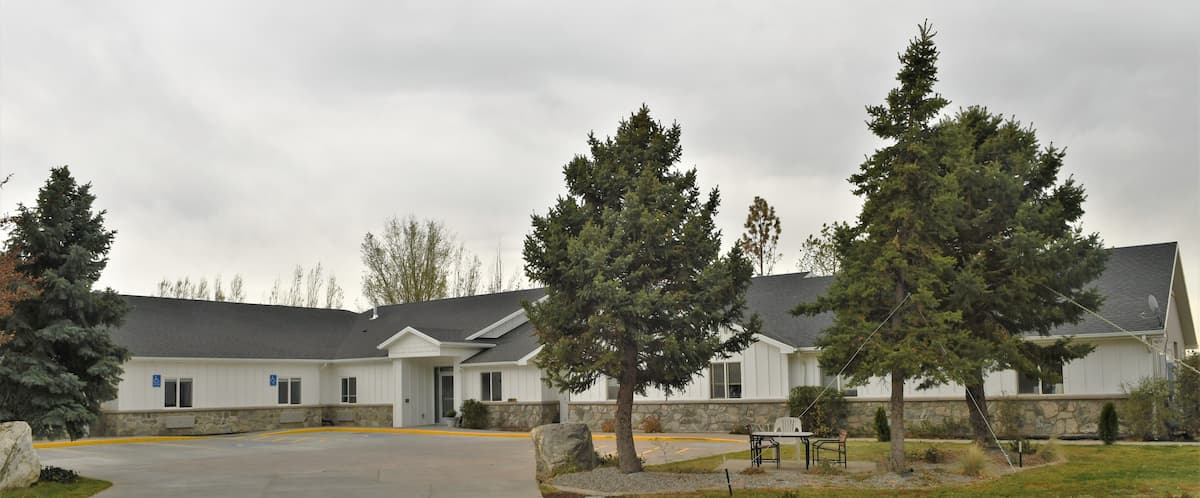
905 West 4000 South, Bountiful, UT 84010
For more information about senior living options: (866) 208-4318
Waikoloa Assisted Living Costs & Pricing
Waikoloa Assisted Living offers competitive pricing for its studio units, with a monthly cost of $3,000. This figure is notably lower than the average costs in both Davis County and across Utah, where similar accommodations typically range from $3,098 to $3,206 per month. By providing quality care and comfortable living spaces at a price point that is more accessible than many nearby alternatives, Waikoloa Assisted Living presents an attractive option for those seeking assisted living solutions in the region. The facility's commitment to affordability without compromising on service makes it a commendable choice for families looking for reliable care options in a supportive environment.
| Floor plans | Waikoloa Assisted Living | Davis County | Utah |
|---|---|---|---|
| Studio | $3,000 | $3,098 | $3,206 |
Assisted Living communities with a similar price nearby
-
About the same
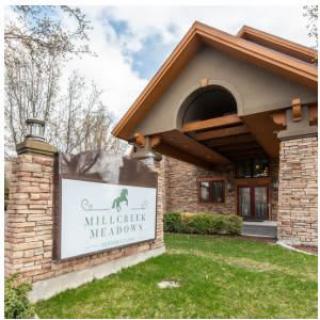
Millcreek Meadows
$2,995 to $3,995 / month12.3 miles away -
from -$400 / mo
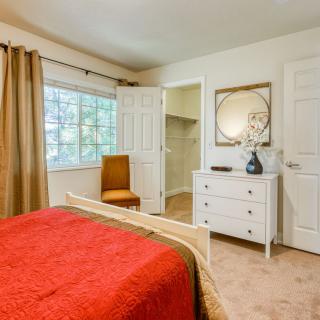
Pacifica Senior Living Millcreek
$2,600 to $3,095 / month11.1 miles away -
from +$395 / mo

Chancellor Gardens
$3,395 to $5,650 / month17.7 miles away -
from +$495 / mo

Spring Gardens Draper
$3,495 to $3,895 / month23.2 miles away -
About the same

Whisper Cove Assisted Living Center
$2,995 to $3,895 / month12.3 miles away
Overall Review of Waikoloa Assisted Living
Pros
 Oak Ridge Assisted Living on Bountiful has caregivers who go above and beyond to customize care for each resident.
- The staff at Oak Ridge Assisted Living are great and stay on top of residents' care, with cleanliness that stands out.
- Based on the experience shared, families would recommend Oak Ridge Assisted Living to other families.
- Residents at Oak Ridge Assisted Living are doing well, have not experienced falls, and like it there.
Review
This community is best suited for families seeking a highly personalized assisted-living experience where daily routines are tailored to individual needs and the environment emphasizes cleanliness and safety. The consensus from the available reviews points to caregivers who customize care plans and care approaches to fit each resident, rather than applying a one-size-fits-all model. For seniors who require ongoing assistance but not hospital-level medical care, and for families who want visible, hands-on attention to daily safety, this setting delivers a compelling match.
Those who may want to consider alternatives are families prioritizing different strengths. If a wider campus with abundant amenities, a broader menu of social and recreational programming, or more extensive medical oversight is essential, exploring other communities could be worthwhile. For seniors whose needs are heavily medical or who require specialized memory-care services, or for households working within tighter financial constraints, it may be prudent to compare options that explicitly emphasize those capabilities or affordability.
The strongest pros here, personalized attention, diligent staff oversight, and a consistently clean environment, offer a strong offset to potential drawbacks that frequently worry families. When care plans are clearly tailored and caregivers stay on top of daily needs, the risk of unmet needs or overlooked safety concerns drops significantly. Cleanliness and orderly routines further reduce infection risk and enhance peace of mind, particularly for residents who value predictable, well-maintained surroundings. In short, the core advantages address the two most significant anxieties families bring: whether staffing will be attentive and whether the living space will feel safe and well-kept day after day.
Delving into the reported strengths reveals a pattern worth anchoring decisions to. Caregivers “go above and beyond to customize what’s needed for each resident,” signaling a flexible approach that can adapt as needs evolve. The staff are described as “great and on top of the clients’ care,” which translates into reliable monitoring, timely assistance, and fewer lapses in daily support. Cleanliness is repeatedly highlighted as a standout feature, reinforcing confidence that the environment supports comfort and wellness. The practical takeaway is clear: when a community commits to individualized care plans, consistent staff engagement, and a clean, well-run setting, families can trust that day-to-day quality of life remains prioritized.
However, the reviews leave several practical questions unaddressed. Price transparency and value relative to services, the variety of daily activities, meal quality, and specific offerings for different care levels (dementia-related support, if applicable) are not described in detail. Prospective families should verify staffing ratios during peak hours, the cadence of care-plan updates, and how emergencies are managed. An in-person tour can reveal how well the staff communicate with family members, how residents interact with caregivers, and whether the observed warmth and attentiveness translates across multiple shifts and days. Clarifying these elements helps ensure the strong positives persist beyond initial impressions.
In the end, this community appears to be a strong fit for families prioritizing customized care, dependable staff attention, and a clean, safety-forward setting. The absence of highlighted drawbacks in the reviews is itself telling, but a thorough on-site evaluation remains essential. For families who value a tailored, resident-centered approach and who are comfortable with a potentially tighter array of amenities or services compared to larger campuses, this option warrants serious consideration. For those needing broader medical capabilities, more expansive social programming, or particular financial considerations, it is prudent to compare alternatives before making a final commitment. A respectful, informed tour and a clear discussion of care plans will seal the decision.
 16 resident community capacity
 Assisted Living
 Board and Care Home
 Cats allowed
 Dogs allowed
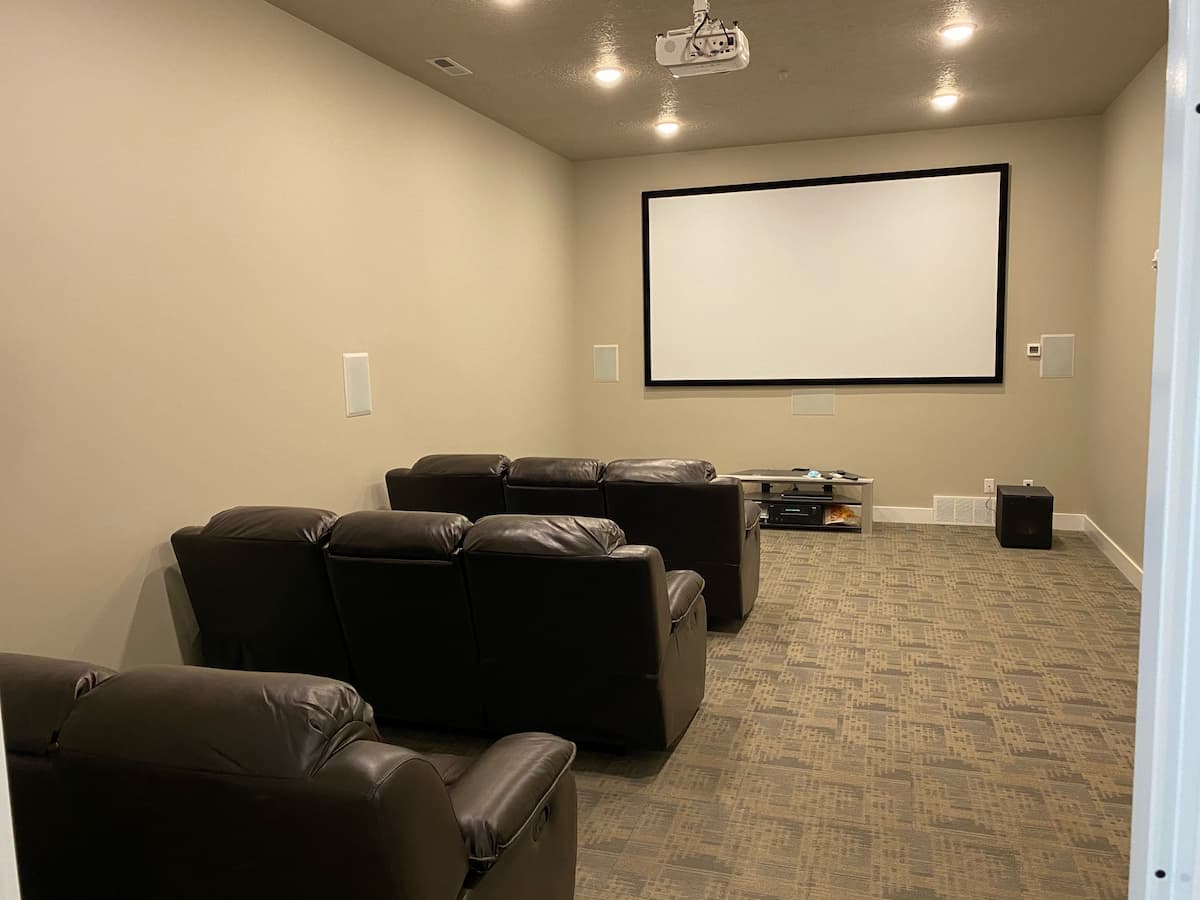
 Activities on-site
 Cable or satellite TV
 Devotional services off-site
 Dining room
 Fully furnished
 Garden
 Housekeeping services
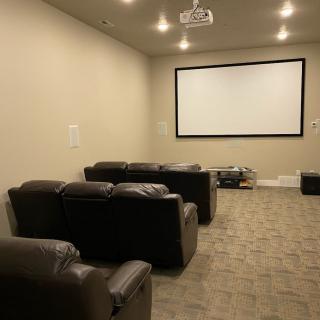
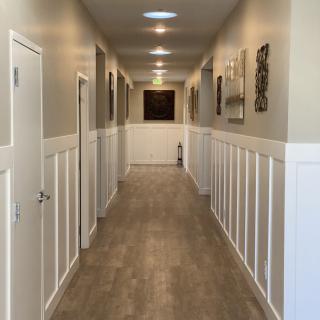
 Indoor common areas
 Move-in coordination
 Outdoor space
 Telephone
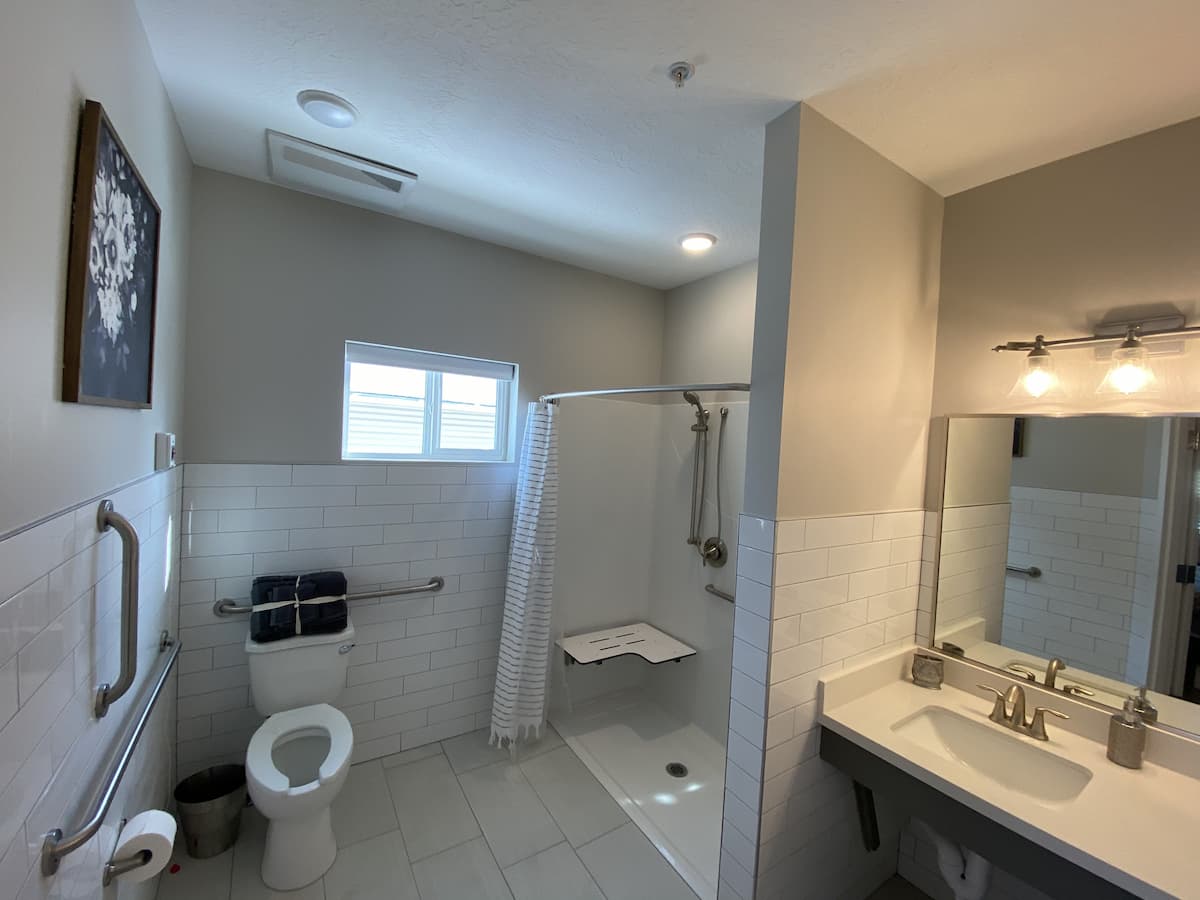
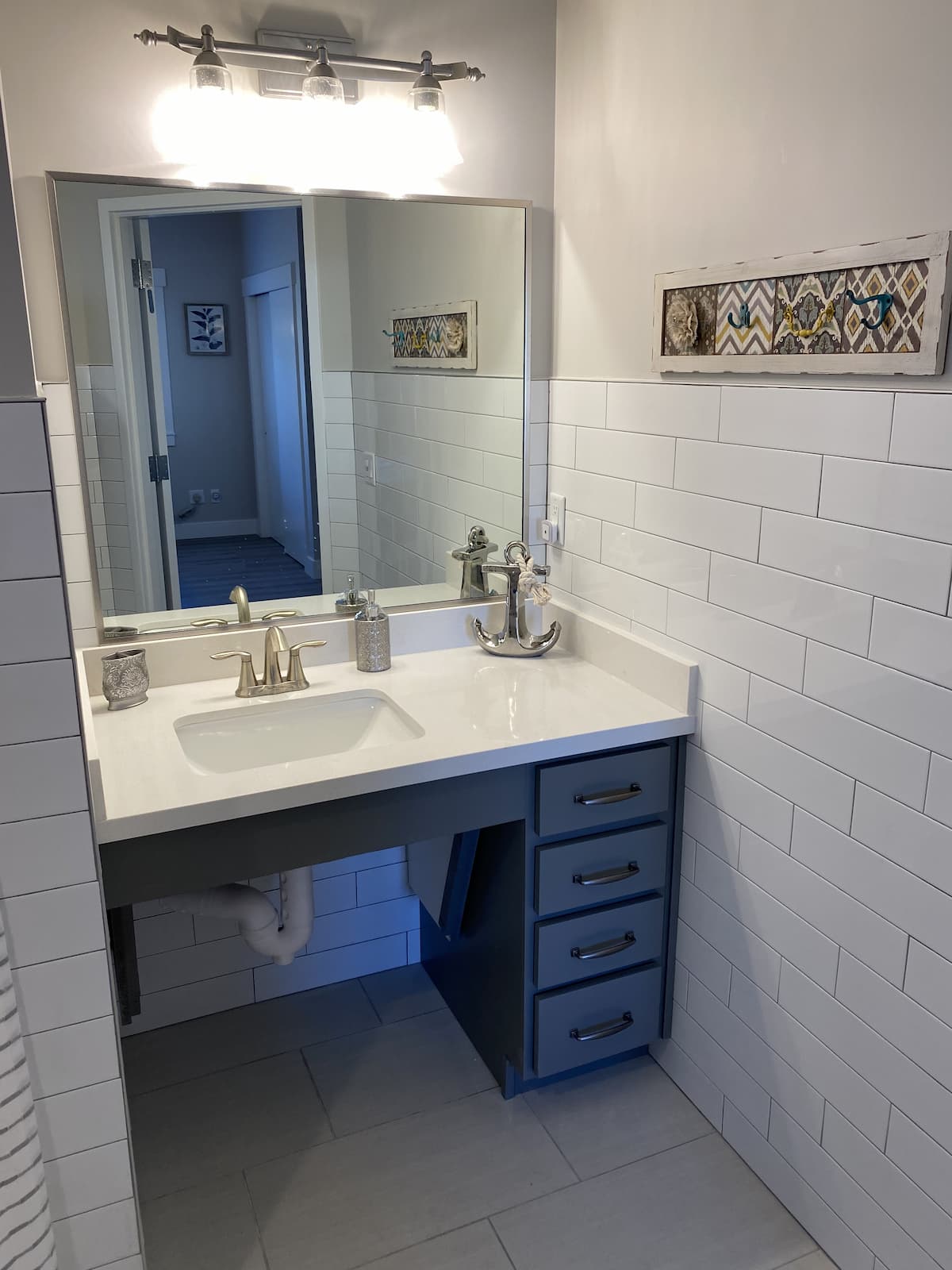
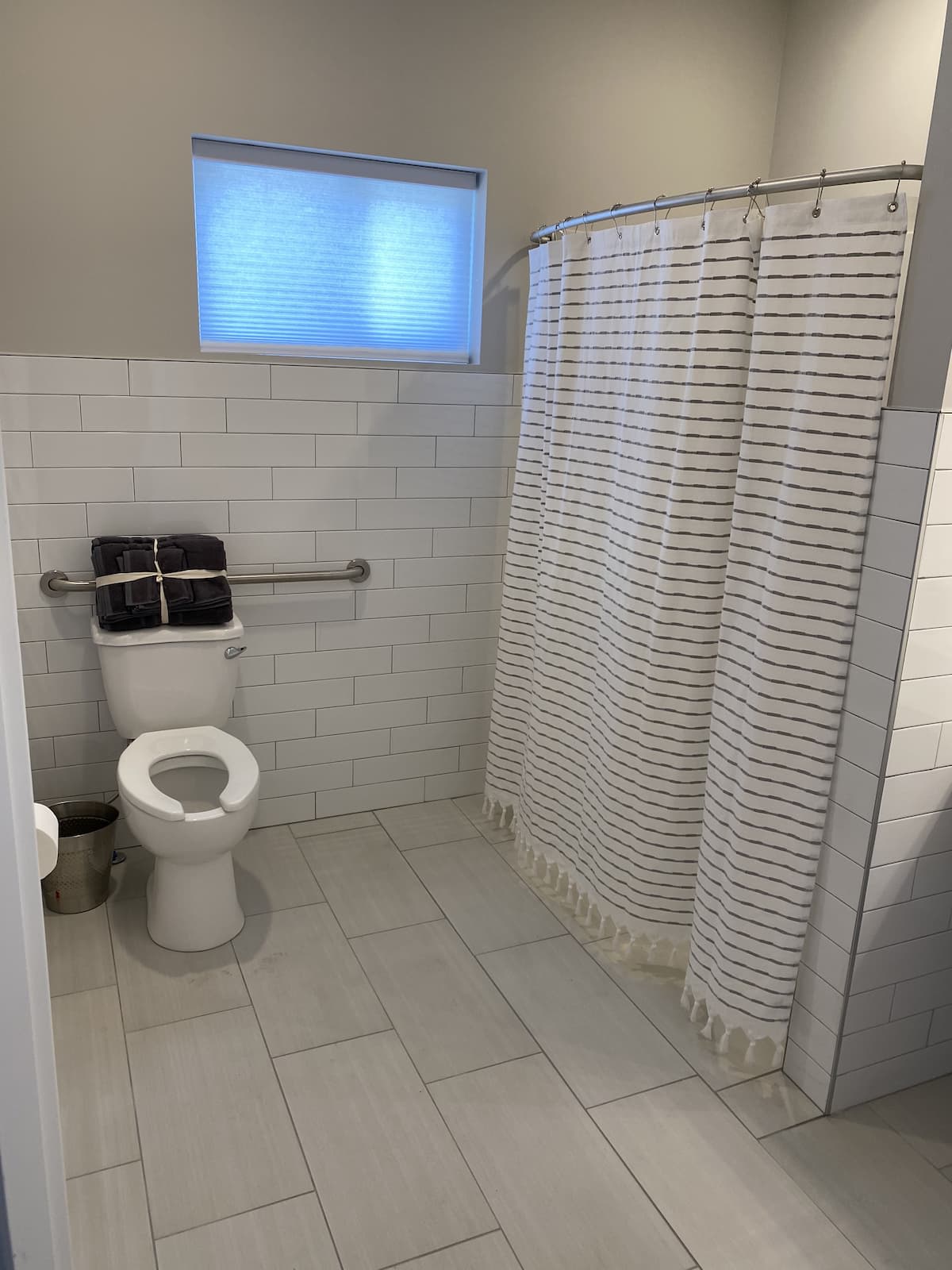
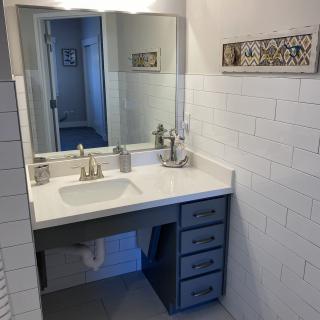
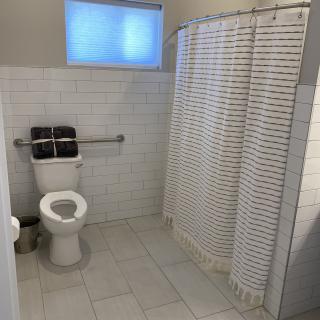
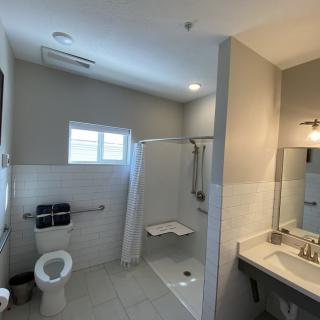
 Wheelchair accessible showers
 Wi-Fi/high-speed internet available
 Salt Lake City International (5 miles away)
 24-hour supervision
 Ambulatory care
 Assistance with bathing
 Assistance with dressing
 Assistance with transfers
 Diabetes diet
 Diabetic care
 Meal preparation and service
 Medication management
 Special dietary restrictions
 Transportation arrangement (medical)
 Transportation to doctors appointments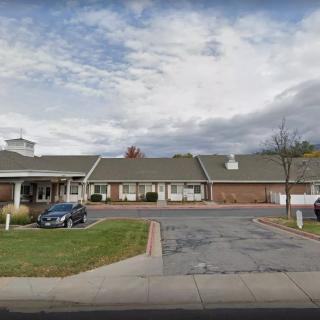

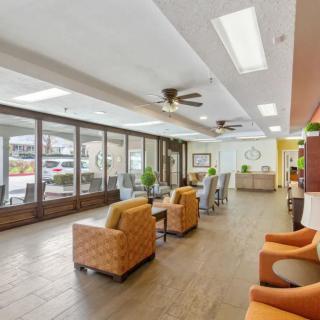




 Senior Transition Services: Understanding Their Role, Cost, and Importance
 Exploring the Path to Senior Living: A Comprehensive Look at Independent Living and Assisted Living
 Is Assisted Living Deductible on Your Taxes? Understanding the Complexities of Assisted Living Expenses and Deductions