
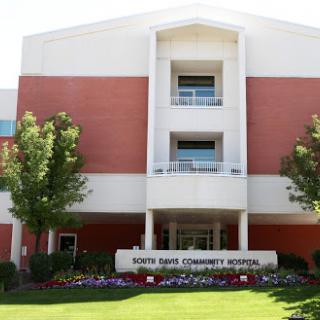
401 South 400 East, Bountiful, UT 84010
For more information about senior living options: (866) 208-4318
South Davis Community Care Center Costs & Pricing
At South Davis Community Care Center, the monthly cost for a private room is $6,000, which significantly exceeds both the county and state averages. In Davis County, the average cost for a private room is approximately $3,665, while across Utah, it stands at around $3,782. This disparity highlights South Davis Community Care Center's positioning in the market; it may offer enhanced services or amenities that justify the higher price point. Prospective residents and their families should carefully consider these costs in relation to the level of care and quality of life offered at this facility compared to other options within the region.
| Floor plans | South Davis Community Care Center | Davis County | Utah |
|---|---|---|---|
| Private | $6,000 | $3,665 | $3,782 |
Overall Review of South Davis Community Care Center
Pros
 The facility has improved over the past few years.
- The nursing staff takes their jobs seriously and ensures that residents’ health is of the utmost importance.
- The residents interact well with each other.
- It has a great atmosphere and a close-knit residential community.
- Many of the residents have lived there for quite some time.
Cons
 The bed setting was too high, causing the mom to fall and break her arm.
- The family did not receive timely updates about changes in her condition.
- The care was awful.
- The staff fail greatly at their jobs.
- The CNAs would not change the resident's briefs when needed, and the husband had to prompt them.
- The resident waited 15-20 minutes after pressing the call light, sometimes hours.
- There were several times the call light was not working.
Review
South Davis Community Care Center in Bountiful is best suited for seniors who want a neighborly, small‑community feel and for families prepared to stay actively involved in care. The setting can deliver a sense of residence and friendship among residents, and it may work for those who don’t demand elite medical oversight or highly responsive safety systems. It is not the right choice for families seeking consistently proactive safety management, transparent communication, or medical precision on a day‑to‑day basis.
What stands out most from the reviews is a pattern of safety and communication gaps that overshadow any perceived warmth. One family entrusted their loved one after surgery and found the bed too high, resulting in a fall that caused a broken arm, with no timely notification to the family afterward. Another family describes repeated failures to change a resident’s brief, extended delays in answering call lights, and even noncompliance with doctor orders. These incidents suggest a troubling vulnerability in routine safety protocols and a fragile mechanism for keeping families informed when concerns arise.
The third review paints a more balanced picture: a facility that has improved over time, with many residents who have long tenures, and nursing staff that reportedly works long hours under heavy pressure. The reviewers acknowledge that the environment can feel restrictive or austere, “one step above being in prison”, yet they also point to a genuine, if overtaxed, commitment to health and to a close‑knit community among residents. The core tension is clear: the atmosphere and the human connections are real, but they are offset by systemic strains that impede reliable, high‑quality care when it matters most.
Taken together, the pros of this community live in social fabric and perceived seriousness about health. The strong point is the persistent, if overburdened, nursing presence and the ability for residents to form meaningful connections with peers. This can translate into frequent day‑to‑day interaction and a sense of belonging, which is meaningful for some families and residents. However, the cons, unreliable call responses, inconsistent adherence to medical directives, and notable safety lapses, threaten the core purpose of a long‑term care setting: dependable, safe, medically appropriate care delivered with transparent accountability.
For families considering this facility, a practical, disciplined due‑diligence approach is vital. Ask for direct conversations with the administrator and the head of nursing to review how falls are prevented and how post‑surgical care is coordinated. Request a current staffing snapshot, including CNAs per shift and turnover rates, and observe a live call‑light response during a tour. Probe the facility’s incident reporting and family communication processes to confirm that changes in a resident’s condition are promptly shared. Verify the bed configurations and fall‑prevention measures throughout patient rooms, and insist on a clear plan if a resident needs to be moved between buildings again, without notification, if that ever crops up again.
Ultimately, this community is not a catalytic match for families whose top priority is rock‑solid safety, immediate responsiveness, and scrupulous adherence to medical orders. It may still bear consideration for those who value a personable, resident‑driven atmosphere and are able to maintain an active, hands‑on oversight role, accepting that staffing pressures can dampen overall performance. If choosing to pursue this option, enter with guarded expectations and insist on concrete assurances: documented care plans, defined escalation paths, and measurable improvements in safety and communications. For those needing consistently reliable care and clear, rapid response to concerns, explore other facilities with stronger staffing models and proven safety cultures.
 65 resident community capacity
 Skilled Nursing Facility
 Air-conditioning
 Beauty salon
 Cable or satellite TV
 Computer center
 Dining room
 Fitness room
 Fully furnished
 Gaming room
 Garden
 Housekeeping services
 Kitchenette
 Move-in coordination
 Outdoor space
 Private bathrooms
 Restaurant-style dining
 Small library
 Telephone
 Wellness center
 Wi-Fi/high-speed internet available
 Salt Lake City International (9 miles away)
 Community operated transportation
 12-16 hour nursing
 24-hour call system
 Activities of daily living assistance
 Assistance with bathing
 Assistance with dressing
 Assistance with transfers
 Diabetes diet
 Medication management
 Mental wellness program
 Special dietary restrictions
 Concierge services
 Planned day trips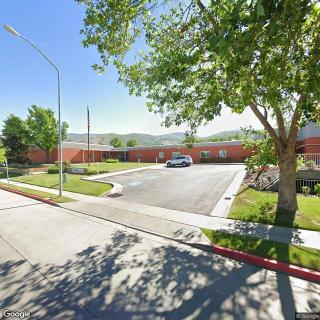

 A Closer Look at Private Pay Home Care
 Comprehensive Approaches for Arthritis: A Detailed Guide to Symptoms, Causes, and Care
 Comprehensive Insights and Practical Strategies to Help Older Adults Avoid Falls