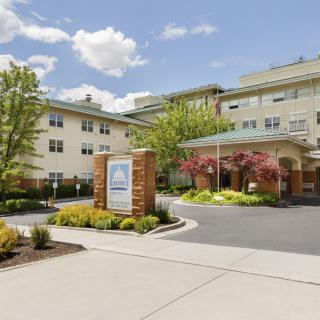
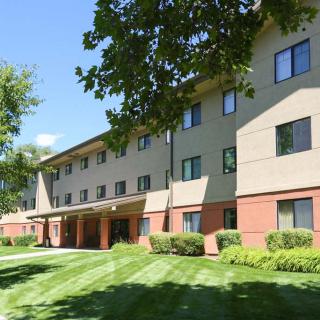
LDS HOSPITAL TCC CARE CTR
Save
8th Ave & C St, Salt Lake City, UT 84143
For more information about senior living options: (844) 490-3973
A broad spectrum of experiences emerges when people write about LDS Hospital and the surrounding IntermountainCare environment, reflecting a health system that can feel like a mixed bag depending on the department, the day, and the particular staff on duty. Some reviewers frame the hospital as a neighborly, welcoming place where doctors are friendly, courteous, and capable, even if the setting carries a certain formality or strictness. They contrast this with other facilities, like Huntsman Crisis Center, and express a clear preference for the care they've received at LDS in many instances, suggesting that the doctors here are a bright spot in what can feel like a challenging medical landscape. The sentiment is not universal, but the praise for compassionate bedside manner and professional staff runs through several accounts, underscoring that for many patients, the people delivering care can make a significant difference.
On the other hand, the hospital is portrayed by numerous reviewers as a site of troubling experiences that have left families frustrated and frightened. One particularly distressing account centers on a miscarriage in which a daughter waited for more than thirty minutes after pushing a call button before nurses arrived, and when help did come, it was described as rude and uncaring. The physician involved in that encounter - named Dr. Shane - was depicted as unprofessional, and the reviewer explicitly states they would not return to or recommend the hospital. This narrative highlights a perception that urgent needs were not met promptly or with the respect and empathy one would expect in a life-altering moment, contributing to a lasting negative impression of the facility.
Beyond clinical care, logistical and financial frustrations also appear prominently in the reviews. One family complains about Intermountain's billing practices, accusing the system of labeling individuals as addressees for someone else's emergency room bill, a situation that adds stress at an already vulnerable time. Billing and communication problems recur in several accounts, with repeated mentions of disorganization, lost records of conversations, and the sense that billing staff move too slowly or fail to relay essential information. In contrast to these pain points, other reviewers acknowledge timely, high-quality care and point to the importance of smooth administrative processes as part of a positive hospital experience.
Another set of critiques focuses on ideology and messaging rather than strictly medical care. A reviewer arriving with a spouse after a serious injury - a broken foot - felt the staff lacked urgency and competence, but the concern extended beyond medical care to the hospital's public messaging. They noticed a banner at the entrance promoting LGBT support and interpreted it as a political statement that did not align with their expectations of a health care facility. They argued that such messaging could signal ideological hiring practices rather than a focus on medical expertise. The reviewer suggested that in a community with strong religious and traditional values, overt political messaging at the entrance could undermine trust in the hospital's ability to deliver unbiased, patient-centered care.
Amid these contrasting experiences, several accounts emphasize dismissiveness and a sense that the system moves too quickly, leaving patients feeling rushed and neglected. One succinct but sharp entry proclaims: "They're dismissive and they rush you - the system sucks." This blunt sentiment captures a recurring fear among critics that some encounters are less about healing and more about throughput, with patients and their concerns pushed to the side in the name of efficiency or resource constraints.
There are, however, equally vocal voices of praise from other patients who describe positive, even outstanding, care. A patient who recently underwent a procedure on a separate visit reports a markedly different experience: from arrival to discharge, every caregiver was kind and courteous, offering help and reassurance. Others compliment the sixth-floor surgical ward, noting that the nursing staff - especially a nurse named Jess - met all needs with professionalism and warmth. Labor and delivery staff receive repeated applause, described as "fantastic," "the sweetest girls," and essential to making the delivery experience better. Across multiple reviews, the medical professionals are portrayed as capable and compassionate, whether in routine procedures or complex, high-stakes moments.
The contrast between these perspectives becomes even starker when considering inpatient experiences. One reviewer, describing an admission to the seventh floor, reports a prolonged delay in receiving medications - more than 32 hours - and characterizes the care as neglectful, with accusations of discrimination and microaggressions. There is a clear warning to others with mental health needs or those seeking inpatient programs to consider alternatives, reflecting a perception that certain patient groups may not receive equitable or attentive care. Yet, other postings in the same vein celebrate responsive, attentive teams and the sense that patients are treated with consideration and competence when care teams are aligned with the patient's needs.
The tapestry of experiences continues with a deeply personal narrative that blends medical review with a traumatic, long-form account of violence and its aftermath. One reviewer shares a jarring sequence: an instance of assault, a rape kit, police involvement, and a complex web of charges and legal outcomes that followed. The story moves through hospital admission, legal proceedings, and the emotional fallout, painting a picture of a health system that intersects with housing, safety, and personal trauma in ways that resonate far beyond clinical care. This account also touches on HIPAA concerns and allegations of privacy violations, leaving readers with a strong impression of how medical encounters can become entangled with legal and ethical dimensions that shape trust and safety.
Toward the end, the narrative circles back to the personal toll of a year marked by devastation and resilience. The author reflects on a year since the worst day of their life, detailing the haunting memories of violence and blood, the painstaking work of rebuilding a life afterward, and the slow, aching process of moving forward. The piece closes with a raw sense of vulnerability - an admission of pain and a plea for healing that sits alongside the broader arc of hospital experiences described earlier. Taken together, these voices reveal a health system capable of extraordinary care in some moments and deeply faltering in others, underscoring the ongoing challenge of delivering consistently compassionate, competent, and respectful treatment across every department and every patient encounter.
In sum, the collection of experiences presents a hospital system that can feel like two different worlds at once: one where patients praise the kindness of nurses, the attentiveness of doctors, and the competence of staff; and another where delays, dismissiveness, ideological concerns, and administrative glitches erode trust and fuel fear. The stories span obstetrics, mental health, billing, and acute care, and they remind us how crucial it is for health care providers to balance efficiency with empathy, to safeguard privacy, and to foreground patient well-being in every interaction - even on days when the system itself feels under strain. If there is a takeaway, it is that care quality is highly variable, and establishing a consistently reassuring, respectful, and competent patient experience remains a work in progress across this network. For those following these stories, the message is clear: care matters deeply, and so too do the human connections that sustain patients - and their families - through some of the toughest moments life can deliver. If you're feeling overwhelmed or distressed by any of these experiences, consider reaching out to trusted contacts or local crisis resources for support.
LDS HOSPITAL TCC CARE CTR is located in the vibrant city of Salt Lake City, UT. This assisted living community offers a convenient and enriching lifestyle for its residents with its close proximity to various amenities and services.
For those who enjoy dining out or grabbing a cup of coffee, there are 11 cafes and 29 restaurants nearby, offering a diverse range of cuisines and culinary experiences. Nature enthusiasts will appreciate the 10 parks in the vicinity, providing opportunities for leisurely strolls, picnics, and outdoor activities.
Healthcare needs are easily met with 11 pharmacies and 14 physicians in the area, ensuring easy access to medication and medical professionals. Additionally, the presence of 8 hospitals nearby provides peace of mind knowing that emergency care is within reach.
Transportation options are readily available with 3 transportation services nearby, facilitating ease of movement for residents who may require assistance getting around. Those seeking spiritual fulfillment can find solace in the 6 places of worship located near this assisted living community.
Residents looking for entertainment options will be delighted to know that there are 2 theaters nearby, offering opportunities to catch movies or live performances. Overall, LDS HOSPITAL TCC CARE CTR provides a comfortable and engaging environment for seniors seeking assisted living services while enjoying the convenience and accessibility of numerous amenities in its neighborhood.
This part of Salt Lake City, Utah, offers a convenient and diverse range of amenities for senior living. With multiple hospitals and pharmacies in close proximity, medical care is easily accessible. There are also several physicians' offices and clinics nearby for specialized healthcare needs. The area boasts a variety of cafes and restaurants for dining out, as well as parks for outdoor recreation and relaxation. Places of worship are within reach, providing spiritual fulfillment. Transportation options include train stations and shuttle stops for easy travel around the city. Additionally, entertainment options such as theaters are available for leisure activities. Overall, this area provides a well-rounded environment with essential services and recreational opportunities for seniors looking to settle in Salt Lake City.
LDS HOSPITAL TCC CARE CTR is located at 8th Ave & C St, Salt Lake City, UT 84143 in Salt Lake County, Utah
Capitol Hill Senior Living
Salt Lake City, UT
Warm staff with engaging activities and quality dining.
Capitol Hill Senior Living costs
Capitol Hill Senior Living reviews
Capitol Hill Senior Living images
Capitol Hill Assisted Living & Memory Care
Salt Lake City, UT
Clean, welcoming environment with attentive staff (notably Jason), engaging activities, and convenient access to hospitals and nearby amenities.
Capitol Hill Assisted Living & Memory Care reviews
Capitol Hill Assisted Living & Memory Care images
[CLOSED] The Avenues Courtyard Assisted Living Community
Salt Lake City, UT
Friendly staff, clean facilities, and engaging amenities (spa, library, activity spaces) that promote resident engagement.
[CLOSED] The Avenues Courtyard Assisted Living Community reviews
[CLOSED] The Avenues Courtyard Assisted Living Community images
The Avenues Courtyard
Salt Lake City, UT
Warm staff and engaging activities in a cozy, intimate setting.
The Avenues Courtyard costs
The Avenues Courtyard reviews
The Avenues Courtyard images
Park Lane Senior Living
Salt Lake City, UT
Vibrant, friendly community with diverse activities and outings.
Park Lane Senior Living costs
Park Lane Senior Living reviews
Park Lane Senior Living images
Sarah Daft Home
Salt Lake City, UT
Homey atmosphere with friendly staff and engaging activities.
Sarah Daft Home costs
Sarah Daft Home reviews
Sarah Daft Home images
St Joseph Senior Living
Salt Lake City, UT
Friendly staff, engaging activities, and affordable pricing compared to the local market.
St Joseph Senior Living costs
St Joseph Senior Living reviews
St Joseph Senior Living images
Peaks at Millcreek
Salt Lake City, UT
Friendly staff with an active activities program.
Peaks at Millcreek costs
Peaks at Millcreek reviews
Peaks at Millcreek images
Nurturing Our Elders: Linda's Journey of Supporting Her Mother

Linda's caregiving journey for her elderly mother, Joan, is marked by deep love and challenges as she navigates health changes, emotional support, and practical arrangements while learning to prioritize self-care and utilize community resources. Their evolving relationship highlights resilience and the universal themes of empathy and preparedness in caregiver experiences.
A Comprehensive Exploration of Common Misunderstandings about Powers of Attorney

The article clarifies common misconceptions about Powers of Attorney (POA), highlighting the necessity of the principal's consent, the limitations on an agent's authority, and the importance of mental capacity when signing. It also distinguishes between various types of POAs, addresses concerns about potential abuse, and emphasizes the need for legal consultation to ensure valid and up-to-date documents.
Senior Move Management: Understanding the Role, Value, and Associated Costs
Senior move management provides specialized support for older adults relocating by assisting with logistics, emotional challenges, and downsizing decisions to ensure a smooth transition to new living environments. These services address the unique needs of seniors and have become increasingly important as baby boomers retire and seek to downsize.