
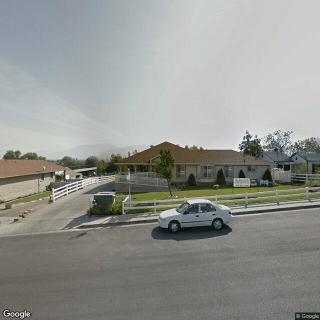
1176 South 1150 W., Payson Utah, UT 84651
For more information about senior living options: (866) 208-4318
Overall Review of Heritage Village
Pros
 The reviews describe Heritage Village as a welcoming 55+ active adult community in Payson, UT.
- Neighbors are noted to be very nice and friendly.
- The community is quiet yet full of fun, with frequent activities and clubs.
- Heritage Village is regarded as one of the best 55+ neighborhoods with plenty of opportunities to socialize and stay active.
- The adjacent neighborhood is praised for having nice, welcoming neighbors and a warm atmosphere.
Review
Heritage Village in Payson, Utah is best suited for independent adults 55 and over who want a tight-knit, active neighborhood without requiring ongoing personal care. This is a community where daily life revolves around social connection and readily available activities rather than formal caregiving. The calendar reflects a deliberate push to stay engaged: monthly activities, weekly craft classes, a quilt club, and casual competitive outlets like daily billiards, pickleball, and regular fitness sessions. Residents repeatedly describe a climate of genuine neighborliness, people who know each other, greet you by name, and create an atmosphere that makes aging in place feel doable and enjoyable. For families evaluating options, Heritage Village stands out as a choice for those who value a low-stress, sociable, maintenance-light lifestyle that still feels neighborly and welcoming.
That said, Heritage Village is not a fit for everyone. Those who require daily personal assistance, medication management, or around-the-clock supervision will want to steer toward an assisted living option or a memory-care setting. The community’s strength is its independence-supportive design, not an on-site care continuum. If a resident’s needs are likely to escalate into requiring hands-on caregiving, medical oversight, or rehabilitative services coordinated on-site, a traditional care-focused facility offers a safer, more appropriate structure. Families should view Heritage Village as a platform for social vitality and autonomy, with the understanding that it does not replace the continuum of care some elders will eventually require.
The strongest positives are precisely the social and cultural assets. The residents’ description of life at Heritage Village centers on an active schedule and a warm, neighbor-driven culture. The variety of activities, crafting, quilting, billiards, pickleball, and group fitness, creates ongoing opportunities for routine, purpose, and connection. This rhythm helps counter common risks of aging in place, such as isolation and sedentary habits, by embedding socialization into the day-to-day. The quiet atmosphere of Payson, combined with a lively, engaged membership, lends itself to a sense of safety and belonging. In practical terms, the community’s social fabric translates into regular, informal supports: a neighbor might check in after a long trip, organize a small gathering, or coordinate a ride to an event. For many, that informal safety net can be as valuable as any formal service.
The potential downsides are clear when viewed against those strengths. The absence of on-site caregiving means that families must plan separately for any future needs that outstrip what independent living can accommodate. There is no explicit mention of on-site medical staff, care coordination, or memory-care programming, so the burden of arranging medical appointments, in-home care visits, or emergency response falls outside the community’s core offerings. For seniors who anticipate or fear gradual declines in mobility, cognition, or self-care, this limitation can be a decisive factor. The trade-off is straightforward: you gain a lively, supportive environment and maintain autonomy, but you sacrifice the convenience and immediacy of integrated care that an assisted living setting provides.
Nevertheless, the pros can meaningfully offset the main cons for a large cohort of potential residents. The health and well-being benefits of sustained social engagement and regular activity are well aligned with aging-in-place goals. A robust neighbor network reduces loneliness, while predictable programming helps maintain cognitive and physical activity without feeling bureaucratic or clinical. In practical terms, Heritage Village offers a platform where independence is preserved, social needs are met, and daily living remains manageable through community-based support rather than formal care pathways. For many, this blend yields a higher quality of life than a more clinical alternative would, especially when loved ones value proximity to family, freedom from routine medicalized environments, and a visible, caring community that acts like an extended household.
For families weighing options, Heritage Village deserves a deliberate, visit-first evaluation. It excels for those who prize a vibrant, independent aging experience with built-in social capital and a refreshing pace of life that honors autonomy. Prospective residents should test whether the social calendar aligns with personal interests, assess how quickly new neighbors become familiar and supportive, and consider whether the quiet, low-maintenance setting matches the desired lifestyle. At the same time, it is essential to acknowledge the care gap: if future needs point toward daily assistance or medical oversight, plan early for transitions to an assisted-living or memory-care environment rather than waiting until a crisis emerges. A tour during a community activity or a walk through the common spaces will reveal whether the warmth and the pace translate into day-to-day reassurance.
In sum, Heritage Village is a practical, decisive option for independent-minded seniors who want a thriving 55+ community without the trappings of institutional care. Its greatest strengths, vibrant social life, neighborly culture, and a calm, engaging setting, offer tangible benefits for sustained well-being and happiness. Alternatives become relevant when care needs grow or when a resident seeks on-site medical management and a more formal care continuum. For families prioritizing autonomy with a strong fabric of everyday connection, Heritage Village warrants serious consideration, accompanied by clear planning for any future care requirements and a firsthand experience of how the community feels in motion during the weekly rhythm of activity and interaction.
 6 resident community capacity
 Active Adult Communities (55+)
 Housekeeping services
 Telephone
 Wi-Fi/high-speed internet available
 Assistance with dressing
 Meal preparation and service
 Medication management
 Diabetes diet
 Special dietary restrictions






 Comprehensive Exploration of Living Wills and Other Advance Directives
 A Detailed Exploration of Living Wills and Advance Directives
 Comprehensive Guide to Medicare Coverage for Hospice Care