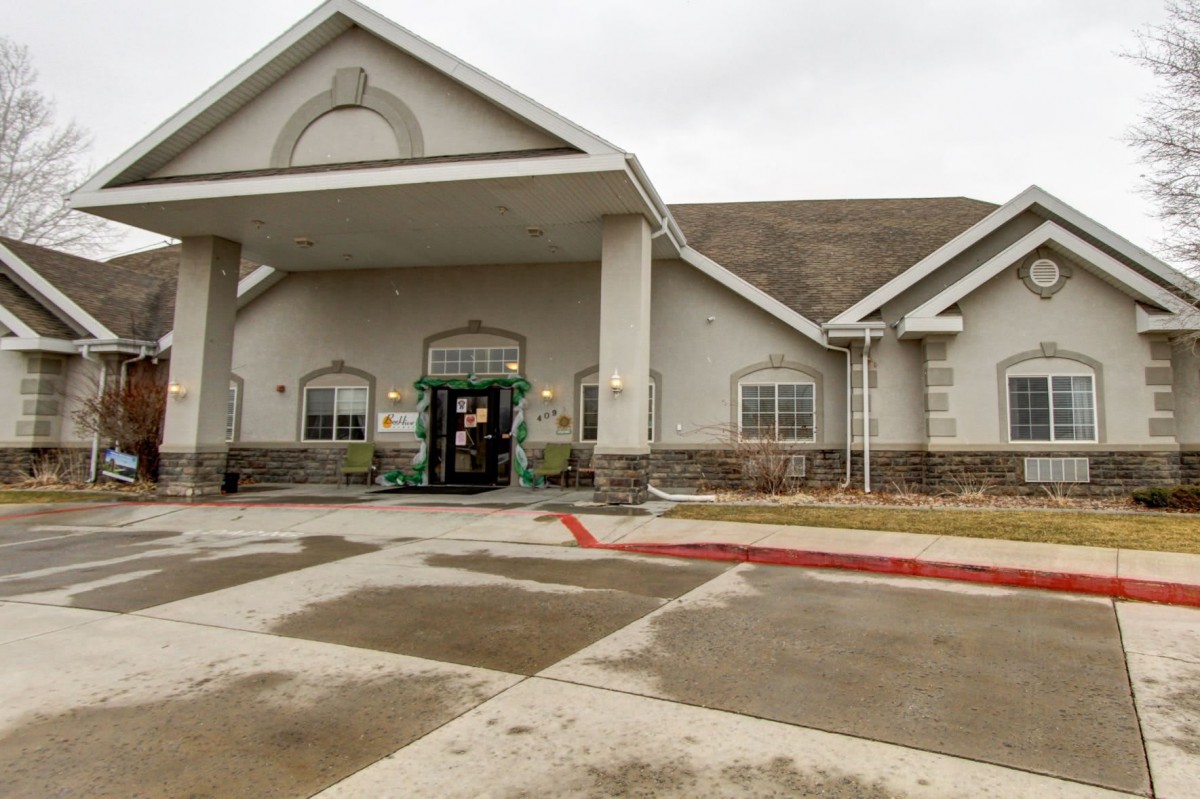


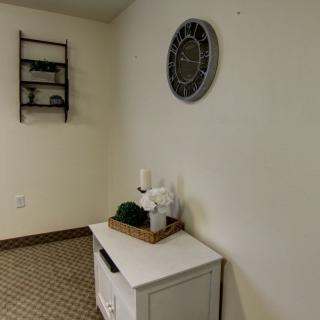
409 S. 300 W, Santaquin, UT 84655
To contact a resident: (801) 477-9015
For more information about senior living options: (866) 208-4318
Beehive Homes of Santaquin Costs & Pricing
Beehive Homes of Santaquin offers competitive pricing for their residential care options, making them an appealing choice for prospective residents. For a semi-private room, the monthly cost is $2,700, which is notably lower than both the Utah County average of $2,823 and the state's average of $3,596. Similarly, their one-bedroom option is priced at $3,300, again coming in below the county's average of $3,469 and the state's figure of $3,556. This positioning underscores Beehive Homes' commitment to providing quality care at accessible rates in comparison to local and statewide standards.
| Floor plans | Beehive Homes of Santaquin | Utah County | Utah |
|---|---|---|---|
| Semi-Private | $2,700 | $2,823 | $3,596 |
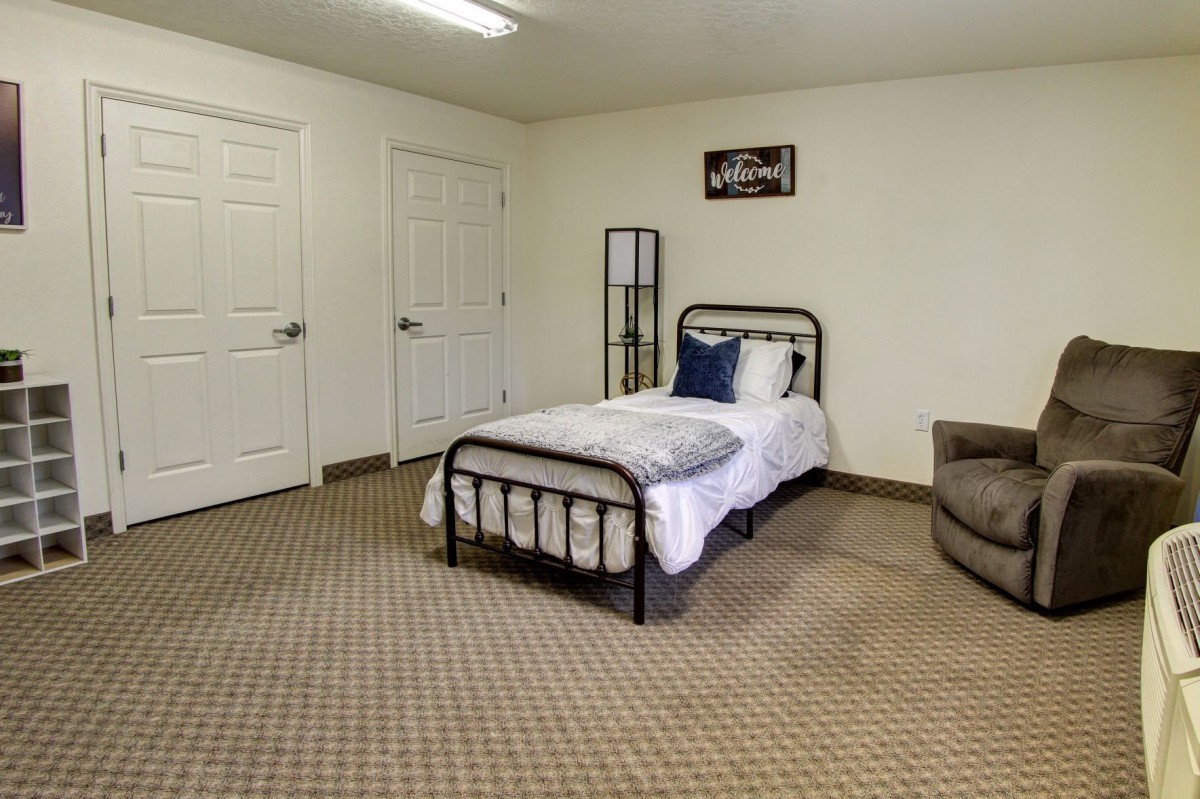
| 1 Bedroom | $3,300 | $3,469 | $3,556 |
Memory care communities with a similar price nearby
-
from +$300 / mo

BeeHive Homes of Provo I
$3,000 / month18.8 miles away -
from +$500 / mo

Beehive Homes of Provo II
$3,200 / month18.8 miles away -
from +$300 / mo
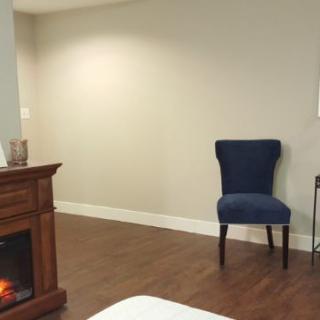
Hearthstone Manor
$3,000 to $3,500 / month12.1 miles away -
from -$100 / mo
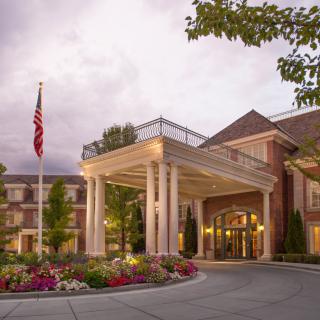
Courtyard at Jamestown Assisted Living
$2,600 to $4,400 / month22.5 miles away -
from +$300 / mo
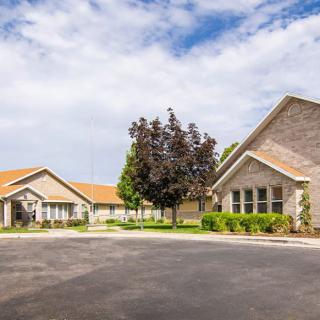
Rocky Mountain Care Spring Hollow
$3,000 / month23.4 miles away
Overall Review of Beehive Homes of Santaquin
Pros
 Beehive has been great for his father.
- Everyone at Beehive is pleasant, easygoing, and professional.
- The reviewer recommends Beehive Assisted Living as a choice for families when that time arrives.
- She loved the staff, and it was obvious that they loved her.
- The residence is very pleasant, and the staff are kind and helpful.
- It was a very good experience for the family.
- They are both healthier and happier living at Beehive Homes.
- Visiting them is pleasant and no longer a chore.
- Wanda Jex has received very good care at Beehive Homes of Santaquin.
- She has been happy there, as happy as anyone could be in an assisted living situation.
- The staff have tended to her every need.
- She is treated with respect and, more importantly, with love.
Cons
 They were not taking care of each other or themselves very well.
- They were reluctant to move.
Review
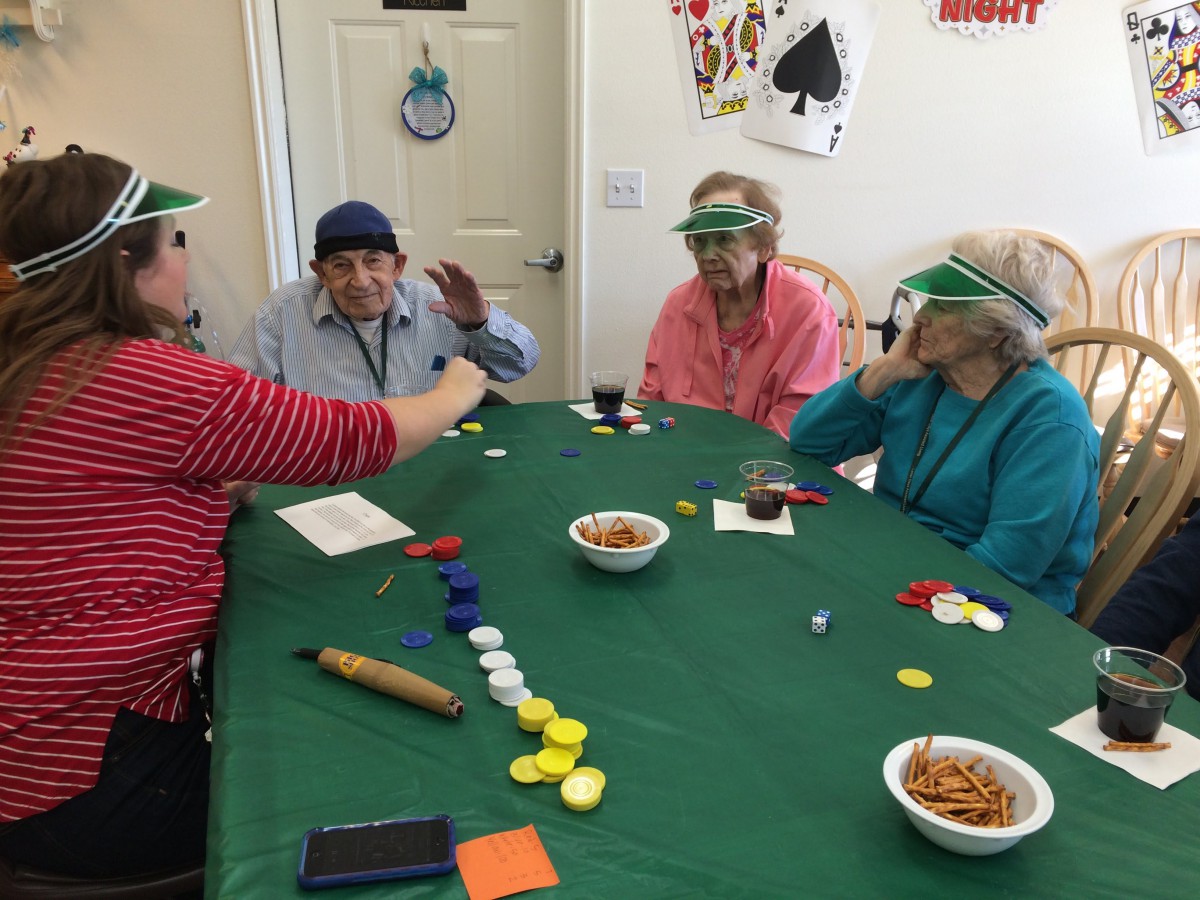
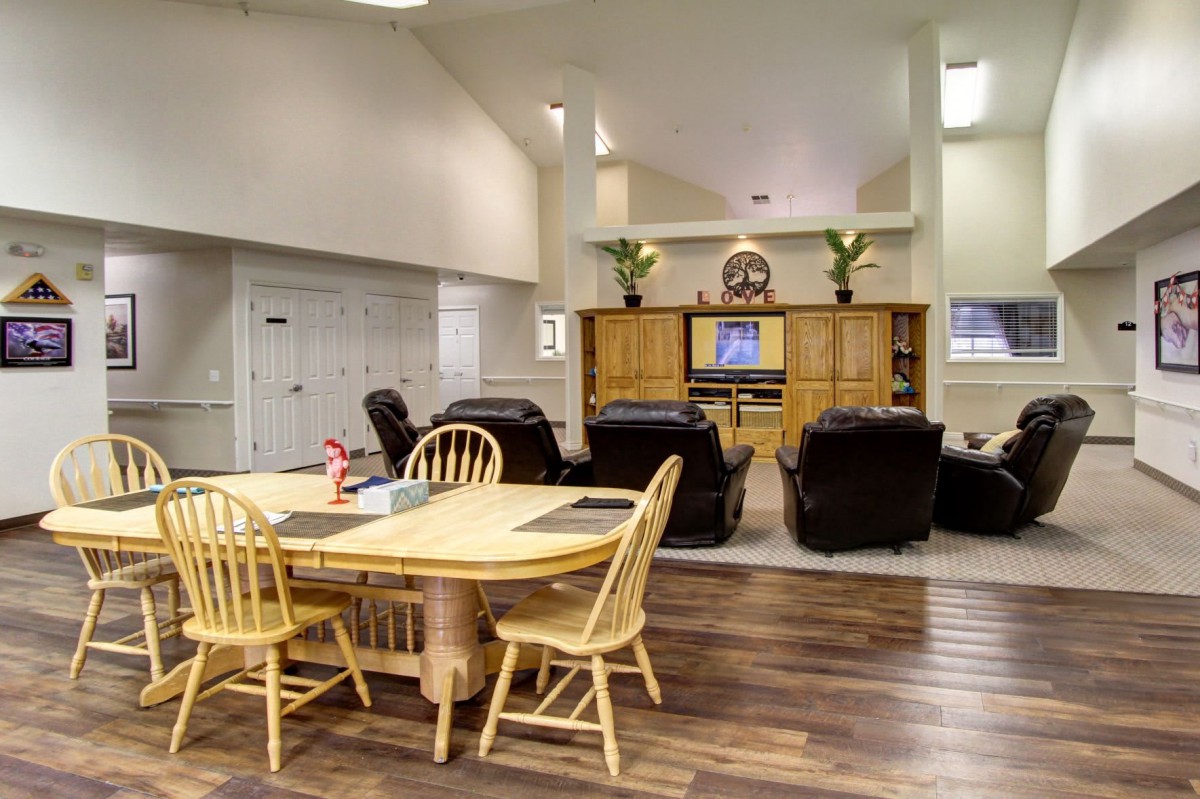
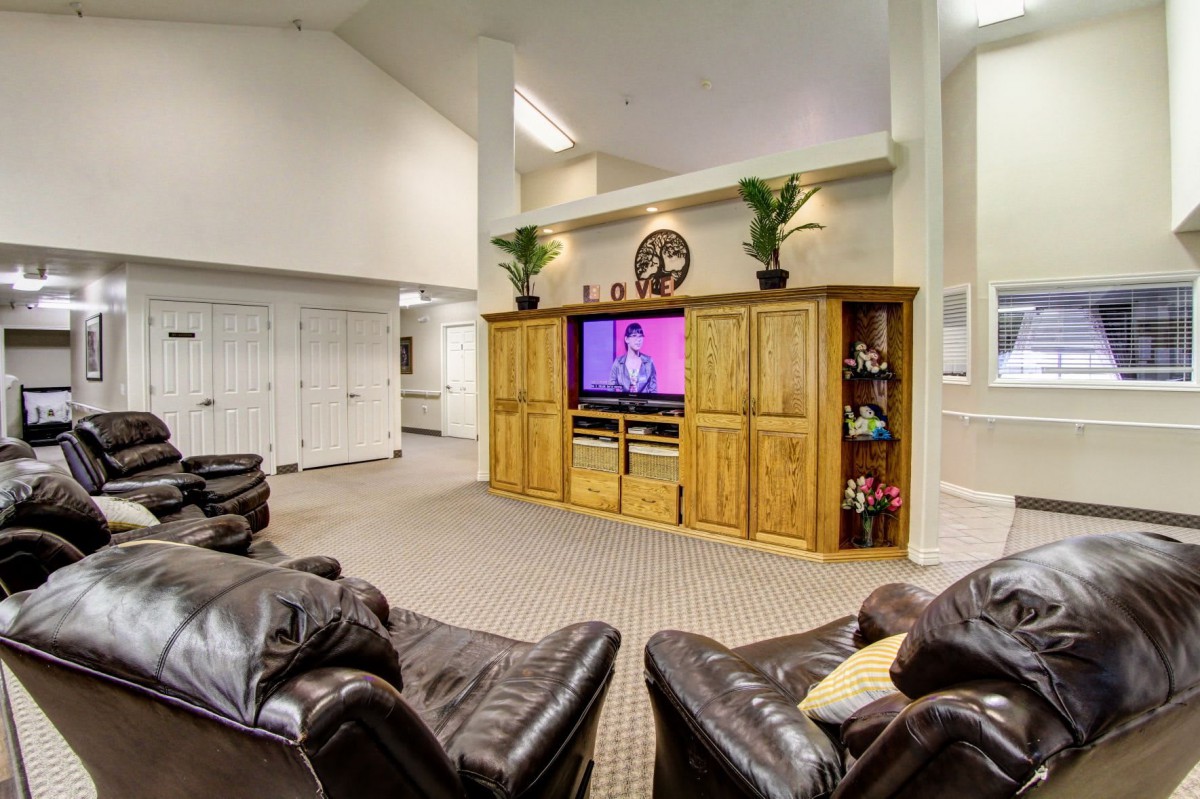
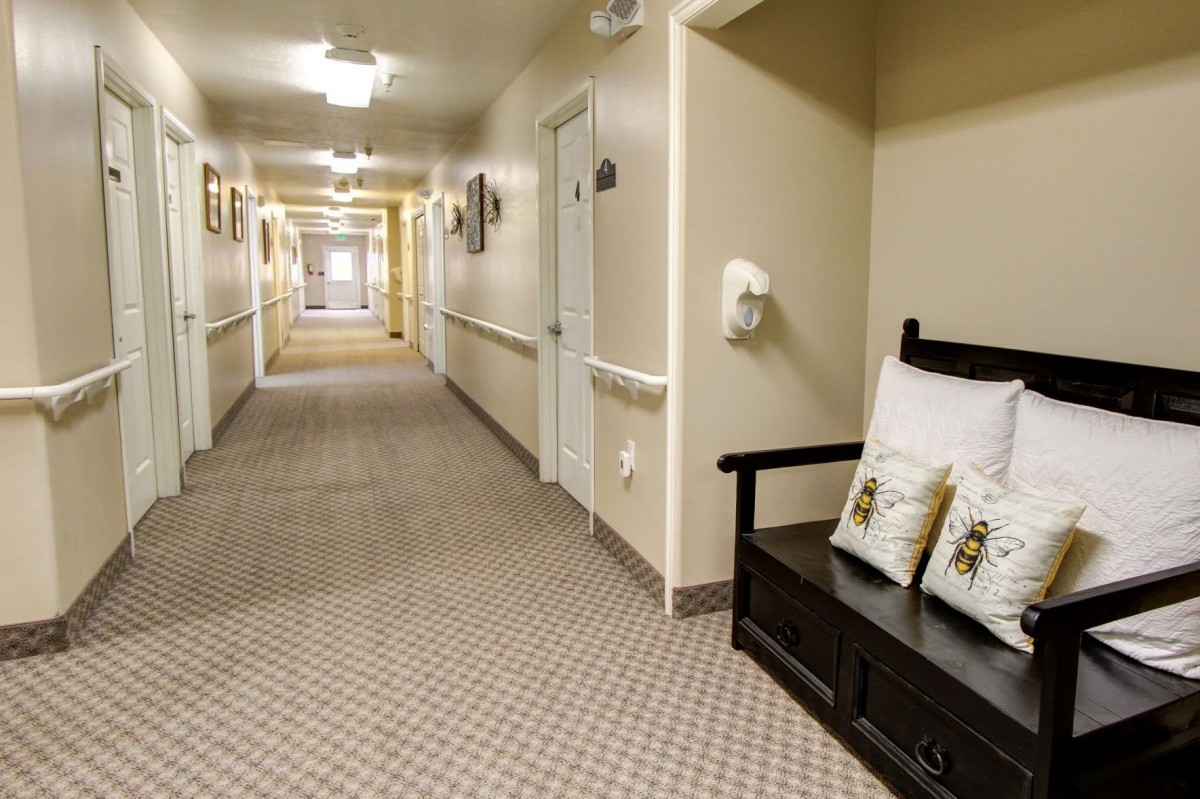
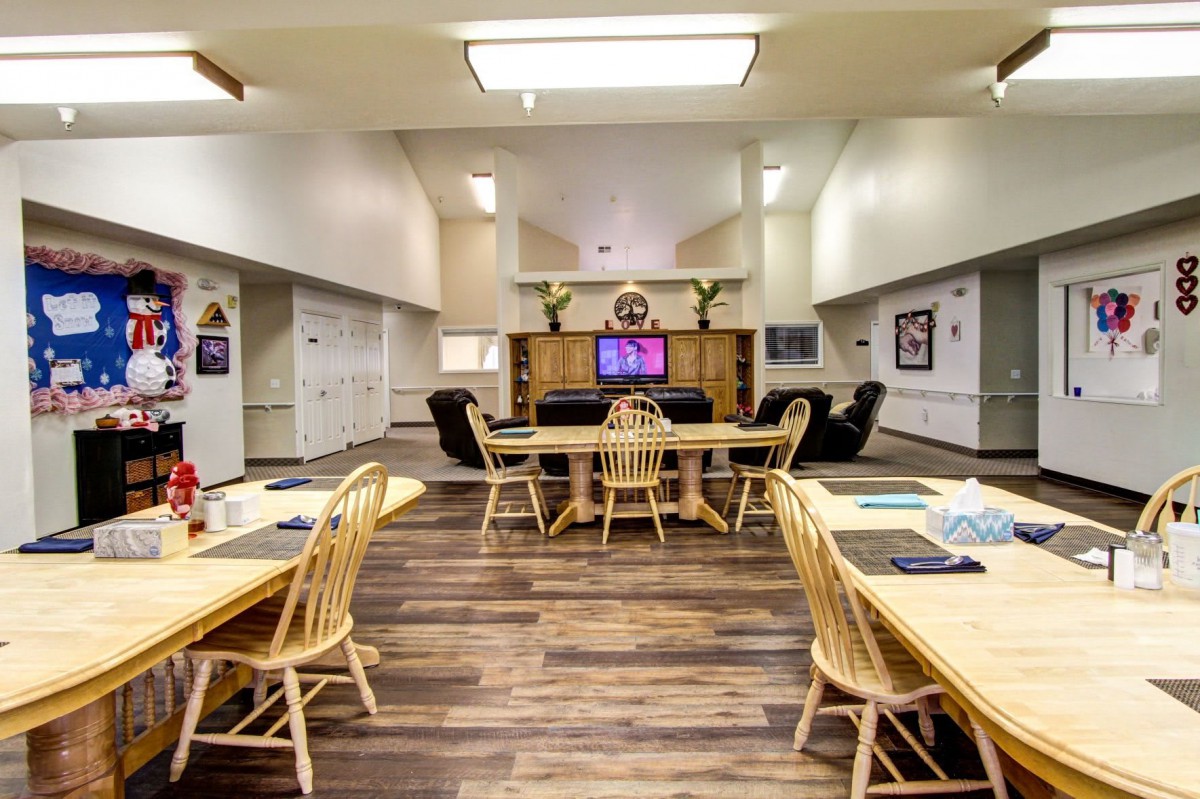
Beehive Homes of Santaquin is best suited for families seeking a small, home-like assisted living where caregivers know residents by name and care feels genuinely personal. The community shines for seniors who prefer a peaceful, intimate setting over a large campus, and who value steady routines, warm interactions, and staff who treat residents with kindness and respect. It especially fits those who need daily support with activities of daily living while wanting to stay closely connected with loved ones and maintain a sense of home. For families navigating memory challenges, the approach appears nurturing and patient, offering a comfortable option where residents can feel secure and valued.
Those who may want to consider alternatives include families prioritizing high-acuity medical supervision or 24/7 on-site nursing coverage, or those seeking robust, hospital-level rehabilitation services. Larger campuses with extensive on-site programming, more diverse activity calendars, or formalized memory-care wings may feel more suitable for residents with complex medical needs or for families seeking a bustling, more clinical environment. Proximity to certain towns, a preference for more expansive facilities, or the desire for a broader array of amenities could steer some families toward different communities.
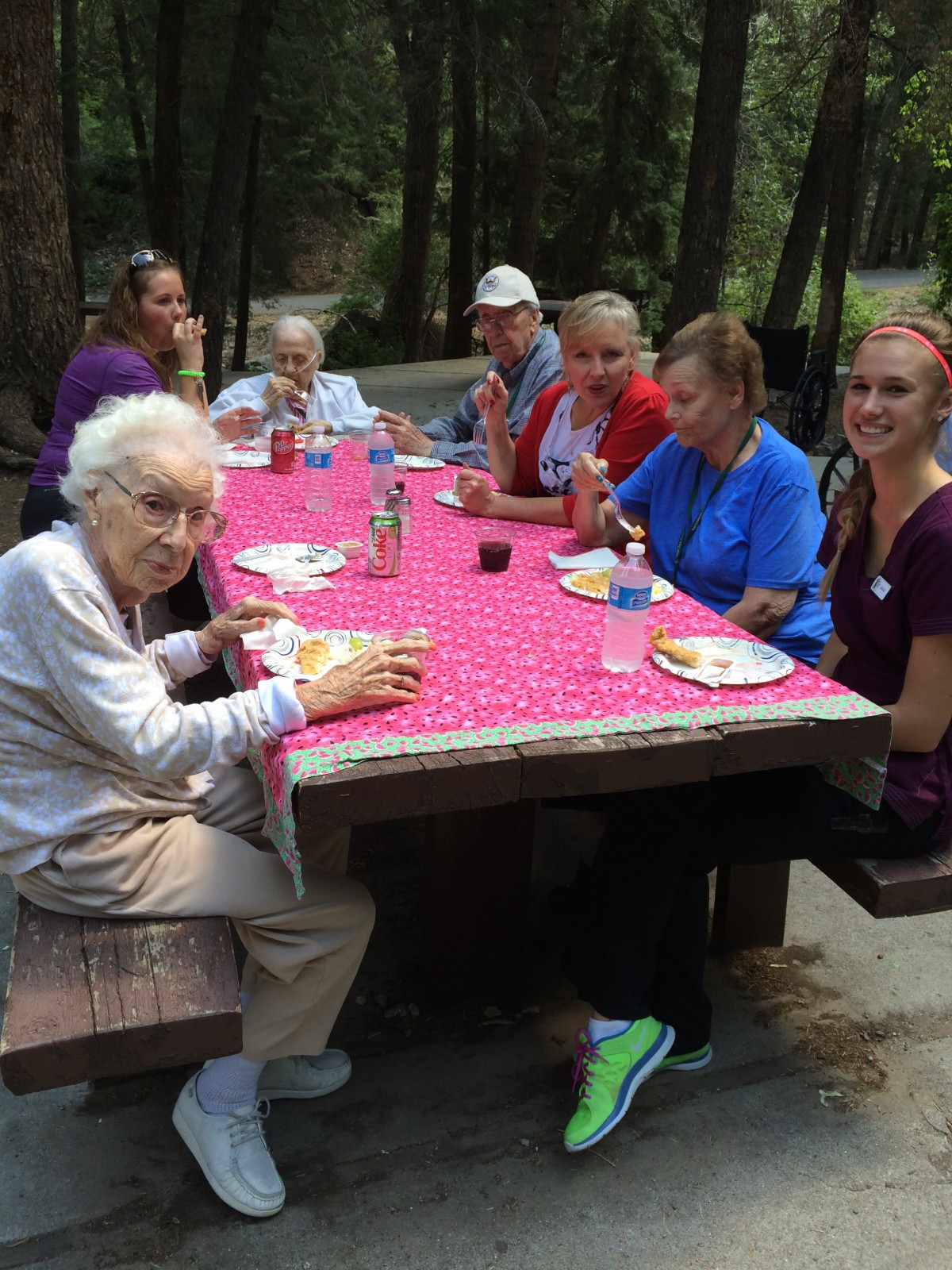
The strongest advantages center on staff demeanor and the everyday quality of care. Reviews describe pleasant, professional teams that handle routine tasks with competence and a steady, compassionate presence. Residents are depicted as being treated with genuine respect and love, not just as clients. Families consistently note the ability to visit easily and to participate in important routines, including mealtime, which reinforces a sense of inclusion and continuity. The setting’s intimate size supports individualized attention, enabling staff to spot changes in health or mood quickly. Dementia care is approached with patience and warmth, avoiding impatience and emphasizing a dignified, person-centered approach.
The main cons are not numerous, but they exist in the form of a minority voice and the natural tradeoffs of a smaller operation. A single low rating hints at variability in experiences, though it stands in stark contrast to the overwhelmingly positive feedback. The small-house model may offer less breadth in on-site programming and medical resources than larger facilities, which could matter for residents with diverse or highly demanding needs. For families seeking a wide array of activities, frequent field trips, or extensive clinical services, Beehive might feel more limited.
Nevertheless, the pros offset these potential drawbacks for most families because the core strengths, consistency, compassion, and a true sense of home, address the heart of what matters in assisted living. The staff’s ability to form real connections with residents and involve families in daily life strengthens trust and reduces caregiver strain. The gentle, dementia-friendly approach helps residents remain engaged without friction, while the home-like atmosphere minimizes the sense of transition that often accompanies a move to care. In practical terms, warmth and reliability compensate for any limits in programming or scale, making Beehive a compelling option for those who prize personalized, humane care.
For families weighing next steps, Beehive Homes of Santaquin deserves serious consideration if the priority is a quiet, intimate setting with dependable staff and a nurturing culture. A careful site visit is essential to observe staff-resident interactions, assess floor plans and room options, and verify the level of medical oversight and memory-care capability. Ask about staff-to-resident ratios, daily activity offerings, and how family involvement is incorporated into meals and routines. Clarify pricing, inclusions, and policies around updates and communications. If a small, homey environment with consistently loving care aligns with the resident’s needs and family expectations, Beehive stands out; if a larger campus with expansive programming or more intensive medical services is required, exploring other options remains prudent.
 Assisted Living
 Memory Care
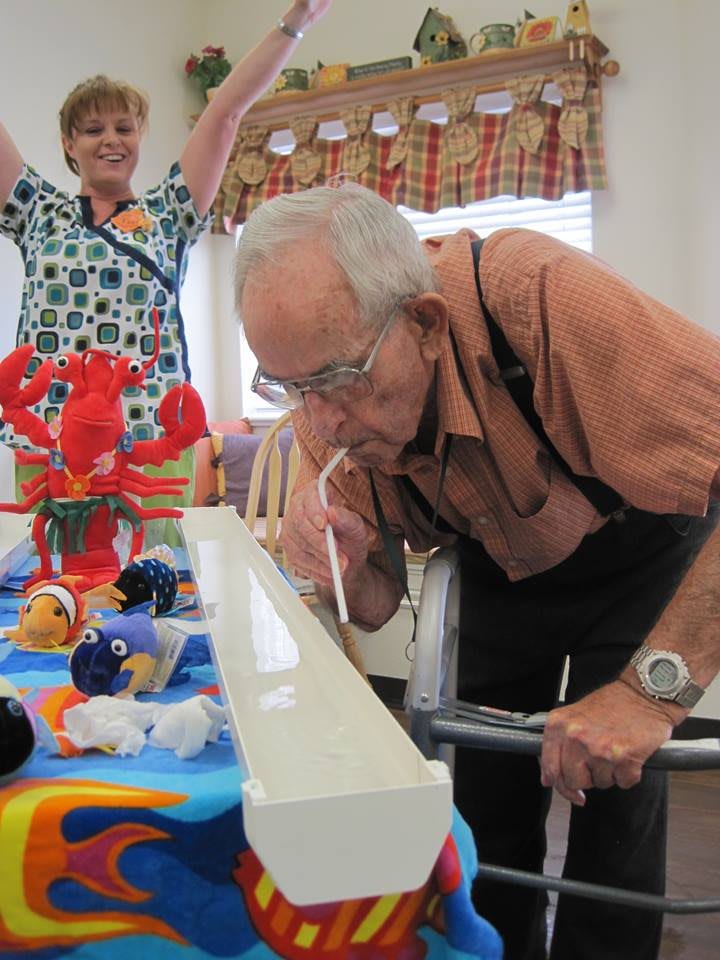
 Activities off-site
 Air-conditioning
 Beautician on-site
 Cable or satellite TV
 Devotional services on-site
 Indoor common areas
 Outdoor common areas
 Respite or short term stays offered
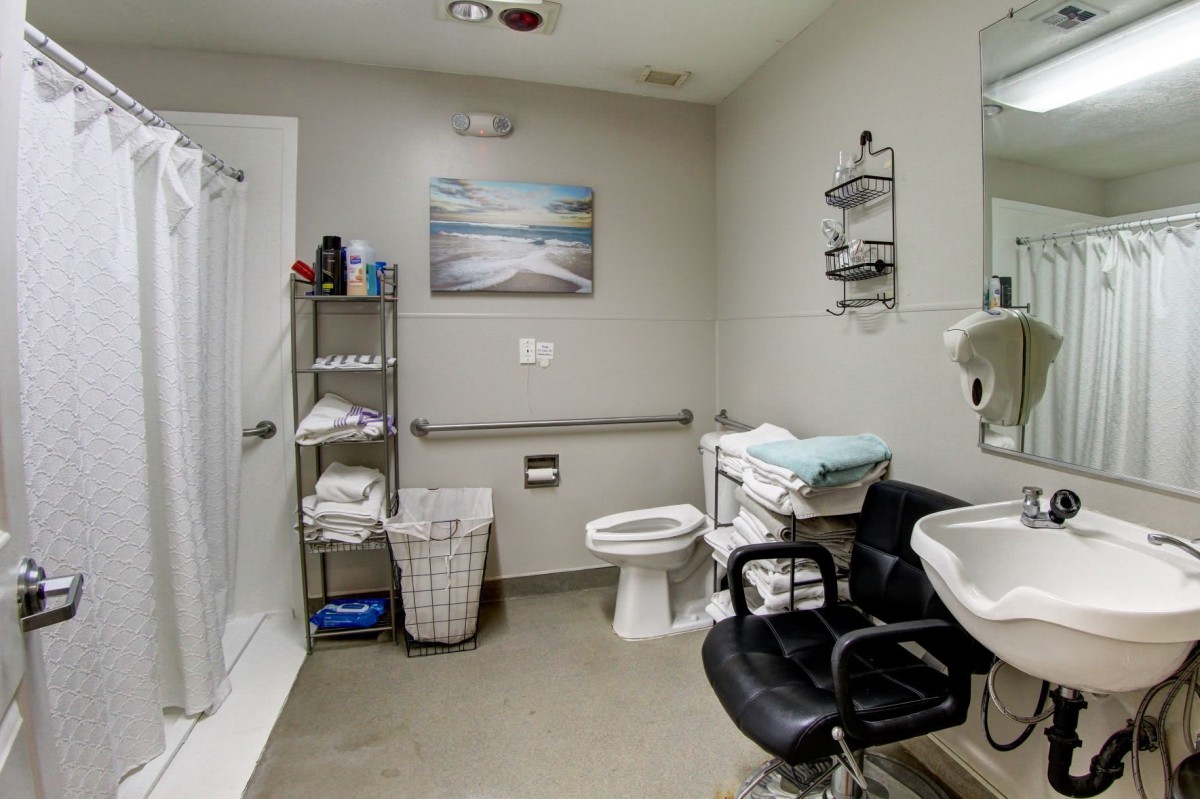
 Wheelchair accessible showers
 Ambulatory care
 Diabetic care
 High acuity care
 Incontinence care
 Medication management
 Gluten-free
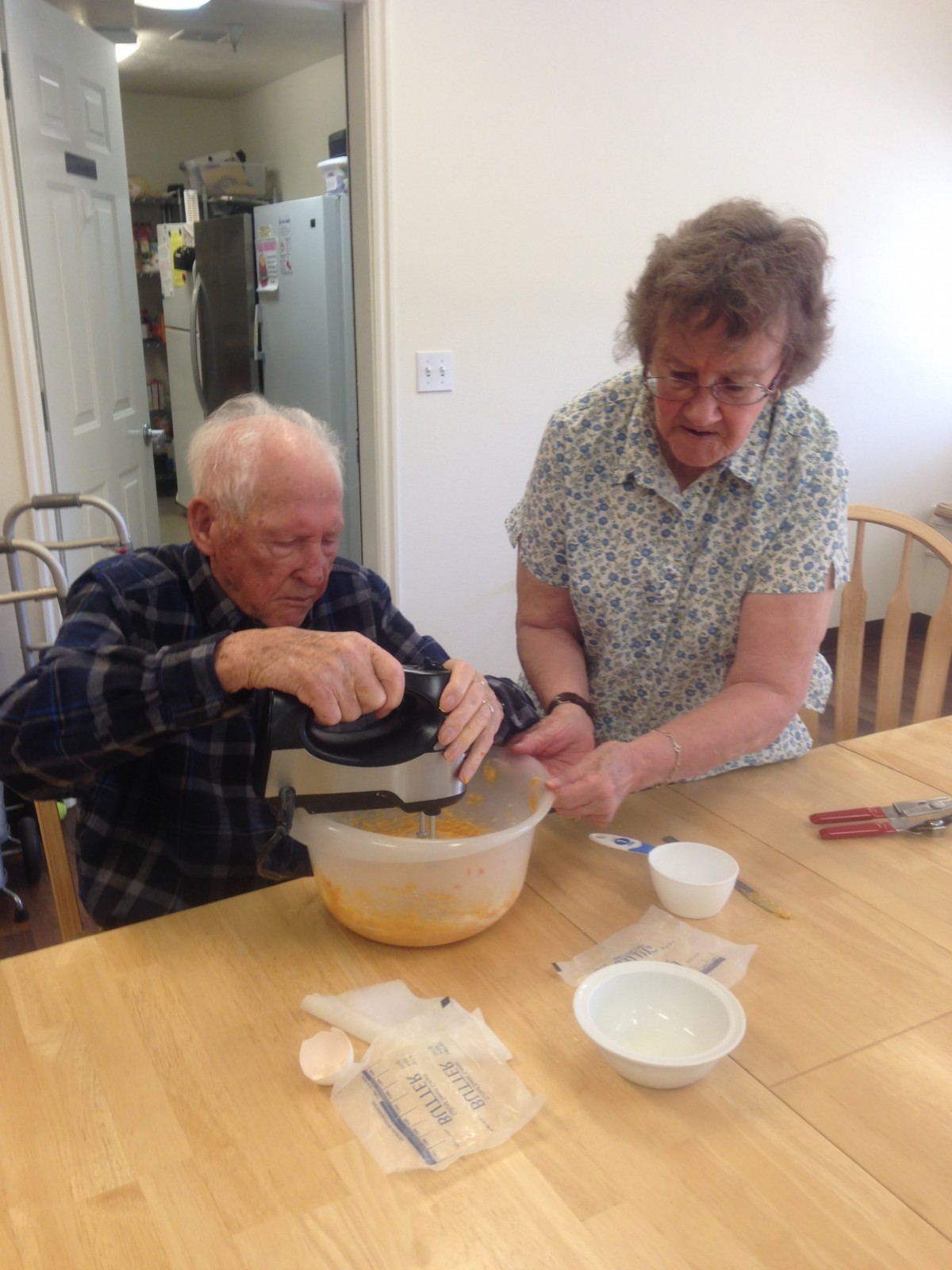
 Cooking classes
 Day trips and outings
 Gardening club
 Karaoke
 Live dance or theater performances
 Live musical performances
 Mormon/LDS services
 Stretching classes
 Trivia games
 Wii bowling


 Comprehensive Guide to VA Nursing Homes: A Crucial Long-Term Care Resource for Veterans
 Estimating the Expenses of At-Home Dementia Care: A Detailed Exploration
 Comprehensive Insights on the Late Stages of Dementia: What to Expect and How to Provide Care