Neurorestorative Texas is an assisted living community in Tyler, TX.
Information last verified:
15717 North Mountain View Road, Tyler, TX 75708
For more information about senior living options: (866) 208-4318
4.2 from 33 reviews
5 stars
25
4 stars
0
3 stars
2
2 stars
1
1 stars
5
Overall Review of Neurorestorative Texas
common22 reviews mention this
Staff are consistently caring
Families and residents repeatedly describe the staff as kind, caring, and responsive to their needs.
Many reviews emphasize how approachable and compassionate the staff feels day to day, from office and case management through nurses, therapists, and housekeeping. Several reviewers also mention friendliness and helpfulness during difficult moments, including communication about care and progress. Even in critical reviews, a few specific staff members are singled out as genuinely supportive.
common18 reviews mention this
Rehab therapy supports meaningful progress
Residents describe therapy teams that help with recovery and functional gains.
A recurring theme is that therapy is active and tied to goals, with reviewers describing improvements in mobility, speech-related outcomes, and day-to-day functioning. Multiple families also note that different therapy disciplines work together, and that therapists encourage progress over the course of treatment. A small number of reviews are less positive, describing therapy sessions they felt were not challenging enough or not carried out as expected.
caveat4 reviews mention this
Understaffing and turnover are concerns
Some reviewers raise concerns about staffing levels and consistency of day-to-day care.
Several critical reviews point to staffing shortages, high turnover, and uneven attention to patients. Some describe issues such as inadequate care, problems with equipment or safety, and lack of follow-through on goals. While other reviews paint a very different picture, these concerns come through clearly from multiple negative experiences.
common2 reviews mention this
Meals are generally well received
Reviewers mention that meals are served on time and taste good.
A couple of reviews describe positive dining experiences, including meals being served on schedule and the food being good. These mentions are limited compared with topics like therapy and staff, but they still show up in resident and family feedback.
How we summarize
Counts show how many written reviews mention each theme; a review can touch several themes, and only frequently mentioned themes are displayed.
Features
Housing
4 resident community capacity
Types of Care
Assisted Living
Board and Care Home
Amenities
Cable or satellite TV
Dining room
Fully furnished
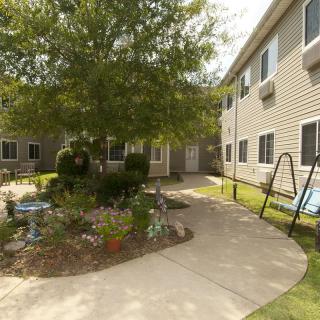
Garden
Housekeeping services
Move-in coordination
Outdoor space
Telephone
Wi-Fi/high-speed internet available
Transportation
Tyler Pounds (15 miles away)
Care Services
24-hour supervision
Activities of daily living assistance
Assistance with bathing
Assistance with dressing
Assistance with transfers
Coordination with health care providers
Diabetes diet
Meal preparation and service
Medication management
Special dietary restrictions
Transportation arrangement (medical)
Transportation to doctors appointments
Dining
Diabetes diet
Special dietary restrictions
Activities
Community-sponsored activities
Scheduled daily activities
Nearby Places of Interest
Pharmacies
Whitehouse Pharmacy (3 miles)
Brookshire's Pharmacy (3.3 miles)
Super 1 Foods Pharmacy (5.9 miles)
Family First Pharmacy (7.2 miles)
Smart Rx Pharmacy (7.6 miles)
Drug Emporium (7.7 miles)
Red River Pharmacy LTC of Tyler (7.8 miles)
Restaurants
Sonic Drive-In (3.2 miles)
FD's Grill House (5.7 miles)
Abuelo's Mexican Restaurant (5.8 miles)
Coach's and Cowboy's (5.8 miles)
Piada Italian Street Food (5.9 miles)
Braum's (7 miles)
Razzoo's Cajun Cafe (7.1 miles)
Parks
Oasis South Park (5.1 miles)
Faulkner Park (6.4 miles)
Theaters
SMG Tyler (5.6 miles)
Times Square Movie Theater (8.2 miles)
Physicians
Stanton Optical (5.8 miles)
Trinity Clinic-Broadway (6.3 miles)
Broadway Commons (6.3 miles)
Azalea Orthopedics (6.4 miles)
SoundLogic (6.9 miles)
Ear, Nose & Throat Associates of East Texas (6.9 miles)
The transition from assisted living to skilled nursing care is often prompted by complex medical needs that assisted living cannot meet, with key indicators including frequent health declines, increased falls, severe memory issues, and caregiver burnout. Families should recognize these signs early to discuss options with healthcare providers and prepare for the emotional and logistical aspects of moving to a facility that offers comprehensive medical support.
Vibrant Senior Living emphasizes active senior living communities that promote independence and engagement through diverse amenities and activities, fostering wellness and social interaction among older adults. These communities range from independent to assisted living, with a focus on personal growth, family involvement, financial planning, and leveraging technology to enhance residents' experiences.
Transitioning from assisted living to memory care is driven by an individual's cognitive decline and specific needs, requiring careful evaluation of indicators like increased confusion and wandering. The process involves consulting medical professionals, researching suitable communities, considering financial and legal aspects, and ensuring effective communication for personalized care plans.
Get PricingAsk A QuestionSchedule A TourContact Senior Advisor
By clicking submit, you agree to our Partner's Terms of Use. You
also consent to receive calls and texts, which may be autodialed, from our Partner. Your consent is not a condition to
using our Partner's service. Please visit our Partner's Privacy Policy for information about their privacy practices.

 4 resident community capacity
 Assisted Living
 Board and Care Home
 Cable or satellite TV
 Dining room
 Fully furnished
 Garden
 Housekeeping services
 Move-in coordination
 Outdoor space
 Telephone
 Wi-Fi/high-speed internet available
 Tyler Pounds (15 miles away)
 24-hour supervision
 Activities of daily living assistance
 Assistance with bathing
 Assistance with dressing
 Assistance with transfers
 Diabetes diet
 Meal preparation and service
 Medication management
 Special dietary restrictions
 Transportation arrangement (medical)
 Transportation to doctors appointments
 Wide range of amenities and 24-hour care (supervision, dining, activities, transportation).






 8 Key Indicators That Suggest It May Be Time to Transition from Assisted Living to Skilled Nursing Care
 Vibrant Senior Living: A Comprehensive Guide for Active Older Adults
 When to Transition from Assisted Living to Memory Care: Key Indicators, Steps, and Finding the Right Community