For more information about senior living options: (866) 208-4318
3.9 from 25 reviews
5 stars
18
4 stars
0
3 stars
0
2 stars
1
1 stars
6
Linda's TLC Personal Boarding Home Care Costs & Pricing
At Linda's TLC Personal Boarding Home Care, we pride ourselves on providing affordable and compassionate care tailored to individual needs. Our monthly costs for a private room are set at $2,700, which notably undercuts the average rates in Bexar County at $3,627 and across Texas at $4,096. For those considering semi-private accommodations, our rate is $3,000, also competitive compared to Bexar County's average of $3,488 and Texas's state average of $3,680. We believe these pricing options reflect not just accessibility but also our commitment to delivering high-quality care in a nurturing environment.
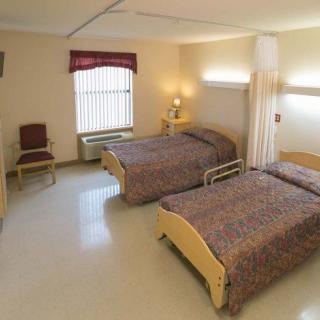
Floor plans
Linda's TLC Personal Boarding Home Care
Bexar County
Texas
Private
$2,700
$3,627
$4,096
Semi-Private
$3,000
$3,488
$3,680
Senior living communities with a similar price nearby
from -$100 / mo
Adult Private Care Home
5 from 30 reviews
$2,600 / month
7.9 miles away
from -$200 / mo
The Golden Years Care Home
5 from 23 reviews
$2,500 / month
16.6 miles away
from -$200 / mo
Happy Living Care Home
5 from 20 reviews
$2,500 / month
11.8 miles away
from -$500 / mo
Cyprusgreen At Home Assisted Living
5 from 20 reviews
$2,200 to $3,000 / month
21.2 miles away
from +$100 / mo
Faith Home
5 from 13 reviews
$2,800 to $3,000 / month
6.2 miles away
Overall Review of Linda's TLC Personal Boarding Home Care
common15 reviews mention this
Staff feel compassionate and personal
Residents and families frequently describe the care as compassionate, respectful, and family-like.
Many reviews emphasize feeling safe and truly cared for, with staff treating residents with kindness and respect. Several families describe caregivers as patient and attentive, going beyond basic tasks and communicating with them as needs changed. Even when reviews are critical, they tend to focus on care outcomes rather than blaming the intent or attitude of the people providing day-to-day support.
common9 reviews mention this
Home comfort and cleanliness stand out
Reviews frequently mention a warm, peaceful home setting and clean living spaces.
A recurring theme is that the home feels welcoming and comfortable, with residents’ needs handled in a steady, organized way. Multiple reviews point to cleanliness and a well-kept environment, along with a layout that supports residents having their own space. Several reviewers also describe the home as beautiful and peaceful, especially during short-term stays or end-of-life timeframes.
common5 reviews mention this
Hospice and end-of-life support
Hospice care appears to be a part of residents’ experiences at this home.
Some families describe hospice coming in alongside the home’s care, and they credit the combined support for keeping loved ones comfortable. Reviews also mention end-of-life planning and advocacy, including coordination with nurses and spiritual support such as a chaplain in at least one case. A small number of highly critical reviews dispute how hospice is handled, framing it as a negative experience rather than comfort-focused care.
caveat4 reviews mention this
Serious concerns about medications
Some reviews raise serious concerns about medication management and related care outcomes.
Several critical reviews allege problems such as sedating medications without approval, giving opioids without informing family, and resulting harm. Those same reviews also describe bed sores and other declines, including claims that residents were not receiving enough to eat. Because these issues are described as severe and time-sensitive, they stand out as the biggest reason some families say not to recommend the home.
How we summarize
Counts show how many written reviews mention each theme; a review can touch several themes, and only frequently mentioned themes are displayed.
Features
Types of Care
Board and Care Home
Amenities
Private
Transportation
San Antonio International (8 miles away)
Care Services
Ambulatory care
Diabetic care
High acuity care
Nearby Places of Interest
Located in the northern part of San Antonio, Texas, this area offers a variety of healthcare options including physicians, pharmacies, and hospitals within a short distance. With multiple dining options ranging from fast food to sit-down restaurants, there is something to suit every taste. Nearby theaters provide entertainment options for residents looking to enjoy a movie outing. Places of worship are also easily accessible for those seeking spiritual nourishment. Parks and cafes offer opportunities for outdoor activities and socializing with neighbors. Convenient transportation options such as airports and rental car centers make traveling easy for seniors who may want to visit family or explore other areas. Overall, this part of San Antonio provides a well-rounded environment for senior living with access to essential services and amenities.
Physicians
Dr. Marlischa Hall-Jackson, DNP-FNP-C (0.2 miles)
North Central Federal Clinic (3.6 miles)
Sonterra Dermatology (3.7 miles)
Neurosurgical Associates (3.9 miles)
TruOrtho (3.9 miles)
San Antonio Kidney Disease Center (4 miles)
ABCD Pediatrics - Stone Oak (4.4 miles)
Pharmacies
Walgreens (0.3 miles)
CVS Pharmacy (0.3 miles)
CVS Pharmacy (2 miles)
Walgreens (2 miles)
Walgreens (3.4 miles)
CVS Pharmacy (3.5 miles)
Walgreens (3.8 miles)
Restaurants
BJ's Restaurant & Brewhouse (1.6 miles)
In-N-Out Burger (1.7 miles)
P. Terry's Burger Stand (1.8 miles)
Lupe Tortilla (1.9 miles)
Whataburger (2 miles)
Dog Haus Biergarten (2 miles)
Chili's Grill & Bar (4 miles)
Theaters
Alamo Drafthouse Stone Oak (1.6 miles)
Regal Northwoods (3.7 miles)
Places of Worship
Church of Jesus Christ of Latter Day Saints (2.7 miles)
Hope Church (2.9 miles)
Community Bible Church (3.1 miles)
Church of Jesus Christ of Latter Day Saints (3.2 miles)
Northrock Church (4 miles)
Abiding Presence Lutheran Church (5.8 miles)
Church of Jesus Christ of Latter Day Saints (8.1 miles)
Hospitals
Baptist Neighborhood Hospital (3.2 miles)
Baptist Health Systems (8.7 miles)
Cafes
Starbucks (3.5 miles)
Local Coffee (4.2 miles)
La Media Luna Cafe (6.2 miles)
Hatch 5 Market (7.2 miles)
Starbucks (7.9 miles)
Kung Fu Tea (8.2 miles)
Parks
Comanche Lookout Park (5.4 miles)
Bulverde Community Park (6.9 miles)
Rim Rock Park (7.9 miles)
Phil Hardberger Park (8.2 miles)
Phil Hardberger Dog Park (8.2 miles)
Transportation
Skyplace Center (7.9 miles)
Landmark Aviation (8.2 miles)
Southwest Airlines Cargo (8.5 miles)
American Airlines (8.5 miles)
San Antonio International Airport (SAT) (8.6 miles)
At Linda's TLC Personal Boarding Home Care, we pride ourselves on providing affordable and compassionate care tailored to individual needs. Our monthly costs for a private room are set at $2,700, which notably undercuts the average rates in Bexar County at $3,627 and across Texas at $4,096. For those considering semi-private accommodations, our rate is $3,000, also competitive compared to Bexar County's average of $3,488 and Texas's state average of $3,680. We believe these pricing options reflect not just accessibility but also our commitment to delivering high-quality care in a nurturing environment.
Weight training is vital for seniors to maintain muscle mass, bone density, and overall health, combating age-related declines through customized resistance exercises that enhance balance and well-being. Safe routines should start with realistic goals and proper form, while emphasizing gradual progress and consultations with healthcare providers to ensure safety and effectiveness.
The Sandwich Generation comprises adults managing the dual responsibilities of caring for aging parents and raising children, leading to significant emotional, logistical, and financial challenges. This situation is exacerbated by longer life expectancies and cultural expectations, necessitating effective coping strategies and support resources to alleviate caregiver stress and burnout.
The article highlights eight essential assistive devices that improve the independence and safety of older adults, addressing issues related to mobility, balance, vision, hearing, and dexterity. It emphasizes the importance of proper selection guided by healthcare professionals to enhance seniors' quality of life while allowing them to age in place.
Get PricingAsk A QuestionSchedule A TourContact Senior Advisor
By clicking submit, you agree to our Partner's Terms of Use. You
also consent to receive calls and texts, which may be autodialed, from our Partner. Your consent is not a condition to
using our Partner's service. Please visit our Partner's Privacy Policy for information about their privacy practices.

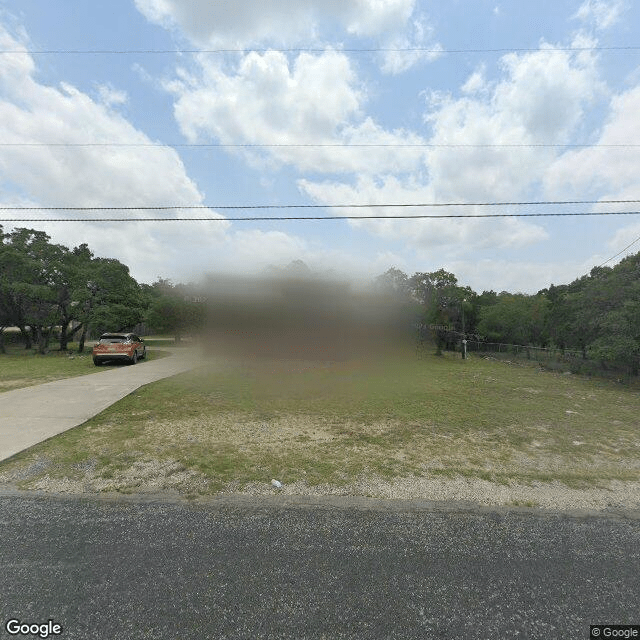

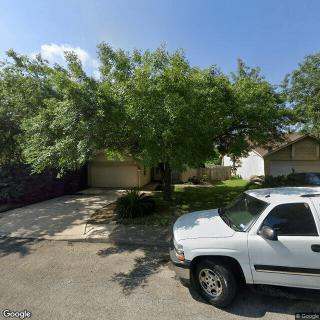
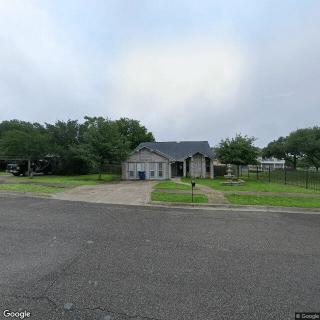
 Board and Care Home
 Private
 San Antonio International (8 miles away)
 Ambulatory care
 Diabetic care
 High acuity care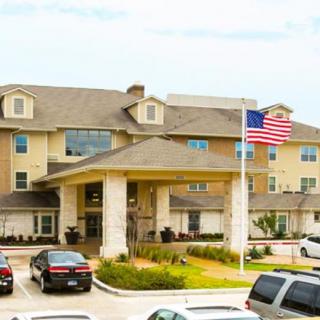
 Friendly staff, strong sense of community, and abundant on-site activities.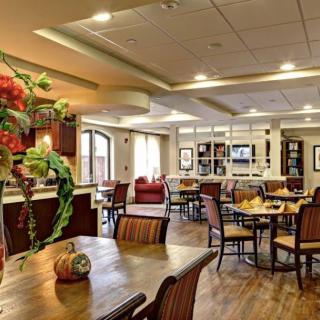
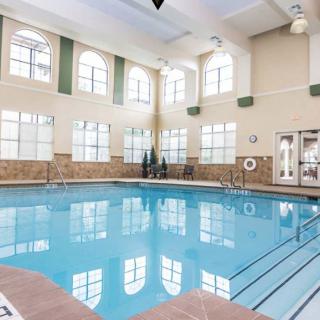
 Weight Training for Seniors: Building Strength and Vitality
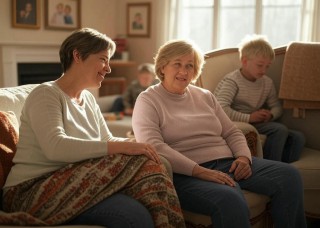 Understanding the Sandwich Generation: Stress and Responsibilities for Multigenerational Caregivers
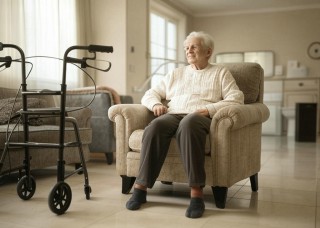 8 Essential Assistive Devices for Older Adults