
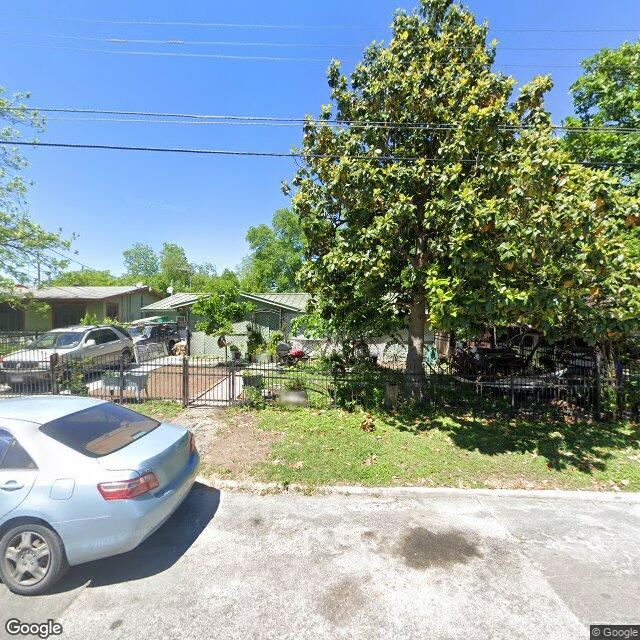
147 Croesus, San Antonio, TX 78213
For more information about senior living options: (866) 208-4318
Overall Review of Elisas Fostercare
Pros
 Lighthouse is with families every step of the way.
- Lighthouse truly cares for both the children and the foster parents.
- Families don’t feel rushed, judged, or pressured in decision-making.
- Families are grateful to be able to continue working with Lighthouse.
- Lighthouse treats foster families like family.
Cons
 Fostering has been the most rewarding but also a hard job for them to do.
Review
Elisas Fostercare in San Antonio is best suited for foster families who want a deeply supportive, partnership-driven experience. This program supports caregivers who value a hands-on, family-like culture where staff stay with them through the long and often demanding journey of fostering. The big win here is a sense that the people in charge are invested not only in the children but in the people who care for them, offering steady guidance rather than bureaucratic distance. For households that fear isolation during tough placements, this community provides a practical, emotionally intelligent framework: approachable mentors, ongoing reassurance, and a collaborative approach to tough decisions. When warmth, accessibility, and a culture that treats foster parents as part of the team matter most, Elisas Fostercare proves itself as a compelling choice.
Those who may want to consider alternatives are families that prioritize speed, a more clinical, transactional interface, or a less personalized relationship with their provider. If the objective centers on rapid placements, rigid timelines, or a highly formalized, objectivized process with less emotional latitude, looking at other networks or agencies could yield a different balance of structure and distance. Similarly, households that prefer a strictly professional boundary between staff and foster families, rather than a “family-like” atmosphere, might find the sentiment and pacing of Elisas Fostercare less aligned with their expectations. In short, the appeal here rests on connection and collaboration; if that tone isn’t a fit, other options may serve better.
The core pros center on care that feels genuine and comprehensive. The review repeatedly emphasizes that the people behind the program truly care for the children and equally care about the foster parents. That dual commitment translates into practical advantages: decisions aren’t rushed, judgments aren’t handed down from on high, and caregivers are invited to participate in the process with dignity and respect. The “treat you like family” ethos is more than rhetoric: it translates into a climate where questions can be asked without fear of reproach, where guidance is offered without pressure, and where the ongoing support helps bridge the gap between complexity and daily life. This experience matters because fostering, by its nature, is emotionally demanding, and a partner who can shoulder some of that weight makes a tangible difference.
The main con that naturally arises from the reviewed experience is the inherent difficulty of the work itself. Fostering is described as “the most rewarding but also hard job,” which signals potential emotional fatigue and high time demands. The offsetting strength lies in the supportive environment: a nonjudgmental stance, a willingness to walk through decisions at a comfortable pace, and a sense of shared purpose that reduces isolation. Families leaning into the program will likely find that the very aspects that make fostering feel intense, close collaboration, ongoing communication, and a communal problem-solving approach, become the buffer against burnout. In this sense, the pros don’t merely compensate for the cons; they redefine the experience into a more manageable, less solitary journey.
For decision-making, practical expectations matter. Prospective families should come prepared to engage actively: tap into the available mentorship, lean on the open channels for feedback, and leverage the steady guidance to navigate difficult placements. Those who thrive in a collaborative model, where parental instincts are respected and guidance arrives in a timely, accessible way, will likely appreciate the alignment. Conversely, if the aim is to minimize emotional involvement or to maintain a more detached, procedure-first stance, this community may feel overly intimate or time-intensive. The key is honest self-assessment: capacity for sustained emotional energy, readiness for constant learning, and a preference for a supportive, rather than hands-off, partnership.
Bottom line: Elisas Fostercare is a strong choice for families seeking a foster care environment that blends genuine care for children with a heartfelt commitment to caregivers. The pros, felt warmth, nonjudgmental collaboration, and a true “family” dynamic, offer meaningful offset to the demanding nature of fostering. For those who prize steady, personal support and a sense of solidarity in tough days, the community delivers tangible, reliable value. If, however, a less personal touch, a quicker turnover, or a more formal, clinical stance is a red line, consider alternatives that balance structure with distance. In the right hands, this community can turn a challenging calling into a sustainable, rewarding partnership.
 4 resident community capacity
 Assisted Living
 Board and Care Home
 Cable or satellite TV
 Dining room
 Fully furnished
 Garden
 Housekeeping services
 Move-in coordination
 Outdoor space
 Telephone
 Wi-Fi/high-speed internet available
 San Antonio International (5 miles away)
 24-hour supervision
 Activities of daily living assistance
 Assistance with bathing
 Assistance with dressing
 Assistance with transfers
 Diabetes diet
 Meal preparation and service
 Medication management
 Special dietary restrictions
 Transportation arrangement (medical)
 Transportation to doctors appointments





 Understanding the True Cost of Assisted Living in 2025: A Comprehensive Guide
 Understanding Medicaid Coverage for Assisted Living: A Comprehensive Guide
 How and When Medicaid May Cover Assisted Living Costs