Brookdale Hamilton Wolfe in San Antonio, TX

Save

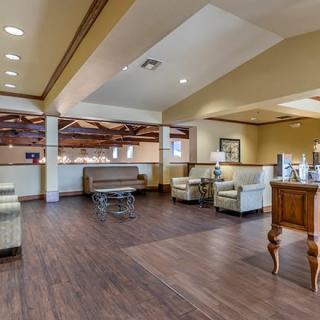
  • Interior

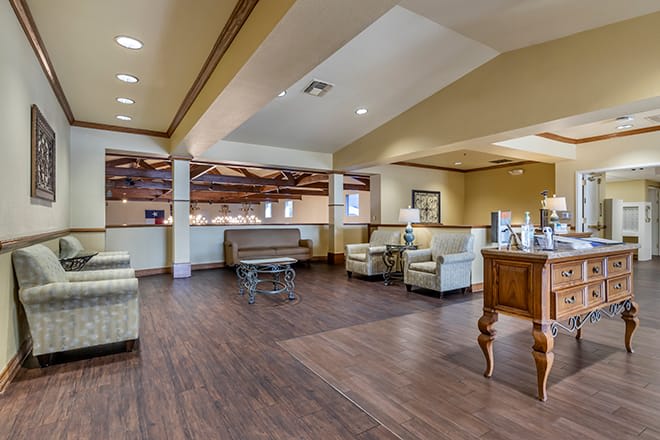
    A modern and spacious lobby area with comfortable seating and wood flooring.
  • Decor

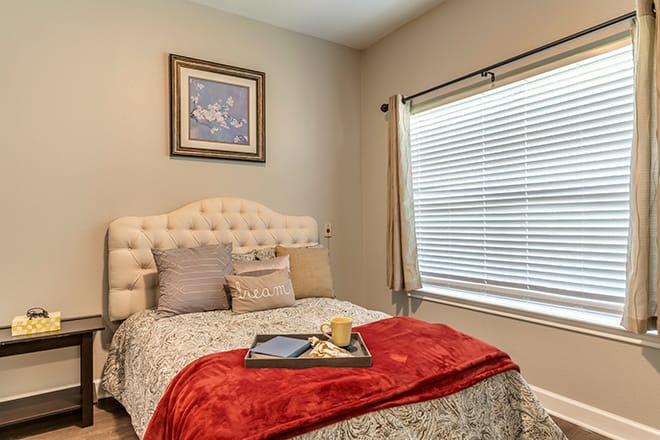
    A cozy bedroom with a neatly made bed, featuring decorative pillows and a red throw blanket, complemented by wall art and natural light from the window.
  • Living Room

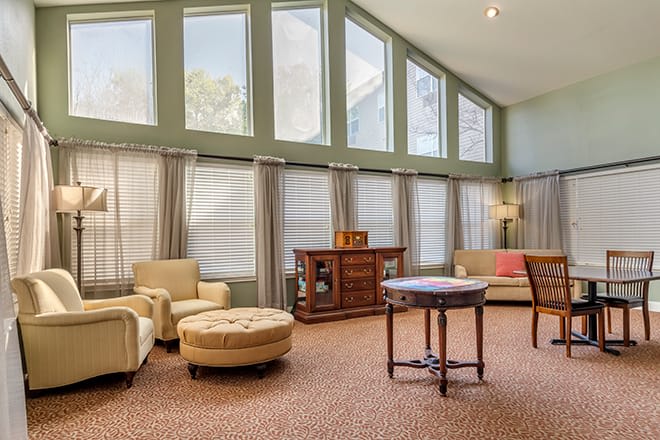
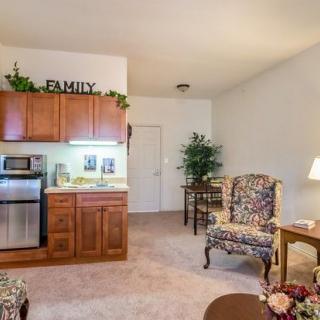
    A spacious living room with large windows, featuring modern neutral-colored furniture and abundant natural light.
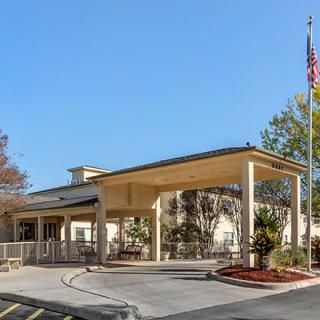
  • Building

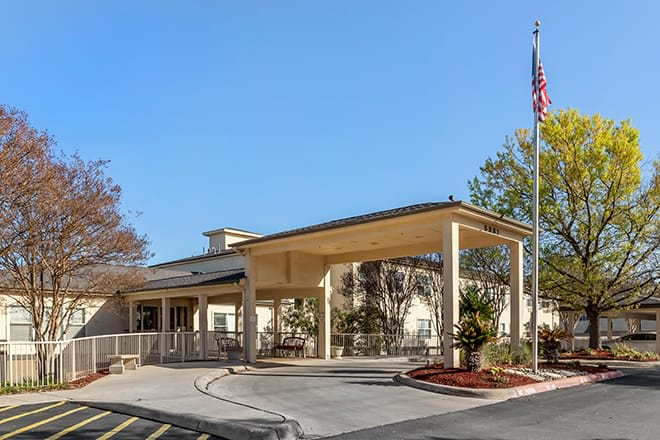
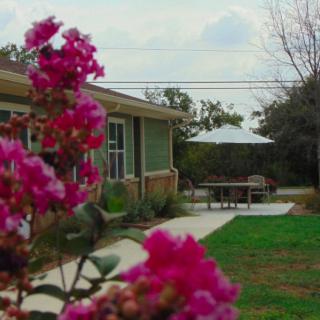
    A building entrance with a covered canopy, surrounded by landscaping and an American flag.
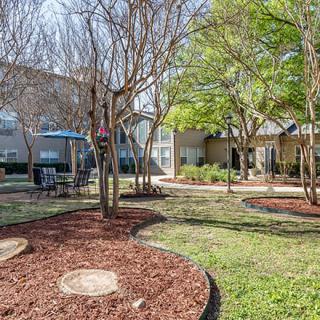
  • Trees

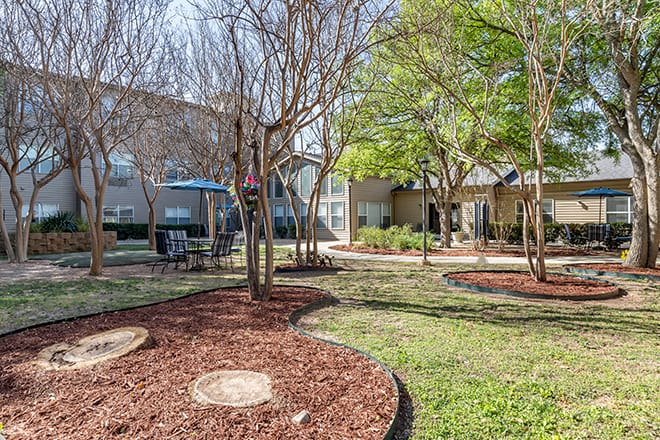
    A well-maintained garden area in an apartment complex with trees and seating.
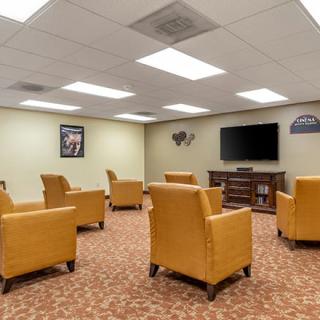
  • Lighting

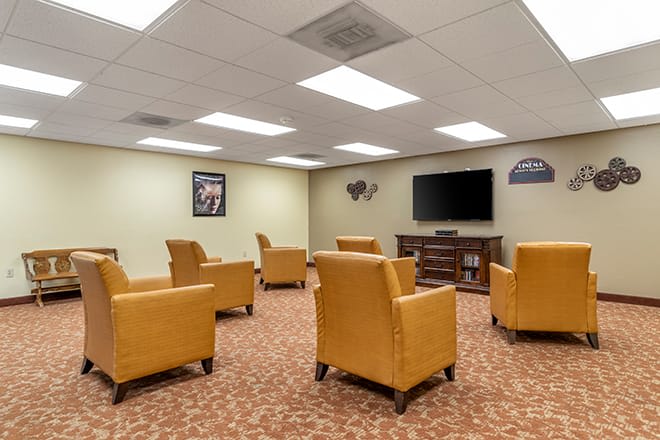
    A cozy lounge area with several yellow armchairs facing a television on the wall.
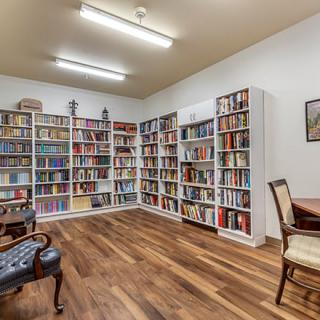
  • Bookshelves

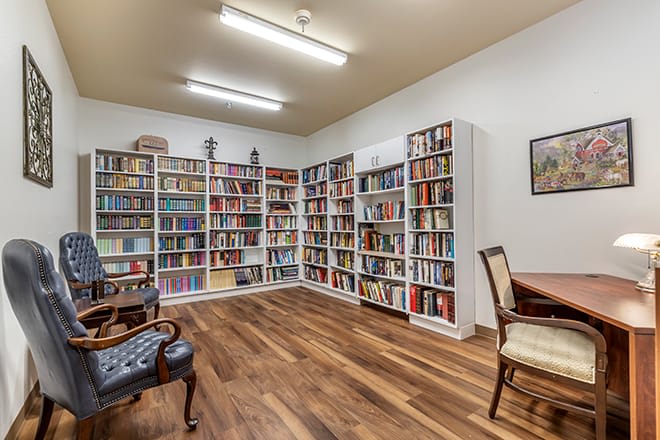
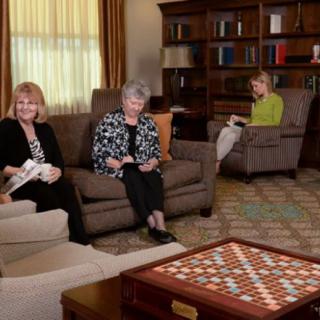
    A cozy library room with bookshelves lining the walls and comfortable seating.
  • Hardwood Floor

    Modern hair salon with styling chairs and mirrors on a hardwood floor.
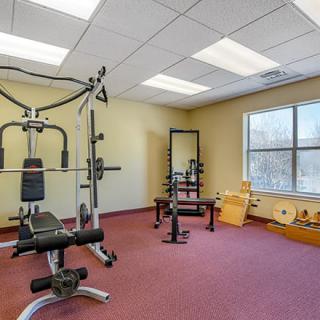
  • Exercise Equipment

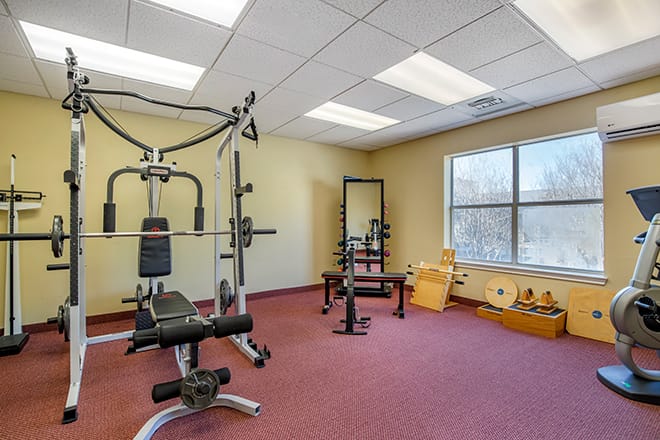
    A small gym room with various fitness equipment including a weight machine and free weights.

Brookdale Hamilton Wolfe in San Antonio, TX

5331 Hamilton Wolfe Road, San Antonio, TX 78229

For more information about senior living options: (844) 490-3973

4.2 from 120 reviews
5 stars
65
4 stars
34
3 stars
9
2 stars
7
1 stars
5

Assisted Living Memory Care

Brookdale Hamilton Wolfe Costs & Pricing

Brookdale Hamilton Wolfe offers competitive pricing for various room types compared to both Bexar County and the broader state of Texas. For instance, a studio at Brookdale is priced at $2,885, significantly lower than the county average of $3,708 and the state average of $3,758. Similarly, the one-bedroom option at $3,125 also benefits from a cost advantage over Bexar County's $3,506 and Texas's $3,761. Even in the semi-private category, Brookdale's rate of $3,645 aligns closely with the county but remains slightly above it. However, it's important to note that for two-bedroom accommodations, Brookdale's price of $6,205 exceeds both local and state averages. Overall, residents can find appealing options that cater to various budgets while enjoying amenities and services that enhance their living experience.

Floor plansBrookdale Hamilton WolfeBexar CountyTexas
Studio$2,885$3,708$3,758
1 Bedroom$3,125$3,506$3,761
Semi-Private$3,645$3,488$3,680
2 Bedrooms$6,205$3,962$4,215

Overall Review of Brookdale Hamilton Wolfe

Pros

  • pro The staff at Brookdale Hamilton Wolfe are caring, attentive, and go out of their way to help residents and families.
  • pro Residents have access to a wide range of activities and social events, keeping them engaged and connected.
  • pro The community feels like a welcoming, big family where residents are treated with warmth and respect.
  • pro The facilities are clean and well-kept, with inviting dining spaces and pleasant outdoor areas.
  • pro The food is frequently praised as good or fantastic by residents and families.
  • pro Transportation and outings are well organized, with convenient services to run errands and attend appointments.
  • pro Memory care is delivered by knowledgeable, compassionate staff who help residents live with dignity and purpose.
  • pro Families appreciate timely, informative communication from staff and leadership.
  • pro The environment feels safe and secure, with staff consistently available and engaged.

Cons

  • pro In a COPD emergency, staff took 10 minutes to arrive and had no medical equipment available.
  • pro The apartment had very little storage.
  • pro Memory care residents were warehoused in a stark, lockdown environment.
  • pro Administrative and medical leadership were distant, absent, and dismissive.
  • pro They were told to purchase their own insecticide to deal with a roach infestation.
  • pro The facility was expensive and did not accept Medicare.
  • pro Ring-the-bell charges were extra for everything.
  • pro There was a huge turnover of staff, leading to inconsistent care.
  • pro The layout was confusing to navigate, effectively placing visitors on the second floor.
  • pro An elderly relative was left on the toilet after a stroke and fell, with no one knowing for quite a while.

Review

Brookdale Hamilton Wolfe in San Antonio is best suited for families seeking a warm, community-focused environment with strong memory-care capabilities and a lively activity calendar. This is a good fit for residents who want daily programs, regular outings, and meaningful social interaction, all within a smaller, more intimate setting. The campus-style amenities - courtyard spaces, a theatre, library, fitness options, and on-site dining - foster a sense of belonging and routine. For seniors who value personalized attention, easy transportation to appointments and errands, and a clear path through assisted living to memory care as needs evolve, this community often delivers with noticeable warmth from staff and residents alike.

Those considering alternatives should flag several caveats. If modern, up-to-the-minute interiors matter, if larger apartment layouts are essential, or if a lower price point with tighter staffing guarantees is non-negotiable, this Brookdale location may feel dated or misaligned with expectations. Several reviews highlight higher turnover and staff strain, which can translate into variable consistency in care and service. Families who require robust, complaint-free transparency on billing, or who need a facility that is especially wheelchair-friendly with contemporary accommodations, should compare other options in the market and scrutinize the fine print before committing.

The strongest advantages here are the people, the programming, and the overall sense of care. Families repeatedly point to attentive staff who engage residents in meaningful ways, from regular check-ins to activity participation and family-inclusive events. The dining experience, volunteer-driven moments, and transportation services help residents stay connected to the community and to medical appointments. For memory care, many reviews emphasize a dedicated team that works with dementia-related needs, keeping residents engaged and respected, which translates to a higher quality of life for many families during challenging times. The facility's smaller scale and welcoming atmosphere amplify these strengths, making the campus feel like a big extended family.

Yet the set of cons cannot be ignored, and they temper the overall appeal. The facility's age and layout can feel less modern than newer campuses, with some mentions of maintenance issues (carpets, HVAC, and other wear) and occasional building upkeep concerns. Several families report staffing gaps or turnover that affect day-to-day care and response times, and a few residents encountered pest and cleanliness issues in specific units. Pricing emerges as a hot-button topic, with some reviewers alleging unexpected fees or higher-than-expected charges, especially when memory care is separated out as an a la carte add-on. For wheelchairs or mobility-heavy needs, a few comments underscore that accessibility and floor plan navigation can be challenging.

The key to weighing Brookdale Hamilton Wolfe lies in balancing the above factors against personal priorities. If social vitality, a robust activity slate, and attentive, family-connected care for memory-impaired loved ones are non-negotiable, the pros often offset the cons. The staff's ability to personalize activities and keep families informed, along with strong meal service and reliable transportation, can make the difference between a resident simply living there and truly thriving. On the other hand, if budget pressure, ongoing facility modernization, or ultra-consistent, 24/7 staffing is paramount, it is prudent to methodically compare with alternatives that score higher on those axes.

Prospective buyers should verify a few practical details before deciding. Confirm floor plans and privacy levels that suit mobility and housing needs, and investigate whether two-bedroom options are available if a couple wishes to stay together. Inspect the memory-care wing specifically to gauge safety, engagement, and the consistency of staffing at all shifts. Request a detailed, line-item bill to understand what is included and what requires extra payment, and ask about any upcoming renovations or current maintenance projects. Finally, talk with multiple current residents and families to understand how day-to-day care and programming actually feel on a typical week, not just during a tour.

In sum, Brookdale Hamilton Wolfe is a capable, compassionate choice for families prioritizing a community vibe, dementia-capable care, and frequent resident-focused activities. It excels where personal connection, meaningful programming, and convenient transportation matter most, and it often delivers a genuinely welcoming environment. It is less ideal for those who demand ultra-modern facilities, expansive private spaces, perfectly predictable staffing, or rock-solid price certainty without add-ons. For families with these latter priorities, exploring smaller, non-corporate options or other Brookdale campuses with different governance and financial structures will likely yield a tighter fit.

Features

Housing

  • 32 resident community capacity 32 resident community capacity
  • 1-bedroom apartments 1-bedroom apartments1-bedroom apartments are important for seniors because they provide a sense of independence, privacy, and autonomy while still offering the necessary space for comfortable living. These apartments allow seniors to maintain their own personal space and lifestyle preferences in a supportive community setting.
  • 2-bedroom apartments 2-bedroom apartments2-bedroom apartments are important for seniors because they provide extra space for guests, hobbies, and caregivers, as well as potential for additional income through roommates or rental.
  • Studio apartments Studio apartmentsStudio apartments are important for seniors because they offer a smaller, more manageable living space that is easier to navigate and maintain as physical abilities decline. Additionally, studio apartments provide seniors with independence and privacy while still being part of a community that offers support and social opportunities.

Types of Care

  • Assisted Living Assisted LivingAssisted living facilities provide crucial support and care for seniors who may need help with daily tasks such as medication management, bathing, and meal preparation. These communities offer a safe and comfortable environment where seniors can maintain their independence while receiving the assistance they need to thrive in their golden years.
  • Memory Care Memory CareMemory care is crucial for seniors as it provides specialized support and services for individuals with dementia or Alzheimer's disease. These programs offer a safe and secure environment where residents receive personalized care, cognitive stimulation, and help with daily activities. Memory care helps seniors maintain their independence, quality of life, and dignity while also providing peace of mind for their families.

Pets

  • Cats allowed Cats allowed"Pet friendly" senior living communities are important for seniors because pets provide companionship, reduce feelings of loneliness and depression, promote physical activity and mental stimulation, and offer a sense of purpose and responsibility. Pets can improve overall well-being and quality of life for seniors in many ways.
  • Dogs allowed Dogs allowed"Pet friendly" senior living communities are important for seniors because pets provide companionship, reduce feelings of loneliness and depression, promote physical activity and mental stimulation, and offer a sense of purpose and responsibility. Pets can improve overall well-being and quality of life for seniors in many ways.

Amenities

  • Activities off-site Activities off-siteEngaging in off-site activities is crucial for seniors to maintain social connections, stay active, and stimulate their minds. It promotes overall well-being and helps combat feelings of isolation and loneliness.
  • Activities on-site Activities on-siteActivities on-site are important for seniors because they provide opportunities for socialization, mental stimulation, physical activity, and overall well-being. Engaging in activities can help seniors stay active, maintain their independence, and improve their quality of life.
  • Air-conditioning Air-conditioningAir conditioning is important for seniors as they are more vulnerable to heat-related illnesses and may have underlying health conditions that make it difficult for them to regulate their body temperature. It helps to keep them comfortable, safe, and healthy in hot weather.
  • Beautician on-site Beautician on-siteHaving a beautician on-site at a senior living community is important for seniors as it allows them to easily access grooming and personal care services, boosting their self-esteem and overall well-being. It also provides convenience and helps seniors maintain their sense of independence and personal style.
  • Beauty salon Beauty salonBeauty salons are important for seniors because they provide a space for them to feel pampered, socialize, and maintain their personal grooming and hygiene. Regular visits to a beauty salon can help boost seniors' self-esteem and overall well-being.
  • Cable or satellite TV Cable or satellite TVCable or satellite TV is important for seniors because it provides entertainment, news, and companionship, helping to combat loneliness and boredom. It also offers a wide range of programming options tailored to different interests and preferences.
  • Devotional services off-site Devotional services off-siteDevotional services off-site are important for seniors as they provide spiritual nourishment, social engagement, and a sense of community outside of the senior living facility. This can enhance overall well-being and help combat feelings of isolation and loneliness often experienced by older adults.
  • Devotional services on-site Devotional services on-siteDevotional services on-site provide seniors with spiritual support and a sense of community, as well as an opportunity for reflection and guidance during their senior living experience. This can promote emotional well-being and connection to others, leading to a more fulfilling and enriching lifestyle in their later years.
  • Dining room Dining roomDining rooms are important for seniors as they provide a space for socialization, connection, and nutritious meals. They offer opportunities for residents to bond over shared meals, foster a sense of community, and promote healthy eating habits. Dining rooms also ensure that seniors have access to well-balanced meals tailored to their dietary needs and preferences.
  • Fully furnished Fully furnishedFully furnished senior living communities are important for seniors because they provide convenience, comfort, and a hassle-free moving experience. Seniors can easily settle into their new living space without the stress of having to buy and move furniture. This allows them to focus on enjoying their new home and community.
  • Garden GardenGardens are important for seniors as they provide a peaceful and therapeutic environment for relaxation, physical activity, and socialization. Being in nature has been shown to reduce stress, improve mood, and promote overall well-being. Gardens also offer opportunities for seniors to engage in gardening activities, which can improve mobility, flexibility, and cognitive function. Additionally, gardens create a sense of community and connection with others who share a passion for plants and outdoor spaces.
  • Ground floor units Ground floor unitsGround floor units are important for seniors because they provide easy accessibility, reduced risk of falls and injuries, and convenience for those with mobility issues. Seniors can avoid climbing stairs or using elevators, making daily tasks and activities more manageable and enjoyable.
  • Guest parking Guest parkingGuest parking is important for seniors because it allows their friends and family members to visit them easily and safely. Having convenient parking options can help combat feelings of isolation and loneliness, promote regular social interaction, and improve overall mental and emotional well-being for seniors in senior living communities.
  • Handicap accessible Handicap accessible"Handicap accessible" amenities are crucial for seniors to ensure they can easily navigate and access facilities, services, and activities without barriers or limitations due to physical impairments. This promotes independence, safety, and inclusivity for seniors in senior living communities.
  • Housekeeping services Housekeeping servicesHousekeeping services are important for seniors because they help maintain a clean and safe living environment, promote independence, and reduce the risk of accidents or illnesses. Additionally, having assistance with household chores can alleviate physical strain and allow seniors to focus on other aspects of their well-being.
  • Indoor common areas Indoor common areasIndoor common areas are crucial for seniors as they provide a space for socialization, recreation, and community engagement, promoting overall well-being and reducing feelings of isolation and loneliness.
  • Kitchenette KitchenetteKitchenettes are important for seniors living in senior living communities because they provide the convenience and independence of being able to prepare simple meals and snacks in the comfort of their own living space. This can help promote a sense of autonomy and well-being for seniors, allowing them to maintain some level of control over their dietary choices and daily routines.
  • Move-in coordination Move-in coordinationMove-in coordination is important for seniors because it helps ease the transition into their new living environment. It ensures that all logistics, such as packing, organizing movers, and setting up utilities are taken care of, allowing seniors to focus on settling in and adjusting to their new home. Having a smooth move-in process can alleviate stress and anxiety, making the transition smoother and more enjoyable for seniors.
  • Outdoor common areas Outdoor common areasOutdoor common areas are important for seniors as they provide a space for socialization, physical activity, and relaxation. Being outside in nature can improve mood and overall well-being, while also encouraging movement and engagement with others. These spaces can help combat feelings of isolation and promote a sense of community among residents.
  • Outdoor space Outdoor spaceOutdoor spaces are important for seniors as they provide opportunities for physical activity, social interaction, exposure to natural light and fresh air, and a sense of connection to nature. Having access to outdoor spaces can improve overall well-being and quality of life for older adults living in senior communities.
  • Overnight guests Overnight guestsOvernight guests provide companionship, social engagement, and emotional support for seniors in senior living communities. They can help reduce feelings of loneliness, isolation, and boredom, while also promoting mental well-being and overall quality of life. Additionally, overnight guests can offer a sense of familiarity and comfort for seniors who may be transitioning into a new living environment.
  • Party space Party spaceHaving access to party space is important for seniors as it provides opportunities for socialization, connection, and enjoyment. These spaces allow seniors to celebrate special occasions, host gatherings with friends and family, and participate in community events, enhancing their overall well-being and quality of life.
  • Pet friendly Pet friendly"Pet friendly" senior living communities are important for seniors because pets provide companionship, reduce feelings of loneliness and depression, promote physical activity and mental stimulation, and offer a sense of purpose and responsibility. Pets can improve overall well-being and quality of life for seniors in many ways.
  • Resident parking Resident parkingResident parking is crucial for seniors in a senior living community as it provides convenience, accessibility, and safety for residents who may have limited mobility or rely on personal vehicles for transportation. Having designated parking spaces ensures that seniors can easily access their homes without having to walk long distances or navigate crowded parking lots, ultimately enhancing their overall quality of life and sense of independence.
  • Respite or short term stays offered Respite or short term stays offeredRespite or short term stays provide seniors with a temporary solution when their regular caregiver is unavailable, offering them the opportunity to receive additional care and support during times of need, while also giving caregivers a chance to rest and recharge.
  • Telephone TelephoneTelephones are important for seniors as they provide a lifeline for communication with loved ones, emergency services, and healthcare providers. They offer a sense of security and independence, enabling seniors to stay connected and access assistance when needed.
  • Wheelchair accessible showers Wheelchair accessible showersWheelchair accessible showers are crucial for seniors as they provide a safe and independent bathing option for those with mobility challenges. These showers help prevent falls and allow seniors to maintain their dignity and autonomy while ensuring they can bathe comfortably.
  • Wi-Fi/high-speed internet available Wi-Fi/high-speed internet availableWi-Fi/high-speed internet is important for seniors to stay connected with loved ones, access online resources, and participate in virtual activities to combat feelings of loneliness and isolation. It also allows them to easily manage healthcare needs, access entertainment, and engage in lifelong learning opportunities.

Transportation

  • San Antonio International (7 miles away) San Antonio International (7 miles away)
  • Transportation & parking Transportation & parkingTransportation and parking are vital for seniors as they offer access to essential services, activities, and social interactions. Reliable transportation options can help seniors maintain independence, stay connected within their community, and enjoy a higher quality of life. Additionally, convenient parking facilities ensure that seniors can easily access necessary resources and amenities without added stress or difficulty.

Care Services

  • 24-hour call system 24-hour call system24-hour call systems are important for seniors because they provide peace of mind and immediate assistance in case of emergencies. This technology ensures that help is always available, promoting safety and security for elderly individuals living alone or in assisted living facilities.
  • 24-hour supervision 24-hour supervision24-hour supervision is important for seniors to ensure their safety, well-being, and access to immediate assistance in case of emergencies or health issues. This constant support provides peace of mind for both seniors and their loved ones, allowing them to age in place with dignity and security.
  • Activities of daily living assistance Activities of daily living assistanceActivities of daily living assistance are important for seniors because they provide essential support with tasks such as eating, bathing, dressing, and mobility. This assistance helps seniors maintain their independence, dignity, and overall quality of life as they age.
  • Ambulatory care Ambulatory care"Ambulatory care services provide essential medical support and treatment to seniors without requiring hospitalization, allowing them to maintain their independence and quality of life while managing chronic conditions or receiving routine medical care."
  • Assistance with bathing Assistance with bathingAssistance with bathing is crucial for seniors as it helps maintain personal hygiene, prevents infections, and ensures their overall well-being and comfort. It also provides a sense of dignity and independence for seniors who may struggle with this task on their own.
  • Assistance with dressing Assistance with dressingAssistance with dressing is important for seniors because it helps maintain their independence, promotes personal hygiene, prevents accidents and injuries, and improves overall quality of life. This service ensures that seniors can continue to dress comfortably and confidently, despite any physical limitations they may have.
  • Assistance with transfers Assistance with transfersAssistance with transfers is crucial for seniors as it helps prevent falls and injuries, maintains their independence, and ensures they can safely navigate their living environment. It also provides peace of mind for both seniors and their loved ones.
  • Coordination with health care providers Coordination with health care providersCoordination with health care providers is crucial for seniors to ensure proper medical care, medication management, and overall well-being. This collaboration helps prevent overlapping treatments, track progress more effectively, and provide comprehensive support tailored to individual needs.
  • Diabetes diet Diabetes dietA diabetes diet is crucial for seniors as it helps manage blood sugar levels, reduce risks of complications, and improve overall health and well-being. By following a balanced and nutritious diet tailored to their specific needs, seniors can better control their diabetes and enhance their quality of life.
  • Diabetic care Diabetic careDiabetic care is crucial for seniors as they are more susceptible to developing diabetes due to aging and other health conditions. Proper management of diabetes can help prevent complications such as heart disease, vision loss, and nerve damage, improving the overall quality of life for seniors in senior living communities.
  • High acuity care High acuity careHigh acuity care is important for seniors because it provides specialized medical attention and support for individuals with complex medical needs. This level of care ensures that seniors receive the appropriate treatment and assistance to maintain their health and quality of life as they age.
  • Incontinence care Incontinence careIncontinence care is essential for seniors to maintain their dignity, hygiene, and overall quality of life. By addressing incontinence issues promptly and effectively, seniors can enjoy a sense of independence and comfort in their daily activities.
  • Meal preparation and service Meal preparation and serviceMeal preparation and service are crucial for seniors as they may have limited mobility or energy to cook nutritious meals. Having access to healthy and convenient food options can ensure they are getting the proper nutrition needed to maintain their overall health and well-being.
  • Medication management Medication managementMedication management is crucial for seniors to ensure they are taking the right medications at the correct dosages and times. This helps prevent adverse drug interactions, reduces the risk of medication errors, and promotes overall health and well-being. Proactive management also allows for adjustments as needed based on changing health conditions or new prescriptions.
  • Mental wellness program Mental wellness programMental wellness programs are essential for seniors as they promote cognitive stimulation, emotional support, and social engagement. These programs help prevent isolation, depression, and cognitive decline, ultimately enhancing the overall quality of life for older adults.
  • Mild cognitive impairment Mild cognitive impairment"Mild cognitive impairment" is important for seniors because it is an early stage of cognitive decline that can potentially progress to more severe conditions such as dementia. Recognizing and addressing mild cognitive impairment can help seniors receive appropriate care and support to maintain their quality of life and independence for as long as possible.
  • Special dietary restrictions Special dietary restrictionsSpecial dietary restrictions are important for seniors because age-related changes in metabolism and health conditions can make it difficult for their bodies to process certain foods. By following a diet tailored to their specific needs, seniors can maintain their overall health and well-being, manage chronic conditions, and reduce the risk of complications such as malnutrition or food interactions with medications.
  • Specialized memory care programming Specialized memory care programmingSpecialized memory care programming is crucial for seniors with cognitive impairments such as dementia or Alzheimer's disease. These programs provide a safe and supportive environment tailored to the unique needs of individuals with memory loss, helping them maintain their independence, dignity, and quality of life.
  • Transportation arrangement (medical) Transportation arrangement (medical)Transportation arrangements for medical purposes are essential for seniors as they may have difficulty driving themselves to appointments or accessing public transportation. Having reliable and safe transportation options ensures that seniors can receive timely medical care and maintain their health and well-being.
  • Transportation to doctors appointments Transportation to doctors appointmentsTransportation to doctors' appointments is crucial for seniors as it ensures they have access to necessary medical care and support for their health needs. Without reliable transportation, seniors may struggle to attend important appointments, leading to potential delays in treatment and health complications. Providing transportation services helps seniors maintain their overall well-being and quality of life.

Dining

  • Diabetes diet Diabetes dietA diabetes diet is crucial for seniors as it helps manage blood sugar levels, reduce risks of complications, and improve overall health and well-being. By following a balanced and nutritious diet tailored to their specific needs, seniors can better control their diabetes and enhance their quality of life.
  • Guest meals Guest mealsGuest meals are important for seniors living in senior living communities because they provide an opportunity for socialization and companionship. Sharing a meal with friends, family, or new acquaintances can help combat feelings of loneliness and isolation, promote a sense of community, and enhance overall well-being. Additionally, guest meals allow seniors to enjoy delicious food in a comfortable setting without the hassle of cooking or cleaning up, making dining a pleasurable and stress-free experience.
  • Kosher KosherKosher options are important for seniors because they adhere to dietary laws that are significant to many Jewish individuals, providing them with peace of mind and an opportunity to maintain their cultural traditions and beliefs while living in a senior living community.
  • Low / no sodium Low / no sodiumLow/no sodium options are important for seniors because excessive sodium intake can lead to high blood pressure, heart disease, and other health issues commonly experienced by older adults. By choosing low/no sodium foods, seniors can better manage their health and reduce their risk of developing these conditions.
  • Meals provided Meals provided"Meals provided" are crucial for seniors in assisted living communities as it ensures they have access to nutritious, balanced meals without the stress of meal planning and preparation. This can help promote overall health and well-being for seniors who may have limited mobility or cognitive abilities.
  • No Sugar No SugarNo sugar diets are important for seniors because they can help prevent or manage chronic conditions such as diabetes, heart disease, and obesity. Sugar can also contribute to cognitive decline and inflammation in the body, so reducing sugar intake can lead to overall improved health and well-being in older adults.
  • Restaurant style dining Restaurant style diningRestaurant style dining is important for seniors as it offers them a social and enjoyable dining experience, promotes healthy eating habits, and provides personalized menu options to cater to their dietary needs and preferences. This type of dining setting can enhance their overall quality of life and create a sense of community within the senior living facility.
  • Room service Room serviceRoom service is important for seniors in a senior living community because it provides convenience and allows them to have their meals delivered directly to their room. This can be especially beneficial for seniors who may have mobility issues or difficulty accessing the dining area. Room service ensures that seniors are able to receive nutritious meals without having to navigate through the facility, allowing them to maintain their independence and overall well-being.
  • Special dietary restrictions Special dietary restrictionsSpecial dietary restrictions are important for seniors because age-related changes in metabolism and health conditions can make it difficult for their bodies to process certain foods. By following a diet tailored to their specific needs, seniors can maintain their overall health and well-being, manage chronic conditions, and reduce the risk of complications such as malnutrition or food interactions with medications.
  • Special dining programs Special dining programsSpecial dining programs are important for seniors because they provide nutritious meals tailored to their dietary needs and preferences. These programs also offer socialization opportunities, promote overall health and well-being, and can help prevent malnutrition.
  • Vegetarian VegetarianA vegetarian diet is important for seniors because it can help lower the risk of chronic diseases, maintain a healthy weight, and provide essential nutrients needed for aging bodies. Additionally, plant-based diets are often easier on digestive systems and can contribute to overall well-being in older adults.

Activities

  • Activities off-site Activities off-siteEngaging in off-site activities is crucial for seniors to maintain social connections, stay active, and stimulate their minds. It promotes overall well-being and helps combat feelings of isolation and loneliness.
  • Art classes Art classesArt classes are important for seniors because they provide a creative outlet, improve cognitive function, reduce stress and anxiety, promote socialization, and enhance overall well-being and quality of life.
  • Catholic services Catholic servicesCatholic services are important for seniors because they provide spiritual support, a sense of community, and opportunities for social interaction that can enhance overall well-being and quality of life in their later years.
  • Community-sponsored activities Community-sponsored activitiesCommunity-sponsored activities are important for seniors as they provide opportunities for social interaction, mental stimulation, and physical activity. These activities can help improve overall well-being, combat loneliness and isolation, and promote a sense of belonging and purpose among older adults.
  • Day trips and outings Day trips and outingsDay trips and outings are important for seniors as they provide opportunities for socialization, mental stimulation, physical activity, and a break from daily routines. These experiences can enhance overall well-being and quality of life for older adults living in senior communities.
  • Devotional activities offsite Devotional activities offsiteDevotional activities offsite are important for seniors because they provide social engagement, spiritual growth, and a sense of community outside of their living environment. This can improve overall well-being, mental health, and combat feelings of isolation or loneliness.
  • Devotional activities on-site Devotional activities on-siteDevotional activities on-site provide seniors with a sense of community, spiritual fulfillment, and emotional support, promoting overall well-being and a positive sense of purpose in their lives.
  • Educational speakers / life long learning Educational speakers / life long learningEducational speakers and lifelong learning opportunities are crucial for seniors as they provide mental stimulation, promote social engagement, and contribute to overall well-being. Continuous learning helps seniors stay mentally sharp, build new skills, and maintain a sense of purpose and fulfillment in their lives. It also allows them to stay connected to the world around them and fosters a sense of community within senior living facilities.
  • Fitness programs Fitness programsFitness programs are crucial for seniors as they help improve strength, flexibility, balance, and overall well-being. Staying active can reduce the risk of chronic diseases, improve mental health, and enhance quality of life in older adults.
  • Happy hour Happy hourHappy hour is important for seniors as it provides a social activity that promotes camaraderie and reduces feelings of loneliness or isolation. It also offers an opportunity for older adults to relax, unwind, and enjoy some drinks or snacks in a fun and welcoming atmosphere.
  • Live musical performances Live musical performancesLive musical performances can provide seniors with a sense of joy, nostalgia, and connection. Music has the power to evoke emotions and memories, improve mood and cognitive function, and foster social interaction among seniors. It can also serve as a form of therapy and stress relief for older adults, making it an important activity to include in senior living communities.
  • Live well programs Live well programs"Live well programs are essential for seniors as they provide opportunities for physical activity, social engagement, and mental stimulation, ultimately promoting overall health and well-being in later years."
  • Protestant services Protestant servicesProtestant services are important for seniors because they provide spiritual nourishment, community support, and a sense of belonging. These services can help seniors connect with others who share their faith, find comfort and guidance in times of need, and maintain a sense of purpose and fulfillment in their later years.
  • Religious services Religious servicesReligious services provide seniors with a sense of community, support, and spiritual fulfillment, which can improve their overall well-being and mental health. It also offers them opportunities for socialization and connection with others who share their beliefs.
  • Resident-run activities Resident-run activitiesResident-run activities are important for seniors as they encourage social interaction, creativity, and a sense of autonomy. These activities empower seniors to stay engaged and active in their community while fostering meaningful connections with their peers.
  • Scheduled daily activities Scheduled daily activitiesScheduled daily activities are important for seniors because they provide structure, socialization, mental stimulation, and physical activity. Engaging in regular activities can improve overall well-being and quality of life for seniors living in a community setting.
  • Visiting chaplain or priest Visiting chaplain or priestHaving a visiting chaplain or priest at a senior living community is important for seniors because it provides spiritual support, comfort, and guidance during a time of life that can be challenging and uncertain. Their presence can help seniors feel connected to their faith, find peace of mind, and cope with the emotional and mental struggles they may face in their later years.
  • Wine tasting Wine tastingWine tasting can be a fun and social activity for seniors, allowing them to engage their senses, learn about different varieties of wine, and potentially meet new friends. It also offers health benefits such as improved cognitive function and reduced risk of heart disease when consumed in moderation.

Languages Spoken

  • English EnglishEnglish is important for seniors as it allows them to communicate effectively with healthcare providers, understand important information related to their health and medications, stay connected with loved ones, and engage in social activities within their communities. It also opens up opportunities for lifelong learning and intellectual stimulation.

Description

Brookdale Hamilton Wolfe is an assisted living community located in San Antonio, TX. We offer comfortable and spacious 2-bedroom apartments as well as studio apartments for our residents to choose from. Our community specializes in providing exceptional memory care services.

At Brookdale Hamilton Wolfe, we strive to provide a wide range of amenities and services to enhance our residents' quality of life. Our residents can enjoy engaging activities right on-site, keeping them active and entertained. We also have a beautician and beauty salon available for our residents' convenience. Cable or satellite TV is provided in each apartment, and we offer both devotional services on-site and off-site.

Our dining options are tailored to meet the needs of our residents with special dietary restrictions such as diabetic care or low/no sodium diets. Meals are prepared by our talented chefs and served restaurant-style in our elegant dining room. Room service is also available for those who prefer to dine in the comfort of their own apartment.

We understand the importance of maintaining mental wellness, and that's why we offer a specialized memory care programming. We also provide assistance with daily living activities, medication management, coordination with healthcare providers, and transportation arrangements to medical appointments.

Brookdale Hamilton Wolfe is surrounded by various amenities nearby including cafes, parks, pharmacies, physicians' offices, restaurants, places of worship, theaters, and hospitals. With these conveniences just a short distance away, our residents have access to everything they need.

In summary, Brookdale Hamilton Wolfe offers an inviting assisted living community in which seniors can enjoy a comfortable lifestyle while receiving personalized care. With a focus on memory care and an array of amenities and services available, we aim to provide an enriching experience for all of our residents.

Nearby Places of Interest

This part of San Antonio, Texas, is a vibrant and diverse neighborhood with a strong focus on healthcare services. With several physicians' offices, pharmacies, and hospitals within close proximity, residents have convenient access to medical care. The area also offers a variety of dining options ranging from traditional Tex-Mex cuisine to Mediterranean fare. For recreation, there are nearby parks and volleyball courts for outdoor activities. Seniors looking to enjoy cultural experiences can visit theaters for movies and cafes for socializing over coffee. Overall, this neighborhood provides a range of amenities and services that cater to the needs of older adults seeking a comfortable and convenient living environment.

Physicians

  • Gastroenterology Consultants of San Antonio (0.3 miles)
  • Consultants in Pain Management (0.3 miles)
  • Aurora Clinic (0.8 miles)
  • Medical Center Ophthalmology Associates (0.8 miles)
  • Physicians Plaza II (1 miles)
  • Jefferson Family Practice (1.1 miles)
  • Alamo City Mri (1.2 miles)

Pharmacies

  • CVS Pharmacy (0.7 miles)
  • CVS Pharmacy (0.8 miles)
  • Walgreens (0.9 miles)
  • Walgreens (2.2 miles)
  • CVS Pharmacy (2.3 miles)
  • CVS Pharmacy (2.7 miles)
  • Walgreens (2.7 miles)

Hospitals

  • Foundation Surgical Hospital Of San Antonio (0.9 miles)
  • Audie L. Murphy Memorial VA Hospital (1 miles)
  • Audie L Murphy Memorial Veterans Hospital (1 miles)
  • University Hospital Sky Tower (1.1 miles)
  • St Luke's Baptist Hospital (1.1 miles)
  • University Hospital (1.1 miles)
  • Methodist Hospital (1.4 miles)

Restaurants

  • Alamo Biscuit Company & Panaderia (1 miles)
  • The Magnolia Pancake Haus (1.6 miles)
  • Pasha Mediterranean Grill (1.9 miles)
  • Mama Margies Mexican Restaurant (2 miles)
  • Syrian Kitchen (2 miles)
  • McDonald's (2 miles)
  • Jason's Deli (2.1 miles)

Parks

  • Medical Center Volleyball Courts (1.3 miles)

Theaters

  • Cinemark San Antonio 16 (2 miles)
  • Regal Huebner Oaks & RPX (2.3 miles)

Cafes

  • Starbucks (2.4 miles)

Places of Worship

  • St George Episcopal School (4.3 miles)
  • Primera Iglesia Bautista Mexicana-San Antonio (4.6 miles)
  • Masjed Beit El Magdes (4.8 miles)

Frequently Asked Questions

How much does it cost to live at Brookdale Hamilton Wolfe in San Antonio, TX?
What floor plans and room types does Brookdale Hamilton Wolfe offer?
Where is Brookdale Hamilton Wolfe?
Does Brookdale Hamilton Wolfe provide care for residents with dementia or Alzheimer's disease?
Does Brookdale Hamilton Wolfe allow residents to have pets?
What photos are available for Brookdale Hamilton Wolfe in San Antonio, Texas?

Nearby Communities

  • Remington Transitional Care Of San Antonio

    Remington Transitional Care Of San Antonio

    San Antonio, TX

    4.1 from 100 reviews
     

    pro Extensive amenities and 24/7 care.
  • Warm Springs Rehabilitation Hospital Of San Antonio

    Warm Springs Rehabilitation Hospital Of San Antonio

    San Antonio, TX

    4.1 from 100 reviews
     

    pro Small, personalized setting with comprehensive daily living and diabetes care.

  • Sorrento

    Sorrento

    San Antonio, TX

    4.2 from 140 reviews
     

    pro Strong rehab therapy (PT/OT) and clean, well-equipped facilities.

  • The Cottages On Danny Kaye (B)

    The Cottages On Danny Kaye (B)

    San Antonio, TX

    4.3 from 47 reviews
    $3,500 to $4,000 / month

    pro Small, family-owned setting with attentive staff and a sense of community.

  • The Cottages On Danny Kaye (A)

    The Cottages On Danny Kaye (A)

    San Antonio, TX

    4.2 from 42 reviews
     

    pro Caring, attentive staff in a clean, community-focused setting.

  • Northgate Health And Rehabilitation Center

    Northgate Health And Rehabilitation Center

    San Antonio, TX

    3.3 from 93 reviews
     

    pro Friendly, attentive staff and effective physical therapy.

  • The Waterford On Huebner

    The Waterford On Huebner

    San Antonio, TX

    4.5 from 284 reviews
    $2,100 to $3,110 / month

    pro Caring, communicative staff in a clean, welcoming environment with a robust activities program.

  • Timberhill Villa Retirement

    Timberhill Villa Retirement

    San Antonio, TX

    4.3 from 104 reviews
    $1,750 to $3,500 / month

    pro Friendly staff and engaging activities create a welcoming atmosphere.

  • The Gardens of Castle Hills

    The Gardens of Castle Hills

    San Antonio, TX

    4.4 from 110 reviews
    $2,695 to $4,295 / month

    pro Caring staff, warm community, and high-quality dining.

Assisted Living in Nearby Cities

Related Resources

  • active senior livingVibrant Senior Living: A Comprehensive Guide for Active Older Adults

    Vibrant Senior Living emphasizes active senior living communities that promote independence and engagement through diverse amenities and activities, fostering wellness and social interaction among older adults. These communities range from independent to assisted living, with a focus on personal growth, family involvement, financial planning, and leveraging technology to enhance residents' experiences.

  • assisted living vs memory careAssisted Living and Memory Care: Understanding Their Core Differences

    Assisted living provides moderate support for seniors seeking independence, while memory care offers specialized support for individuals with dementia or cognitive impairments through structured routines and trained staff. Key differences include care approaches, environment security measures, staff training levels, activity types, and cost considerations.

  • assisted living vs nursing homeChoosing the Right Senior Care: A Detailed Exploration of Assisted Living and Nursing Homes
    Choosing between assisted living and nursing homes involves evaluating emotional and financial factors, with assisted living offering independence and support for daily activities at a lower cost, while nursing homes provide intensive medical care for individuals with significant health needs. The decision is influenced by personal preferences, health status, cognitive function, and varying Medicaid coverage across states.