
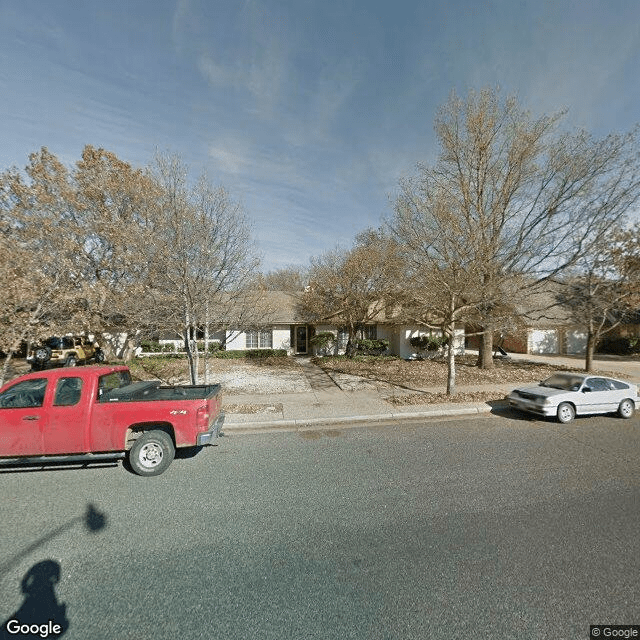
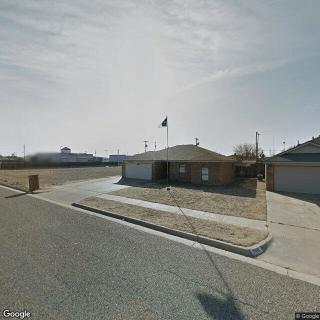
3012 81st Street, Lubbock, TX 79423
For more information about senior living options: (866) 208-4318
Promiseland Assisted Living III Costs & Pricing
Promiseland Assisted Living III offers a competitive pricing structure for its private rooms, with a monthly cost of $3,000. This rate is significantly lower than both the average costs in Lubbock County, which stands at $4,211, and the state average for Texas, estimated at $4,096. By providing quality care at a more accessible price point, Promiseland Assisted Living III positions itself as an attractive option for families seeking affordable assisted living solutions without compromising on the quality of care and community support.
| Floor plans | Promiseland Assisted Living III | Lubbock County | Texas |
|---|---|---|---|
| Private | $3,000 | $4,211 | $4,096 |
Assisted Living communities with a similar price nearby
-
from +$500 / mo
Silvertop Assisted Living
$3,500 to $4,000 / month1.1 miles away -
from +$230 / mo
Vitality Living Shadow Hills
$3,230 to $4,095 / month6.3 miles away -
from +$450 / mo
Fountain Hills Assisted Living and Memory Care
$3,450 / month4.8 miles away -
from -$500 / mo
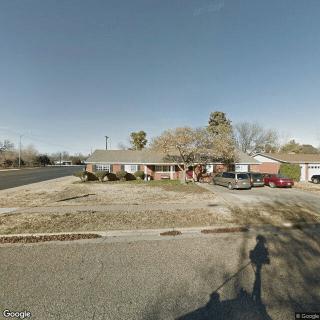
Promiseland Assisted Living
$2,500 to $3,000 / month2.6 miles away -
from +$200 / mo
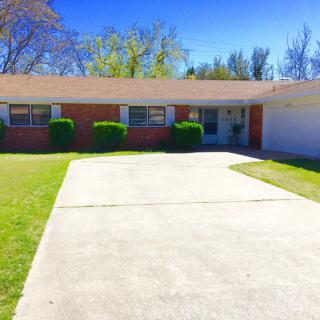
Golden Top Home Care & Assisted Living
$3,200 to $3,500 / month3.6 miles away
Overall Review of Promiseland Assisted Living III
Pros
 They are mentally alert.
 - They attend church every Tuesday.
- They enjoy bingo and music guests.
- They participate in regular social activities.
Cons
 They view the pricing as excessive, noting $4,000 with a bathroom, $3,600 for a hallway bathroom, and a $500 nonrefundable reservation/move-in fee.
- They consider the $500 nonrefundable reservation/move-in fee unfair.
- They believe the overall cost is too high for seniors.
Review
Promiseland Assisted Living III in Lubbock, Texas is best suited for seniors who want an intimate, faith-centered living environment where personalized attention feels achievable and daily life is anchored by a steady social routine. The small current census, three residents who are mentally alert and living with mobility needs, produces a homey, neighborhood-like atmosphere rather than a large campus feel. This community works well for individuals or couples who prioritize meaningful companionship, predictable schedules, and spiritual or church-based activities as core elements of daily life.
Families weighing this option should explicitly consider alternatives if higher-capacity social ecosystems, broader activity rosters, or more intensive medical oversight are priorities. A larger assisted living can offer a wider pool of potential friends and frequent programming, as well as expanded access to therapies or specialized care services. Likewise, if private living space with a private bathroom is nonnegotiable for every resident, or if memory care, high-acuity nursing, or robust rehabilitation services are needed, other communities may be a better fit.
On the upside, the strongest pro is the clarity and simplicity of the price structure paired with a practical living layout. With two pricing tiers, $4,000 for a unit with a private bathroom and $3,600 for a hallway bathroom, the model is straightforward and easy to compare against similar offerings in the region. The nonrefundable $500 move-in fee is modest in the landscape of senior housing, and it underscores a commitment to securing a settled, long-term residence. Beyond cost, the social fabric is robust for a small community: Tuesday church services, Bingo, live music guests, and other scheduled camaraderie create a sense of belonging that is hard to replicate in larger settings.
The daily rhythm at Promiseland III also delivers a tangible sense of warmth and continuity. The presence of scheduled religious and cultural activities aligns with residents who value familiar routines and faith-based engagement as essential components of well-being. For residents who thrive in shorter, well-defined social interactions rather than sprawling programming, these activities can provide both purpose and connection without the overwhelm that sometimes accompanies bigger campuses.
Yet the main drawbacks flow from the very attributes that make Promiseland III appealing. The current resident count of three means social variety and peer interaction will be naturally limited, and potential families must gauge whether the ongoing activity slate will remain engaging as needs evolve. Privacy dynamics, one key example is the option of a hallway bathroom versus a private one, may also matter to those who prize independence and quiet, particularly if visitors or caregiving routines rely on shared spaces. The absence of explicit information about specialized medical or therapeutic services leaves questions for families seeking advanced care or memory-care support.
Ultimately, the pros offset the cons when the decision centers on a compact, values-driven home rather than a full-service, all-encompassing campus. For households prioritizing a close-knit atmosphere, transparent pricing, and structured social life, with the comfort of faith-based activities guiding daily life, the positives are meaningful and tangible. The intimate setting enhances visibility into daily care, fosters genuine relationships among residents, and lends itself to a predictable, low-stress routine that can reduce confusion and anxiety.
The bottom-line recommendation is clear. Promiseland Assisted Living III is a strong match for seniors who want a small, engaged community with clear, affordable pricing and a steady cadence of church-backed and social activities. It is less suited for families seeking a large, highly diversified activity program, extensive rehabilitation services, or memory-care specialization within the same roof. Prospective movers should verify staffing levels, confirm the feasibility of private bathrooms for their unit, and assess the long-term viability of social programming as the resident mix evolves. With the right alignment, Promiseland III offers a warm, practical option that can deliver real comfort and companionship in a compact setting.
 6 resident community capacity
 Assisted Living
 Board and Care Home
 Activities on-site
 Cable or satellite TV
 Devotional services on-site
 Dining room
 Fully furnished
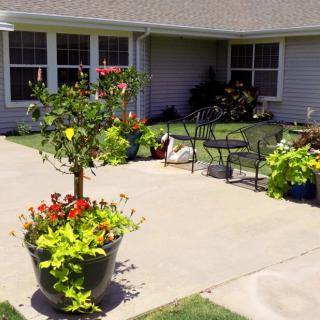
 Garden
 Housekeeping services
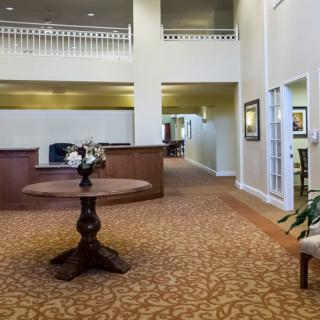
 Indoor common areas
 Move-in coordination
 Outdoor common areas
 Private
 Private bathrooms
 Respite or short term stays offered
 Telephone
 Wheelchair accessible showers
 Wi-Fi/high-speed internet available
 Lubbock International (10 miles away)
 24-hour supervision
 Ambulatory care
 Assistance with bathing
 Assistance with dressing
 Assistance with transfers
 Diabetes diet
 Diabetic care
 High acuity care
 Incontinence care
 Meal preparation and service
 Medication management
 Special dietary restrictions
 Transportation arrangement (medical)
 Transportation to doctors appointments

 Comprehensive Residential Support and Assisted Living Solutions for Individuals with Disabilities
 Comprehensive Supportive Living Arrangements for Adults with Disabilities
 Funding and Affording Assisted Living: A Thorough Overview