
3102 A Gilmer Road, Longview, TX 75604
For more information about senior living options: (866) 208-4318
Overall Review of Songbird Assisted Living A
Pros
 Trinity Timbers provides excellent care and keeps families informed about residents' needs.
- The staff are attentive, knowledgeable about signs of decline, and quick to report concerns, forming genuine relationships with residents.
- The environment is friendly, caring, and feels like home.
- The facility emphasizes safety and offers daily help with tasks, plus good meals.
- The staff are dedicated to residents' care and safety, with many long-tenured team members.
- The facility is clean and residents appear happy, with high-quality care for residents and patients.
- Leadership creates a home-like atmosphere and very personalized, one-on-one care in a smaller setting.
- Families describe the staff as loving, compassionate, and highly recommend Trinity Timbers.
Cons
 The facility was described as the worst in East Texas and not suitable to leave a family there.
- The executive director was described as extremely rude and unprofessional.
- A tour experience involved waiting 30 minutes while staff were disciplined, which was seen as disrespectful to visitors.
- The director reportedly slammed the door and criticized employees to others, creating a tense atmosphere.
- The reviewer said they would go somewhere else and not leave their family there.
Review
This community is best suited for seniors who want a small, home-like setting where staff know residents well and caregiving feels deeply personal. Reviews consistently describe a warm, intimate atmosphere where caregivers create real relationships, keep families informed, and treat everyday living as a collaborative, respectful experience. The strongest signal is the sense that care is not a checklist but a lived commitment: staff turnover appears low for a facility of this size, which translates into continuity of care, familiarity with routines, and quicker recognition of subtle changes in health or mood. For residents who value privacy within a cozy, almost domestic environment, this setting can feel like a true home rather than a medical campus.
Those who may want to consider alternatives include families prioritizing a larger community with more extensive, formal programming or a governance model with consistently brisk administrative responsiveness. A minority of reviews flag a troubling experience with leadership, an executive director described as rude and unprofessional during a tour, highlighting that administrative tone and conduct matter just as much as bedside care. For families who demand unwavering professional conduct from leadership and a transparent escalation path for concerns, it is prudent to compare several options and probe directly about governance, complaint resolution, and daily operations before committing. In short, anyone whose trust hinges on consistently polished admin communication should look beyond this facility.
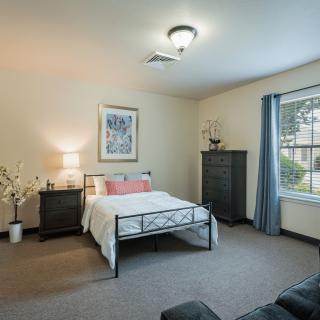
When the positives are weighed against the leadership friction reported by one family, the core strengths largely offset the main drawbacks for most residents. The facility’s size enables meaningful 1-on-1 attention, a feature repeatedly praised by residents and even visiting clinicians who note attentive, responsive staff. A home-like vibe is reinforced by small-group dynamics, with residents reporting good meals, tidy rooms, and staff who assist with laundry and daily tasks without feeling clinical or impersonal. Relationships with the administrative crew, especially the most accessible leaders, are cited as core to the experience, and a stable team tends to translate into dependable care day to day, particularly for residents navigating memory challenges or mobility limitations.
Yet the record is not flawless, and the caveats deserve careful attention. The negative review focusing on executive leadership suggests that a single discordant encounter can color a family’s overall impression of the facility, especially when impressions are formed during tours or transition visits. For families who rely on consistent, respectful communication from the top, that risk means verifying current leadership behavior, perhaps by scheduling face-to-face meetings with multiple managers beyond the person who conducts tours. Additionally, for those who expect a highly structured, formalized program, whether for memory care, complex medication management, or vigorous daily schedules, the smaller size and the dorm-like candidacy some residents mention may feel limiting at times. These are not universal experiences, but they are real tensions that should be investigated.
In practical terms, this community most benefits seniors who want a genuine sense of “home” with caregivers who remember names, preferences, and routines. The long-tenured staff, the emphasis on safety, and the pronounced commitment to cleanliness and personal care create a reliable daily rhythm that many families value highly. Prospective residents should use a structured visit to confirm that the leadership style matches expectations, ask about how concerns are escalated, how often families receive updates, and whether there are formal memory-care enhancements or dedicated staff training for dementia care. If alignment exists, the combination of warm, attentive care and a low-key, comfortable environment becomes the decisive advantage.
Ultimately, the decision hinges on fit. For the right resident, someone who appreciates a smaller, neighborly community, where caregivers forge strong, ongoing relationships and daily life feels like a well-supported extension of home, this setting offers substantial, practical benefits that translate into peace of mind for families and dignity for residents. If, however, a family needs a facility with a highly centralized administrative team, aggressive issue resolution, or expansive campus amenities, it is wise to benchmark against alternatives and press for clarity on governance and responsiveness. When match and management align, the choice presents a compelling path to safe, respectful, and warmly assisted living.
 13 resident community capacity
 Assisted Living
 Board and Care Home
 Cable or satellite TV
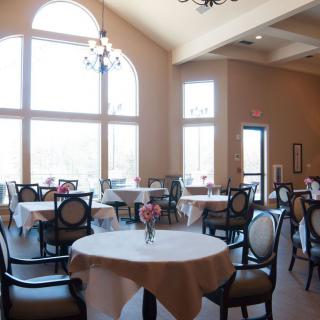
 Dining room
 Fully furnished
 Garden
 Housekeeping services
 Move-in coordination
 Outdoor space
 Telephone
 Wi-Fi/high-speed internet available
 Gregg County (12 miles away)
 24-hour supervision
 Activities of daily living assistance
 Assistance with bathing
 Assistance with dressing
 Assistance with transfers
 Diabetes diet
 Meal preparation and service
 Medication management
 Special dietary restrictions
 Transportation arrangement (medical)
 Transportation to doctors appointments






 Exploring the Contrasts Between Assisted Living and Skilled Nursing
 8 Key Indicators That Suggest It May Be Time to Transition from Assisted Living to Skilled Nursing Care
 Vibrant Senior Living: A Comprehensive Guide for Active Older Adults