Avalon Memory Care-Keller II

1137B Rufe Snow Drive, Keller, TX 76248

For more information about senior living options: (844) 490-3973

4.2 from 33 reviews
5 stars
24
4 stars
2
3 stars
0
2 stars
2
1 stars
5

Assisted Living

What level of care are you interested in?

Assisted Living

Memory Care

Independent Living

Skilled Nursing Facility

Continuing Care Retirement Community (CCRC)CCRC

Other


Request a tour at Avalon Memory Care-Keller II

    Overall Review of Avalon Memory Care-Keller II

    Pros

    • pro Michelle Strong was described as compassionate and knowledgeable, guiding families through the transition with patience.
    • pro The transfer from hospital to Avalon was seamless and easy, thanks to Avalon's staff.
    • pro Avalon's staff were kind, thoughtful, and attentive, making residents feel at home.
    • pro Avalon was considered a blessing and highly recommended by families.
    • pro The admissions process and transfers were smooth, with staff going above and beyond to assist.
    • pro Avalon's care, including end-of-life care, was described as excellent, with residents kept in good spirits and well cared for.
    • pro Despite staff turnover, the personnel were consistently kind, patient, and caring for residents.
    • pro Avalon's team was engaging, with coordinated care from physicians, hospice, and other providers, ensuring comprehensive support.
    • pro Avalon Memory Care Keller was highly recommended for compassionate care and supportive management.

    Cons

    • pro The staff turnover was frequent.
    • pro They weren't allowed in for months, so there was no way to check on him and his care.
    • pro The director at the time restrained the resident, which is not allowed.
    • pro He fell and hit his head and wasn't discovered for quite a while.
    • pro They would dress her in other people's clothes.
    • pro She never received her clothes back after laundering.
    • pro The music and videos in the common area were played so loud that residents couldn't carry on a conversation.
    • pro Some of the music and videos were inappropriate for elderly dementia residents.
    • pro For the amount of money paid, the care wasn't worth it.
    • pro The reviewer would not recommend Avalon at Keller.
    • pro She was dropped during a transfer, resulting in a broken femur and head injury, and she died a couple of months later.
    • pro The reviewer suspected that many reviews were paid rather than reflecting genuine experiences.

    Review

    Avalon Memory Care has been the site of a wide range of experiences for families as they navigated transitions, care needs, and end-of-life moments. Across the Keller and Edinburg locations, caregivers and administrators are repeatedly praised for compassionate, hands-on support that helps families feel known and reassured during very difficult times. In particular, the staff member Michelle Strong at the Keller facility frequently emerges as a standout source of guidance and empathy, with several families recounting how she helped them through planning, logistics, and the emotional aspects of moving a loved one into memory care. A common thread is that when emergencies or rapid moves arose - such as an expedited June move - Michelle and Avalon staff worked to make the transfer seamless, keeping communication open while prioritizing the loved one's comfort and safety.

    Several accounts highlight the personal, one-on-one attention that families associate with a successful transition into memory care. One reviewer described how Michelle walked them through every step of the process with kindness and patience, noting that compassion and knowledge were evident throughout. Another family shared that their husband spent two years at the Keller location, and the staff's kindness, thoughtfulness, and attentiveness helped the residence feel like a true home for him. In these stories, Avalon's approach is less about the facility as an institution and more about fostering a supportive community where residents can feel secure and engaged.

    Yet the experiences are not uniform, and some reviews raise significant concerns about safety, oversight, and consistency. One family recounts a difficult period during the height of the Covid-19 pandemic, noting that the director at the time restrained their husband, which they state is not allowed, and that he fell and hit his head without timely discovery. The reviewer points out that limited family access during lockdowns hindered timely checks on residents, underscoring the vulnerability that can accompany restricted visitation. This account stands alongside other comments about staff turnover and a lack of consistent oversight, suggesting that while many families felt cared for, others experienced gaps in safety and reliable monitoring.

    Other reviews paint a more mixed picture of day-to-day operations. Several families describe frequent staff turnover, missed belongings, and a sense that the value of care did not always align with the cost. One mother's clothes reportedly went missing or were reused, and loud music or videos in common areas were described as inappropriate or disruptive for residents with dementia. In these narratives, families express frustration with the perception that more could be done to ensure a calm, respectful environment and to protect residents' possessions and dignity.

    Despite these criticisms, there are also powerful, positive testimonials about end-of-life care and ongoing support. Avalon's care for a loved one in their final days is described as exemplary - never perfect, but "close to perfect" in the view of one family. Residents were kept in good spirits, not isolated, and the team was praised for understanding the needs of different stages of life, celebrating milestones, and striving to provide meaningful, comforting experiences in the final chapters. In another echo of gratitude, several families recount feeling that Avalon's broader ecosystem - physicians, hospice care, and end-of-life services - worked together seamlessly to deliver patient-centered care.

    The Edinburg location contributes its own set of heartfelt stories. One family praised the staff for their loving and dedicated care of a ninety-nine-year-old aunt, emphasizing Maurice and Rita and the entire team for creating a safe, gracious environment in those last days. Other families highlight lasting appreciation for management and nurses who offered consistent updates and reassurance during challenging times, especially when visiting was limited or when changes occurred in the residents' conditions. Across these comments, the theme is consistent: Avalon can provide a compassionate home where families feel supported and residents can maintain a sense of dignity and belonging.

    Taken together, the reviews reflect a facility that can be a lifeline for families facing difficult decisions, with many praising individual staff members - most notably Michelle Strong - for their empathy, clarity, and hands-on help. They also reveal real concerns that deserve attention: safety practices during transfers, the impact of staff turnover on continuity of care, and the experiences of families who felt their loved ones were not always treated with the level of care they expected or deserved. The spectrum ranges from gratitude and relief to frustration and alarm, illustrating the complex realities of long-term care and the profound trust families place in Avalon during some of life's most challenging moments.

    In the end, many families express deep appreciation for Avalon Memory Care Keller and Edinburg, even as they acknowledge areas for improvement. Several reviews emphasize consistent kindness, patient communication, and a sense that the facility can feel like a home rather than a hospital. For those navigating memory care placement, these accounts offer a nuanced picture: Avalon can be a beacon of support and compassionate care, especially when engaged staff members like Michelle Strong are involved, but there are also risks and obstacles that families should consider and discuss openly with the care team to ensure their loved ones receive the safest, most attentive care possible.

    Features

    Housing

    • 25 resident community capacity 25 resident community capacity

    Types of Care

    • Assisted Living Assisted LivingAssisted living facilities provide crucial support and care for seniors who may need help with daily tasks such as medication management, bathing, and meal preparation. These communities offer a safe and comfortable environment where seniors can maintain their independence while receiving the assistance they need to thrive in their golden years.

    Amenities

    • Beauty salon Beauty salonBeauty salons are important for seniors because they provide a space for them to feel pampered, socialize, and maintain their personal grooming and hygiene. Regular visits to a beauty salon can help boost seniors' self-esteem and overall well-being.
    • Cable or satellite TV Cable or satellite TVCable or satellite TV is important for seniors because it provides entertainment, news, and companionship, helping to combat loneliness and boredom. It also offers a wide range of programming options tailored to different interests and preferences.
    • Dining room Dining roomDining rooms are important for seniors as they provide a space for socialization, connection, and nutritious meals. They offer opportunities for residents to bond over shared meals, foster a sense of community, and promote healthy eating habits. Dining rooms also ensure that seniors have access to well-balanced meals tailored to their dietary needs and preferences.
    • Fully furnished Fully furnishedFully furnished senior living communities are important for seniors because they provide convenience, comfort, and a hassle-free moving experience. Seniors can easily settle into their new living space without the stress of having to buy and move furniture. This allows them to focus on enjoying their new home and community.
    • Garden GardenGardens are important for seniors as they provide a peaceful and therapeutic environment for relaxation, physical activity, and socialization. Being in nature has been shown to reduce stress, improve mood, and promote overall well-being. Gardens also offer opportunities for seniors to engage in gardening activities, which can improve mobility, flexibility, and cognitive function. Additionally, gardens create a sense of community and connection with others who share a passion for plants and outdoor spaces.
    • Housekeeping services Housekeeping servicesHousekeeping services are important for seniors because they help maintain a clean and safe living environment, promote independence, and reduce the risk of accidents or illnesses. Additionally, having assistance with household chores can alleviate physical strain and allow seniors to focus on other aspects of their well-being.
    • Kitchenette KitchenetteKitchenettes are important for seniors living in senior living communities because they provide the convenience and independence of being able to prepare simple meals and snacks in the comfort of their own living space. This can help promote a sense of autonomy and well-being for seniors, allowing them to maintain some level of control over their dietary choices and daily routines.
    • Move-in coordination Move-in coordinationMove-in coordination is important for seniors because it helps ease the transition into their new living environment. It ensures that all logistics, such as packing, organizing movers, and setting up utilities are taken care of, allowing seniors to focus on settling in and adjusting to their new home. Having a smooth move-in process can alleviate stress and anxiety, making the transition smoother and more enjoyable for seniors.
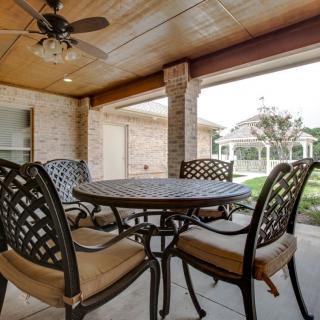
    • Outdoor space Outdoor spaceOutdoor spaces are important for seniors as they provide opportunities for physical activity, social interaction, exposure to natural light and fresh air, and a sense of connection to nature. Having access to outdoor spaces can improve overall well-being and quality of life for older adults living in senior communities.
    • Telephone TelephoneTelephones are important for seniors as they provide a lifeline for communication with loved ones, emergency services, and healthcare providers. They offer a sense of security and independence, enabling seniors to stay connected and access assistance when needed.
    • Wi-Fi/high-speed internet available Wi-Fi/high-speed internet availableWi-Fi/high-speed internet is important for seniors to stay connected with loved ones, access online resources, and participate in virtual activities to combat feelings of loneliness and isolation. It also allows them to easily manage healthcare needs, access entertainment, and engage in lifelong learning opportunities.

    Transportation

    • Dallas-Fort Worth International (11 miles away) Dallas-Fort Worth International (11 miles away)
    • Dallas Love (23 miles away) Dallas Love (23 miles away)

    Care Services

    • 24-hour call system 24-hour call system24-hour call systems are important for seniors because they provide peace of mind and immediate assistance in case of emergencies. This technology ensures that help is always available, promoting safety and security for elderly individuals living alone or in assisted living facilities.
    • 24-hour supervision 24-hour supervision24-hour supervision is important for seniors to ensure their safety, well-being, and access to immediate assistance in case of emergencies or health issues. This constant support provides peace of mind for both seniors and their loved ones, allowing them to age in place with dignity and security.
    • Activities of daily living assistance Activities of daily living assistanceActivities of daily living assistance are important for seniors because they provide essential support with tasks such as eating, bathing, dressing, and mobility. This assistance helps seniors maintain their independence, dignity, and overall quality of life as they age.
    • Assistance with bathing Assistance with bathingAssistance with bathing is crucial for seniors as it helps maintain personal hygiene, prevents infections, and ensures their overall well-being and comfort. It also provides a sense of dignity and independence for seniors who may struggle with this task on their own.
    • Assistance with dressing Assistance with dressingAssistance with dressing is important for seniors because it helps maintain their independence, promotes personal hygiene, prevents accidents and injuries, and improves overall quality of life. This service ensures that seniors can continue to dress comfortably and confidently, despite any physical limitations they may have.
    • Assistance with transfers Assistance with transfersAssistance with transfers is crucial for seniors as it helps prevent falls and injuries, maintains their independence, and ensures they can safely navigate their living environment. It also provides peace of mind for both seniors and their loved ones.
    • Coordination with health care providers Coordination with health care providersCoordination with health care providers is crucial for seniors to ensure proper medical care, medication management, and overall well-being. This collaboration helps prevent overlapping treatments, track progress more effectively, and provide comprehensive support tailored to individual needs.
    • Diabetes diet Diabetes dietA diabetes diet is crucial for seniors as it helps manage blood sugar levels, reduce risks of complications, and improve overall health and well-being. By following a balanced and nutritious diet tailored to their specific needs, seniors can better control their diabetes and enhance their quality of life.
    • Meal preparation and service Meal preparation and serviceMeal preparation and service are crucial for seniors as they may have limited mobility or energy to cook nutritious meals. Having access to healthy and convenient food options can ensure they are getting the proper nutrition needed to maintain their overall health and well-being.
    • Medication management Medication managementMedication management is crucial for seniors to ensure they are taking the right medications at the correct dosages and times. This helps prevent adverse drug interactions, reduces the risk of medication errors, and promotes overall health and well-being. Proactive management also allows for adjustments as needed based on changing health conditions or new prescriptions.
    • Mental wellness program Mental wellness programMental wellness programs are essential for seniors as they promote cognitive stimulation, emotional support, and social engagement. These programs help prevent isolation, depression, and cognitive decline, ultimately enhancing the overall quality of life for older adults.
    • Special dietary restrictions Special dietary restrictionsSpecial dietary restrictions are important for seniors because age-related changes in metabolism and health conditions can make it difficult for their bodies to process certain foods. By following a diet tailored to their specific needs, seniors can maintain their overall health and well-being, manage chronic conditions, and reduce the risk of complications such as malnutrition or food interactions with medications.
    • Transportation arrangement (medical) Transportation arrangement (medical)Transportation arrangements for medical purposes are essential for seniors as they may have difficulty driving themselves to appointments or accessing public transportation. Having reliable and safe transportation options ensures that seniors can receive timely medical care and maintain their health and well-being.
    • Transportation to doctors appointments Transportation to doctors appointmentsTransportation to doctors' appointments is crucial for seniors as it ensures they have access to necessary medical care and support for their health needs. Without reliable transportation, seniors may struggle to attend important appointments, leading to potential delays in treatment and health complications. Providing transportation services helps seniors maintain their overall well-being and quality of life.
    Dining

    • Diabetes diet Diabetes dietA diabetes diet is crucial for seniors as it helps manage blood sugar levels, reduce risks of complications, and improve overall health and well-being. By following a balanced and nutritious diet tailored to their specific needs, seniors can better control their diabetes and enhance their quality of life.
    • Special dietary restrictions Special dietary restrictionsSpecial dietary restrictions are important for seniors because age-related changes in metabolism and health conditions can make it difficult for their bodies to process certain foods. By following a diet tailored to their specific needs, seniors can maintain their overall health and well-being, manage chronic conditions, and reduce the risk of complications such as malnutrition or food interactions with medications.

    Activities

    • Community-sponsored activities Community-sponsored activitiesCommunity-sponsored activities are important for seniors as they provide opportunities for social interaction, mental stimulation, and physical activity. These activities can help improve overall well-being, combat loneliness and isolation, and promote a sense of belonging and purpose among older adults.
    • Scheduled daily activities Scheduled daily activitiesScheduled daily activities are important for seniors because they provide structure, socialization, mental stimulation, and physical activity. Engaging in regular activities can improve overall well-being and quality of life for seniors living in a community setting.

    Description

    Avalon Memory Care-Keller II is an assisted living community located in Keller, TX. Our community offers a range of amenities to ensure the comfort and convenience of our residents. Each apartment is fully furnished and includes cable or satellite TV, Wi-Fi/high-speed internet access, a kitchenette, and a telephone. We also provide housekeeping services to maintain a clean and organized living environment.

    At Avalon Memory Care-Keller II, we prioritize the well-being of our residents by offering 24-hour supervision and assistance with activities of daily living such as bathing, dressing, and transfers. Our staff coordinates with healthcare providers to ensure that each resident receives appropriate care. We also provide medication management and offer a mental wellness program to support the emotional health of our residents.

    Dining at Avalon Memory Care-Keller II is designed to accommodate special dietary restrictions. Our skilled chefs prepare delicious meals that are tailored to meet the specific needs of each resident. Additionally, we offer meal preparation and service for those who require it.

    Our community encourages an active lifestyle through scheduled daily activities. Residents can participate in various recreational and social activities to promote engagement and overall well-being. We also provide transportation arrangements for medical appointments as well as nearby amenities such as cafes, parks, pharmacies, restaurants, places of worship, theaters, and hospitals.

    At Avalon Memory Care-Keller II, we strive to create a comfortable and supportive environment where our residents can feel at home while receiving the care they need.

    Nearby Places of Interest

    Pharmacies

    • CVS Pharmacy (1.1 miles)
    • Keller Pharmacy (1.3 miles)
    • CVS Pharmacy (1.4 miles)
    • Walgreens (1.5 miles)
    • Walgreens (2.3 miles)
    • Walgreens (2.4 miles)
    • CVS Pharmacy (2.6 miles)

    Physicians

    • Keller Family Medical Center (1.3 miles)
    • North Hills Family Medicine (1.6 miles)
    • Cornerstone Family & Sports Medicine (1.6 miles)
    • Kane Hall Barry Neurology: Kane Jerome M MD (3.3 miles)
    • Texas Digestive Disease Consultants: Fort Worth - North Beach St (3.4 miles)
    • Kathryn Mandal, MD - Continuum Internal Medicine and Pediatrics (3.4 miles)
    • Alliance Pediatrics (4.1 miles)

    Restaurants

    • Chick-Fil-A (1.3 miles)
    • Sonic Drive-In (1.4 miles)
    • Maria Cuca's Mexican Cuisine (1.4 miles)
    • Whataburger (1.5 miles)
    • Horizon 76 American Gr (1.7 miles)
    • Burger King (2.3 miles)
    • Chick-Fil-A (2.5 miles)

    Places of Worship

    • St Elizabeth Ann Seton Catholic Church (1.5 miles)
    • First Baptist Church of Keller (1.8 miles)
    • Keller United Methodist Church (1.9 miles)
    • Gateway Church (2.6 miles)
    • Wellspring Church (2.6 miles)
    • Gateway Church North Fort Worth Campus (4.5 miles)
    • Alliance Community Fellowship (5.6 miles)

    Cafes

    • Rosa's Cafe (2.2 miles)
    • Starbucks (4 miles)
    • Starbucks (4.5 miles)
    • Roots Coffeehouse (4.9 miles)
    • The Market (5 miles)
    • Starbucks (6.2 miles)

    Parks

    • Capp Smith Park (3.4 miles)
    • Ridgeview Farms Park (6.3 miles)

    Hospitals

    • Cook Children's Urgent Care Alliance (4.6 miles)
    • Texas Health Harris Methodist Hospital Alliance (4.7 miles)
    • Methodist Southlake Hospital (5.8 miles)

    Theaters

    • Cinemark (4.9 miles)

    Frequently Asked Questions

    Where is Avalon Memory Care-Keller II?

    Nearby Communities

    Related Resources

    • va benefits for assisted livingAssisted Living Support for Veterans: A Complete and Detailed Overview

      The guide highlights the importance of assisted living facilities for aging veterans needing daily support, discusses unique challenges they face, and outlines available financial assistance from the VA, including the Aid and Attendance program. It emphasizes understanding eligibility criteria and navigating the VA system to access necessary benefits effectively.

    • assisted living vs skilled nursingExploring the Contrasts Between Assisted Living and Skilled Nursing

      The article compares assisted living and skilled nursing facilities, detailing their differing levels of assistance, medical support, cost structures, and day-to-day experiences. It emphasizes that assisted living is for those needing help with daily activities while maintaining independence, whereas skilled nursing facilities provide intensive medical care with 24-hour staff supervision.

    • when to move from assisted living to nursing home8 Key Indicators That Suggest It May Be Time to Transition from Assisted Living to Skilled Nursing Care

      The transition from assisted living to skilled nursing care is often prompted by complex medical needs that assisted living cannot meet, with key indicators including frequent health declines, increased falls, severe memory issues, and caregiver burnout. Families should recognize these signs early to discuss options with healthcare providers and prepare for the emotional and logistical aspects of moving to a facility that offers comprehensive medical support.


    Get Pricing Ask A Question Schedule A Tour Contact Senior Advisor