
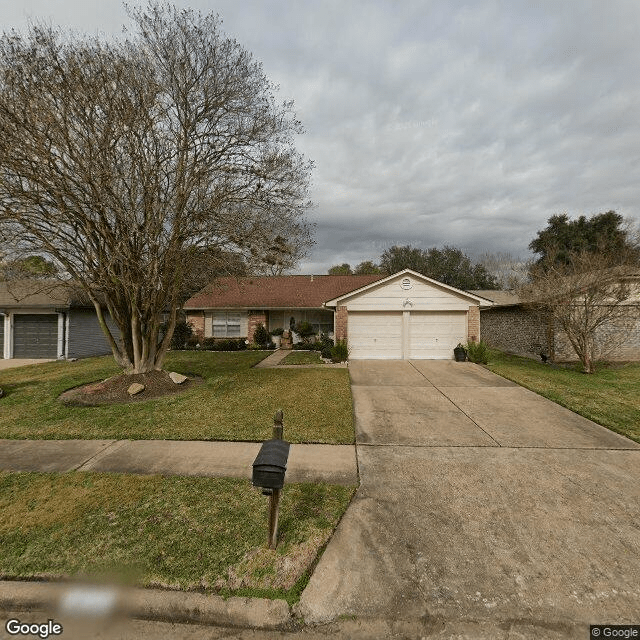
3826 Gamlin Bend Drive, Houston, TX 77082
To contact a resident: (832) 455-4895
For more information about senior living options: (866) 208-4318
Autumn Years PCH Costs & Pricing
At Autumn Years PCH, the monthly costs for accommodations are notably competitive when compared to both Harris County and the broader Texas market. For a semi-private room, residents can expect to pay $2,500, which is significantly lower than the county average of $3,518 and the state average of $3,680. Similarly, for private rooms priced at $3,800, Autumn Years PCH remains a cost-effective option compared to Harris County's average of $3,784 and Texas' overall average of $4,096. These pricing structures highlight Autumn Years PCH as an attractive choice for those seeking quality care at more affordable rates within the region.
| Floor plans | Autumn Years PCH | Harris County | Texas |
|---|---|---|---|
| Semi-Private | $2,500 | $3,518 | $3,680 |
| Private | $3,800 | $3,784 | $4,096 |
Senior living communities with a similar price nearby
-
About the same
Shepherd Personal Care Home
$2,500 to $3,000 / month14.9 miles away -
About the same
Northgate Assisted Living
$2,500 to $3,000 / month22.6 miles away -
from -$300 / mo

Nixon Assisted Living Of Houston
$2,200 / month21.2 miles away -
from +$300 / mo
Wenzy’s Place Boarding and Personal Care Home
$2,800 / month15.6 miles away -
from +$100 / mo
A Country Place Residential Care Home
$2,600 to $3,000 / month4.9 miles away
Overall Review of Autumn Years PCH
Pros
 The staff seemed competent and the residents looked well cared for.
- Autumn Years PCH delivered a good overall experience.
- The owner clearly cares deeply about the place.
- The homes are lovely and very clean, with active seniors and pleasant staff.
- The homes are very well thought out, fully furnished, and house a small number of residents (10-11).
- May is very sweet and the aides are kind, and the home is very clean.
Cons
 They weren't impressed with what they saw and found it very depressing.
- They observed that none of the residents were smiling or interacting with each other.
- They didn't think the facility would be a place where their loved one would be happy.
- The director wasn't onsite when they arrived, and there were many beds to a room.
- They felt the residents were warehoused and not actively engaged, not a good fit due to cognitive differences.
- It was located too far from their home to be a good fit.
- They did not receive a call when their loved one fell, and she was sent to the hospital without notification.
- There were no activities, leaving the resident with nothing to do.
- The owner was never seen at the house.
Review
Autumn Years PCH in Houston is best suited for families seeking an intimate, home‑like setting where a small, predictable environment helps seniors receive steady, attentive care. The community works well for residents who benefit from hands‑on aides who know their routines and preferences, and for those navigating hospice or palliative pathways where consistent caregiver support matters most. It is a pragmatic choice for families prioritizing a clean, well‑maintained living space and quiet, low‑stimulus days over a bustling activity calendar. In short, this is a fit for someone who values personal attention, reliable staffing, and a calmer atmosphere more than brand‑new amenities or constant social programming.
Those who may want to consider alternatives are clear: this is not the spot for families who prize high energy social engagement, a robust activity schedule, or a campus with a strong, visibly present executive leadership. Several reviewers noted limited resident interaction and a sense of solitude, which can feel like warehousing to families seeking an actively engaged community. Proximity matters as well, distance from family homes can dilute oversight, and for some, a larger, more dynamic setting with broader medical resources may be preferable. Price sensitivity is another factor; the small, specialized model comes with a cost that may not fit every budget.
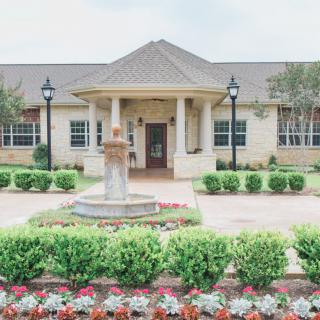
On the upside, the pros tend to cluster around small scale and personal attention. The homes are described as clean, well‑kept, and thoughtfully arranged, with roughly 10–11 residents per location, which supports individualized monitoring. Staff are repeatedly praised for competence and kindness, with anecdotes about aides helping residents with daily tasks and meals in ways that feel genuinely supportive. The owner’s hands‑on care and weekend availability come through in several testimonials, underscoring a sense of care continuity that families often crave. For families focusing on hospice readiness, the setting can feel particularly well aligned with end‑of‑life goals.
That said, the main drawbacks are real and not easily dismissed. A number of reviews paint a picture of a quiet, sometimes somber atmosphere and limited social engagement, which can be a mismatch for residents who thrive on activity and interaction. The photography of care suggested by a smaller, quieter home may translate into occasional gaps in proactive communications, most notably when a incident occurs, such as a fall, with reports that families weren’t promptly notified. Additionally, some visits revealed multiple beds to a room or an absence of onsite leadership at times, which can undermine confidence during critical moments.
Cost and location are persistent considerations. One reviewer cited a private room and a price around $4,000 per month, marking the option as pricey relative to some peers. The neighborhood context in one account was described as less than ideal, and even a strong caregiver team can be offset by perceptions of a rundown setting where accessibility and visibility of ownership are inconsistent. A sensory note, such as a noticeable cleaning scent, also emerged, which may reflect high cleanliness standards but can affect first impressions for some families. Potential residents should weigh the intimate care model against these logistical and financial frictions to determine fit.
The practical conclusion is straightforward. Autumn Years PCH delivers dependable staffing, clean and intimate homes, and a compassionate approach that shines in hospice‑oriented care. It is a credible option for families prioritizing personalized attention, predictable routines, and a quiet day‑to‑day life over a high‑tempo, activity‑driven environment. However, those seeking vigorous daily programming, unwavering onsite leadership presence, or proximity to a broad medical campus should explore alternatives with more expansive activity calendars and more immediate family access. Prospective buyers should visit multiple times, ask pointed questions about fall protocols, incident notification, and staff scheduling, and compare ownership responsiveness across homes. In the right resident profile, this community can be a stable, comforting choice; for others, a more socially oriented, geographically convenient option will likely serve better.
 Board and Care Home
 Activities off-site
 Devotional services off-site
 Indoor common areas
 Outdoor common areas
 Private
 Private bathrooms
 William P X (24 miles away)
 Ambulatory care
 Diabetic care
 Incontinence care
 Meals provided




 A Closer Look at Private Pay Home Care
 Comprehensive Approaches for Arthritis: A Detailed Guide to Symptoms, Causes, and Care
 Comprehensive Insights and Practical Strategies to Help Older Adults Avoid Falls