
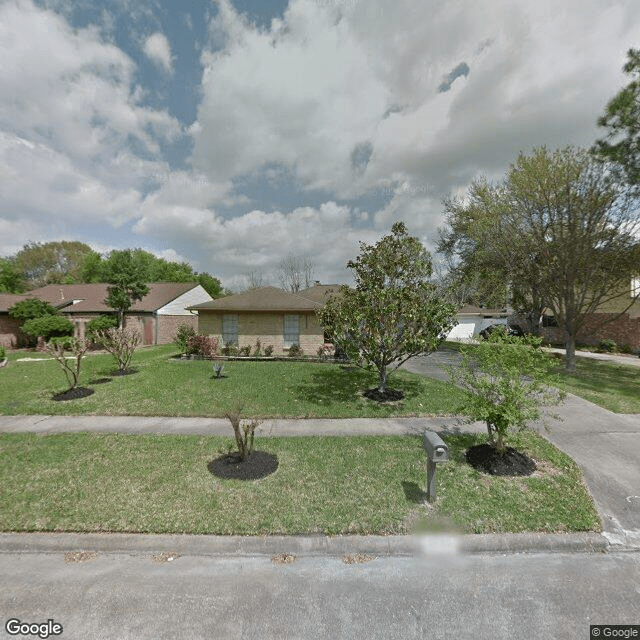
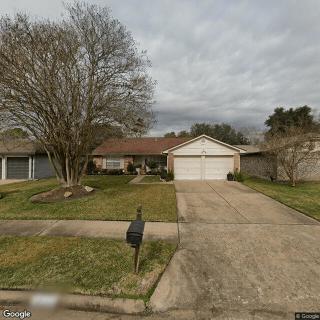
6703 Escondido, Houston, TX 77083
To contact a resident: (281) 568-5275
For more information about senior living options: (866) 208-4318
Ideal PCH Costs & Pricing
Ideal PCH offers competitive pricing for its services compared to both Harris County and the broader state of Texas. For semi-private accommodations, Ideal PCH charges $1,850 per month, which is significantly lower than the county average of $3,518 and the state average of $3,680. This trend continues with private room options as well; Ideal PCH's rate of $2,600 is considerably more affordable than Harris County's $3,784 and Texas's average of $4,096. Such pricing reflects Ideal PCH's commitment to providing quality care at accessible rates while ensuring residents receive the support they need in a comfortable environment.
| Floor plans | Ideal PCH | Harris County | Texas |
|---|---|---|---|
| Semi-Private | $1,850 | $3,518 | $3,680 |
| Private | $2,600 | $3,784 | $4,096 |
Senior living communities with a similar price nearby
-
from +$150 / mo
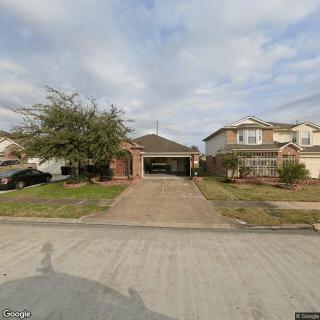
Open Angels - Shaman
$2,000 to $3,000 / month2.6 miles away -
from +$350 / mo

Nixon Assisted Living Of Houston
$2,200 / month21.6 miles away -
from +$149 / mo
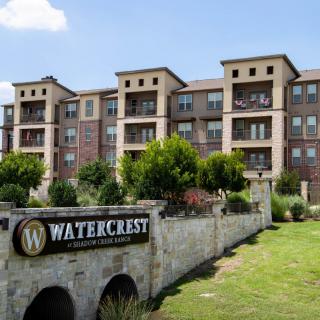
Watercrest at Shadow Creek Ranch
$1,999 to $2,499 / month19.0 miles away -
from -$300 / mo
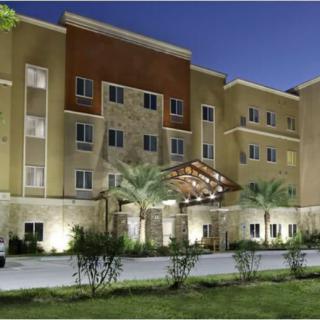
Relux at West Chase
$1,550 to $3,050 / month8.0 miles away -
About the same
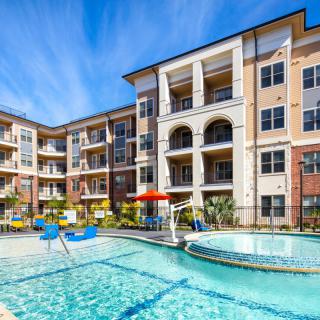
Arella on Jones Active Senior Community
$1,869 to $2,410 / month18.4 miles away
Overall Review of Ideal PCH
Pros
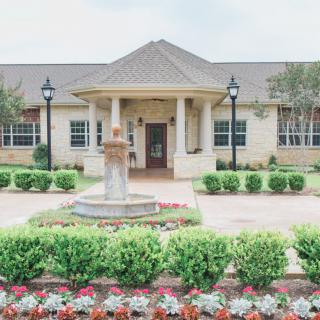
 The facility is a safe, clean place that feels like home.
- He is very well cared for, and the owner is accessible and kind.
- He is in very good hands at Ideal PCH.
- The caretaker ensures he is showered and dressed each morning and gets him to his scheduled doctor appointments on time.
- The facility feels like a home with lots of personal attention.
- There is consistent care with no shift changes of caretakers.
- It is clean and the food is good.
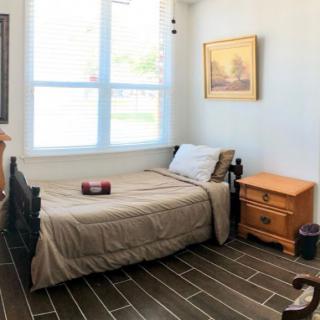
- The rooms include a dresser and end tables, and residents have access to a porch and a garden.
- They take residents to a senior center.
Cons
 The only concern noted is that there are three residents (two male; one in hospital) with no information about that resident.
Review
Ideal PCH in Houston is best suited for seniors who want a small, home-like setting where care feels intimate and truly personal. This community excels when a loved one benefits from low staff turnover, direct access to the owner, and a caregiving team that treats daily routines as non-negotiable. Families seeking predictability, a routine that includes help dressing, punctual transportation to doctor appointments, and a steady, watchful presence throughout the day, will find the most value here. The environment is clearly designed for residents who treasure a sense of belonging, safety, and consistent hands-on attention over a bustling, impersonal campus.
Those considering alternatives should weigh options for a more expansive, institution-style experience. If a loved one requires robust on-site nursing, more intensive medical oversight, or a memory-care-focused program with specialized staff, a larger community could be a better fit. Similarly, families looking for a wide-ranging activity calendar, diverse social programming, or extensive transportation to multiple venues may prefer facilities with bigger staffs and broader programming. For memory care or more advanced clinical needs, communities with formalized care teams and higher nurse-to-resident ratios tend to deliver the level of oversight some families expect.
The strongest pros here offset the main constraints in practical, meaningful ways. A truly home-like atmosphere, coupled with a small resident population, means personalized attention that often feels restorative rather than transactional. The owner’s accessibility translates into faster problem-solving and clearer communication, which reduces anxiety when schedules shift or new needs arise. Cleanliness, good meals, and space that invites natural light and porch time contribute to well-being, while the garden and porch foster gentle social interaction without pressuring residents into crowded activity rosters. Most important, the consistency of caregivers minimizes disruption to daily life, a factor families repeatedly highlight as valuable for long-term stability.
Where potential drawbacks are noted, they are largely tempered by the community’s scale and focus. The occasional concern about limited information on a resident who is hospitalized reflects the realities of a very small operation where formal, multi-resident communications aren’t as expansive as in larger homes. Yet the flip side is clear: with fewer shifts and a concentrated team, residents receive steadier supervision and more coherent, individualized care plans. This dynamic supports safer routines, quicker recognition of changes in health or mood, and a clearer sense of who is responsible for specific tasks, elements families value when trust and reliability are paramount.
Decision-making will hinge on desired level of clinical resources and social breadth. For families prioritizing warmth, dignity, cleanliness, and consistent, attentive care, Ideal PCH delivers a compelling match. The personal touch, in routines, meals, and daily reminders, creates a sense of security that many families equate with true peace of mind. Conversely, if a loved one’s needs extend beyond daily living assistance into continuous nursing care, complex medication management, or dementia-specific programming, a more staffed environment with formal clinical protocols should be pursued elsewhere.
In sum, Ideal PCH is a practical, well-regarded choice for seniors who prize a genuine home atmosphere, sustained caregiver engagement, and straightforward coordination of medical appointments. It is less suitable for those seeking a larger community with expansive programming or intensive on-site medical services. Families evaluating this Houston option should schedule a thorough visit, assess how care plans are documented, confirm staffing patterns for evenings and weekends, and ask about emergency protocols and hospital interactions. With clear expectations, this community offers a stable, welcoming home where a loved one can thrive on personal attention, accessible leadership, and a comforting sense of belonging.
 Board and Care Home
 Cats allowed
 Dogs allowed
 Bath tubs
 Private
 Respite or short term stays offered
 Wheelchair accessible showers
 William P X (24 miles away)
 Diabetic care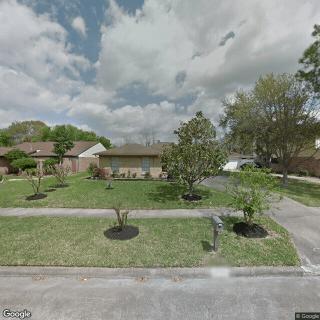




 Financing Long-Term Nursing Home Care Through Social Security: A Thorough Exploration
 Essential Knowledge on Pneumonia in Older Adults
 Exploring Palliative Care in the Home: A Comprehensive Overview