
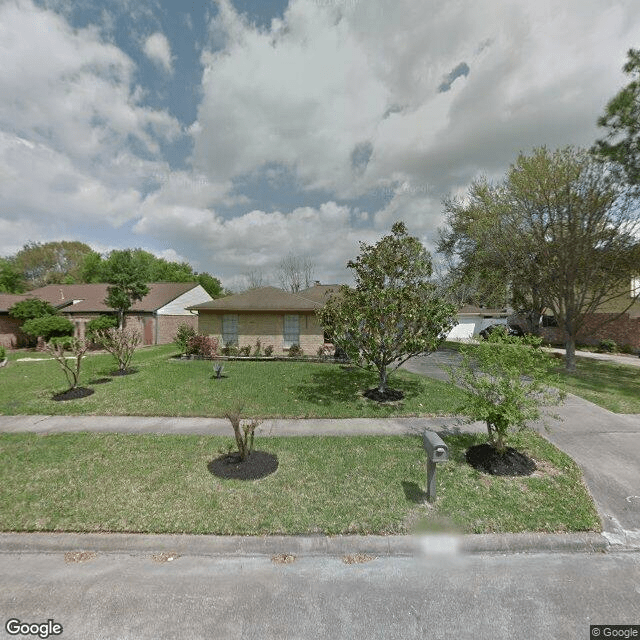
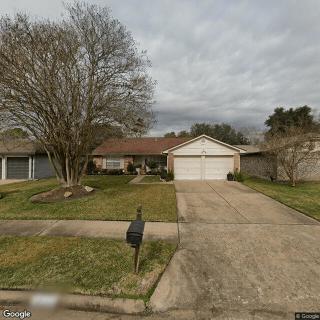
6703 Escondido Drive, Houston, TX 77083
For more information about senior living options: (866) 208-4318
D Des Ideal Home Care Services Costs & Pricing
D Des Ideal Home Care Services offers competitive pricing for its residential care options, positioning itself as an affordable alternative within the market. For a semi-private room, residents can expect to pay $2,650 per month, which significantly undercuts the average rates in Harris County at $3,518 and in Texas overall at $3,680. Similarly, the cost of a private room at D Des is $3,000 per month - again a more economical choice compared to the local county rate of $3,784 and the statewide average of $4,096. This pricing strategy not only reflects D Des's commitment to providing quality care but also demonstrates their understanding of the financial pressures families often face when seeking suitable home care solutions.
| Floor plans | D Des Ideal Home Care Services | Harris County | Texas |
|---|---|---|---|
| Semi-Private | $2,650 | $3,518 | $3,680 |
| Private | $3,000 | $3,784 | $4,096 |
Assisted Living communities with a similar price nearby
-
from -$150 / mo
Shepherd Personal Care Home
$2,500 to $3,000 / month14.5 miles away -
from +$450 / mo

Ba Home Care
$3,100 / month5.0 miles away -
from -$150 / mo
Northgate Assisted Living
$2,500 to $3,000 / month23.4 miles away -
from -$450 / mo
Nixon Assisted Living Of Houston
$2,200 / month21.6 miles away -
from +$150 / mo
Wenzy’s Place Boarding and Personal Care Home
$2,800 / month16.3 miles away
Overall Review of D Des Ideal Home Care Services
Pros
 Daphne, the operator of this home care residence, is an extremely sweet woman who would be very good and patient when working with the elderly.
- She has been taking care of the elderly since 1975.
- The house was clean and the residents seemed happy.
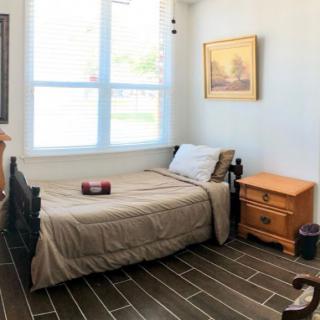
- The rooms are already furnished, which is a nice benefit.
Cons
 The resident had to be hospitalized and is unable to move in at this time.
- She was never admitted.
- It didn’t work out for the step-father.
- He was there for only a day before they had to bring him back home.
- He gets lost when trying to walk around unsupervised.
Review
This community is best suited for seniors who want a compact, home-like setting with a compassionate, experienced operator and a move-in ready, furnished room. It works well for families seeking a personal touch, where caregivers know residents by name and the day-to-day rhythm feels more like a family residence than a sterile facility. The operator, Daphne, has been caring for the elderly since 1975, and that depth of experience translates into patient, steady supervision and a calm environment for residents who thrive on routine and intimate attention.
Yet this setup is not for everyone. Families facing wandering risk or early-stage dementia with unpredictable mobility should consider alternatives. The one documented attempt ended quickly because a semi-private arrangement proved unsustainable for a resident who insisted on moving freely and got lost. In such cases, a facility with dedicated memory care, built-in safety features, and a stronger 24/7 supervision presence would be a wiser match.
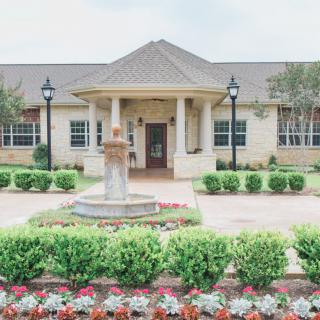
On the plus side, the strengths are tangible. Daphne’s long career shows up in how care is delivered, patient, reliable, and centered on a steady daily routine. The environment feels welcoming and clean, and the residents appeared happy, suggesting strong ambient morale. The furnished rooms remove a chunk of move-in friction, allowing families to settle in without immediate, disruptive purchases or extensive setup.
Nevertheless, concrete gaps warrant attention. There is no explicit information about secure dementia programming, wandering management, or a formal memory-care track within the house. Staffing patterns, nurse or aide availability around the clock, meal variety, and a robust activity calendar aren’t clearly outlined, which leaves some risk for residents with higher needs. In short, the warmth and cleanliness are clear strengths, but the setting may not be equipped to handle escalating cognitive impairment or intricate medical oversight.
That said, the core appeal can be decisive for the right resident. The personal attention, high caregiver experience, and intimate, home-like atmosphere contribute to a low-stress transition and consistent day-to-day living. For someone who does not require aggressive supervision or secure wandering controls, and who thrives in a smaller, more personal environment with a familiar face at the helm, this community can offer genuine compatibility and peace of mind.
For families weighing options, the prudent path is a focused visit with concrete questions: what level of daily care is available, who staffs overnight, and how the facility handles memory-related needs, safety, and emergency responses? What are the real costs and what services are included or add-ons? If secure memory care or a formal dementia program is a priority, larger assisted living facilities with dedicated memory units should be pursued. If the priority is warmth, consistent caregiver attention, and a homelike setting, this option merits serious consideration, provided the resident’s needs align with its intimate, less-structured model.
 6 resident community capacity
 Assisted Living
 Board and Care Home
 Cable or satellite TV
 Dining room
 Fully furnished
 Garden
 Housekeeping services
 Move-in coordination
 Outdoor space
 Private
 Telephone
 Wi-Fi/high-speed internet available
 William P X (24 miles away)
 24-hour supervision
 Activities of daily living assistance
 Ambulatory care
 Assistance with bathing
 Assistance with dressing
 Assistance with transfers
 Diabetes diet
 Diabetic care
 Incontinence care
 Meal preparation and service
 Medication management
 Special dietary restrictions
 Transportation arrangement (medical)
 Transportation to doctors appointments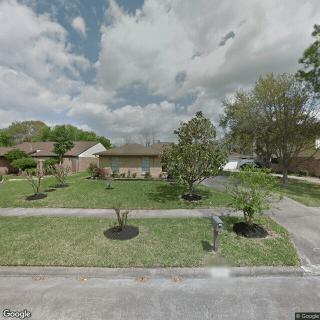




 Comprehensive Insights into Activities of Daily Living (ADLs) and Their Assessment
 Guiding Elderly Parents Who Refuse Assisted Living: 6 Practical Steps
 Your Comprehensive Guide to Luxury Assisted Living: Elevated Facilities, Amenities, and Costs