

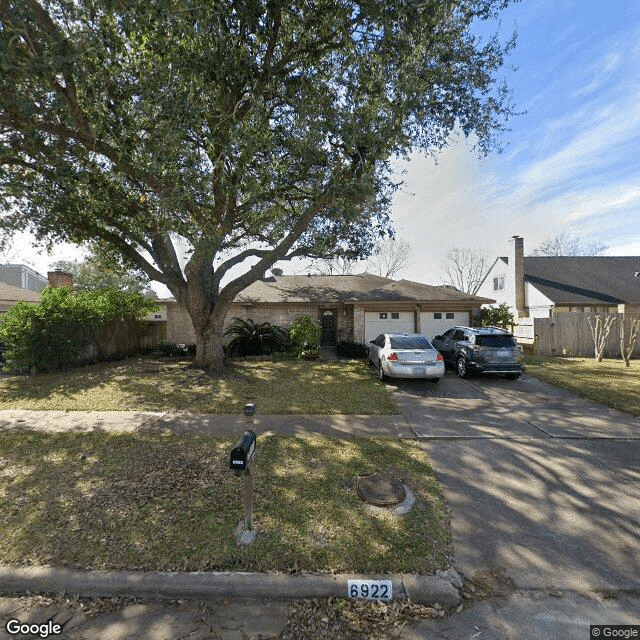
6922 Vialinda Drive, Houston, TX 77083
For more information about senior living options: (866) 208-4318
Menox Care Assisted Living Costs & Pricing
Menox Care Assisted Living offers competitive pricing for its residents, with monthly costs significantly lower than both Harris County and the broader Texas market. For a semi-private room, residents pay $2,200, which is substantially less than the county average of $3,518 and the state average of $3,680. Similarly, the private room rate at Menox Care is set at $3,500, undercutting both the county's rate of $3,784 and Texas's average of $4,096. This favorable pricing structure not only provides an affordable option for families seeking quality assisted living but also reflects Menox Care's commitment to delivering excellent care without compromising on value.
| Floor plans | Menox Care Assisted Living | Harris County | Texas |
|---|---|---|---|
| Semi-Private | $2,200 | $3,518 | $3,680 |
| Private | $3,500 | $3,784 | $4,096 |
Assisted Living communities with a similar price nearby
-
from +$300 / mo
Shepherd Personal Care Home
$2,500 to $3,000 / month14.2 miles away -
from +$300 / mo

Northgate Assisted Living
$2,500 to $3,000 / month23.2 miles away -
About the same

Nixon Assisted Living Of Houston
$2,200 / month21.4 miles away -
from +$370 / mo

Brazos Towers
$2,570 to $4,700 / month13.3 miles away -
from +$395 / mo

Windermere Estates Senior Living
$2,595 to $5,100 / month15.9 miles away
Overall Review of Menox Care Assisted Living
Pros
 The facility is very nice and professional.
- The facility is excellent, very clean, and the staff are excellent.
- The owner and staff are personable and respectful, providing outstanding care for each resident and family; they are highly recommended.
- Families can trust this facility to care for their loved ones.
- The facility is very clean and organized; it is one of the nicest facilities observed by professionals.
- The staff are friendly and helpful, and residents are well fed; the landscaping is nice.
- The manager is energetic and knowledgeable about dementia, and the staff are patient, caring, and understanding toward residents' needs.
Cons
 The place was very confusing.
- The place had an odor to it.
- They did not seem to have many activities.
Review
Menox Care Assisted Living in Houston is best suited for families that prize a clean, professionally run environment with a visibly engaged owner and staff who emphasize respectful, attentive care. The strongest case rests with seniors who benefit from a stable, caregiver-focused routine and a dementia-aware leadership approach. The facility consistently reads as well-kept and well organized, and the owner’s hands-on involvement provides a reassuring sense of continuity for families seeking trustworthy day-to-day oversight. For residents whose needs align with dependable caregiving, clear communication, and a welcoming atmosphere, this community can be a compelling match.
On the positive side, multiple observers highlight exceptional cleanliness and a high standard of upkeep. The staff is described as friendly, helpful, and professional, with the owner and management repeatedly portrayed as personable and respectful toward residents and families. Families report that the care team’s approach feels patient and individualized, with staff taking time to study and understand dementia-related behaviors. The dementia-focused leadership is repeatedly cited as a key strength, and one reviewer notes noticeable improvements in a sister with dementia after placement. Add to that well-maintained grounds and reliable daily provisioning, including meals, and the overall impression is of a safe, orderly home.
Yet, several concrete drawbacks surface in a number of accounts. Tours that left visitors perplexed by the layout, specifically the idea of navigating through bedrooms to move between spaces, highlight a design quirk that can feel disorienting. Odor issues and a perception of limited activities were also mentioned, with one prospective resident described as not a good fit for their husband. The 5:00 pm dinner time is cited by at least one reviewer as less convenient, suggesting that appetite timing and evening routine may not align with all families’ expectations. With two 1-star reviews among eight total, there is a signal that experiences can diverge, especially around layout and programming.
The key pros do offset the main cons for many families, but the balance depends on priorities. The exceptional cleanliness, organized operation, and dementia-capable leadership directly counter concerns about care quality by offering a reliable, low-stress environment where staff orientation toward residents’ needs is clear. When dementia-specific handling is critical, the manager’s knowledge and staff’s patient approach provide reassurance that behaviors are understood and managed with consistency. Strong meal service and pleasant grounds reinforce a sense of normalcy and well-being, reducing anxiety for families worried about daily life in a care setting. In short, for residents who value trust, routine, and attentiveness, the positives can substantially outweigh layout quirks or occasional programming gaps.
Families who should consider alternatives are those for whom a simple, intuitive floor plan and robust daily programming are non-negotiable. If navigation clarity and a straightforward, walk-through layout are essential, the current design may feel confusing enough to disrupt the resident experience. Those who place a premium on a rich calendar of activities, socially engaging programming, or later dinners might find the offerings here less compelling. Additionally, any family concerned about odor control or desiring more varied evening routines should compare options where a more consistent daily rhythm and scent-free environments are standard. The two lower reviews serve as a caution that not every resident will align with this community’s balance of strengths and design quirks.
For families weighing next steps, the practical path is clear: schedule thorough, time-distributed visits to observe the facility at different points in the day, ask to see a dementia care plan in practice, and gauge how activities are actually implemented week to week. Speak with current residents and family members about day-to-day satisfaction, meal quality, and how concerns are handled by staff. Clarify meal times, activity calendars, and any potential adjustments to accommodate personal routines. If the goal is assured cleanliness, compassionate, dementia-aware caregiving, and a trusted leadership presence, Menox Care stands out as a strong candidate. If, however, a simpler layout and more expansive programming top the list of must-haves, exploring alternatives with a more intuitive design and busier activity schedule is strongly advised.
 7 resident community capacity
 Assisted Living
 Board and Care Home
 Dogs allowed
 Activities off-site
 Air-conditioning
 Cable or satellite TV
 Devotional services off-site
 Dining room
 Fully furnished
 Garden
 Housekeeping services
 Indoor common areas
 Move-in coordination
 Outdoor common areas
 Private
 Private bathrooms
 Respite or short term stays offered
 Telephone
 Wheelchair accessible showers
 Wi-Fi/high-speed internet available
 William P X (23 miles away)
 24-hour supervision
 Ambulatory care
 Assistance with bathing
 Assistance with dressing
 Assistance with transfers
 Diabetes diet
 Diabetic care
 High acuity care
 Incontinence care
 Meal preparation and service
 Medication management
 Special dietary restrictions
 Transportation arrangement (medical)
 Transportation to doctors appointments
 BBQs or picnics
 Birthday parties
 Protestant services
 Stretching classes
 Trivia games
 Wine tasting





 8 Key Indicators That Suggest It May Be Time to Transition from Assisted Living to Skilled Nursing Care
 Vibrant Senior Living: A Comprehensive Guide for Active Older Adults
 When to Transition from Assisted Living to Memory Care: Key Indicators, Steps, and Finding the Right Community