Heritage Memory Care At Eldridge Parkway in Houston, TX

Save

  • Interior

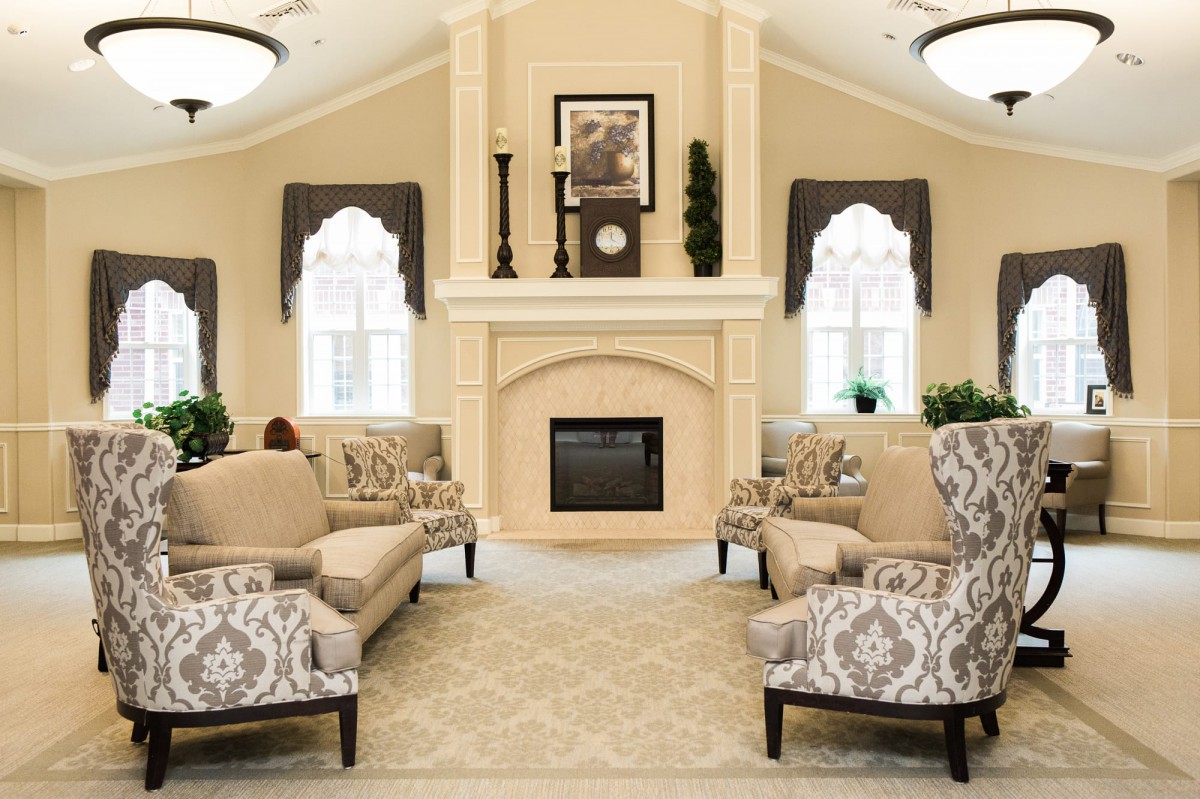
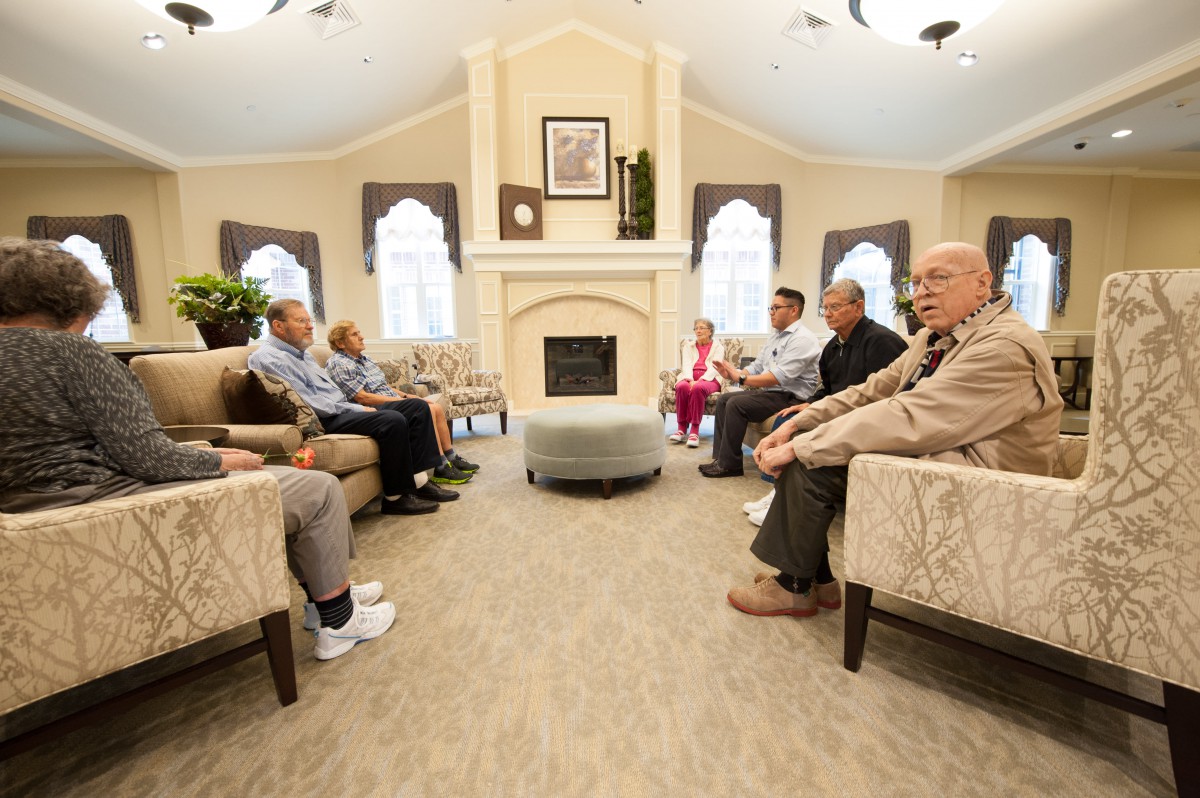
    Elegant living room with a central fireplace and comfortable seating.
  • Decor

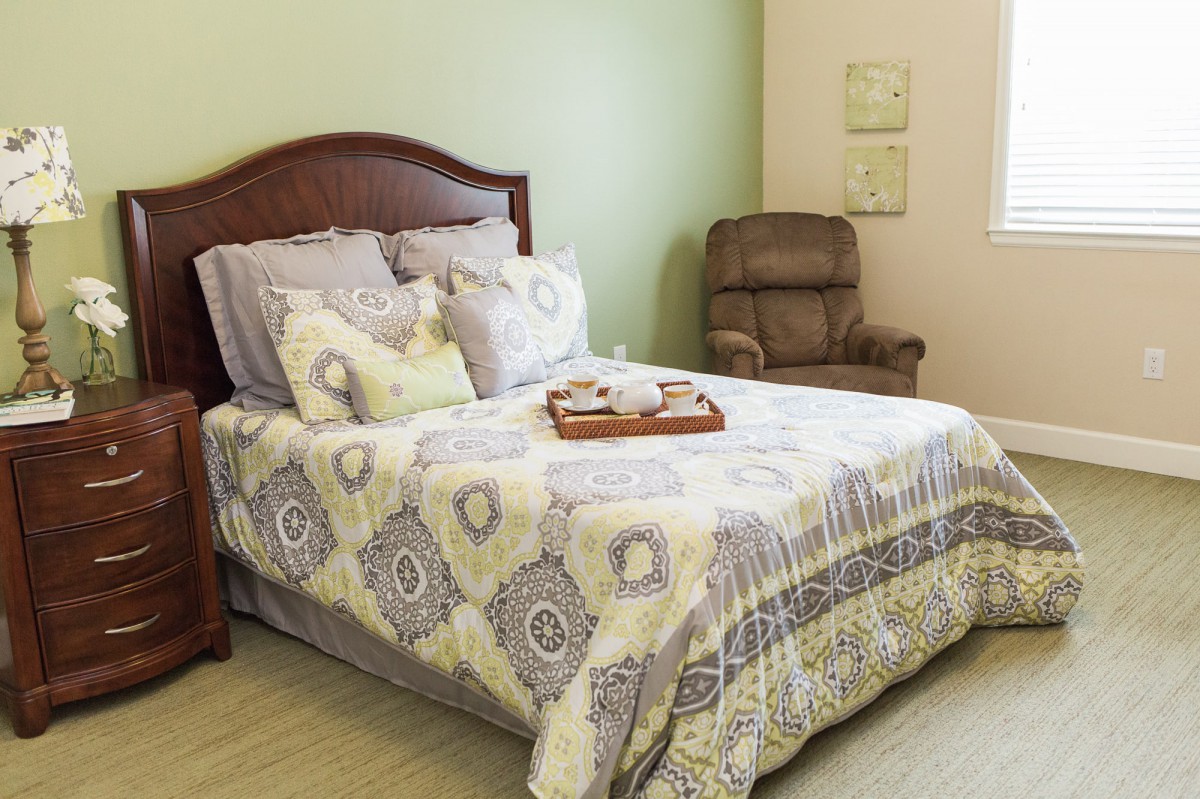
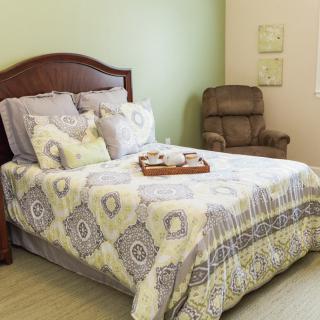
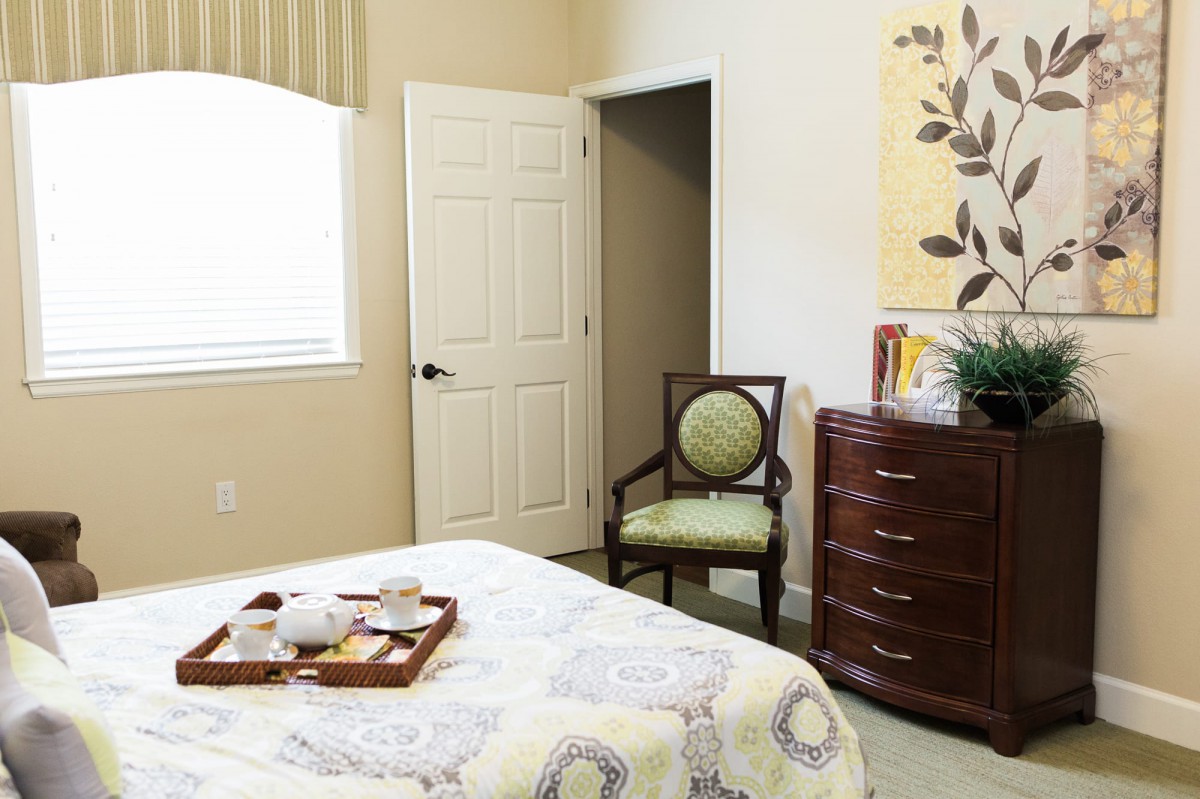
    A cozy bedroom with neatly arranged bedding and a comfortable chair.
  • Living Room

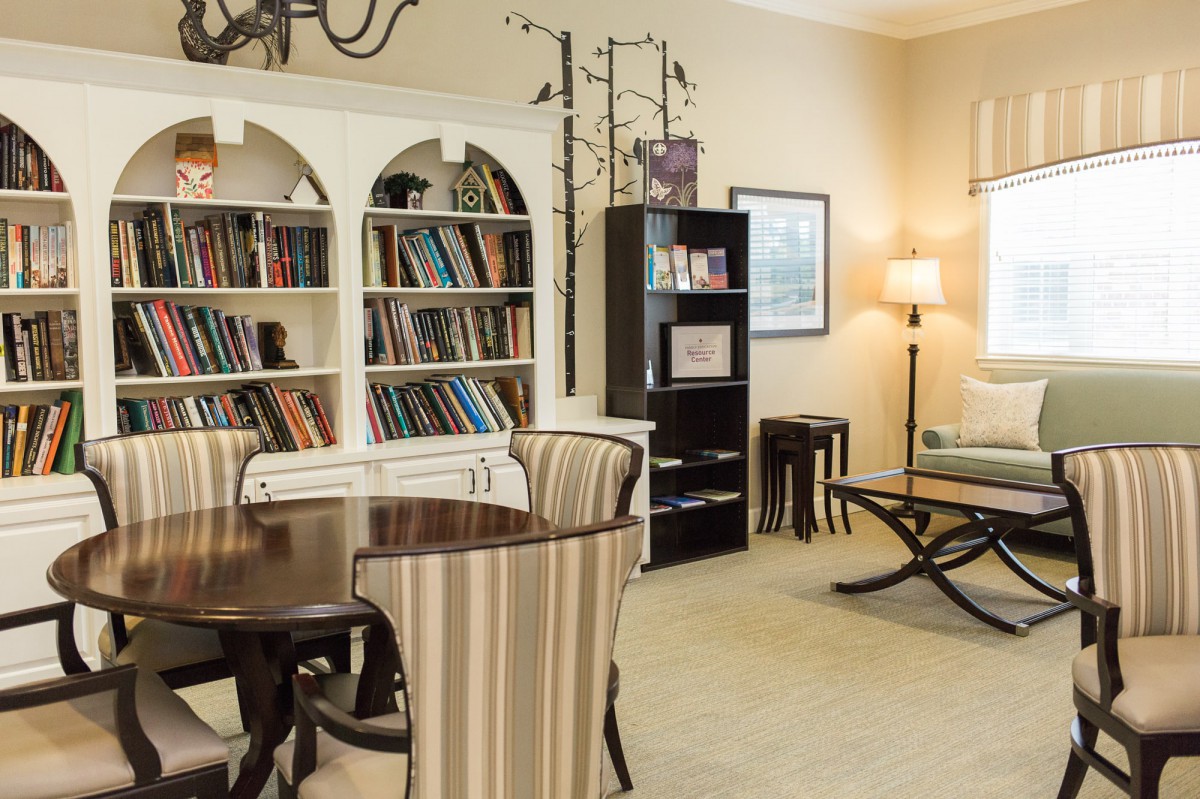
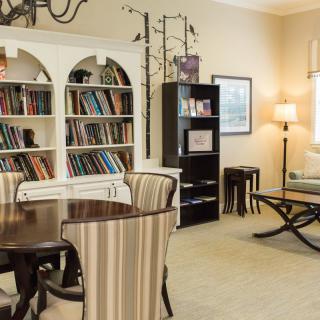
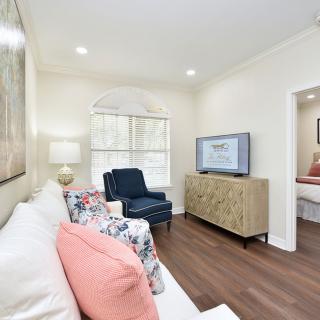
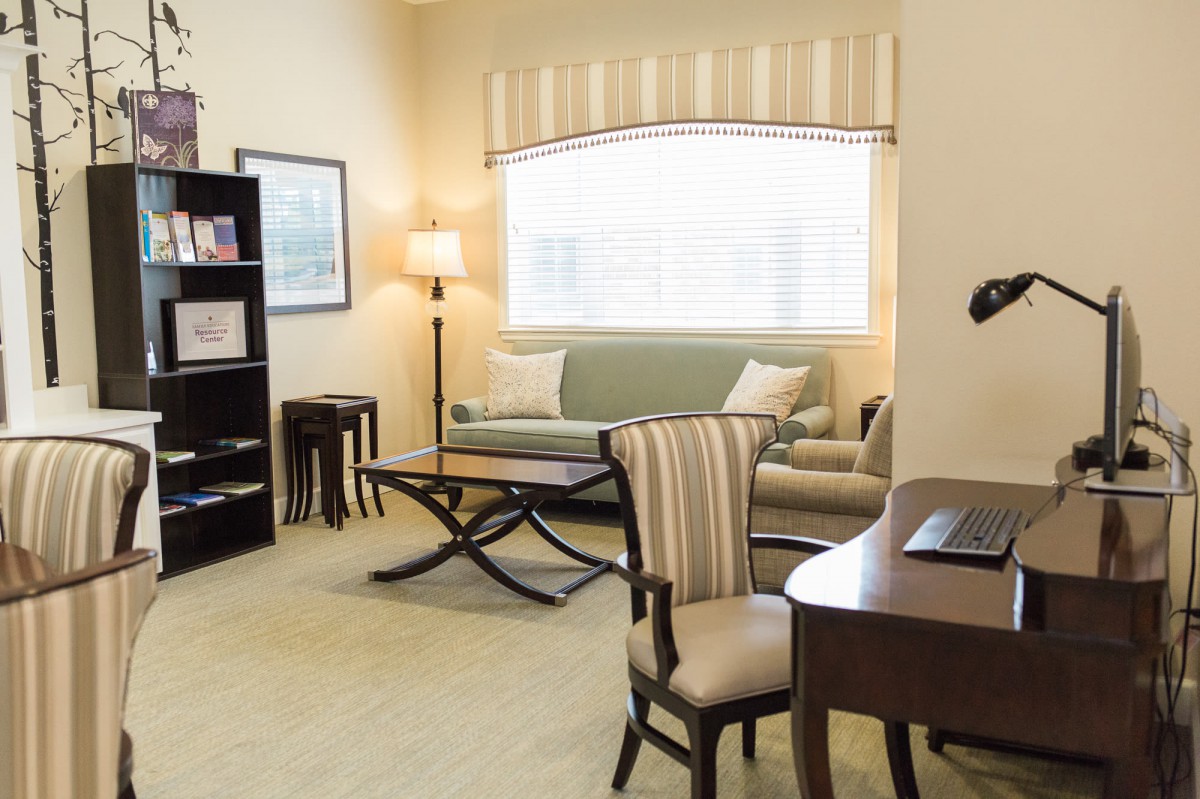
    A cozy living room with bookshelves and a table surrounded by chairs.
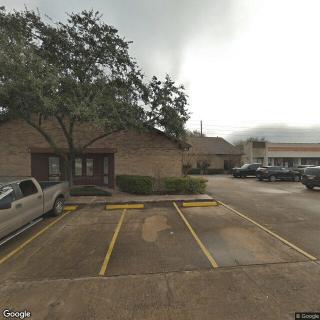
  • Building

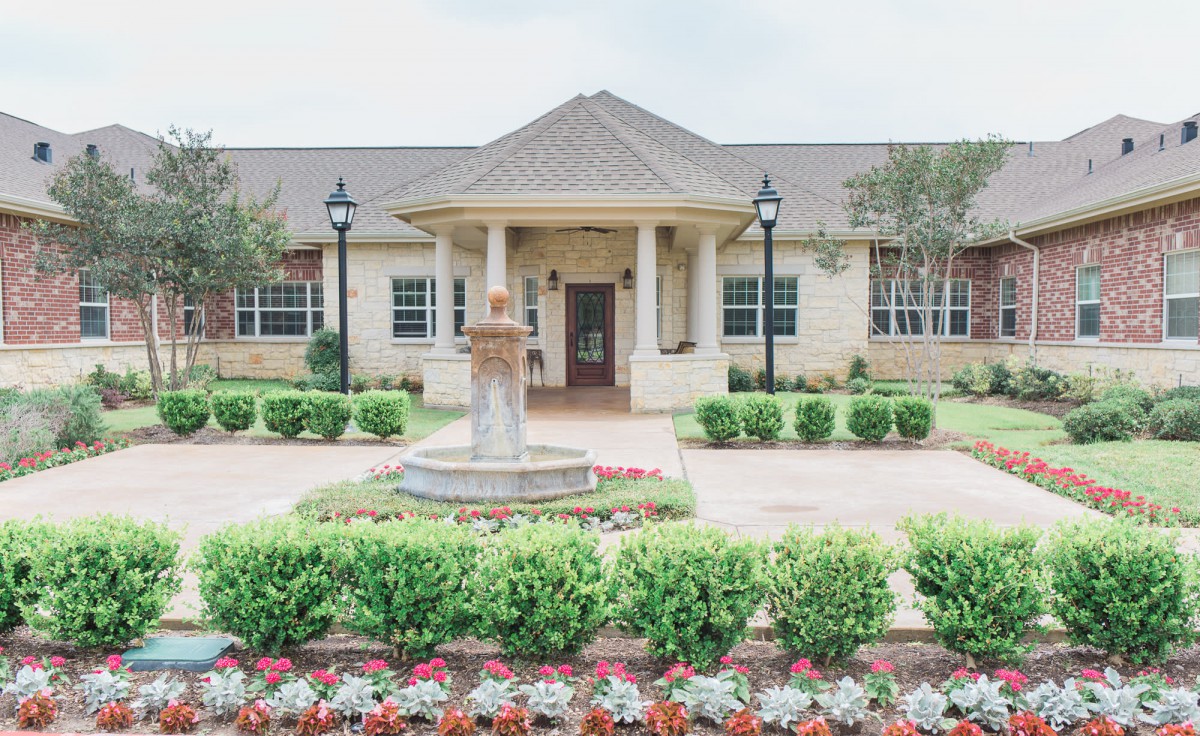
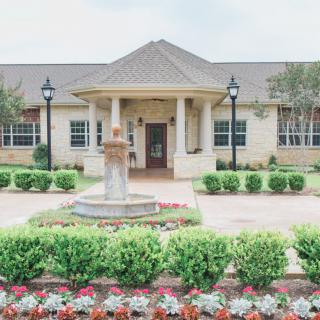
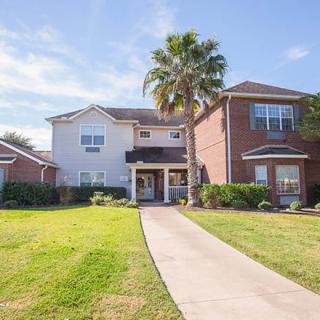
    A well-maintained building entrance with a central fountain and lush garden.
  • Bedroom

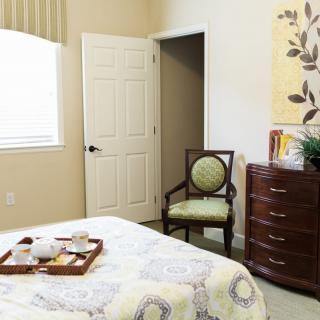
    A cozy bedroom interior with a bed, chair, and dresser.
  • Dining

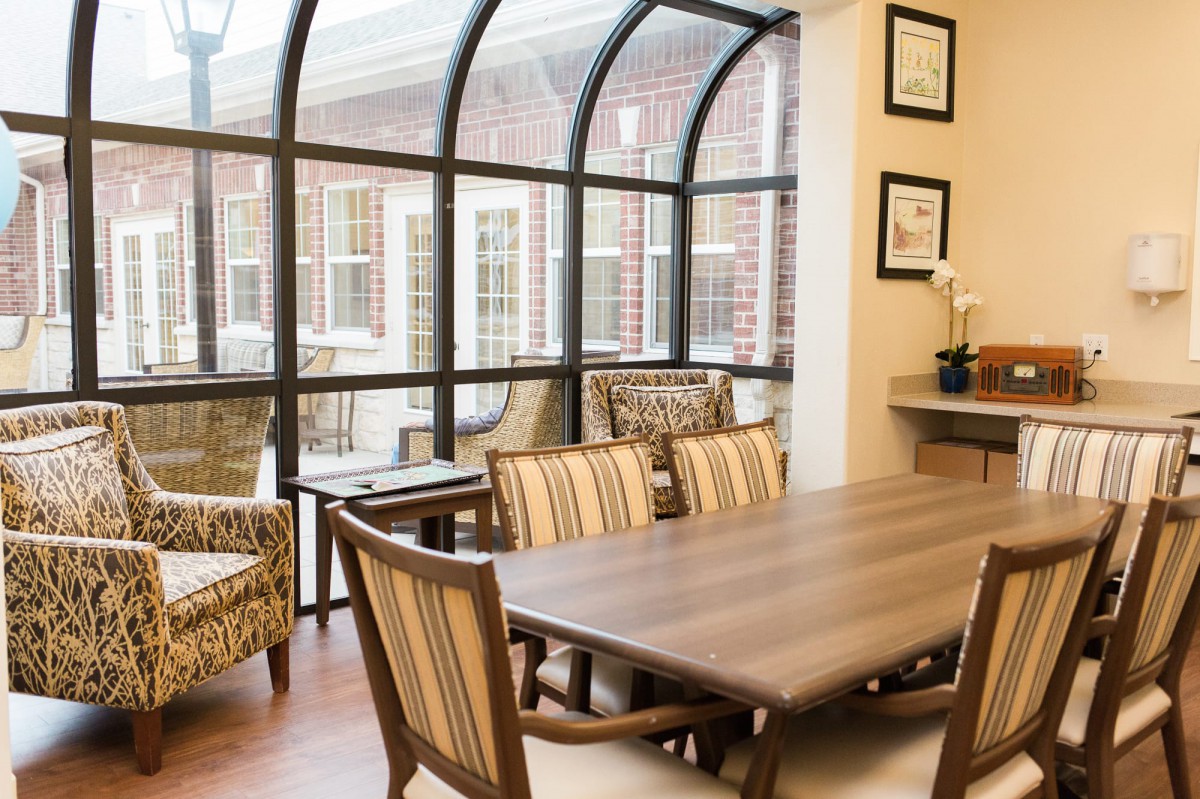
    A cozy dining area with a large window allowing natural light to brighten the space.
  • Lighting

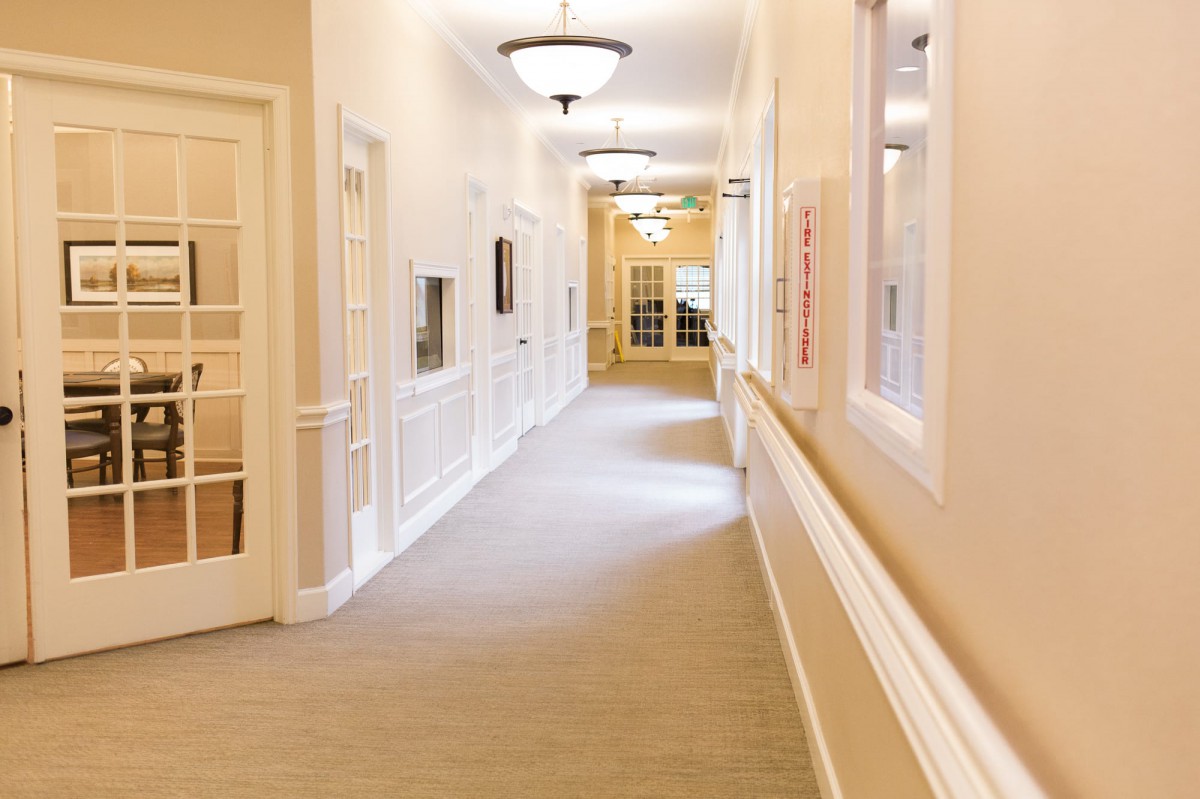
    A well-lit hallway with doors and elegant interior design.
  • Seating Area

    A cozy lobby area featuring comfortable armchairs, warm lighting, and elegant decorations.
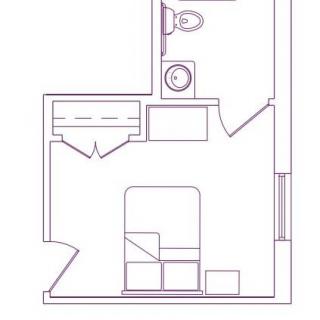
  • Floor Plan

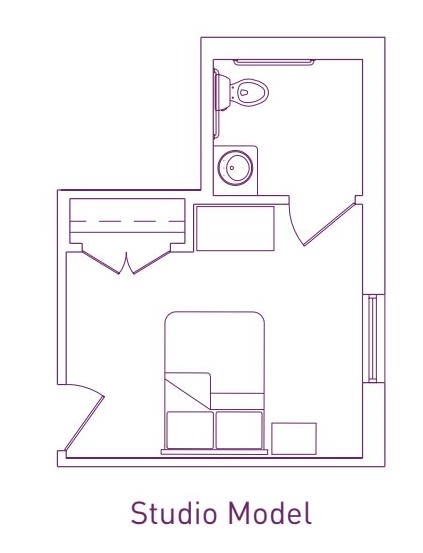
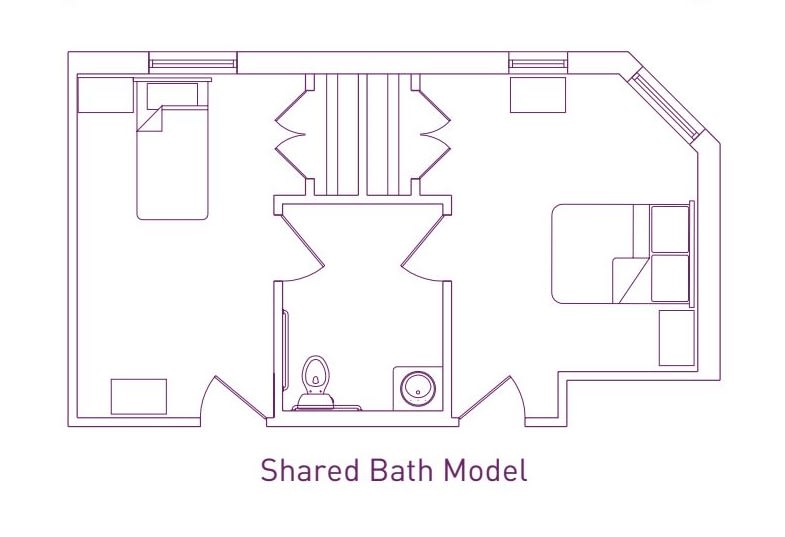
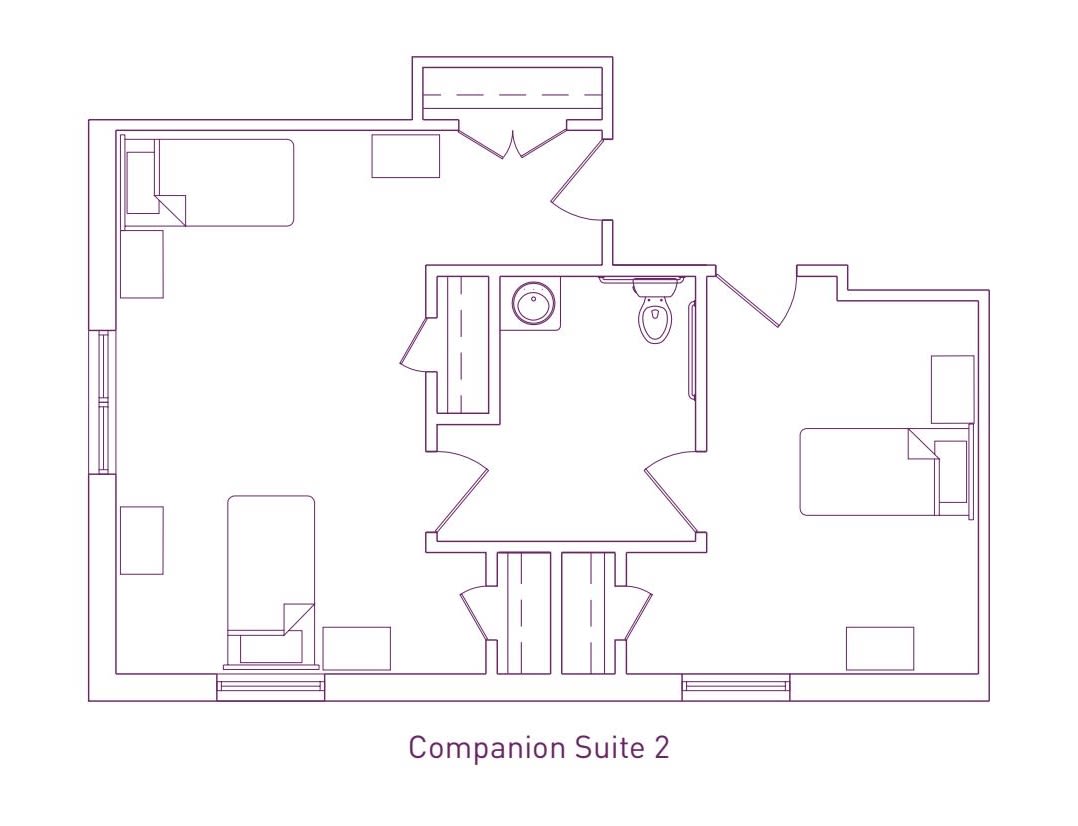
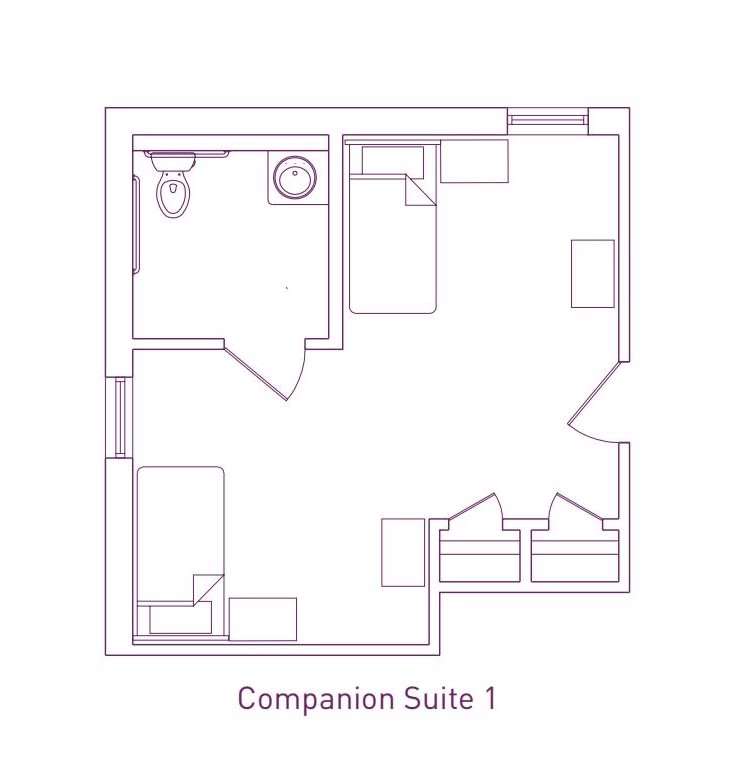
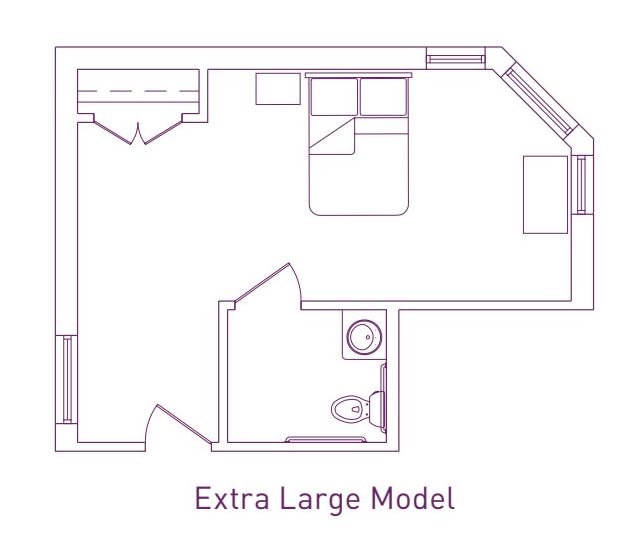
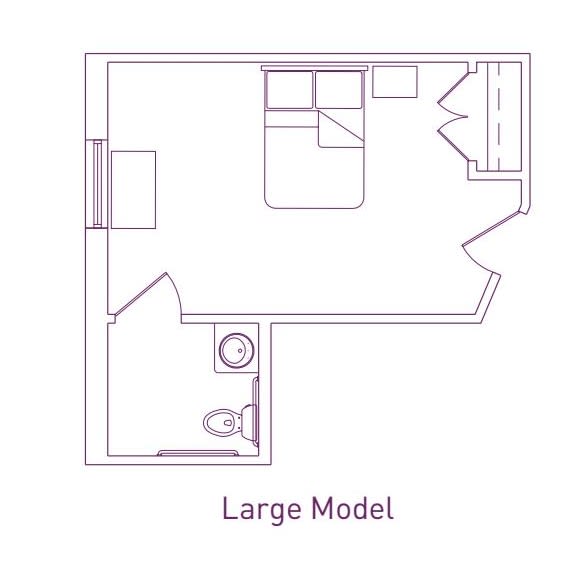
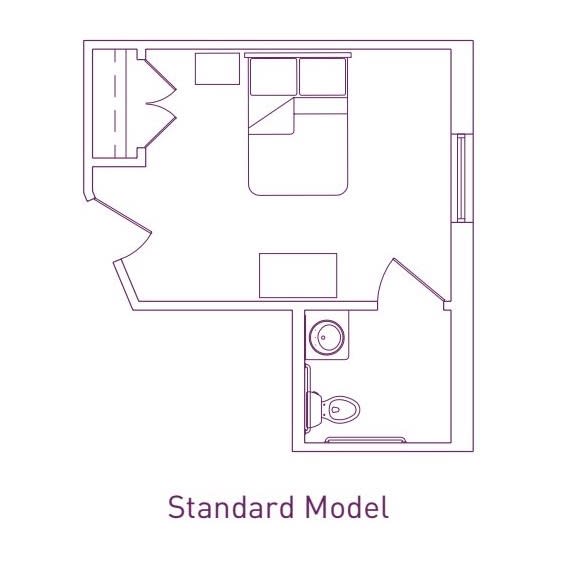
    A simple floor plan of a studio apartment with a bathroom and closet.
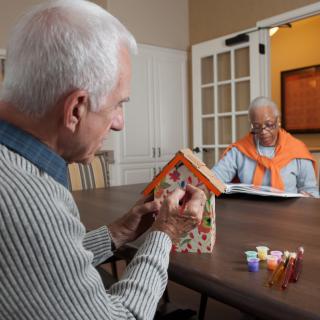
  • Painting

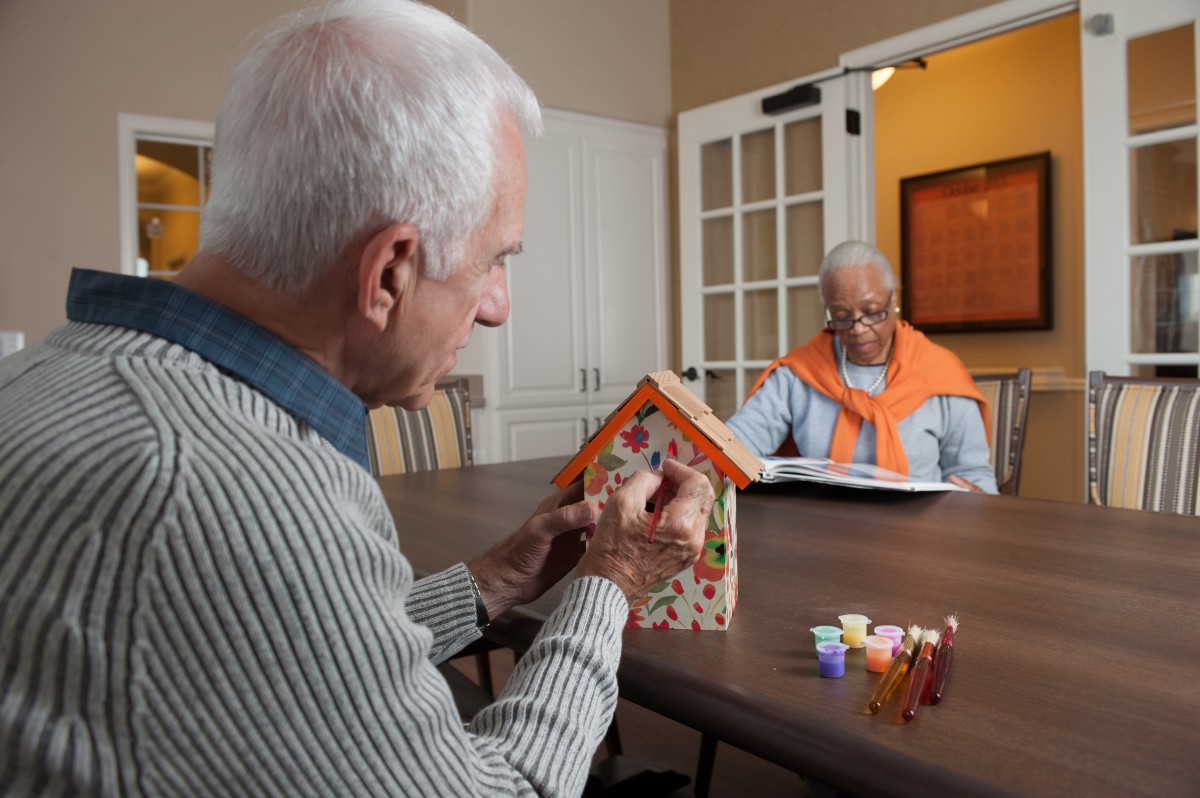
    Two seniors engaging in a birdhouse painting activity at a table indoors.
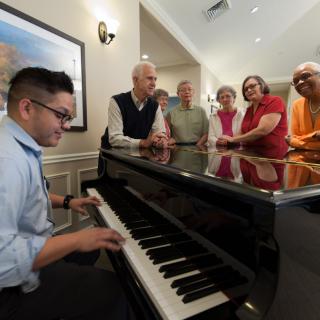
  • Piano

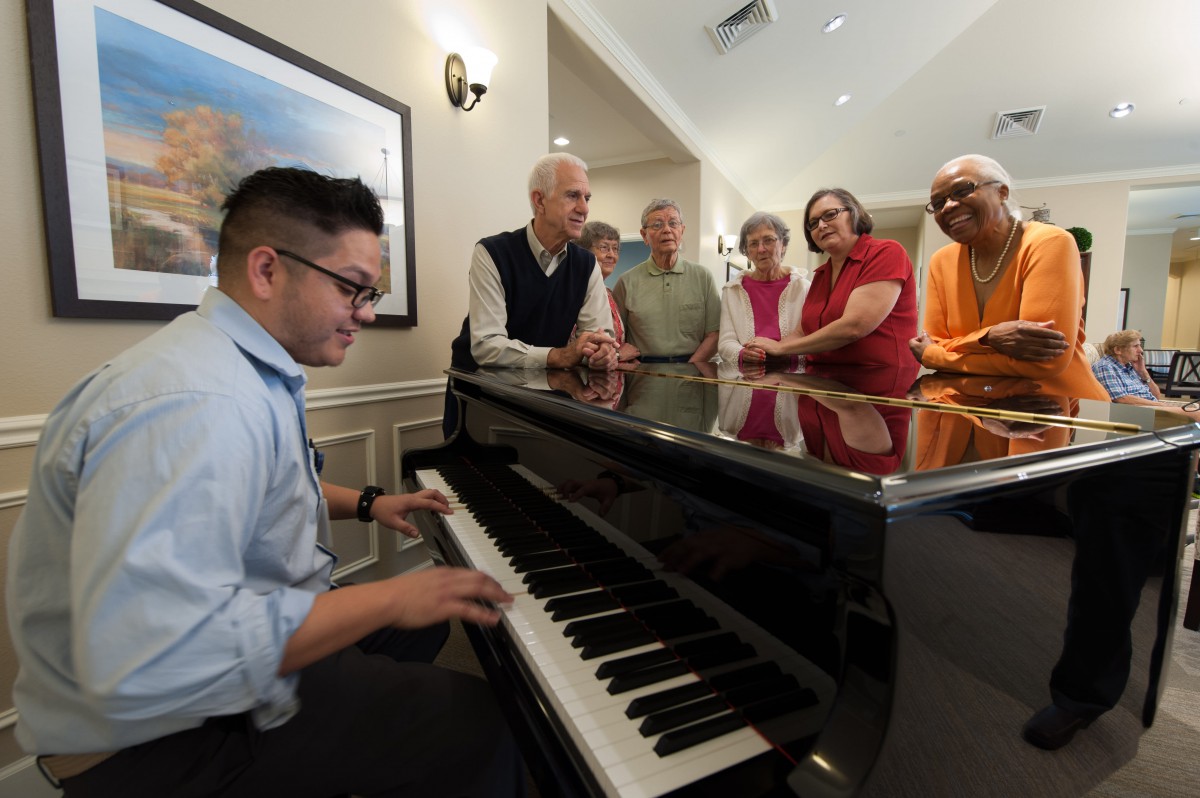
    A pianist plays for an audience gathered around a piano indoors.

Heritage Memory Care At Eldridge Parkway in Houston, TX

Information last verified:

1725 Eldridge Pkwy, Houston, TX 77077

For more information about senior living options: (844) 490-3973

4.2 from 39 reviews
5 stars
28
4 stars
3
3 stars
1
2 stars
2
1 stars
5

Heritage Memory Care At Eldridge Parkway Costs & Pricing

Heritage Memory Care At Eldridge Parkway offers competitive pricing for its services, with monthly costs reflecting the quality of care provided in a specialized memory care environment. For residents, the rates stand at $5,000 for both studio and semi-private rooms, which is notably higher than the regional average in Harris County, where similar accommodations range from approximately $3,518 to $4,021. Additionally, a one-bedroom suite at Heritage is priced at $5,300, which again exceeds local averages but aligns closely with the broader trends observed across Texas. While these costs may be elevated compared to other facilities in the area, they are indicative of the personalized attention and tailored services designed to support individuals with memory-related challenges.

Floor plansHeritage Memory Care At Eldridge ParkwayHarris CountyTexas
Studio$5,000$4,021$3,758
Semi-Private$5,000$3,518$3,680
1 Bedroom$5,300$4,027$3,761

Overall Review of Heritage Memory Care At Eldridge Parkway

Pros

  • pro Heritage Memory Center provides a warm, welcoming atmosphere that feels like home.
  • pro The staff at Heritage Memory Center are compassionate, dedicated, and genuinely care about each resident’s well-being.
  • pro The facility is clean, well-maintained, with spacious living areas and plenty of natural light.
  • pro Heritage Memory Center is described as a place where every day is devoted to enriching residents’ lives and feels like family.
  • pro The executive leadership, including Junior, is empathetic and able to move family members in quickly when needed.
  • pro Autumn Leaves of Memorial City is a lovely facility with a warm, inviting atmosphere, friendly and knowledgeable staff, and a wide range of activities for residents.

Cons

  • pro They refused to replace the old A/C unit, forcing a window unit and leaving the space uncomfortably hot.
  • pro The owners refused to fix the issue, and the state sided with them, causing months of delays before relocation.
  • pro They were severely understaffed and unprofessional, with no LVN on weekends.
  • pro They do not answer calls or return messages, making communication unreliable.
  • pro The med techs falsified medical records.
  • pro A resident’s belongings were soaked in urine and left in a plastic bag, and a sore on her leg was ignored.
  • pro They did not administer medications for almost seven months.
  • pro There is a high turnover and management is described as horrible.

Review

Heritage Memory Care at Eldridge Parkway is best suited for families seeking a dementia-focused, home-like environment where safety, warmth, and daily engagement are prioritized. The community shows clear strengths for residents in the early to mid-stages of memory loss who benefit from a setting that feels like a comforting home rather than an institution. Families who want robust social programming, visible affection from caregivers, and spaces designed to minimize confusion will find the atmosphere and rhythms here reassuring. The combination of clean, well-lit common areas, private rooms, and a focus on person-centered care makes it a compelling option for guardians who place a premium on dignity, everyday connection, and a sense of “belonging” for their loved one.

Alternatives become worth weighing for those who require near-perfect staffing reliability and medical oversight. If a loved one needs constant, highly coordinated skilled nursing, 24/7 nurse availability, or has behaviors that demand aggressive medical management, this community may be less consistent in meeting those needs. Additionally, families who have experienced difficulty with communication or who demand unwavering responsiveness from leadership may prefer facilities with longer-standing leadership teams and documented, routine follow-through. In Houston’s memory-care market, homes with steadier nurse coverage, more predictable call-backs, and less turnover may present a more worry-free contingency plan for families facing complex or advanced dementia.

The most compelling positives center on genuine compassion, safety, and engagement. Staff repeatedly earn praise for warmth, respect, and individualized attention, creating a feeling of safety and belonging that families value when a loved one transitions into memory care. The setting is described as clean, homey, and inviting, with light-filled spaces and thoughtfully designed areas that reduce institutional stress. Residents appear engaged through a varied Life Enrichment program, and families note that the team works to tailor activities to personal histories and preferences. The single most impactful offset to any risk is the consistent, attentive caregiving that makes visits reassuring and trust-building for families during uncertain times.

Still, the reviews reveal meaningful cons that cannot be ignored. Understaffing and turnover surface repeatedly, with some families reporting gaps in weekend nursing coverage and delayed responses to calls. There are troubling accounts of miscommunication, unanswered inquiries, and, in a few cases, concerns about medication management and record-keeping. These red flags do not erase the strengths described above, but they do introduce a real possibility of variability in daily care and continuity of staff who know a resident well. Prospective families should approach with a plan: verify current staffing levels, ask for specific nurse coverage on weekends, and seek transparent, written processes for care updates and med administration.

From a planning standpoint, the decisive questions are practical and concrete. Before committing, request a current, accessible staffing matrix that shows ratios by shift, ask about the cadence and method of family communication, and review recent state survey results or any formal accreditation findings. Observe a mealtime, activity period, and a shift-change handoff to gauge how information travels and how quickly the floor team responds to needs. Probe the scope of medical oversight, particularly for residents who may require rapid escalation or adjustments to medications. Finally, ensure the Life Enrichment calendar aligns with the resident’s interests and that staff demonstrate real familiarity with each person’s history, preferences, and routine.

The verdict is clear: Heritage Memory Care at Eldridge Parkway offers a warm, dementia-focused environment with strong, person-centered care and lively engagement that can meaningfully enhance quality of life for many residents. For families who can tolerate, or better yet, view as solvable, the realities of staffing variability, ongoing leadership stability, and the need for proactive communication, this community stands out as a thoughtful, capable option in Houston. When the goal is a true memory-care home where dignity, daily purpose, and family involvement are prioritized, Heritage Eldridge often delivers. If those conditions align with the loved one’s needs and the family’s expectations, a tour and candid conversations with front-line caregivers can solidify a confident placement decision. If not, it remains prudent to explore other options with a track record of steadier nurse presence and more consistent responsiveness.

Features

Types of Care

  • Memory Care Memory CareMemory care is crucial for seniors as it provides specialized support and services for individuals with dementia or Alzheimer's disease. These programs offer a safe and secure environment where residents receive personalized care, cognitive stimulation, and help with daily activities. Memory care helps seniors maintain their independence, quality of life, and dignity while also providing peace of mind for their families.

Pets

  • Cats allowed Cats allowed"Pet friendly" senior living communities are important for seniors because pets provide companionship, reduce feelings of loneliness and depression, promote physical activity and mental stimulation, and offer a sense of purpose and responsibility. Pets can improve overall well-being and quality of life for seniors in many ways.
  • Dogs allowed Dogs allowed"Pet friendly" senior living communities are important for seniors because pets provide companionship, reduce feelings of loneliness and depression, promote physical activity and mental stimulation, and offer a sense of purpose and responsibility. Pets can improve overall well-being and quality of life for seniors in many ways.

Amenities

  • Activities off-site Activities off-siteEngaging in off-site activities is crucial for seniors to maintain social connections, stay active, and stimulate their minds. It promotes overall well-being and helps combat feelings of isolation and loneliness.
  • Activities on-site Activities on-siteActivities on-site are important for seniors because they provide opportunities for socialization, mental stimulation, physical activity, and overall well-being. Engaging in activities can help seniors stay active, maintain their independence, and improve their quality of life.
  • Air-conditioning Air-conditioningAir conditioning is important for seniors as they are more vulnerable to heat-related illnesses and may have underlying health conditions that make it difficult for them to regulate their body temperature. It helps to keep them comfortable, safe, and healthy in hot weather.
  • Bath tubs Bath tubsBath tubs are important for seniors because they provide a safe and relaxing way to bathe, helping to prevent slips and falls while promoting independence and overall well-being.
  • Beautician on-site Beautician on-siteHaving a beautician on-site at a senior living community is important for seniors as it allows them to easily access grooming and personal care services, boosting their self-esteem and overall well-being. It also provides convenience and helps seniors maintain their sense of independence and personal style.
  • Devotional services on-site Devotional services on-siteDevotional services on-site provide seniors with spiritual support and a sense of community, as well as an opportunity for reflection and guidance during their senior living experience. This can promote emotional well-being and connection to others, leading to a more fulfilling and enriching lifestyle in their later years.
  • Ground floor units Ground floor unitsGround floor units are important for seniors because they provide easy accessibility, reduced risk of falls and injuries, and convenience for those with mobility issues. Seniors can avoid climbing stairs or using elevators, making daily tasks and activities more manageable and enjoyable.
  • Indoor common areas Indoor common areasIndoor common areas are crucial for seniors as they provide a space for socialization, recreation, and community engagement, promoting overall well-being and reducing feelings of isolation and loneliness.
  • Outdoor common areas Outdoor common areasOutdoor common areas are important for seniors as they provide a space for socialization, physical activity, and relaxation. Being outside in nature can improve mood and overall well-being, while also encouraging movement and engagement with others. These spaces can help combat feelings of isolation and promote a sense of community among residents.
  • Respite or short term stays offered Respite or short term stays offeredRespite or short term stays provide seniors with a temporary solution when their regular caregiver is unavailable, offering them the opportunity to receive additional care and support during times of need, while also giving caregivers a chance to rest and recharge.
  • Wheelchair accessible showers Wheelchair accessible showersWheelchair accessible showers are crucial for seniors as they provide a safe and independent bathing option for those with mobility challenges. These showers help prevent falls and allow seniors to maintain their dignity and autonomy while ensuring they can bathe comfortably.
  • Wi-Fi/high-speed internet available Wi-Fi/high-speed internet availableWi-Fi/high-speed internet is important for seniors to stay connected with loved ones, access online resources, and participate in virtual activities to combat feelings of loneliness and isolation. It also allows them to easily manage healthcare needs, access entertainment, and engage in lifelong learning opportunities.

Transportation

  • William P X (22 miles away) William P X (22 miles away)
  • George Bush Intercontinental (23 miles away) George Bush Intercontinental (23 miles away)

Care Services

  • Ambulatory care Ambulatory care"Ambulatory care services provide essential medical support and treatment to seniors without requiring hospitalization, allowing them to maintain their independence and quality of life while managing chronic conditions or receiving routine medical care."
  • Diabetic care Diabetic careDiabetic care is crucial for seniors as they are more susceptible to developing diabetes due to aging and other health conditions. Proper management of diabetes can help prevent complications such as heart disease, vision loss, and nerve damage, improving the overall quality of life for seniors in senior living communities.
  • Incontinence care Incontinence careIncontinence care is essential for seniors to maintain their dignity, hygiene, and overall quality of life. By addressing incontinence issues promptly and effectively, seniors can enjoy a sense of independence and comfort in their daily activities.
  • Medication management Medication managementMedication management is crucial for seniors to ensure they are taking the right medications at the correct dosages and times. This helps prevent adverse drug interactions, reduces the risk of medication errors, and promotes overall health and well-being. Proactive management also allows for adjustments as needed based on changing health conditions or new prescriptions.

Dining

  • Guest meals Guest mealsGuest meals are important for seniors living in senior living communities because they provide an opportunity for socialization and companionship. Sharing a meal with friends, family, or new acquaintances can help combat feelings of loneliness and isolation, promote a sense of community, and enhance overall well-being. Additionally, guest meals allow seniors to enjoy delicious food in a comfortable setting without the hassle of cooking or cleaning up, making dining a pleasurable and stress-free experience.
  • International cuisine International cuisineInternational cuisine is important for seniors because it offers a variety of flavors, ingredients, and cultural experiences that can help keep their meals interesting and enjoyable. Trying new dishes can also stimulate the senses and provide different nutrients that contribute to overall health and well-being. Additionally, exploring international cuisine can bring back fond memories of travels or childhood experiences, making mealtime more nostalgic and fulfilling for seniors.
  • Kosher KosherKosher options are important for seniors because they adhere to dietary laws that are significant to many Jewish individuals, providing them with peace of mind and an opportunity to maintain their cultural traditions and beliefs while living in a senior living community.
  • Low / no sodium Low / no sodiumLow/no sodium options are important for seniors because excessive sodium intake can lead to high blood pressure, heart disease, and other health issues commonly experienced by older adults. By choosing low/no sodium foods, seniors can better manage their health and reduce their risk of developing these conditions.
  • Meals provided Meals provided"Meals provided" are crucial for seniors in assisted living communities as it ensures they have access to nutritious, balanced meals without the stress of meal planning and preparation. This can help promote overall health and well-being for seniors who may have limited mobility or cognitive abilities.
  • No Sugar No SugarNo sugar diets are important for seniors because they can help prevent or manage chronic conditions such as diabetes, heart disease, and obesity. Sugar can also contribute to cognitive decline and inflammation in the body, so reducing sugar intake can lead to overall improved health and well-being in older adults.
  • Restaurant style dining Restaurant style diningRestaurant style dining is important for seniors as it offers them a social and enjoyable dining experience, promotes healthy eating habits, and provides personalized menu options to cater to their dietary needs and preferences. This type of dining setting can enhance their overall quality of life and create a sense of community within the senior living facility.
  • Room service Room serviceRoom service is important for seniors in a senior living community because it provides convenience and allows them to have their meals delivered directly to their room. This can be especially beneficial for seniors who may have mobility issues or difficulty accessing the dining area. Room service ensures that seniors are able to receive nutritious meals without having to navigate through the facility, allowing them to maintain their independence and overall well-being.
  • Special dining programs Special dining programsSpecial dining programs are important for seniors because they provide nutritious meals tailored to their dietary needs and preferences. These programs also offer socialization opportunities, promote overall health and well-being, and can help prevent malnutrition.
  • Vegetarian VegetarianA vegetarian diet is important for seniors because it can help lower the risk of chronic diseases, maintain a healthy weight, and provide essential nutrients needed for aging bodies. Additionally, plant-based diets are often easier on digestive systems and can contribute to overall well-being in older adults.

Activities

  • Art classes Art classesArt classes are important for seniors because they provide a creative outlet, improve cognitive function, reduce stress and anxiety, promote socialization, and enhance overall well-being and quality of life.
  • Cooking classes Cooking classesCooking classes are important for seniors as they provide opportunities for social interaction, enhance cognitive skills, promote healthy eating habits, and boost confidence in the kitchen.
  • Day trips and outings Day trips and outingsDay trips and outings are important for seniors as they provide opportunities for socialization, mental stimulation, physical activity, and a break from daily routines. These experiences can enhance overall well-being and quality of life for older adults living in senior communities.
  • Devotional activities on-site Devotional activities on-siteDevotional activities on-site provide seniors with a sense of community, spiritual fulfillment, and emotional support, promoting overall well-being and a positive sense of purpose in their lives.
  • Gardening club Gardening clubGardening clubs are important for seniors because they provide a sense of community, promote physical activity and mental well-being, and offer opportunities for socialization and connection with nature. Gardening can also improve cognitive function and overall quality of life for seniors.
  • Karaoke KaraokeKaraoke provides seniors with a fun and social activity that can boost mood, confidence, and cognitive function. It encourages social interaction, physical movement, and creative expression, making it an important form of entertainment for senior living communities.
  • Live dance or theater performances Live dance or theater performancesLive dance or theater performances are important for seniors because they provide opportunities for socialization, mental stimulation, and emotional engagement. These performances can help combat feelings of isolation and loneliness, while also offering a sense of connection to the arts and culture. Additionally, watching live performances can bring joy and create lasting memories for seniors in their later years.
  • Live musical performances Live musical performancesLive musical performances can provide seniors with a sense of joy, nostalgia, and connection. Music has the power to evoke emotions and memories, improve mood and cognitive function, and foster social interaction among seniors. It can also serve as a form of therapy and stress relief for older adults, making it an important activity to include in senior living communities.
  • Reminiscence programs Reminiscence programsReminiscence programs are vital for seniors as they provide opportunities for them to reflect on their life experiences, share memories with others, and maintain cognitive function. These programs can improve mood, stimulate social interaction, and enhance overall well-being for older adults.
  • Stretching classes Stretching classesStretching classes are important for seniors because they help improve flexibility, reduce the risk of injury, and promote overall health and well-being. Regular stretching can also help alleviate joint pain and stiffness, enhance balance and coordination, and increase range of motion.
  • Trivia games Trivia gamesTrivia games are important for seniors because they provide mental stimulation, social interaction, and a fun way to keep the mind sharp. They can help improve memory, cognitive function, and overall well-being in older adults.
  • Visiting chaplain or priest Visiting chaplain or priestHaving a visiting chaplain or priest at a senior living community is important for seniors because it provides spiritual support, comfort, and guidance during a time of life that can be challenging and uncertain. Their presence can help seniors feel connected to their faith, find peace of mind, and cope with the emotional and mental struggles they may face in their later years.

Description

Heritage Memory Care at Eldridge Parkway in Houston, TX is a premier assisted living community that provides exceptional care and amenities for seniors. The community offers a range of activities to engage residents, including on-site activities such as cooking classes, gardening club, trivia games, and stretching classes.

The community also organizes day trips and outings for residents to explore the nearby area and enjoy new experiences. For those seeking spiritual fulfillment, devotional services are available on-site along with a visiting chaplain or priest.

Residents can relax in the comfortable indoor common areas or take advantage of the beautiful outdoor common areas to enjoy fresh air and nature. The community is fully wheelchair accessible with ground floor units and wheelchair accessible showers for convenience.

In terms of amenities, Heritage Memory Care at Eldridge Parkway offers air-conditioning throughout the facility to ensure comfort in any weather. Residents can indulge in international cuisine at meal times, with options for kosher, low/no sodium, no sugar, and vegetarian diets. Restaurant style dining and room service are available for added convenience.

The well-being of residents is taken care of through attentive care services such as diabetic care, incontinence care, and medication management. Additionally, there are 14 pharmacies located nearby for easy access to medications and healthcare needs.

Convenience is further enhanced by having two cafes and thirteen restaurants within close proximity to satisfy diverse culinary preferences. There is also one physician's office nearby to address any medical concerns promptly. For entertainment purposes, one theater is easily accessible from the community.

Heritage Memory Care at Eldridge Parkway provides a warm and welcoming environment where seniors can live comfortably while receiving the assistance they require.

Nearby Places of Interest

This part of Houston, Texas offers a convenient and accessible location with a variety of amenities within close proximity. The area is home to several pharmacies, restaurants offering diverse cuisine options, places of worship for spiritual needs, cafes for social gatherings, theaters for entertainment, and medical facilities for healthcare needs. Additionally, the presence of transportation options such as the West Houston Airport ensures ease of travel. With a range of services available nearby, this area provides a comfortable and convenient living environment for seniors looking to settle in a vibrant community in Houston.

Pharmacies

  • Walgreens (0.4 miles)
  • CVS Pharmacy (1.1 miles)
  • Walgreens (1.6 miles)
  • CVS Pharmacy (1.9 miles)
  • CVS Pharmacy (1.9 miles)
  • CVS Pharmacy (2 miles)
  • Walgreens (2.3 miles)

Restaurants

  • Chipotle Mexican Grill (1.2 miles)
  • Whataburger (1.8 miles)
  • Emporio Brazilian Cafe (1.9 miles)
  • La Pasha (2.4 miles)
  • Chick-Fil-A (2.4 miles)
  • Lupe Tortilla Mexican Restaurant (2.4 miles)
  • Watson's House of Ales (2.4 miles)

Places of Worship

  • St John Vianney Catholic Church (1.4 miles)
  • Second Baptist Church, West SecondKids (5.5 miles)
  • Shirdi Sai Jalaram Mandir (6.2 miles)

Cafes

  • Starbucks (1.5 miles)
  • Panera Bread (3.9 miles)
  • Starbucks (5.2 miles)
  • 85C Bakery Cafe (5.4 miles)
  • Starbucks (5.7 miles)
  • Starbucks (6.3 miles)
  • Nara Cafe (6.3 miles)

Theaters

  • Regal Edwards West Oaks Mall (2 miles)
  • Cinemark (5.4 miles)

Physicians

  • Texas Children's Pediatrics Westchase (4.7 miles)
  • Mann Eye Institute (6.9 miles)
  • Allergy & ENT Associates: Kancherla Vikas S MD (7.4 miles)
  • Southwest Asthma & Allergy Associates (7.7 miles)

Transportation

  • West Houston Airport (5.9 miles)

Frequently Asked Questions

How much does it cost to live at Heritage Memory Care At Eldridge Parkway in Houston, TX?
Where is Heritage Memory Care At Eldridge Parkway?
Does Heritage Memory Care At Eldridge Parkway provide care for residents with dementia or Alzheimer's disease?
Does Heritage Memory Care At Eldridge Parkway allow residents to have pets?
What photos are available for Heritage Memory Care At Eldridge Parkway in Houston, Texas?

Nearby Communities

  • Autumn Leaves Of Memorial City

    Autumn Leaves Of Memorial City

    Houston, TX

    4.1 from 19 reviews
     

    pro Modern, home-like setting with engaging activities and a strong, well-regarded reputation.

  • Tarrytowne Estates

    Tarrytowne Estates

    Houston, TX

    4.8 from 130 reviews
    $2,295 to $2,795 / month

    pro Chef-inspired meals, friendly staff, and spacious apartment layouts.

  • Parkway Place

    Parkway Place

    Houston, TX

    4.4 from 123 reviews
    $4,310 to $6,265 / month

    pro Compassionate staff in a homey environment with engaging activities and tasty meals.

  • The Concierge

    The Concierge

    Houston, TX

    3.8 from 129 reviews
     

    pro Attentive staff and strong rehabilitation services in a hotel-like setting.

  • Comfortcare Homehealth Services

    Comfortcare Homehealth Services

    Houston, TX

    4 from 4 reviews
     

    pro Compassionate, home-like care with nearby amenities.

  • Griswold Home Care of West Houston,  TX

    Griswold Home Care of West Houston, TX

    Houston, TX

    4.8 from 18 reviews
     

    pro Convenient West Houston location with easy access to amenities (cafes, restaurants, pharmacies, healthcare, worship, theaters).

  • Brookdale Shadowlake

    Brookdale Shadowlake

    Houston, TX

    4.1 from 82 reviews
    $4,500 to $6,270 / month

    pro Friendly staff in a smaller, personable community with engaging activities.

  • The Abbey at Westminster Plaza

    The Abbey at Westminster Plaza

    Houston, TX

    4.7 from 129 reviews
    $3,395 to $5,395 / month

    pro Warm, caring staff in a clean, well-maintained community with restaurant-style dining and varied activities.

  • SYNERGY Home Care of Katy,  TX

    SYNERGY Home Care of Katy, TX

    Houston, TX

    4.9 from 116 reviews
     

    pro Strong ownership and responsive management with reliable caregivers and flexible backup support.

Related Resources

  • delirium vs dementiaDelirium and Dementia: Unraveling the Key Differences

    Delirium is a rapidly onset, reversible cognitive disturbance often caused by acute medical issues, while dementia is a gradual and irreversible decline due to chronic neurodegenerative diseases. Accurate differentiation between the two is essential for appropriate treatment and management in older adults.

  • can you die from dementiaAre Dementia and Alzheimer's Disease Lethal? A Comprehensive Exploration

    Dementia, including Alzheimer’s disease, is often mischaracterized in terms of lethality as it leads to complications that can be fatal rather than being a direct cause of death; it causes a progressive decline in cognitive and physical health, making patients vulnerable to infections and other health crises. Effective management of nutrition, hydration, and communication is crucial in patient care, with palliative care becoming vital in advanced stages to enhance comfort and quality of life while caregivers play a key role amidst the challenges posed by the disease.

  • reminiscence therapyExploring the Power of Reminiscence Therapy for Individuals With Dementia
    Reminiscence therapy helps individuals with dementia recall past memories through structured discussions and meaningful objects, enhancing mood, relationships, and sense of identity while celebrating their lives. It can be practiced in formal settings or at home, requiring sensitivity to personal histories and cultural backgrounds.