For more information about senior living options: (866) 208-4318
3.8 from 132 reviews
5 stars
84
4 stars
6
3 stars
4
2 stars
6
1 stars
32
Overall Review of The Concierge
differentiator9 reviews mention this
Therapy is a frequent focus
Residents repeatedly describe strong physical and occupational therapy support during rehab stays.
Many reviewers connect progress during rehab to the therapy team, saying physical therapy helped them regain mobility and that occupational therapy supported functional recovery. Several reviews also mention the therapy staff being attentive, patient, and encouraging, not just doing scheduled sessions. A smaller set of comments take a different view, describing missed or delayed rehab assistance and treatment concerns, but therapy quality is still the most consistently discussed service area.
caveat8 reviews mention this
Care can be excellent or neglectful
Reviewers describe a mixed experience with day-to-day care, including both proactive support and serious lapses.
Some reviews praise nurses and nursing assistants for being kind, responsive, and attentive with comfort, pain management, and daily check-ins. Others report serious breakdowns in basic care, such as residents left in soiled diapers for extended periods, delayed responses to call buttons, and concerns about medication being missed or handled incorrectly. Several commenters also mention communication problems with families and case updates, especially when they felt they had to push repeatedly to get answers.
common10 reviews mention this
Cleanliness stands out in reviews
A lot of reviews highlight how clean the building feels and that rooms are kept tidy.
Across many reviews, residents and families describe a clean, well-maintained environment, including clean rooms and common areas. Several comments describe the facility as looking more inviting than a typical clinical setting. There are also a few negative reviews that describe odors or an unclean state, which suggests cleanliness may not be consistent for every stay.
common6 reviews mention this
Food quality is hit or miss
Food gets both praise and complaints, with some saying meals are healthy and others saying meals are poor.
Positive reviews describe meals as clean, healthy, and sometimes delicious, with residents able to choose from a menu. Some reviewers also mention dietary attention for medical needs like diabetes-related restrictions. Negative reviews include complaints about meal quality and even reports of food-related issues, so the dining experience appears less consistent than therapy and cleanliness.
caveat6 reviews mention this
Communication and responsiveness vary
Some reviewers report strong communication, while others say calls, updates, and records were hard to get.
Several reviews say staff communicate well, check in regularly, and help coordinate care and appointments. Other reviewers describe being unable to reach nursing staff by phone, getting limited updates, and experiencing reactive communication instead of proactive family coordination. A few comments also mention delays with responses to needs and logistics, which may be part of why experiences differ so widely.
How we summarize
Counts show how many written reviews mention each theme; a review can touch several themes, and only frequently mentioned themes are displayed.
Features
Housing
114 resident community capacity
Types of Care
Skilled Nursing Facility
Amenities
Air-conditioning
Beauty salon
Cable or satellite TV
Computer center
Dining room
Fitness room
Fully furnished
Gaming room
Garden
Housekeeping services
Kitchenette
Move-in coordination
Outdoor space
Private bathrooms
Restaurant-style dining
Small library
Telephone
Wellness center
Wi-Fi/high-speed internet available
Transportation
William P X (22 miles away)
George Bush Intercontinental (24 miles away)
Community operated transportation
Transportation arrangement
Transportation arrangement (non-medical)
Transportation to doctors appointments
Care Services
12-16 hour nursing
24-hour call system
24-hour supervision
Activities of daily living assistance
Assistance with bathing
Assistance with dressing
Assistance with transfers
Diabetes diet
Meal preparation and service
Medication management
Mental wellness program
Special dietary restrictions
Dining
Diabetes diet
Special dietary restrictions
Activities
Community-sponsored activities
Concierge services
Fitness programs
Planned day trips
Resident-run activities
Scheduled daily activities
Nearby Places of Interest
Pharmacies
Walgreens (1.1 miles)
CVS Pharmacy (1.4 miles)
CVS Pharmacy (1.4 miles)
CVS Pharmacy (1.5 miles)
Walgreens (2.2 miles)
Walgreens (2.3 miles)
Walgreens (2.3 miles)
Cafes
Starbucks (1.1 miles)
Panera Bread (3.8 miles)
Starbucks (4.4 miles)
85C Bakery Cafe (5 miles)
Starbucks (6.1 miles)
Nara Cafe (6.2 miles)
Starbucks (6.2 miles)
Restaurants
Whataburger (1.5 miles)
Emporio Brazilian Cafe (1.7 miles)
Whataburger (1.9 miles)
Chipotle Mexican Grill (1.9 miles)
Chick-Fil-A (2.1 miles)
La Pasha (2.2 miles)
Lupe Tortilla Mexican Restaurant (3.1 miles)
Theaters
Regal Edwards West Oaks Mall (1.6 miles)
Cinemark (5.7 miles)
2430 Amc Bar Fountains (7.3 miles)
Places of Worship
St John Vianney Catholic Church (2.1 miles)
Shirdi Sai Jalaram Mandir (5.4 miles)
Second Baptist Church, West SecondKids (5.8 miles)
Sugar Land First United Methodist Church (7.7 miles)
Physicians
Texas Children's Pediatrics Westchase (4.6 miles)
Mann Eye Institute (7.2 miles)
Allergy & ENT Associates: Kancherla Vikas S MD (7.7 miles)
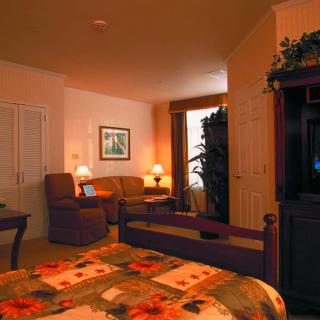
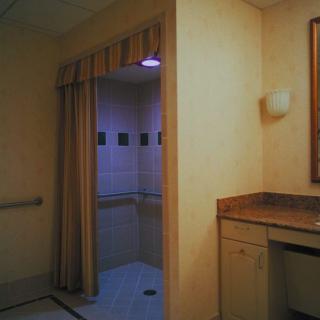
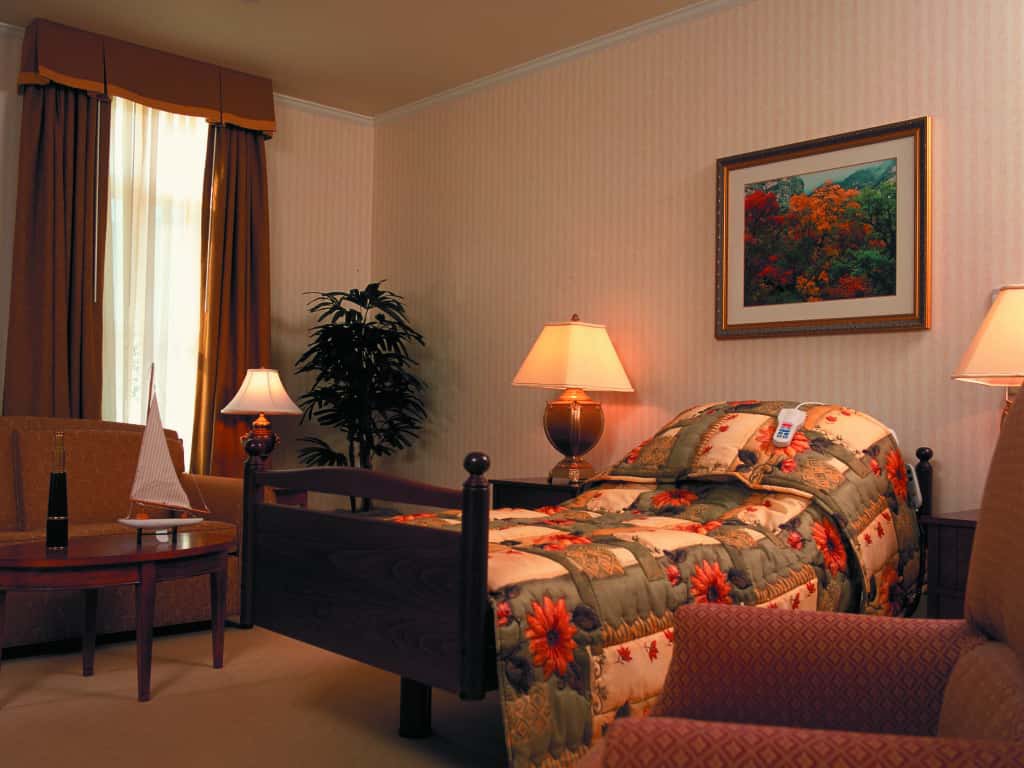
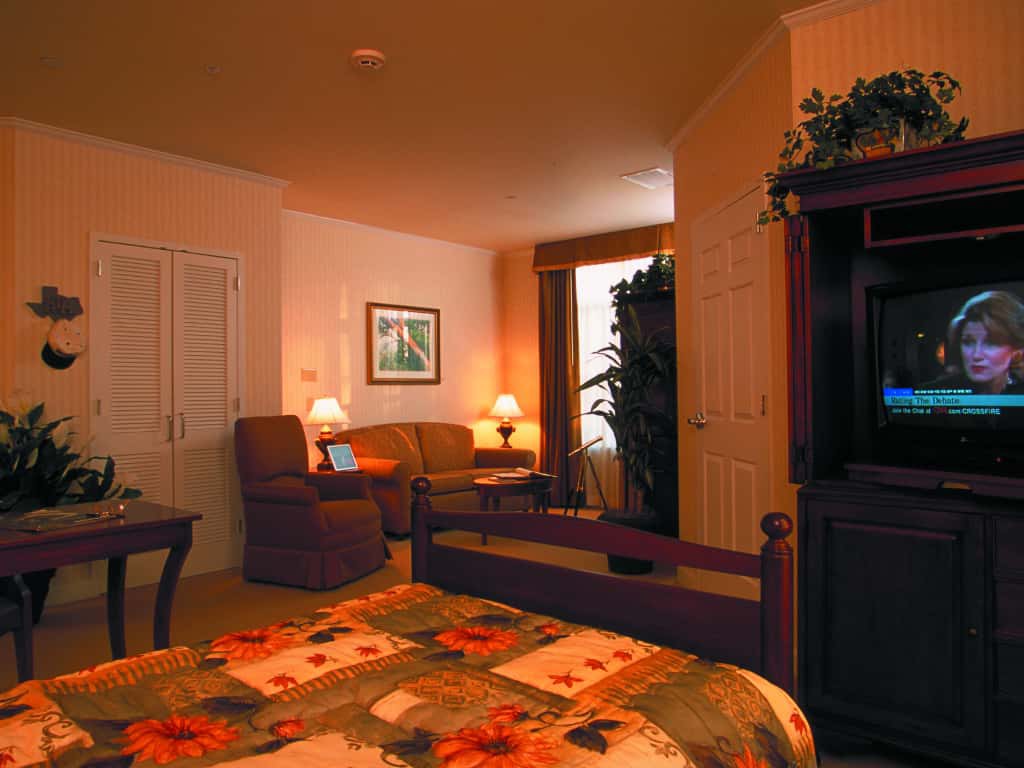
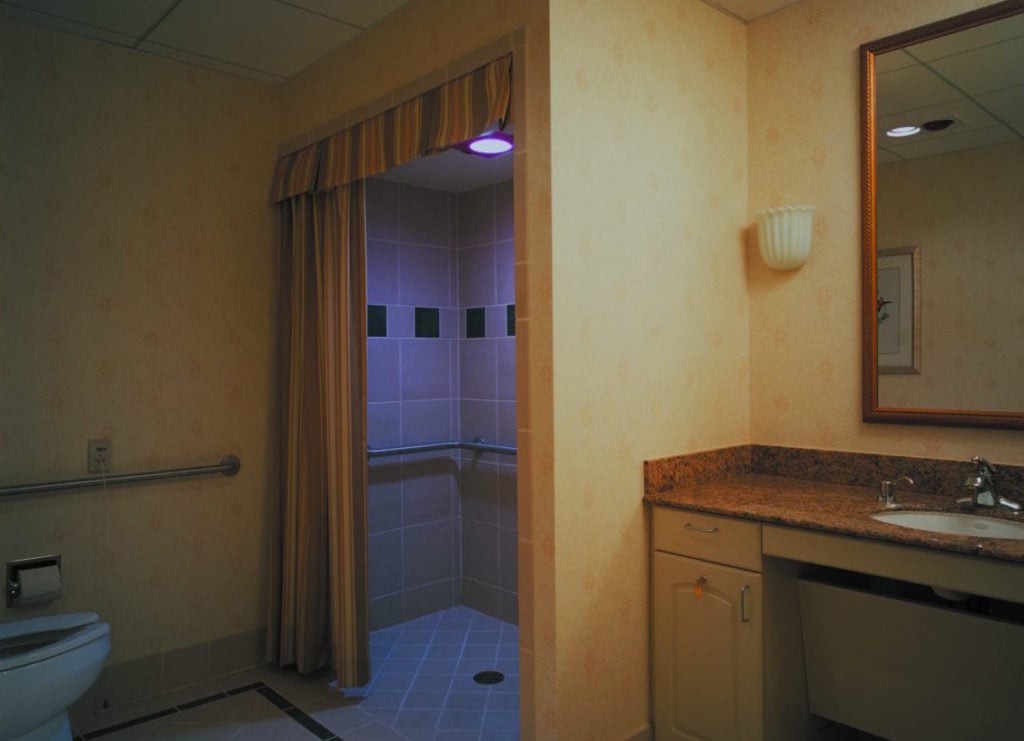
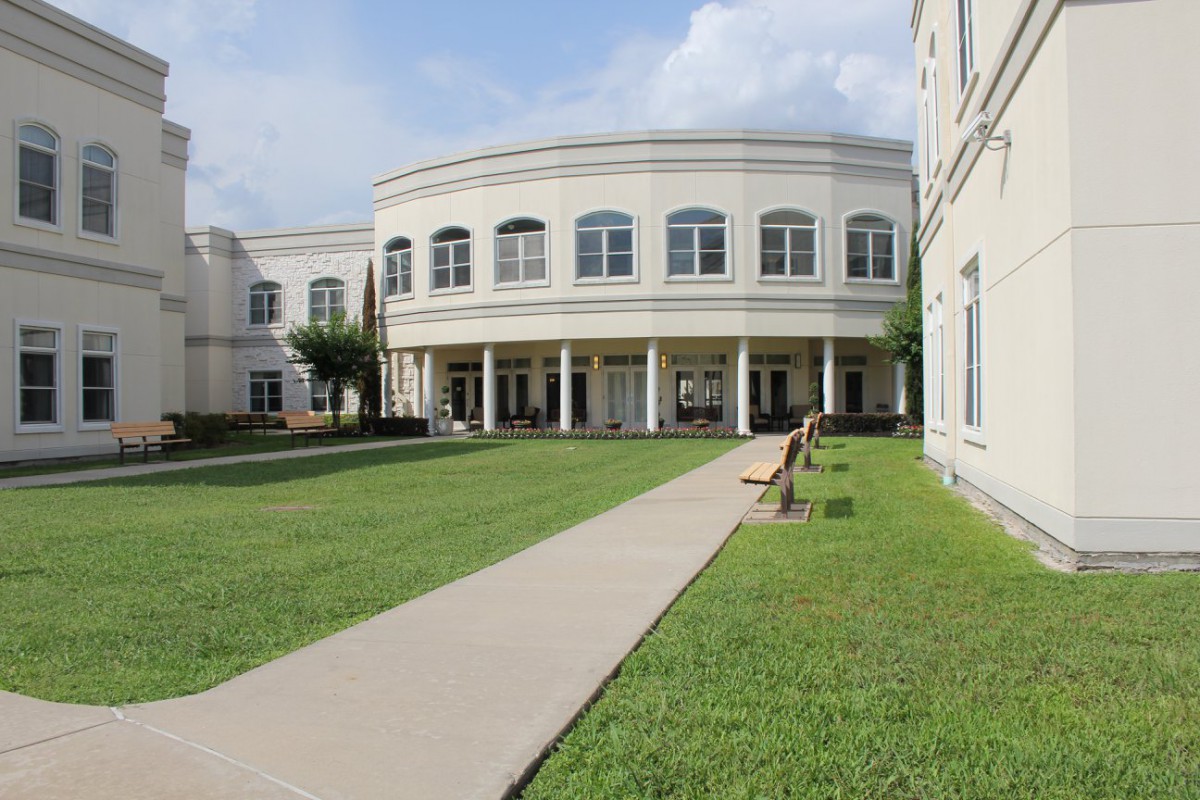
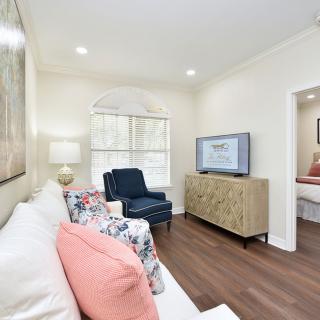
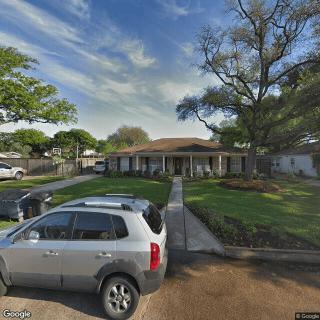
The Concierge on seniors.fyi includes 5 photos including images showing bedroom, architecture, landscaping, interior, decor, bathroom, clouds, shower, and more.
Nearby Communities
Assisting Hands of West Houston
Houston, TX
4.9 from 19 reviews
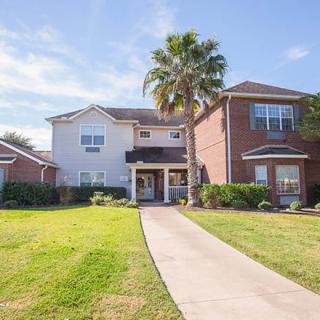
Close proximity to pharmacies, medical care, dining options, and entertainment.
Tarrytowne Estates
Houston, TX
4.8 from 137 reviews
$2,295 to $2,795 / month
Chef-inspired meals, friendly staff, and spacious apartment layouts.
Autumn Leaves Of Memorial City
Houston, TX
4.1 from 19 reviews
Modern, home-like setting with engaging activities and a strong, well-regarded reputation.
Heritage Memory Care At Eldridge Parkway
Houston, TX
4.3 from 45 reviews
$5,000 to $5,300 / month
Attentive staff, proactive communication, and a clean, secure memory-care setting with engaging activities.
Arbor Vista Stoneway
Houston, TX
Fully furnished apartments with meals, activities, housekeeping, and medical transportation.
Arbor Vista at Stoneway
Houston, TX
3.9 from 112 reviews
$2,280 to $3,420 / month
Competitive pricing with multiple room options below county/state averages.
Brookdale Shadowlake
Houston, TX
4.1 from 89 reviews
$4,500 to $6,270 / month
Friendly staff in a smaller, personable community with engaging activities.
The Abbey at Westminster Plaza
Houston, TX
4.7 from 129 reviews
$3,395 to $5,395 / month
Warm, caring staff in a clean, well-maintained community with restaurant-style dining and varied activities.
Autumn Years II
Houston, TX
4.2 from 9 reviews
$4,800 to $5,800 / month
Clean, home-like setting with friendly staff and on-site activities.
Caregiving for an aging parent entails emotional and financial responsibilities accompanied by significant tax implications, including potential benefits from claiming them as dependents and deductions for medical expenses and caregiving costs. Caregivers must understand eligibility requirements, maintain thorough documentation, and consider consulting a tax professional to navigate these complexities effectively.
Low-impact exercises are vital for seniors as they promote health, independence, and social interaction while reducing joint strain. These adaptable activities, guided by healthcare professionals, enhance strength, flexibility, and emotional well-being.
The guide details the tax deductibility of in-home healthcare expenses according to IRS guidelines, differentiating between medically necessary services and non-medical assistance, while emphasizing the need for proper documentation and itemization requirements. It also highlights state-level variations, the importance of record-keeping, and encourages seeking professional tax help to understand evolving regulations.
Get PricingAsk A QuestionSchedule A TourContact Senior Advisor
By clicking submit, you agree to our Partner's Terms of Use. You
also consent to receive calls and texts, which may be autodialed, from our Partner. Your consent is not a condition to
using our Partner's service. Please visit our Partner's Privacy Policy for information about their privacy practices.


 114 resident community capacity
 Skilled Nursing Facility
 Air-conditioning
 Beauty salon
 Cable or satellite TV
 Computer center
 Dining room
 Fitness room
 Fully furnished
 Gaming room
 Garden
 Housekeeping services
 Kitchenette
 Move-in coordination
 Outdoor space
 Private bathrooms
 Restaurant-style dining
 Small library
 Telephone
 Wellness center
 Wi-Fi/high-speed internet available
 William P X (22 miles away)
 Community operated transportation
 12-16 hour nursing
 24-hour call system
 Activities of daily living assistance
 Assistance with bathing
 Assistance with dressing
 Assistance with transfers
 Diabetes diet
 Medication management
 Mental wellness program
 Special dietary restrictions
 Concierge services
 Planned day trips
 Close proximity to pharmacies, medical care, dining options, and entertainment.


 Navigating the Tax Landscape of Caregiving: Credits, Deductions, and Beyond
 Highly Beneficial Low-Impact Exercises for Senior Living Residents
 Is In-Home Healthcare Tax Deductible? Your Comprehensive Guide