
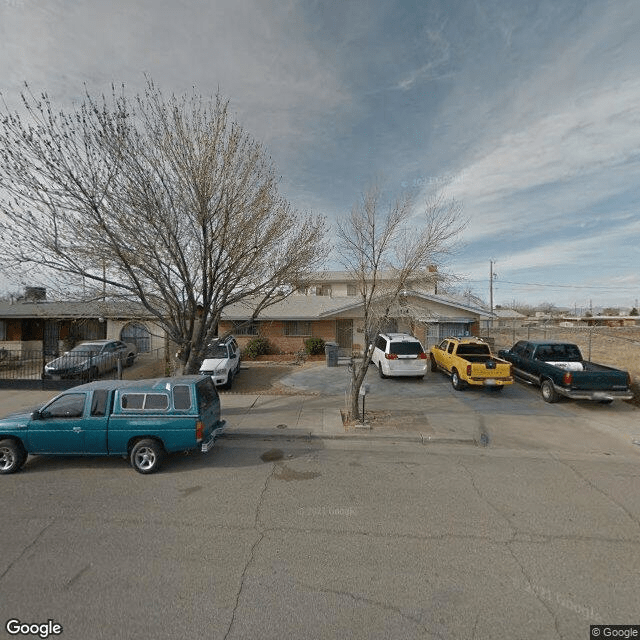
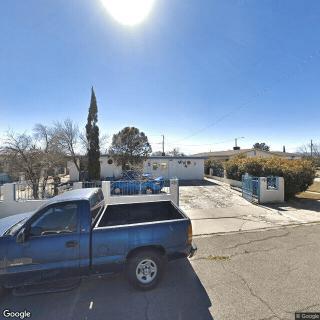
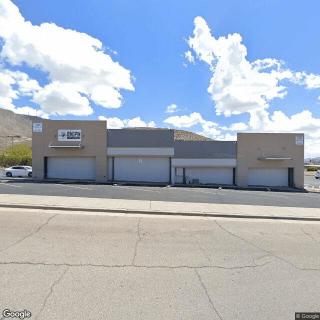
9134 Enfield Way, El Paso, TX 79907
To contact a resident: (915) 859-1566
For more information about senior living options: (866) 208-4318
Overall Review of Nunos Foster Care Home
Pros
 Ontiveros Foster Home delivers incredible care with lovely staff, leaving residents happy and well cared for.
- It is described as an amazing place with amazing people, where loved ones can spend their last days with care and compassion.
- Rufina Briseno and her team provide individualized attention in a smaller, homelike setting, helping residents stay engaged and comfortable.
- Rufina goes above and beyond to ensure residents look good, feel good, and maintain strong mental health, treating everyone with respect around the clock.
- Families consistently say Ontiveros Foster Home is the best place to entrust loved ones, offering trust and security.
- Residents are treated like family with love, respect, and attentive care.
- The home feels like coming home—warm, comforting, and welcoming for visits from families.
- End-of-life care at Ontiveros Foster Home is compassionate and dignified, with staff by residents’ sides and open communication with families.
Review
This community is best suited for families seeking an intimate, home-like environment where an elderly loved one can receive exceptionally individualized attention and compassionate, present care. Ontiveros Foster Home in El Paso operates as a small, family-run setting where caregivers know residents by name, monitor medical needs closely, and weave daily life around comfort, dignity, and personal routines. It is especially well-suited for seniors who thrive on steady familiarity, meaningful interactions, and the reassurance that family can drop in at any moment without formality or gatekeeping.
Those who may want to consider alternatives are families whose loved ones require more formal clinical oversight or a larger, more structured memory-care program. If the requirement is hospital-grade equipment, aggressive wound care, or around-the-clock skilled nursing with a full calendar of scheduled activities on a grand campus, a conventional assisted-living campus or nursing facility may be a better fit. For residents with high-acuity needs or those who demand a broader continuum of specialized therapies, the smaller foster-home model might fall short, making a transition to a larger operation more appropriate.
The core strengths here, deep personal attention, a warm, home-like atmosphere, and constant family involvement, directly offset potential gaps inherent in a very small setting. The staff’s commitment translates into consistently high-quality daily care: attentive monitoring of medications and vital signs, meticulous hydration and nutrition, and a steady emphasis on safety, comfort, and emotional well-being. Families repeatedly note that care goes beyond the basics, with staff tending to appearance, mood, and dignity, which smooths the stress of decline and end-of-life moments. This level of individualized focus creates a sense of serenity and trust that larger facilities often struggle to replicate.
Equally compelling are the social and emotional benefits described in the experiences shared. The home environment fosters genuine rapport among residents, with activities that feel personal rather than prescribed, such as walks in the garden, crafts, and shared meals that celebrate family occasions. Flexible visitation sits at the core of the model, allowing loved ones to participate in daily life and medical discussions without bureaucratic hindrances. The atmosphere of respect and warmth extends to end-of-life care, where families voice gratitude for compassionate presence, timely updates, and the feeling that a loved one is cherished as part of a caring family, not a patient in a facility.
Pros and cons align in practice here: the small setting can mean fewer formal programs and a more intimate pace, but that very intimacy translates into highly reliable visibility, quicker responsiveness, and stronger personal connection. For families prioritizing peace of mind, the ability to witness ongoing progress and witness a caregiver who treats a parent as family often outweighs the absence of a large, structured activity slate or the presence of on-site specialists. The trade-off, less institutional complexity in exchange for more personalized attention, appears favorable to those who value consistent, emotionally supportive care as a primary criterion.
In deciding, the strongest recommendation is for families seeking premium, compassionate end-of-life and ongoing support within a home-like, family-centric framework. This is not the choice for those whose loved one requires extensive clinical depth or a large-scale memory-care program. Prospective families should arrange a visit to observe daily interactions, meet Rufina Ontiveros and her team, and confirm that the care plan aligns with specific medical needs, dietary requirements, and mobility goals. If open access, transparent communication, and a sense of belonging for both the resident and their family are paramount, Ontiveros Foster Home stands out as a trusted, capable partner for navigating the final chapters with dignity and warmth.
 Board and Care Home
 El Paso International (8 miles away)

 Comprehensive Insights into Palliative Home Care: What It Is and What to Expect
 Skilled Nursing Facilities vs. Nursing Homes: Making Sense of the Differences
 A Detailed Examination of Nursing Home Costs Across the U.S.