

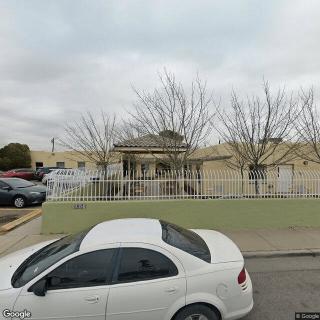
340 Mariana Cir., El Paso, TX 79915
To contact a resident: (915) 778-3939
For more information about senior living options: (866) 208-4318
Overall Review of Morenos Foster Home
Pros
 The mother received the best care imaginable at Ruthie’s Place, with Patty and her team exceeding expectations in every way.
- Patty and her team consistently engaged with residents, treating them with dignity and respect even as Alzheimer’s progressed.
- There was daily engagement in occupational therapy and activities, with residents encouraged to move and exercise.
- The family setting was attentive and dedicated, with staff who got to know residents and loved them as part of the family.
- The household conditions were impeccably clean and safe, and residents ate healthy, home-cooked meals in a social, family setting.
- Ruthie’s Place gave the mother the quality of life she deserved in her final years, providing the family with peace of mind.
- The overall care and environment at Ruthie’s Place were described as outstanding, eliciting deep gratitude from families.
Review
Morenos Foster Home is best suited for families seeking a warm, home-like setting where daily living assistance is delivered with patience, personalized attention, and a sense of family. The model works especially well for seniors who benefit from intimate caregiving, predictable routines, and meaningful social engagement. Residents who respond to daily programs, movement, simple therapeutic activities, and time outdoors, often flourish when care feels relational rather than transactional. For families prioritizing dignity, consistent communication, and a sense of belonging over institutional scale, this setting offers a compelling match.
Those evaluating options should consider alternatives if medical acuity is high or if a formal memory-care or nursing-centered environment is required. A smaller foster-home model naturally carries fewer on-site clinicians, fewer dedicated rehabilitation resources, and less 24/7 medical oversight than larger assisted-living campuses. Families needing comprehensive clinical oversight, regimented memory-care programming, or immediate access to licensed nursing and on-site therapy may find a larger community more aligned with their care goals. Location, campus amenities, and structured care pathways also become decisive when the priority shifts to a highly medicalized or highly specialized setting.
The strongest positives are unmistakable. Care teams in this model tend to be deeply attentive, learning each resident’s preferences, routines, and triggers, which translates into highly personalized care. Daily life flows with social interaction, simple exercises, arts and crafts, and routine outdoor time, all of which support mood and mobility. Regular updates, often with photos, help families stay connected and reassured, while holiday celebrations and a consistently homey atmosphere create a sense of continuity and belonging. Cleanliness and safety appear to be a standard, with meals prepared in-house and served in a social, family-friendly context that reinforces a nurturing environment.
The main drawbacks center on the inherent limits of a smaller operation. In a private-home setting, access to on-site medical staff and advanced therapeutic services is not as robust as in larger facilities, and transitions to higher levels of care may require more planning and coordination. Privacy and space can feel more constrained than in bigger campuses, and the scope of programmed activities may not cover every specialized interest or condition. While most families report strong satisfaction, one review among several highlights that not every experience aligns perfectly, underscoring the need to verify that expectations match the actual care model and capabilities.
Nevertheless, the strengths often offset these gaps for families who can lean into a close, collaborative care partnership. The intimate environment fosters dignity and genuine relational warmth, which sustains residents’ emotional well-being and can slow mood and functional decline through consistent engagement. When a caregiver team maintains open, frequent communication and families participate in coordinated planning, the risk of isolation diminishes and overall quality of life improves. For many, the emotional dividends, regular contact, predictable routines, and a sense of being part of a caring village, outweigh the absence of a large, clinical care umbrella.
To make a confident decision, prospective families should conduct a targeted visit and observe how daily life unfolds during meals, activities, and family interactions. Key questions should address staffing ratios, staff training in memory care, and the process for medication management and emergency responses. Request a sample weekly schedule and a formal care plan tailored to memory-related needs, and confirm licensing status and the scope of medical oversight provided. Ask about trial stays or respite options to test fit, and compare with nearby facilities that offer dedicated memory-care wings or more extensive nursing services. For families prioritizing intimate, attentive, home-centered care, Morenos Foster Home stands out as a practical, compassionate choice; for those seeking broader clinical infrastructure, it warrants careful comparison with alternative options.
 Board and Care Home
 El Paso International (6 miles away)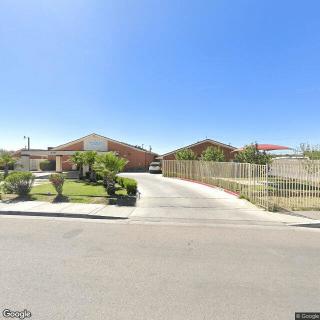


 Seniors and Modern Transportation: Exploring Uber, Lyft, and Other Ride-Hailing Options
 Comprehensive Guide to Qualifying for Home Health Care Services
 Powerful Realities of Elder Abuse and the Most Effective Ways to Report It