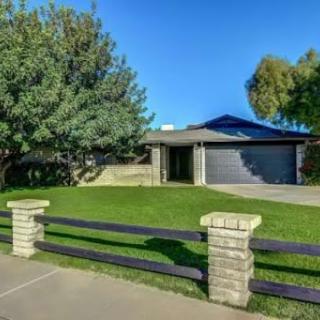

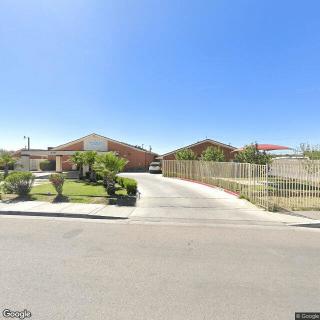
7750 Lilac Way, El Paso, TX 79915
To contact a resident: (915) 594-1031
For more information about senior living options: (866) 208-4318
Overall Review of Good Samaritan Towers
Pros
 The living area concept is good.
- The elevator has good capacity.
- The community center looks nice.
- The facility is peaceful, nice, and organized, with three floors and options for elderly and independent living.
- The staff are nice.
- It is a very nice place for adults.
- The facility is excellent.
Cons
 Interaction with staff was limited, making it hard to get a good feel for the facility and its people.
- There was favoritism and inconsistency from the manager, accompanied by a general bad attitude and fear of retribution.
- Daily care could be horrible, including unreachable call buttons, residents left in bed or wheelchair, and inadequate nutrition assistance.
- Understaffing led to long care waits (often 20 minutes) and overwhelmed staff.
- Security and access were poor, with the front desk rarely occupied and outsiders often standing waiting without being questioned.
- The parking lot is extremely small.
- The manager was very rude.
Review
This community is best suited for seniors who want a sizable, multi-floor living environment with ready access to social activities and convenient location, where independence is feasible and the appeal lies in a well-appointed, elevator-served setting. The facility delivers a spacious campus feel: three levels, an elevator with solid capacity, and a nicely maintained common area and community center that projects orderliness and calm. For residents who prize a peaceful, organized atmosphere and the ability to move about without stairs fatigue, Good Samaritan Towers can feel like a solid match.
Those who may want to consider alternatives are residents who need consistently attentive daily care or who require a strong, supportive management presence. The reviews repeatedly flag variability in leadership and daily staffing, and that pattern matters: favoritism and inconsistency in management can create a tense, fear-laden environment for residents who speak up. If reliability, predictable caregiver response, and a transparent, proactive administrator are non-negotiables, a smaller or more closely managed community may deliver steadier day-to-day experience and fewer surprises.
The biggest positives, size, safety-conscious amenities, and a calm, social setting, do offer real value for independent seniors who do not yet require intensive assistance. A larger facility can support more activities, keep neighbors socially engaged, and provide a sense of permanence and community. The rehab specialists are noted as capable, and the physical footprint, including the well-kept common areas, contributes to a comfortable living vibe. These strengths can offset some inconvenience for residents who want a one-stop, stay-active environment and who can navigate occasional administrative rough patches without that friction translating into care gaps.
However, the down side raised by multiple reviews cannot be dismissed. Understaffing and inconsistent daily care emerge as recurring concerns: delayed responses to call buttons, extended wait times for assistance, and reports of inadequate nutrition support or basic comfort needs not being met. The impression of a front desk and security presence that isn’t consistently available compounds feelings of uncertainty for families and residents alike. Managerial rudeness and a culture where complaints seem to carry risk of retaliation underscore a critical risk: even when clinical staff are capable, the environment can deteriorate if supervision and accountability are not reliable.
Prospective movers should approach with a clear plan for oversight and a checklist for daily care compliance. Visit at different times to observe response times, ask about caregiver ratios, and request direct conversations with a charge nurse or supervisor about how calls are triaged. Inspect the security posture, parking logistics, and guest access, and verify how management handles concerns and follow-through. Consider bringing a family member or private aide for the day-to-day routine if daily care is anticipated; the experience suggests that independent perks do not automatically translate into dependable daily support.
In sum, Good Samaritan Towers delivers a comfortable, social, elevator-accessible environment that serves independent seniors who value location and community facilities. It is less ideal for families prioritizing consistently high-quality daily care and unwavering managerial follow-through. Those who can tolerate, or better yet, demand, strong oversight and proactive problem-solving from leadership may still find value here, especially if independence and social engagement are the priority. For anyone weighing alternatives, anchor the decision in daily-care reliability, staff stability, and the clarity of the management culture, these factors decide whether the positives can truly outweigh the cons over the long haul.
 Assisted Living
 Activities on-site
 Devotional services off-site
 Indoor common areas
 El Paso International (5 miles away)
 Ambulatory care
 Diabetic care
 Meals provided






 Funding and Affording Assisted Living: A Thorough Overview
 Assisted Living Expenses and Long-Term Care Insurance: A Comprehensive Exploration
 Securing Financial Support for Assisted Living: A Comprehensive Overview