
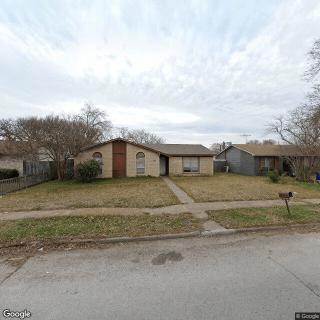
9508 Circlewood Drive @ Street Rosalie, Dallas, TX 75217
For more information about senior living options: (866) 208-4318
Overall Review of V S Morales Personal Care Home For The Aging
Pros
 Avendelle Assisted Living is a wonderful, beautiful facility with loving and caring caregivers.
- Terry and his homecare staff are kind, accommodating, and attentive.
- Lavendale is an excellent facility with kind and caring staff.
- The food at Lavendale is good and freshly prepared on site.
- The rooms are cheerful and very clean.
- The manager excels at her job, engaging residents in crafting activities, exercise classes, movies, and outdoor activities.
- The cost is about half of what is paid for a large facility, with care that is much more personalized.
- Each resident has their own bedroom with a private bath.
Cons
 They warn that horror stories about other facilities are true and caution readers to beware of deceit.
- They state that other places charge extra for every little thing.
Review
V S Morales Personal Care Home For The Aging is best suited for families seeking a small, intimate, home-style setting in Dallas where care is personal, visible, and ongoing. The reviews paint a clear throughline: when residents are in a environment that feels like a welcoming home with consistent, compassionate staff, the daily experience is quiet, respectful, and focused on comfort. This community is a compelling match for seniors who value hands-on attention, regular social activities, fresh meals prepared on site, and a calm, nonclinical atmosphere that prioritizes relationship-building over protocol. For families that want a sense of “this is home for Mom or Dad” rather than “this is a facility,” this setting stands out as a practical and emotionally resonant choice.
That said, certain circumstances may justify exploring alternatives. Families whose loved ones require high-intensity nursing, constant medical oversight, or highly structured memory-care programming may want larger campuses that offer broader clinical staffing and specialty units. Some reviewers emphasize the strength of staff and the affordability of care in smaller homes, but that same scale can mean fewer on-site resources for complex medical needs. For seniors who need frequent physician visits, comprehensive rehabilitation services, or highly specialized memory-support environments, a bigger option with more formal medical infrastructure could prove more suitable.
The strongest positives in these home-like environments consistently center on people, not programs. Staff are described as loving, kind, and genuinely dedicated to the residents’ well-being, with caregivers who go the extra mile to create a comfortable routine and maintain open lines of communication with families. The atmosphere tends to be cheerful and relaxed, with residents participating in crafts, exercise, movies, and outdoor activities that promote engagement without feeling regimented. Food is typically praised as fresh and well-prepared, and rooms are kept clean and inviting, contributing to a sense of safety and dignity that families notice immediately.
Where those advantages meet potential trade-offs, the main questions shift to scale and medical readiness. Smaller, home-style settings often rely on a leaner staff structure, which can translate into excellent day-to-day attention but may limit the immediacy of medical interventions or the availability of on-site specialists. Prospective residents should verify the exact care model: What is the nursing presence during evenings and weekends? How are medications managed, and who coordinates with external physicians? Is there access to on-call clinicians or visiting specialists when medical needs arise? These considerations become decisive for families balancing independence and medical acuity.
The value proposition, when aligned with a loved one’s needs, remains compelling. The most persuasive factors are the proven strength of caregiver relationships, the affordability relative to larger senior communities, and the ability to maintain a home-like rhythm that many residents find emotionally comforting. The shared experiences in these homes, daily activities, neighborly interactions, and visible staff attachment to residents, offset potential gaps in formal medical services by delivering a higher level of everyday quality of life and peace of mind to families. In other words, the pro-packages of warmth, proximity, and individualized attention often compensate for the absence of a sprawling medical campus.
For families moving through options in Dallas, the takeaway is clear: if a loved one thrives on personal connection, predictable routines, and a genuine sense of belonging, a small personal care home is a prudent, even preferred, path. If medical complexity or a need for intensive, on-site clinical care dominates the decision, then a larger, more medically equipped facility warrants close comparison. The recommended approach is to visit several settings that share the same home-like ethos, observe direct interactions between staff and residents, request sample menus and activity calendars, and ask for a candid outline of what happens when medical needs shift. In the end, the best choice aligns the resident’s daily lived experience with reliable, compassionate care, and in that metric, these intimate homes offer a practical, human-centered alternative to more institutional options.
 12 resident community capacity
 Assisted Living
 Board and Care Home
 Cable or satellite TV
 Dining room
 Fully furnished
 Garden
 Housekeeping services
 Move-in coordination
 Outdoor space
 Telephone
 Wi-Fi/high-speed internet available
 Dallas Love (16 miles away)
 24-hour supervision
 Activities of daily living assistance
 Assistance with bathing
 Assistance with dressing
 Assistance with transfers
 Diabetes diet
 Meal preparation and service
 Medication management
 Special dietary restrictions
 Transportation arrangement (medical)
 Transportation to doctors appointments





 Comprehensive Residential Support and Assisted Living Solutions for Individuals with Disabilities
 Comprehensive Supportive Living Arrangements for Adults with Disabilities
 Funding and Affording Assisted Living: A Thorough Overview