
10451 Summer Oaks Drive, Dallas, TX 75227
For more information about senior living options: (866) 208-4318
Overall Review of Masons Personal Care Homes 2
Pros
 The owner seemed very knowledgeable regarding the ins and outs of the benefits system.
- Things look positive.
Cons
 He dumps people at nursing homes and doesn’t disclose information for continuity of care.
Review
Masons Personal Care Homes 2 in Dallas is best suited for families seeking a small, hands-on, home-like environment for a resident who primarily needs personal care and daily support rather than advanced medical treatment. The setting appeals to households that value direct access to management and a caregiver team that feels more intimate and responsive because of the smaller scale. In this context, the owner’s involvement and a seemingly practical approach to daily operations can translate into a sense of attentiveness and flexibility that larger facilities often struggle to match. It is a choice that rewards families who want clearer, more personalized interaction with the person making daily care decisions.
At the same time, alternatives should be considered for anyone who prioritizes rigorous continuity of care and transparent, documented discharge planning. The central red flag here is the reported lack of disclosed information about continuity of care and how transitions are handled if a resident’s needs escalate or if transfer to a nursing facility becomes necessary. For seniors with fluctuating or higher-acuity medical requirements, or for families who need a robust, formalized process to manage care across settings, other licensed communities with explicit policies and stronger care coordination may be more reliable choices. This is a decision where risk tolerance matters.
The clear upside centers on the owner’s demonstrated knowledge of the benefits system, which can be a meaningful asset for families navigating funding, eligibility, and entitlements. That expertise can shorten the path to securing appropriate supports and may reduce financial stress during the planning phase. The small-scale operation can also translate into more accessible direct communication and a sense that the care team is personally invested in each resident’s well-being. The owner’s practical orientation toward benefits and daily operations can seed a workable, family-forward plan if paired with transparent policies and reliable execution.
The principal drawbacks, however, are substantive enough to offset those potential advantages unless addressed. The most consequential concern is the implication that residents could be discharged to nursing homes without clear, disclosed continuity-of-care information. That kind of ambiguity is destabilizing for families seeking predictable care trajectories, reliable medical oversight, and a clear understanding of who manages clinical needs as conditions evolve. In a setting this small, where personal attention is the main selling point, the absence of open, documented discharge and care transition planning erodes trust and makes long-term commitment risky.
To balance the positives and the risks, the decision hinges on the facility’s willingness to codify and share care-continuity protocols. If the owner can provide written policies, sample discharge plans, and concrete references that demonstrate reliable coordination with outside providers or agencies, the identified benefits management strength becomes a real compensating factor. Prospective residents should insist on seeing a formal continuity-of-care framework, current staffing details, and a transparent process for escalation of medical needs. Without those assurances, the risk profile remains elevated.
In practical terms, families should pursue a clear, action-focused exit ramp: visit the home, interview staff and the owner about care planning, request written policies on discharge and transitions, and verify licensing and compliance records. If the facility can demonstrate consistent, documented care coordination and a track record of keeping residents within appropriate settings rather than pushing them to outside facilities, this option can work for the right match. If not, mainstream assisted living communities with established, externally reviewed continuity protocols will deliver greater reliability and peace of mind. This decision should be anchored in transparent processes, measurable safeguards, and a willingness to put documented resident care first.
 8 resident community capacity
 Assisted Living
 Cable or satellite TV
 Dining room
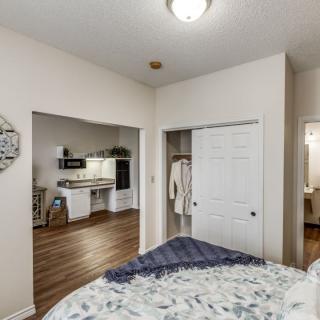
 Fully furnished
 Garden
 Housekeeping services
 Move-in coordination
 Outdoor space
 Telephone
 Wi-Fi/high-speed internet available
 Dallas Love (14 miles away)
 24-hour supervision
 Activities of daily living assistance
 Assistance with bathing
 Assistance with dressing
 Assistance with transfers
 Diabetes diet
 Meal preparation and service
 Medication management
 Special dietary restrictions
 Transportation arrangement (medical)
 Transportation to doctors appointments




 Funding and Affording Assisted Living: A Thorough Overview
 Assisted Living Expenses and Long-Term Care Insurance: A Comprehensive Exploration
 Securing Financial Support for Assisted Living: A Comprehensive Overview