3505 South Buckner Boulevard Bldg 5, Dallas, TX 75227
For more information about senior living options: (866) 208-4318
4.3 from 120 reviews
5 stars
85
4 stars
16
3 stars
2
2 stars
3
1 stars
14
Overall Review of Brentwood Place Four
common9 reviews mention this
Cleanliness and odor stand out
Residents describe the facility as noticeably clean, though some report strong odor issues.
Many residents and families mention the building is clean and maintained, including comments about bright common areas and floors being well kept. Several reviews also call out odor positively, saying it does not smell like typical nursing homes or that there are no bad odors indoors. At the same time, a few reviews describe unpleasant smells in specific buildings/rooms and one review describes a very strong nauseating smell upon arrival.
common20 reviews mention this
Caring staff gets frequent praise
Staff are frequently described as welcoming, friendly, and willing to go the extra mile for residents.
A large share of reviews focus on staff being polite, welcoming, and attentive to resident needs. Several reviewers single out specific people and describe feeling supported during visits or while advocating for care. Some reviews also mention leadership (like an administrator or director) as responsive and involved when concerns come up, including follow-up actions like training or resolving complaints.
caveat6 reviews mention this
Communication and call response is inconsistent
Some reviews say it can be hard to reach staff when help is needed.
Several reviews raise problems with getting in touch, including reports of phones not being answered or calls going unanswered. Others describe delays or missed response to urgent needs, including complaints about call buttons not being answered and pain or care not arriving when requested. A few reviews still acknowledge communication may not be immediate, but they frame it as work happening behind the scenes, which shows the experience varies by reviewer.
differentiator4 reviews mention this
Rehabilitation and therapy involvement
Therapy and rehabilitation are discussed often, with residents noting quick start and active programming.
Some reviewers describe rehabilitation starting promptly and mention that therapy was underway right away after admission. Others highlight the therapy department as engaged and focused on improving residentsā€™ function. There are also negative comments in the reviews about therapy and care routines when family members felt they had to push to get services addressed, which suggests quality and follow-through may not be uniform for everyone.
How we summarize
Counts show how many written reviews mention each theme; a review can touch several themes, and only frequently mentioned themes are displayed.
Features
Housing
90 resident community capacity
Types of Care
Skilled Nursing Facility
Amenities
Air-conditioning
Beauty salon
Cable or satellite TV
Computer center
Dining room
Fitness room
Fully furnished
Gaming room
Garden
Housekeeping services
Kitchenette
Move-in coordination
Outdoor space
Private bathrooms
Restaurant-style dining
Small library
Telephone
Wellness center
Wi-Fi/high-speed internet available
Transportation
Dallas Love (11 miles away)
Dallas-Fort Worth International (22 miles away)
Community operated transportation
Transportation arrangement
Transportation arrangement (non-medical)
Transportation to doctors appointments
Care Services
12-16 hour nursing
24-hour call system
24-hour supervision
Activities of daily living assistance
Assistance with bathing
Assistance with dressing
Assistance with transfers
Diabetes diet
Meal preparation and service
Medication management
Mental wellness program
Special dietary restrictions
Dining
Diabetes diet
Special dietary restrictions
Activities
Community-sponsored activities
Concierge services
Fitness programs
Planned day trips
Resident-run activities
Scheduled daily activities
Nearby Places of Interest
Pharmacies
Walgreens (1.2 miles)
Walmart Pharmacy (1.9 miles)
CVS Pharmacy (2 miles)
CVS Pharmacy (2.3 miles)
Walgreens (3 miles)
Walgreens (3.2 miles)
CVS Pharmacy (3.2 miles)
Physicians
John West Low Cost Immunization Clinic (2.7 miles)
Seniors benefit from ride-hailing services like Uber and Lyft, which provide convenient and accessible transportation options that promote independence and social engagement, while addressing mobility challenges. These platforms have adapted to meet senior needs with user-friendly features and safety measures, although costs can be a concern; community programs may help subsidize rides for older adults.
The guide outlines the eligibility criteria for home health care services, emphasizing clinical requirements, insurance options, and application processes. It distinguishes between Medicare's strict and Medicaid's flexible qualifications while addressing challenges families may face in securing necessary care at home.
Elder abuse affects many older adults worldwide and includes physical, emotional, neglectful, and financial harm, with about one in six individuals over 60 experiencing abuse annually. Prevention and intervention strategies focus on awareness, support for caregivers, and mandatory reporting, while recovery necessitates comprehensive support for both physical and emotional needs.
Get PricingAsk A QuestionSchedule A TourContact Senior Advisor
By clicking submit, you agree to our Partner's Terms of Use. You
also consent to receive calls and texts, which may be autodialed, from our Partner. Your consent is not a condition to
using our Partner's service. Please visit our Partner's Privacy Policy for information about their privacy practices.

 90 resident community capacity
 Skilled Nursing Facility
 Air-conditioning
 Beauty salon
 Cable or satellite TV
 Computer center
 Dining room
 Fitness room
 Fully furnished
 Gaming room
 Garden
 Housekeeping services
 Kitchenette
 Move-in coordination
 Outdoor space
 Private bathrooms
 Restaurant-style dining
 Small library
 Telephone
 Wellness center
 Wi-Fi/high-speed internet available
 Dallas Love (11 miles away)
 Community operated transportation
 12-16 hour nursing
 24-hour call system
 Activities of daily living assistance
 Assistance with bathing
 Assistance with dressing
 Assistance with transfers
 Diabetes diet
 Medication management
 Mental wellness program
 Special dietary restrictions
 Concierge services
 Planned day trips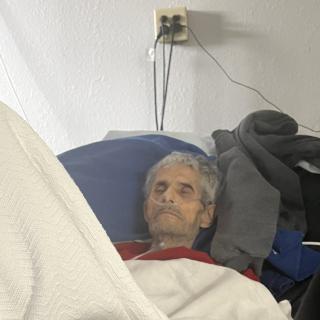
 Extensive on-site care and amenities (24/7 supervision, dining, transportation, fitness, wellness programs).
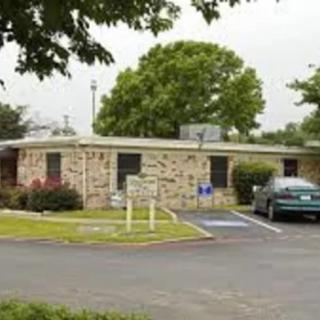

 Seniors and Modern Transportation: Exploring Uber, Lyft, and Other Ride-Hailing Options
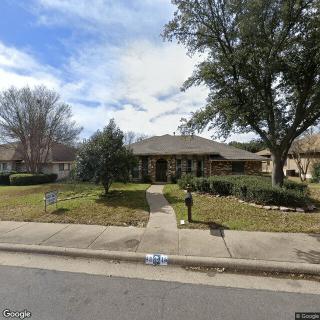
 Comprehensive Guide to Qualifying for Home Health Care Services
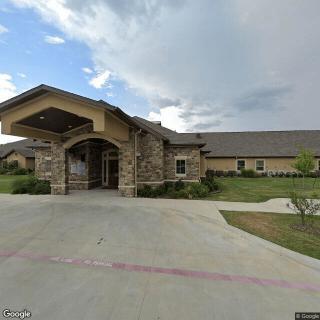
 Powerful Realities of Elder Abuse and the Most Effective Ways to Report It