West Lake Healthcare Residence is a nursing home community in Mesquite, TX.
Information last verified:
825 West Kearney, Mesquite, TX 75149
For more information about senior living options: (866) 208-4318
4.3 from 52 reviews
5 stars
41
4 stars
2
3 stars
2
2 stars
0
1 stars
7
Overall Review of West Lake Healthcare Residence
common14 reviews mention this
Therapy and rehab get attention
Residents consistently describe strong physical, occupational, and speech therapy support.
Many reviews focus on therapy teams helping with recovery, mobility, and day-to-day progress, with repeat mentions of specific therapists by name. Several residents describe therapy sessions as excellent and note improvements during their stay. A smaller set of reviews dispute the therapy provided, including claims about missing therapy coverage and incorrect therapy for their loved one.
common15 reviews mention this
Care communication and responsiveness
Communication from staff is frequently described as helpful and reassuring for families.
A common thread is that residents and families feel supported through nursing care, medication help, and regular check-ins. Several reviews mention staff taking questions seriously, coordinating care discussions, or keeping families informed about care plans. There are also recurring concerns in some reviews about delayed or inadequate attention to medical issues and safety needs.
common10 reviews mention this
Cleanliness stands out
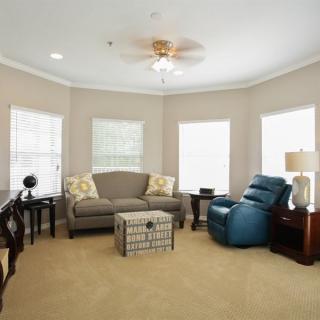
Many residents and families say the building is kept clean and comfortable.
Several reviews describe the facility as clean and well maintained, including comments about odors and overall comfort. A few residents also mention day-to-day upkeep like housekeeping and a fresh, neat environment. However, some critical reviews directly call the facility filthy or describe hygiene lapses affecting patient care.
caveat7 reviews mention this
Dining and nutrition draw mixed reactions
Dining quality is inconsistent, with strong praise alongside serious complaints.
Some reviews say the food is very good, with residents enjoying meals and even requesting alternatives when needed. Others describe nutrition and therapy working together to support day-to-day activity. At the same time, multiple negative reviews complain about rancid or unacceptable food and dissatisfaction with dining in general.
common7 reviews mention this
Activities help residents stay engaged
Residents often mention activities and exercise as a bright spot.
Many reviews highlight scheduled activities, resident participation, and exercise or games that keep people engaged. Several residents describe a social environment where they can join in and spend time with others. This theme also connects to comfort and routine—though a few critical reviews raise concerns about staff capacity and overall care execution.
caveat6 reviews mention this
Some reviews flag serious care gaps
A portion of reviewers report issues with staffing levels and medical follow-through.
Several critical reviews describe problems such as insufficient staffing, delayed attention to symptoms, or inadequate therapy and rehabilitation support. Some families report safety concerns and difficulties getting urgent help when needed. There are also reviews describing severe outcomes related to care quality, alongside allegations of mismanagement during medical episodes.
How we summarize
Counts show how many written reviews mention each theme; a review can touch several themes, and only frequently mentioned themes are displayed.
Seniors benefit from ride-hailing services like Uber and Lyft, which provide convenient and accessible transportation options that promote independence and social engagement, while addressing mobility challenges. These platforms have adapted to meet senior needs with user-friendly features and safety measures, although costs can be a concern; community programs may help subsidize rides for older adults.
The guide outlines the eligibility criteria for home health care services, emphasizing clinical requirements, insurance options, and application processes. It distinguishes between Medicare's strict and Medicaid's flexible qualifications while addressing challenges families may face in securing necessary care at home.
Elder abuse affects many older adults worldwide and includes physical, emotional, neglectful, and financial harm, with about one in six individuals over 60 experiencing abuse annually. Prevention and intervention strategies focus on awareness, support for caregivers, and mandatory reporting, while recovery necessitates comprehensive support for both physical and emotional needs.
Get PricingAsk A QuestionSchedule A TourContact Senior Advisor
By clicking submit, you agree to our Partner's Terms of Use. You
also consent to receive calls and texts, which may be autodialed, from our Partner. Your consent is not a condition to
using our Partner's service. Please visit our Partner's Privacy Policy for information about their privacy practices.

 149 resident community capacity
 Skilled Nursing Facility
 Air-conditioning
 Beauty salon
 Cable or satellite TV
 Computer center
 Dining room
 Fitness room
 Fully furnished
 Gaming room
 Garden
 Housekeeping services
 Kitchenette
 Move-in coordination
 Outdoor space
 Private bathrooms
 Restaurant-style dining
 Small library
 Telephone
 Wellness center
 Wi-Fi/high-speed internet available
 Dallas Love (15 miles away)
 Community operated transportation
 12-16 hour nursing
 24-hour call system
 Activities of daily living assistance
 Assistance with bathing
 Assistance with dressing
 Assistance with transfers
 Diabetes diet
 Medication management
 Mental wellness program
 Special dietary restrictions
 Concierge services
 Planned day trips
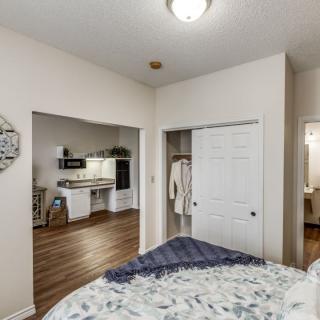
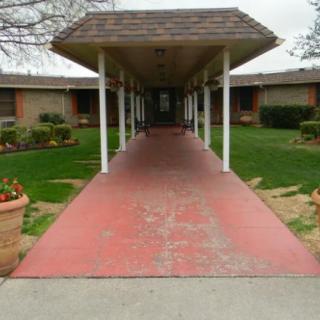
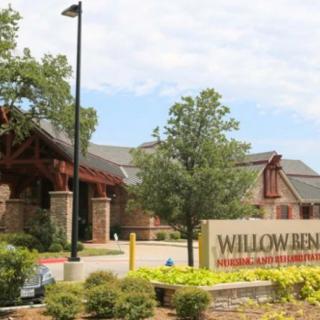
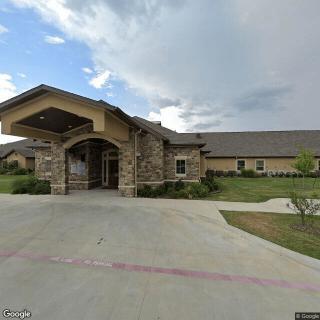
 Friendly, caring staff and a clean, engaging community with plenty of activities.


 Seniors and Modern Transportation: Exploring Uber, Lyft, and Other Ride-Hailing Options
 Comprehensive Guide to Qualifying for Home Health Care Services
 Powerful Realities of Elder Abuse and the Most Effective Ways to Report It